The Aurora Australis – Southern Lights over Antarctica
The Aurora Australis, the southern lights of the Earth, are among the rarest and most fascinating natural phenomena on our planet. They occur in the highest layers of the atmosphere above the polar regions of the southern hemisphere and are most visible above Antarctica—where darkness, clear air, and complete isolation converge.
Geographically, the main observation area for the southern lights is within and near the Antarctic Circle at 66° 33′ south latitude. In these regions, the nights return in the late summer and early fall months, while the ice is still easily navigable. This special combination makes Antarctica one of the best places in the world to observe the Aurora Australis.
The southern lights are caused by interactions between the solar wind and the Earth's magnetic field. Charged particles from the sun are directed along the magnetic field lines toward the poles, where they collide with oxygen and nitrogen molecules in the upper atmosphere. This produces light emissions that appear green, red, violet, or blue, depending on the altitude and gas composition. The aurora is not a static phenomenon, but constantly changes in shape, intensity, and extent.
Observing the southern lights in Antarctica is particularly impressive due to the exceptional conditions. There is no light pollution whatsoever, the air is extremely clean, and the sky opens up with a clarity that hardly exists anymore in inhabited regions of the earth. In addition to the polar lights, the southern starry sky is also visible, including the Milky Way in extraordinary depth and striking constellations such as the Southern Cross.
A trip to see the southern lights of Antarctica is not a classic nature experience, but rather a conscious decision to be patient, observant, and understanding. The Aurora Australis cannot be planned or guaranteed. It appears when solar activity, weather, and darkness come together. It is precisely this unpredictability that makes it an authentic natural phenomenon, far removed from any kind of staging.
Ship expeditions to the Antarctic Circle offer the best conditions for experiencing this phenomenon. They take you through remote ice regions, past pack ice, icebergs, and glaciers, while also providing access to one of the darkest skies on Earth. Accompanied by experienced expedition and science teams, travelers not only capture impressive images, but also gain a deeper understanding of the physical and astronomical connections behind the Southern Lights.
The Aurora Australis exemplifies what makes Antarctica so special: its unspoiled nature, scientific significance, and a dimension of nature that only reveals itself to those who are willing to immerse themselves in this unique world.
10.400 €

Aurora Australis – Northern Lights beneath the Antarctic Circle | MS Ortelius |...
14.150 €
Antarctica – Elephant Island – Weddell Sea – Antarctic Circle | Aurora Australis!
The most frequently asked questions and answers about Aurora Australis, the southern lights
What is the Aurora Australis or the "Southern Lights"?
The Aurora Australis is the polar light of the southern hemisphere, created by interactions between the solar wind and the Earth's magnetic field. Electrically charged particles in the upper atmosphere excite oxygen and nitrogen molecules, resulting in dancing bands of light in various colors.
Where and when is the best place to observe the southern lights?
Conditions are best in Antarctica above the Antarctic Circle, especially from mid/late March to early April, when it is dark enough and the sea is still navigable. The remoteness, clear air, and complete darkness offer optimal visibility conditions.
Can viewing the Aurora Australis be guaranteed?
No. The Aurora Australis is a natural, unpredictable phenomenon. It depends on solar activity, weather, and darkness—and therefore cannot be planned or guaranteed with 100% certainty. It is precisely this unpredictability that makes the experience so authentic.
Why are trips to the Southern Lights so exclusive and quickly booked up?
The season for auroras in Antarctica is short and limited to just a few weeks, and inventia relies on small expedition ships that can only accommodate a limited number of guests. This makes places on these trips highly sought after.
What can you experience during a southern lights trip?
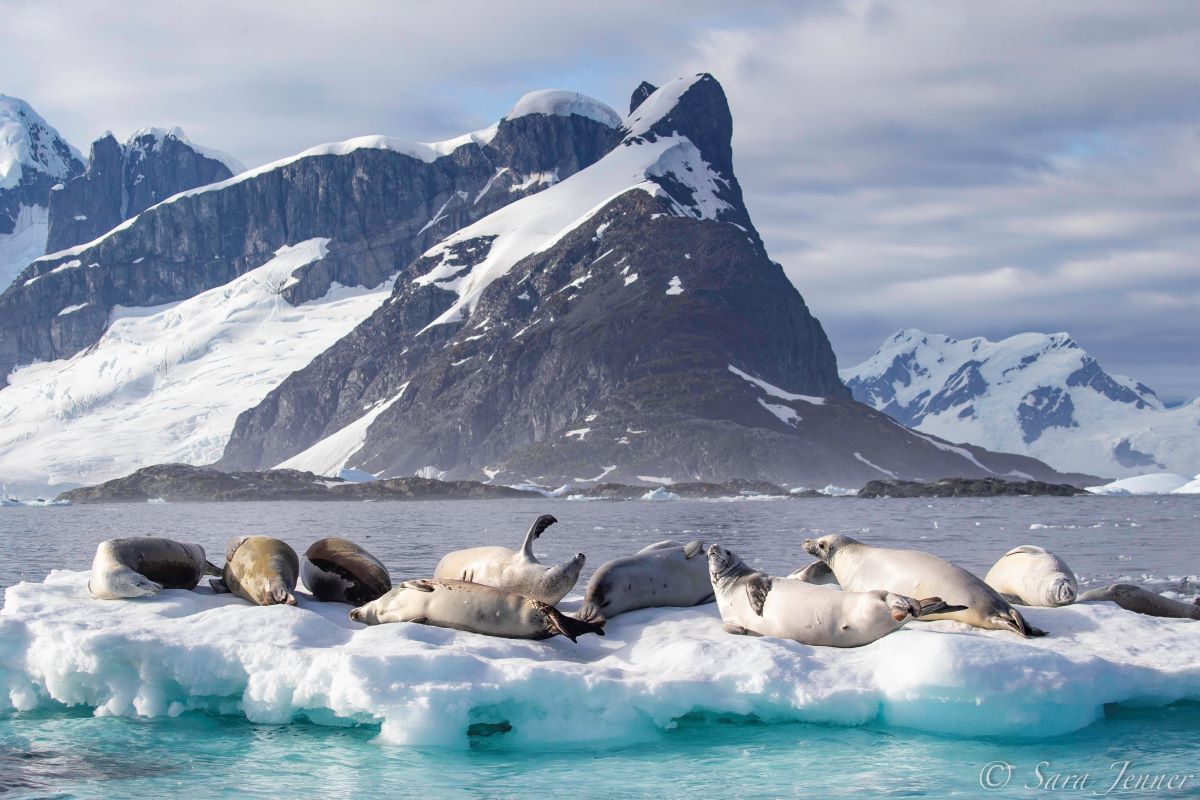
In addition to the southern lights, the expeditions offer intense wildlife and nature experiences with encounters with whales, penguins, seals, and seabirds, as well as Zodiac tours, landings, kayaking, and historical discovery sites.
How do the southern lights differ from the northern lights?
Both the Aurora Australis (southern lights) and the Aurora Borealis (northern lights) are caused by the same physical process. The main differences lie in the geographical observation area and accessibility: the southern lights are much rarer and more difficult to access than the northern lights, as they are best seen above Antarctica.
Will you have expert guidance during the trip?
Yes. The ship and expedition trips are accompanied by experienced expedition teams who provide background information on physics, astronomy, and natural history—so that participants not only see the aurora, but also understand it. In 2025, the trip was even accompanied by a renowned astronomer.
What are the lighting conditions like in Antarctica during an aurora trip?
In the remote Antarctic regions, there is hardly any light pollution, the air is extremely clear, and the nights are long and dark—ideal conditions for experiencing the southern lights and an impressive starry sky.
How long do these expeditions to the Southern Lights last?
The trips offered vary, but typically range from 13 to 15 days/nights, depending on the route and activities included.
How should I prepare for a trip to see the Southern Lights?
As polar conditions are encountered, travelers should bring polar clothing, sturdy outdoor equipment, and a certain openness to changing weather conditions. In addition, early booking is recommended, as these trips are quickly sold out.
When you book your trip with inventia, you will receive lots of useful information in advance, including a packing list.