VAST WILDERNESS, POLAR BEARS & NORTHERN LIGHTS
Untamed nature at the northernmost edge of the world. Adventurous expedition cruises through the pack ice. Polar bears in the wild on Spitsbergen. Zodiac tours to untouched coasts and through ice-filled fjords. Whales and walruses in the cold North Atlantic. Colorful tundra in the short Arctic summer. Reindeer under the midnight sun. Drifting icebergs in Disko Bay. Authentic encounters with Inuit culture. In the footsteps of great polar explorers. Observation of rare bird colonies on remote islands. Deafening glacier calving up close. Musk oxen and arctic foxes in Greenland. Historical traces of great polar expeditions. Northern lights in the clear night sky – intense expedition-style travel far away from civilization.
Our trips to the Arctic

MS Heritage Discoverer | Polar Expedition Ship

Northwest Passage Cruises
19.122 €

The Northwest Passage Along the Inuit Waterways
22.495 €

Franklin's Trail Through the Ice Labyrinth of the Northwest Passage
Churchill Tours
13.995 €

An Old Maritime Route from Scotland to Norway
9.806 €
East Greenland: Northern Lights in Scoresbysund (German)
4.350 €

Active Base Camp in Northern Spitsbergen
4.100 €
Short Expedition Cruise Through Western Spitsbergen
7.986 €

Western Spitsbergen & the Polar Ice Edge
8.795 €

Expedition Cruise Around Iceland
7.790 €

Svalbard Expedition to the Pack Ice | MS Quest | MS Balto
An Overview of Arctic Destinations
Svalbard
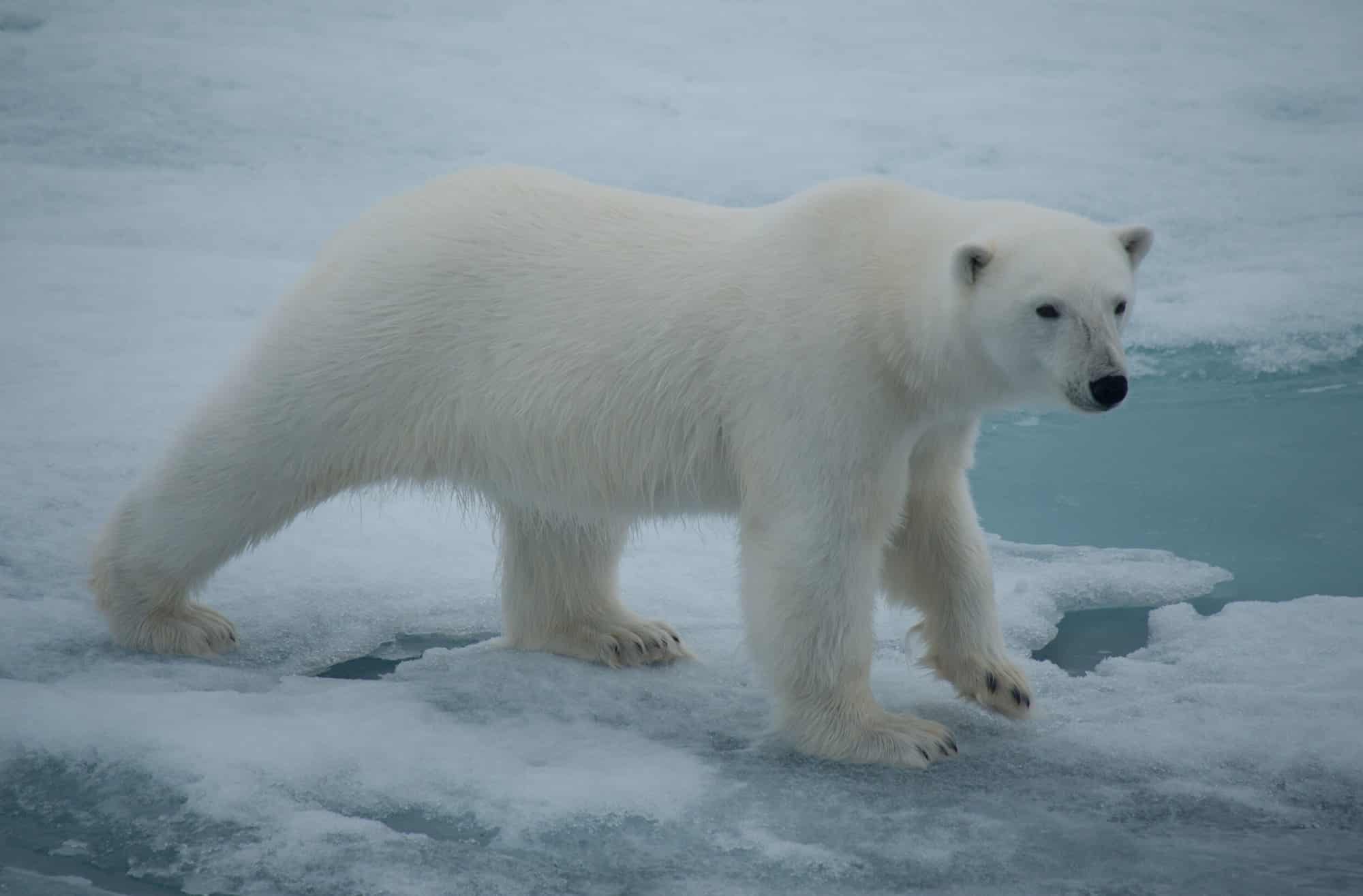
The Arctic in a nutshell: pack ice, massive glaciers, and excellent opportunities to observe Arctic wildlife—and, with a little luck, polar bears. Our expeditions usually depart from Longyearbyen and take place on small ships carrying about 12 to 70 passengers. The offerings range from compact expeditions to circumnavigations of Svalbard and longer routes connecting the archipelago with northeastern Greenland and Iceland.
Greenland
Majestic fjords, calving glaciers, and Inuit culture on the world’s largest island. Our Greenland tours range from micro-cruises through the icebergs of Disko Bay to the Ilulissat Icefjord, a UNESCO World Natural Heritage Site, and from dog-sled tours to winter expeditions on the Greenland Ice Sheet.
Northwest Passage
The legendary route taken by polar explorers through Canada’s icy labyrinth, following in the footsteps of the ill-fated Franklin Expedition of 1845. Rather than a single fixed route, it consists of a network of straits and channels between hundreds of Arctic islands—our 14- to 17-day expeditions explore selected sections, often combined with a visit to West Greenland.
Churchill / Hudson Bay
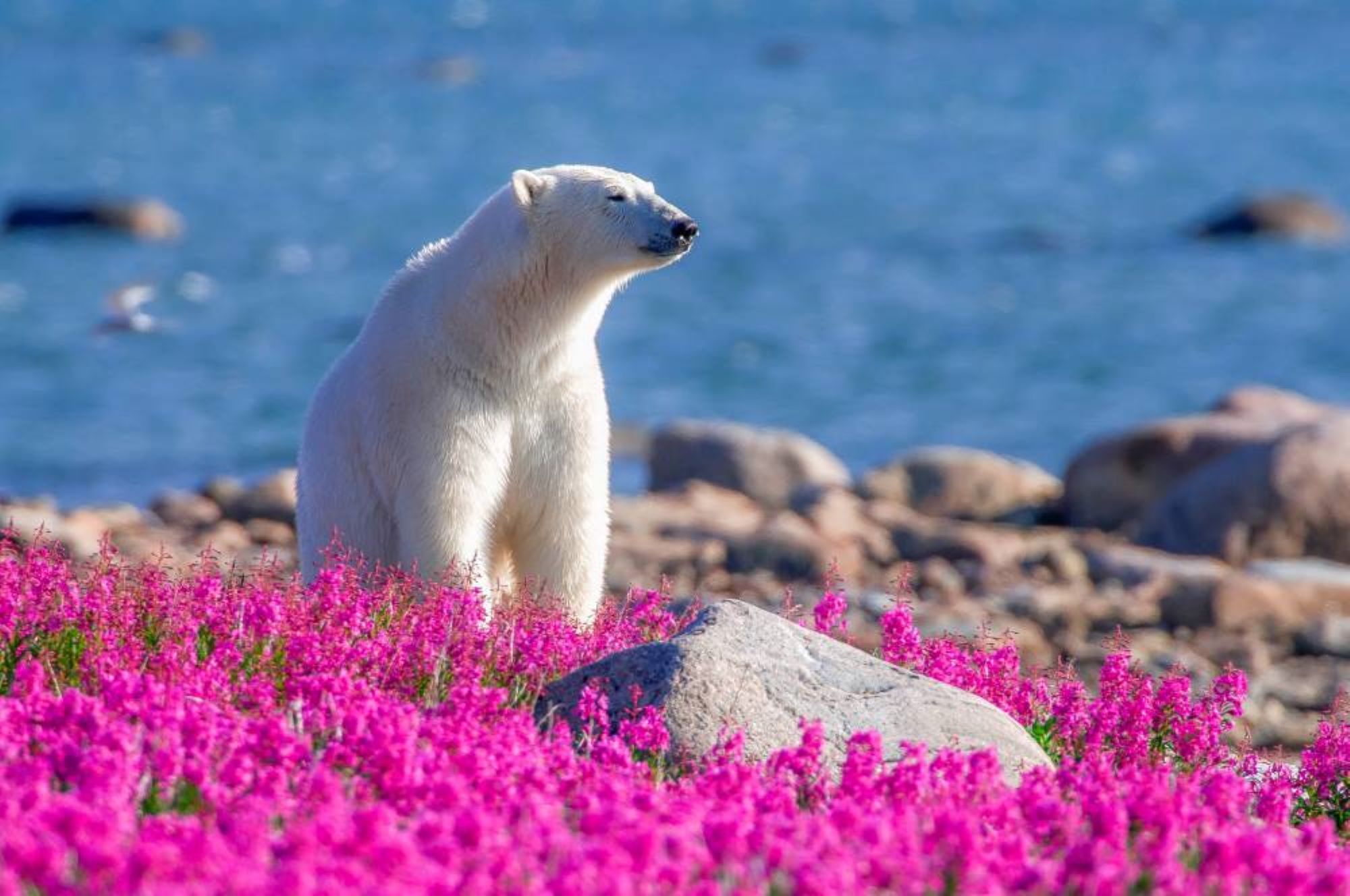
Experience the Arctic from land: vast tundra, polar bear sightings, and, in the summer, excursions to see beluga whales. Our trips do not go to Churchill itself, but instead take you by small plane to remote lodges right on Hudson Bay—in small groups and at various times of year, from summer through late fall.
North Pole
The geographic North Pole is located in the Arctic Ocean. Aborde an ice-class expedition ship, the route takes you through the Arctic sea ice as far north as 90° North, where all lines of longitude converge. The voyages take place during the midnight sun—for anyone who wants not only to see the northernmost point on Earth, but to reach it themselves.
Lapland
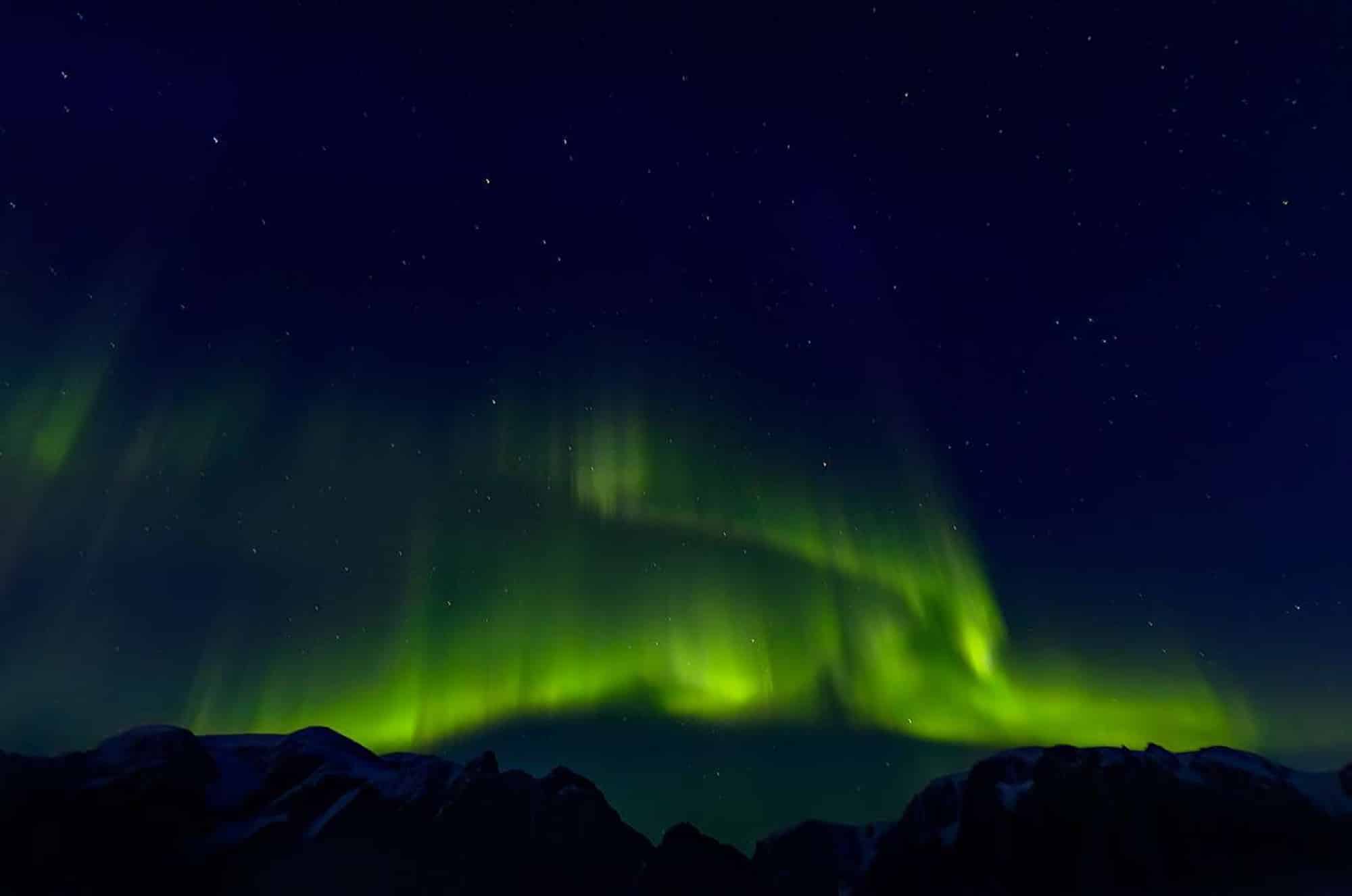
North of the Arctic Circle, the Arctic in Lapland takes on a completely different character: Instead of expedition ships and pack ice, you’ll find winter landscapes and the tranquility of remote lodges—and, with a little luck, the Northern Lights in the sky. Our trips take you to Finnish and Swedish Lapland, with accommodations ranging from glass igloos to private log cabins, and activities such as dog-sled tours or visits to Sami hosts.
Frequently Asked Questions
How much does a trip to the Arctic cost?
Prices vary depending on the route, duration of the trip, and ship. In our current offerings, Arctic trips start at just over 4,000 euros per person; elaborate expeditions, such as those to the geographic North Pole, can cost in the five-figure range. We’d be happy to advise you personally on which trip best suits your preferences and budget.
How long does an Arctic expedition last?
Depending on the destination and route, the trips range from short, week-long expeditions to extended voyages lasting two to three weeks, such as those along the Northwest Passage.
When is the best time to visit the Arctic?
That depends largely on the destination—from spring/summer for Svalbard to winter for Lapland. You can find the exact recommendations by destination in the section on travel times above.
What is the difference between an Arctic expedition and a traditional cruise?
On expedition cruises, the focus is on exploring away from the ship: shore excursions and Zodiac trips are often part of the itinerary, while the exact schedule can be flexibly adjusted to accommodate weather, ice, and local conditions. On classic cruises, on the other hand, the emphasis is usually more on pre-planned port calls and the onboard experience.
What clothes should I pack?
The "onion layer" approach—with windproof and waterproof outerwear, a warm insulating layer, and breathable underwear—has proven effective. After booking, you'll receive more information about the clothing and equipment you'll need, as well as a packing list (depending on the trip). For winter trips, you'll also find tips in our packing list for Lapland in winter.
How cold is it on an Arctic expedition?
That depends heavily on the destination and the time of year. Cruises to Spitsbergen or Greenland often take place during the comparatively mild summer months, while spring trips to Spitsbergen and winter trips to Lapland bring significantly lower temperatures. Wind can also make it feel much colder. It is therefore essential to pack clothing appropriate for your destination and the season.
Do I need to be in particularly good shape to travel to the Arctic?
The physical demands vary depending on the trip. In addition to expeditions with shorter shore excursions, there are more active programs that include longer hikes, kayaking, or snowshoeing. We’d be happy to discuss with you before booking what level of mobility and fitness is required for a specific trip.
Could I get seasick on an Arctic cruise?
Seasickness can occur, especially during voyages across the open sea. How susceptible a person is to it varies from person to person. If you are prone to seasickness, you should consult a doctor or a pharmacist in advance to find out about suitable options.
Do I need travel insurance for an Arctic expedition?
Due to the remote nature of these travel destinations, special requirements may apply to international health insurance, repatriation, or evacuation services. You should therefore check which insurance policies are required or recommended for your chosen trip before booking. We would be happy to advise you on this as part of your travel planning.
How binding is the published itinerary?
The published itinerary is subject to change on short notice due to weather, ice, and local conditions. The captain and expedition team will decide on any adjustments based on current conditions and safety considerations.
Where can I see polar bears on an Arctic trip?
Spitsbergen and the Hudson Bay area around Churchill, for example, offer excellent opportunities to observe polar bears. In Churchill, large numbers of polar bears gather along the coast, especially in the fall, while on Spitsbergen, encounters are possible during expeditions but cannot be predicted. Since these are wild animals, sightings can never be guaranteed.
How do the Arctic and Antarctica differ as travel destinations?
The Arctic is an ocean surrounded by land, home to polar bears, walruses, and permanently inhabited regions such as Greenland and Svalbard. Antarctica, on the other hand, is a continent with no permanent residents; research stations are staffed seasonally or year-round, depending on their location. Both regions can be explored by expedition ship, but they differ significantly in terms of landscape, wildlife, and accessibility. You can find our Antarctic trips here.
Do you have any questions about our trips to the Arctic?
just call