

Caribbean bays, Andean peaks, and colonial splendor
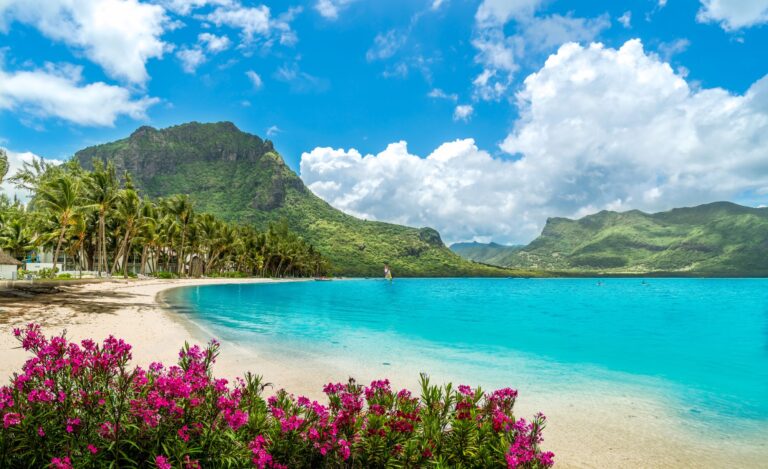
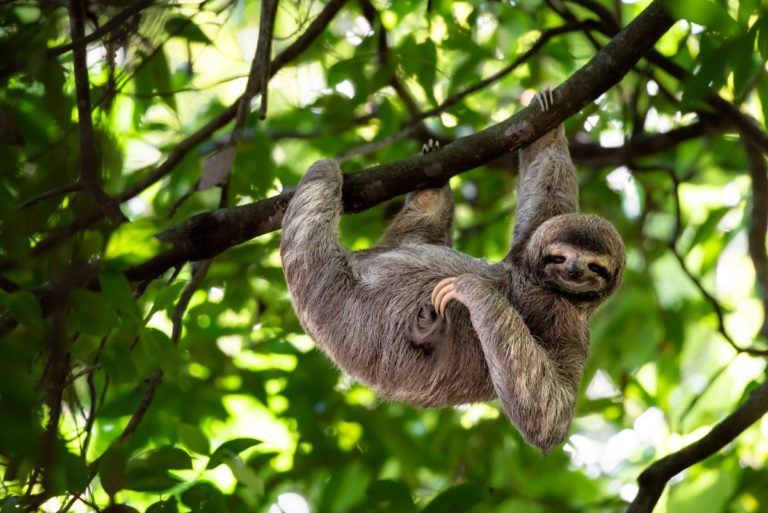
Exciting scenic contrasts between the Pacific Ocean, the highlands of the Andes, and the Amazon rainforest. Boat tours through the labyrinth of the Rosario Islands. Sloths and toucans in Tayrona National Park. Colonial buildings and city walls in Cartagena. Coffee plantations and mansions in the Zona Cafetera. Salt cathedral of Zipaquirá near Bogotá. Cloud forests and hummingbirds in the Andes around Salento. Hikes to Ciudad Perdida through tropical jungle.
Our trips to Colombia
3.025 €

Colombia's Diversity Along the Río Magdalena
3.025 €

Tropical and Colonial Colombia along the Río Magdalena
7.350 €

Exclusive Charter: 1,000 Miles on the Amazon—From Tabatinga to Manaus (2027/2028/2029)
7.350 €

Exclusive Charter: 1,000 miles on the Amazon from Manaus to Tabatinga (2027/2028/2029)
Our trips to Colombia take us by water: along the Río Magdalena between the Caribbean coast and the historic river towns inland, and in the far south, along the Amazon near Leticia.
Here's why trips to Colombia with inventia are special:
- Guided shore excursions: colonial cities and coastal towns, as well as wetlands via small boats.
- Small ships: a manageable number of guests instead of a large cruise.
- Encounters with People and Traditions: Crafts, Music, and Daily Life Along the River.
- No constant changes of hotels: You check into your cabin once, and the landscape rolls by.
- Personal consultation: provided by owner Stephanie Gräf.
Vacation in Colombia: The Most Beautiful Destinations
The right destinations for your vacation in Colombia depend on what you're looking for: colonial history, vibrant culture, or nature. There are numerous historically significant destinations along the Caribbean coast and the Río Magdalena.
Cartagena and Barranquilla on the Caribbean coast
Cartagena was one of the most important ports in the Caribbean and, along with Havana and San Juan, served as a key stop on the trade route to the West Indies. This is evidenced by the most extensive military fortifications in South America, the walled Old City, and the Castillo San Felipe de Barajas—together designated a UNESCO World Heritage Site. In the Getsemaní neighborhood, murals cover entire building facades.
Further to the northeast, near the mouth of the Río Magdalena, lies Barranquilla. Its carnival is included on UNESCO’s List of Intangible Cultural Heritage of Humanity: four days before Lent, during which European, African, and indigenous traditions come together and the cumbia sets the tone—a style of music and dance accompanied by drums and maracas.
Mompox and the Historic River Towns
Santa Cruz de Mompox was founded around 1540 on the Río Magdalena and served for centuries as a trading hub between the port of Cartagena and the interior. When trade shifted elsewhere in the 19th century, the city remained unchanged: instead of a central square, three squares—each with a church—line the riverbank, and houses with courtyards, arched doorways, and balconies line the narrow streets. The historic center has been a UNESCO World Heritage Site since 1995. Mompox remains famous to this day for its silver filigree, which is crafted by hand in small workshops.
The Andes: Bogotá and Medellín
From its tropical coast, Colombia rises into the Andes to elevations where snow falls. The capital, Bogotá, lies on a plateau in the Eastern Cordillera, while Medellín is situated at an elevation of about 1,500 meters in the Aburrá Valley of the Central Cordillera. A land tour of Medellín can be combined with a river cruise on the Río Magdalena.
Magdalena River: River Cruise on Colombia's Most Important Waterway
The Río Magdalena flows about 1,500 kilometers through Colombia to the Caribbean. Since the Spanish conquest, it has been a major trade route between the coast and the interior. In 1822, the first steamboats began sailing the river, and to this day, the Río Magdalena remains the country’s most important waterway. Port cities, colonial towns, and villages sprang up along its banks. Those who follow its course see Colombia as it has developed over the centuries: along its banks.
A river cruise on the Río Magdalena is a tour of Colombia by water: it takes you from the Caribbean coast upstream to Mompox and back to the coast. Along the way, these experiences in particular define the journey:
- Afro-Colombian Culture: San Basilio de Palenque was founded in the 17th century by escaped enslaved people and officially recognized in 1713; it is considered the first free community in the Americas. To this day, Palenquero—a Creole language with a Spanish vocabulary and Bantu grammar—is spoken here. The cultural region of Palenque is listed as part of UNESCO’s Intangible Cultural Heritage.
- Music: Evenings featuring cumbia, jazz, and a special Carnival performance, presented by musicians and families from the region—even outside of the Carnival season.
- Crafts: In the riverside villages, fishermen weave their nets by hand, and tobacco leaves are rolled.
- Nature: Glide through the wetlands of Boca de Tacaloa in small boats, where herons and other waterbirds live.
The trip begins in either Cartagena or Barranquilla and ends in the other city.
Colombia's Amazon Region: Leticia and the Tri-Border Area
Leticia is Colombia’s southernmost city and the capital of the Amazonas Department. There is no road connection to the rest of the country—you can reach the city by plane from Bogotá. Leticia merges seamlessly with Tabatinga, Brazil, and Peru lies on the opposite bank: You can visit three countries here in a single day.
For our Amazon tours, Leticia serves as the gateway in Colombia: Depending on the direction of travel, your journey begins or ends here—the ship is docked in the port of the neighboring Brazilian town of Tabatinga. The river cruise itself runs between this port and Manaus, primarily through Brazil (learn more on our Amazon Tours page).
Traveling Through Colombia on Small Boats
On the Río Magdalena, you’ll travel with no more than 60 to 64 guests on board; on the Amazon, the maximum is 24. This brings you up close to life along the river: The ships also dock at small riverside towns like Calamar or Santa Bárbara de Pinto, and you’ll continue on to the wetlands along the Río Magdalena in small boats.
Stephanie Gräf has been providing personalized advice on expedition trips and small-ship cruises since 2002—by phone, video call, or WhatsApp, and even in the evenings or on weekends upon request. We’ll plan your flights and coordinate shore excursions before or after your cruise. The shore excursion packages for our Río Magdalena cruises include domestic flights within Colombia. Solo travelers can share a cabin on the Río Magdalena with another guest of the same gender—without a single-occupancy surcharge.
When is the best time to visit Colombia?
Colombia does not have distinct summer and winter seasons like Europe does. Temperatures remain largely the same throughout the year and depend primarily on elevation. What does vary are the dry and rainy seasons—and these differ from region to region. The best time to visit therefore depends on where you’re traveling:
- Caribbean Coast: In Cartagena, the weather is tropical and warm year-round, with daytime highs of up to 32 degrees and nighttime lows rarely dropping below 23 degrees. The best time to visit is from December through March, when there is the least amount of rain.
- The Andes: Bogotá stays cool all year round, while Medellín is considered mild year-round. Both cities have two rainy seasons each year, usually around April and May, and October and November. The drier months are December through March, as well as July and August.
- Amazon: There is no true dry season; it is warm and humid year-round. Your experience depends on the water level: When the water is high, you can explore the flooded forests by boat; when it is low, the riverbanks and trails become accessible.
On the Río Magdalena, the water level affects the route: Depending on the water level, the ship docks at a different location, and the excursions are adjusted accordingly.
Frequently Asked Questions About Traveling to Colombia
Is it safe to travel to Colombia?
As with any long-distance trip, be sure to check the German Foreign Office’s current travel and safety advisories before departure. A partial travel warning is currently in effect for Colombia—it applies to specific regions, not the country as a whole. Our tours take you to the Caribbean coast, along the Río Magdalena, and to Leticia on the Amazon. During the shore excursions, you’ll be accompanied by local guides who know their region well.
How much does a trip to Colombia cost?
You can find the current prices for each trip at the top of this page. The final cost of a trip to Colombia depends on the type of trip, duration, cabin category, and travel dates—as well as whether flights and land packages are included. For river cruises on the Río Magdalena, the price includes, among other things, all meals on board, beer and wine with lunch and dinner, the guided shore excursions included in the itinerary, and cultural evenings. For Amazon tours, excursions and a tour guide are included; flights from Germany can be booked separately. A quote detailing all services is available upon request.
Do I need a visa for Colombia?
German citizens do not need a visa for tourist travel. The length of stay is determined by a stamp upon entry; initially, stays of up to 90 days are permitted. You must travel with a passport; an identity card is not sufficient. You must register online using the Check-MIG form provided by the Colombian Immigration Authority within 72 hours before entry and again before departure. Different rules may apply to citizens of other countries.
What vaccinations are recommended for Colombia?
No vaccinations are required for direct entry from Germany. The Federal Foreign Office recommends the standard vaccinations, hepatitis A, and a yellow fever vaccination for most areas below 2,300 meters. This recommendation does not generally apply to Cartagena, Barranquilla, and Medellín. However, proof of yellow fever vaccination is mandatory if you are entering Colombia from Brazil—for example, at the end of a trip to the Amazon. The vaccine takes effect only after ten days. There is also a risk of malaria in the Amazon region. Therefore, be sure to seek travel medicine advice well in advance of your trip.
In what language are the tours conducted?
On the Río Magdalena, English is the language spoken on board and during excursions, where local guides share the stories behind the places you visit. On our Amazon tours, a German-speaking tour guide will accompany you between Tabatinga and Manaus.
Do you have any questions about our trips to Colombia?
just call