Discover Easter Island with inventia
Stone giants on one of the world’s most remote islands. Around 900 moai statues, whose transport and history continue to puzzle researchers to this day. Volcanic craters overlooking the endless Pacific. White sand and turquoise waters at Anakena Bay. A culture that has survived centuries in isolation. Traditional competitions and singing at the Tapati Festival. Hikes in the footsteps of the Rapanui people. Half Chile, half Polynesia—and entirely its own. Customized trips to one of the most remote islands in the world.
Our trips to Easter Island
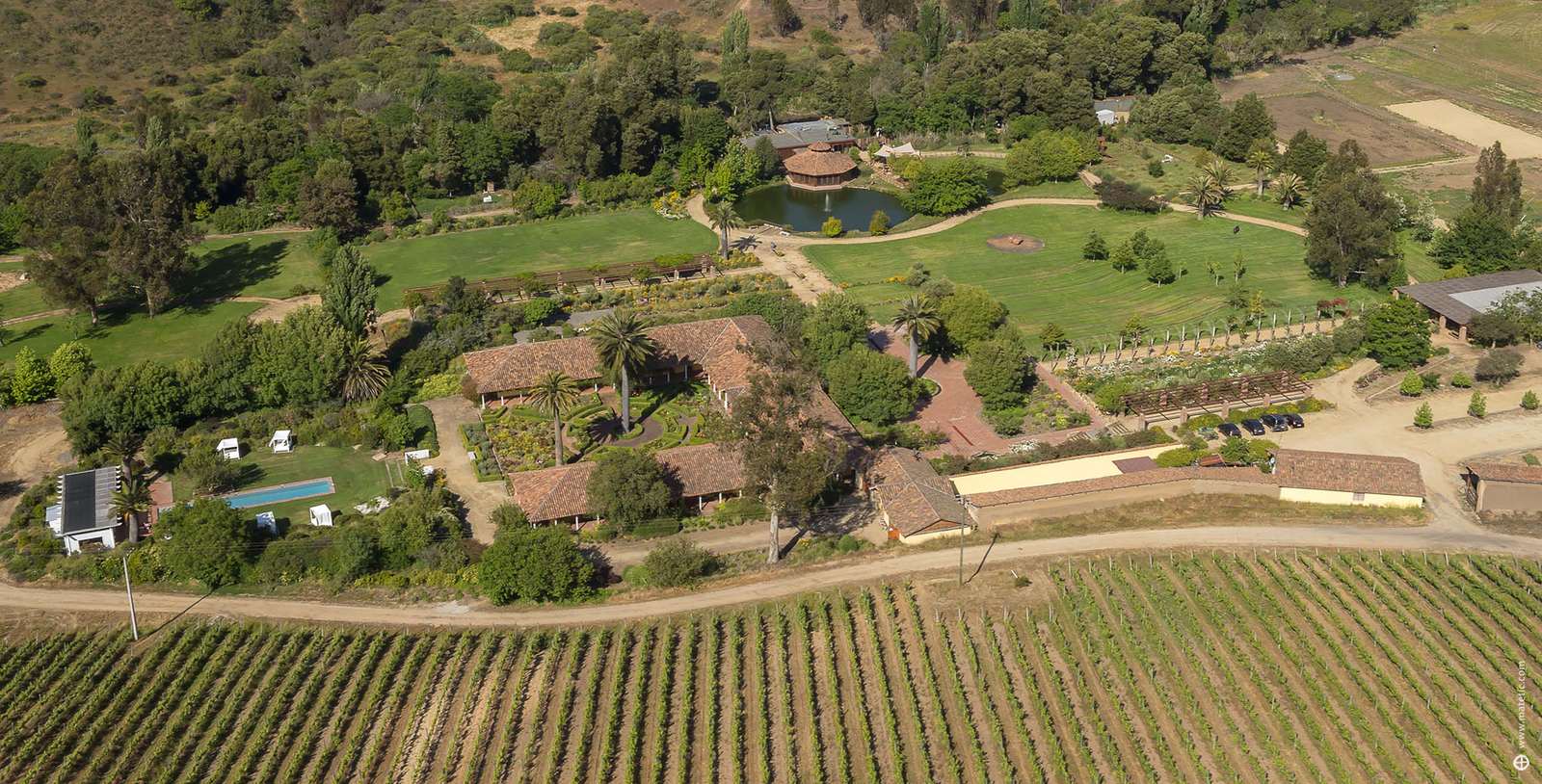
Easter Island: An Exclusive Experience, Concluding at a Historic Eco-Winery
11 days in Chile, featuring Valparaíso’s colorful hills, fifteen moai at Ahu Tongariki, and fine coral sand at Anakena Beach
about the trip

The Stone Giants of Easter Island
5 days on Rapa Nui to the Rano Raraku moai quarry, to Ahu Tongariki, and to the Birdman Village of Orongo, high above the crater lake
about the trip

Contrast-Rich Chile in Style
A 15-day private tour with trackers to Pumaspur, the El Tatio geyser fields, and a private lodge built in 1906 with 21 rooms
about the trip

Easter Island exclusive & active
Exclusive hiking trip for 2 people to the highlights of Easter Island with a private tour guide. 5-day short trip from/to Easter Island
about the trip
Do you have any questions about our Easter Island tours?
just call