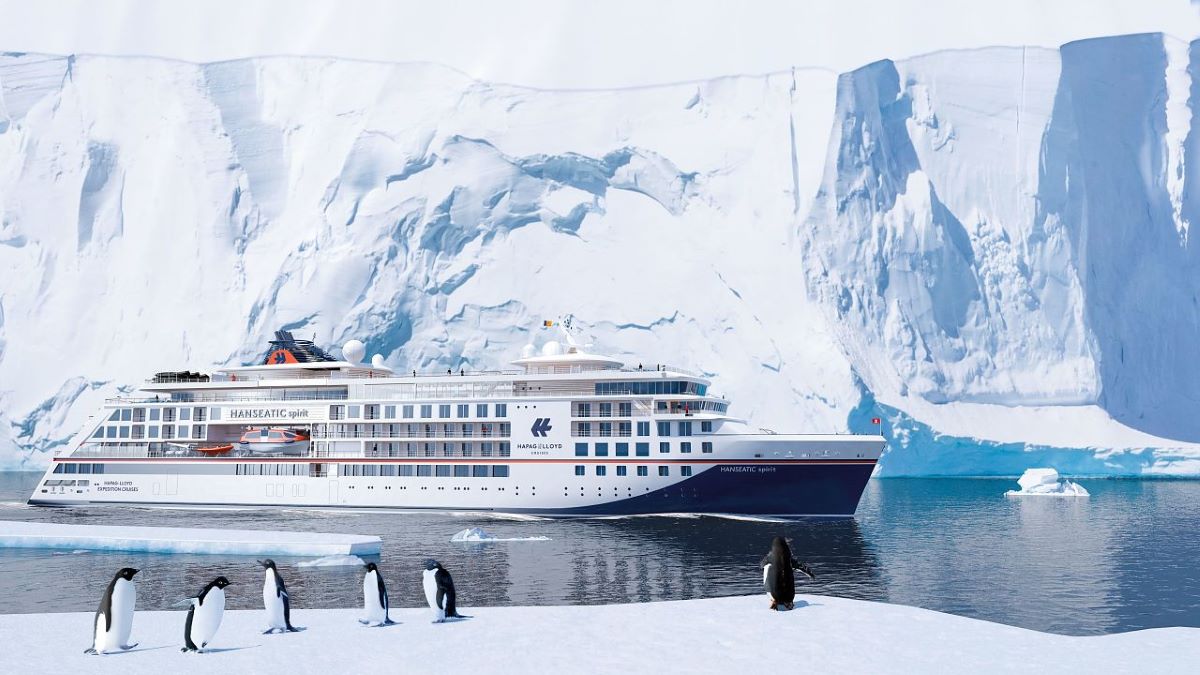
East Antarctica: Largest biosphere reserve Ross Sea

from Hobart (Tasmania) to Dunedin, New Zealand

26 days (25 nights)

MS Greg Mortimer
26-day (25-night) exclusive expedition cruise—from Hobart (Tasmania) to Dunedin (New Zealand), into the Ross Sea, through the sub-Antarctic archipelagos, and to the historic coast of Victoria Land
+++ Up to 15% early-bird discount for new bookings made by September 30, 2026 +++
Follow in the footsteps of great polar explorers to the remote Ross Sea—a journey full of natural wonders and history.
This voyage offers a rare opportunity to explore one of Antarctica’s most remote and breathtaking regions in style—aboard the luxurious expedition ship The Greg Mortimer
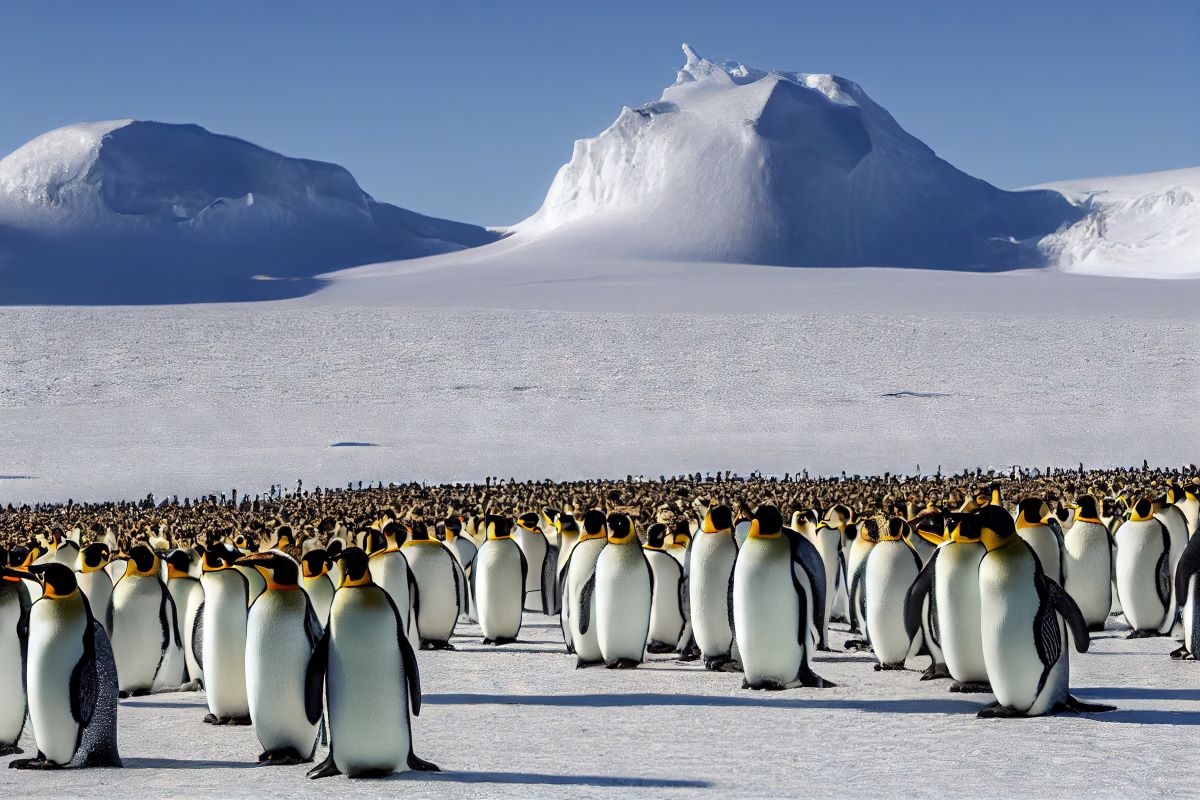
The Ross Sea Odyssey takes you to New Zealand's sub-Antarctic islands, where yellow-eyed penguins roam ancient rātā forests and royal albatrosses circle spectacular coastal landscapes. After crossing the Antarctic Circle, the route leads through the pack ice – accompanied by Adélie and emperor penguins, orcas, and snow petrels in one of the last great wildernesses on our planet.
A particular highlight is the Ross Sea, where nature and history come together in a unique way. Here, at the edge of the vast Antarctic ice sheet, are the well-preserved expedition huts of legendary polar explorers —silent witnesses to the great voyages of discovery of the early 20th century.
This extraordinary expedition combines breathtaking wildlife viewing, dramatic landscapes, and historical significance —a unique travel experience for those seeking the extraordinary.
On board, your team of expertswill providevaluable insights into the geology and ecology of Antarctica, tips on wildlife viewing, and photography tipsto make your trip highly informative.

Stephanie Gräf
Travel expert, inventia | Travel beyond the ordinary
Specialist in travel to the Arctic and Antarctic.
I am your contact person for questions and bookings relating to the Arctic and Antarctic, and I am delighted that you are one of the few people who are traveling to the ends of the earth.
You can reach me by phone or email:
+49 (0)201 858 90 960
welcome@inventia.de
Good to know
Arrival and departure: We offer a variety of customized travel packages including flights, hotels, transfers, and activities. We are also happy to suggest pre- and post-programs to extend your trip.
A heart for solo travelers: If you do not wish to have a single cabin, accommodation on board is possible in shared cabins. In this case, you will be accommodated with other travelers of the same gender.
Entry requirements: German citizens require a valid passport. The current entry requirements for New Zealand can be found here.
Insurance: Taking out international health insurance policy with medical repatriation must be provided.
Medical questionnaire:You are required to completea medical questionnaire before departure.
HIGHLIGHTS
- Marvel at the diversity of the unique ecosystem in the Ross Sea – part of the Ross Sea Marine Protected Area and designated a "Hope Spot" by Sylvia Earle's Mission Blue initiative.
- Macquarie Island, a UNESCO World Heritage Site, is home to four species of penguins, including royal penguins, as well as numerous elephant seals and fur seals.
- If conditions permit, visit the impressively preserved huts of the explorers of the Heroic Age.
- Cross sparkling pack ice, animated by Weddell and leopard seals, Adélie and emperor penguins, and whales searching for food in deep channels.
- Walk along lively beaches with harems of New Zealand (Hooker's) sea lions to the rātā forests, home to rare yellow-eyed penguins.
- Enjoy the lectures and expertise of your expedition team on geology, wildlife and discovery history of Antarctica
route

itinerary
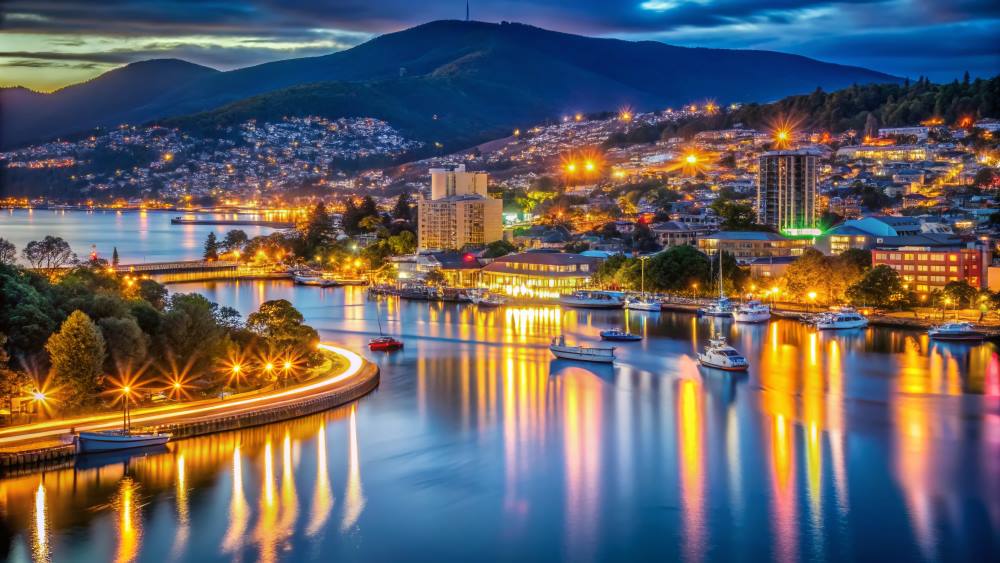
Day 1: Arrival in Hobart
Upon your arrival in Hobart, you will be greeted by a representative from Aurora Expeditions and taken, along with your fellow travelers, to your assigned hotel for an overnight stay prior to the cruise. If you are already in Hobart, please make your own way to your hotel.
Please visit the Aurora Expeditions hospitality desk in the hotel lobby this afternoon to pick up your luggage tags. Please write your name and cabin number on them clearly. Our team will provide you with information about the schedule for embarkation day, answer any questions you may have, and offer recommendations for restaurants and shopping options in case you need to make any last-minute purchases.
Enjoy your evening in Australia's southernmost capital. Treat yourself to a culinary experience at one of Hobart's renowned restaurants, or take a leisurely stroll along the historic waterfront promenade.
Planned accommodations: To be announced.
Day 2: Embarkation
Enjoy your breakfast this morning and then check out of your hotel. Please attach the luggage tags to your carry-on luggage and label them clearly with your name and cabin number. Bring your carry-on luggage to the hotel front desk by 11:00 a.m. at the latest—either before or during check-out. It will be stored there and then transported directly to the port, where it will be processed and delivered to your cabin before you arrive on board. You should keep valuables and personal items with you throughout the day.
You'll have the morning free to explore Hobart on your own.
Once on board, you’ll settle into your comfortably furnished cabin and have the opportunity to explore the ship’s many public areas, which are designed with your comfort in mind.
As soon as the lines are cast off and the ship sets sail down the Derwent River, your expedition team will invite you on deck to enjoy the breathtaking panoramic view of Hobart’s waterfront and the striking, rugged rock formations of the Tasman Peninsula. From Storm Bay, we set a course southward, following in the footsteps of the Aurora, the ship that, over 100 years ago, Sir Douglas Mawson and his Australasian Antarctic Expedition to Antarctica over 100 years ago.


Day 3: Day at sea
On an expedition like this, the journey is just as important as the destination. The days at sea offer the perfect opportunity to relax, get to know your fellow travelers, and learn more about the history, nature, and wildlife of this fascinating part of the world.
Days 21-22: Macquarie Island
"Thousands of penguins covered the steep cliffs, and from breeding colonies near and far came a constant noise... numerous seabirds loudly warned of our imminent arrival."
– Douglas Mawson, 1911
On their way to Antarctica, Mawson and his men encountered a "wonderful scene": Macquarie Island, affectionately known as Macca, rises steeply from the Southern Ocean—a wild, unspoiled place full of life, characterized by green mountain ridges and roaring nature.
Keep your binoculars handy, because this sub-Antarctic refuge is home to over 3.5 million breeding seabirds, including four species of penguins: the proud king penguins, charming gentoo penguins, nimble rockhopper penguins, and the crested penguins (royal penguins), which are only found here. Three species of fur seals and a large portion of the world's elephant seal population also live here.
As you approach the island, it is recommended that you go on deck—well wrapped up—to experience the impressive interplay of sounds, sights, and smells that heralds one of the most vibrant places in the Southern Ocean.
Don't forget to take a look at the kelp forests around Macquarie—these fascinating underwater ecosystems are mesmerizing as their long fronds sway gently back and forth on the water's surface.
In addition to its ecological significance, the island also played a historic role in Antarctic research: in 1911, five men from Mawson's ship Aurora landed here to set up a radio station, enabling the first communication between Antarctica and the outside world.


Days 7-10: Days at sea
While Macquarie Island slowly disappears behind the horizon, it’s worth taking one last look up at the sky. With a little luck, wandering albatrosses, gray-headed albatrosses, black-browed albatrosses, or sooty albatrosses will accompany the ship for a while longer on its journey south.
Attentive observers may notice a slight change in the ocean as we approach the Antarctic Convergence . In this transition zone, the warmer waters of the north meet the cold waters of the south. Beyond this boundary, the surface temperature of the ocean drops by about 4 °C —a clear sign that you are reaching Antarctica. The nutrient-rich waters provide ideal conditions for a diverse array of wildlife. Keep an eye out for leaping penguins, flocks of Antarctic petrels, or the more solitary snow petrel. The Antarctic Circle is now not far away—and with it, your first encounter with an iceberg is likely just around the corner.
The days at sea also offer an opportunity to reflect on your experiences on the sub-Antarctic islands and get in the mood for the next leg of your journey. Relax however you like—with a drink at the bar while getting to know new people, with a visit to the sauna, or by editing your photos in the quiet of your cabin. In addition, you can look forward to exciting presentations by your expedition team about the fascinating wildlife and extraordinary expeditions along the impressive Antarctic coast, which you’ll soon experience for yourself.
Days 11-17: Victoria Land Coast & Ross Sea
Arriving in this remote, ice-covered region of Antarctica is a deeply moving moment. The fresh, clear air, the vastness and silence—all this creates an experience you will never forget.
The Ross Sea is an important wildlife sanctuary, home to numerous unique species, including Ross Sea orcas, Weddell seals, and a variety of penguin colonies, including some of the largest Adélie and emperor penguin populations in Antarctica. Since 2016, this region has been under international protection as the world's largest marine protected area.
The Ross Sea coast also has remarkable historical significance: since its discovery by James Clark Ross in 1841, numerous expeditions have used the area as a starting point. Their huts and artifacts are now protected open-air museums under the Antarctic Treaty.
Your expedition team plans flexibly according to weather, ice conditions, and wildlife sightings. Possible destinations:
-
Ross Ice Shelf – a gigantic ice edge, up to 30 m high, where you can observe emperor penguins, Weddell seals, and perhaps even orcas.
-
Franklin Island – an ice-free island with a lively Adélie colony and magnificent views.
-
McMurdo Sound – historic gateway to the South Pole, still a supply center for Antarctic research today, nestled in an impressive ice landscape.
-
Cape Washington / Terra Nova Bay – home to one of the world's largest emperor penguin colonies, with up to 20,000 breeding males.
-
Cape Hallett – former research station in the midst of dramatic mountain scenery, with rich vegetation and up to 50,000 Adélie penguin pairs. This is also where the Aurora expedition under Greg Mortimer began in 1988.
-
Cape Adare – the largest Adélie colony in Antarctica with over 250,000 breeding pairs, as well as the first human structures on the continent, built in 1899 by the Southern Cross Expedition. The huts and artifacts have been preserved to this day and are protected by the Antarctic Treaty.
This region offers a unique combination of breathtaking nature, rich wildlife, and a great history of discovery —a highlight of your trip.


Days 18–21: Days at Sea
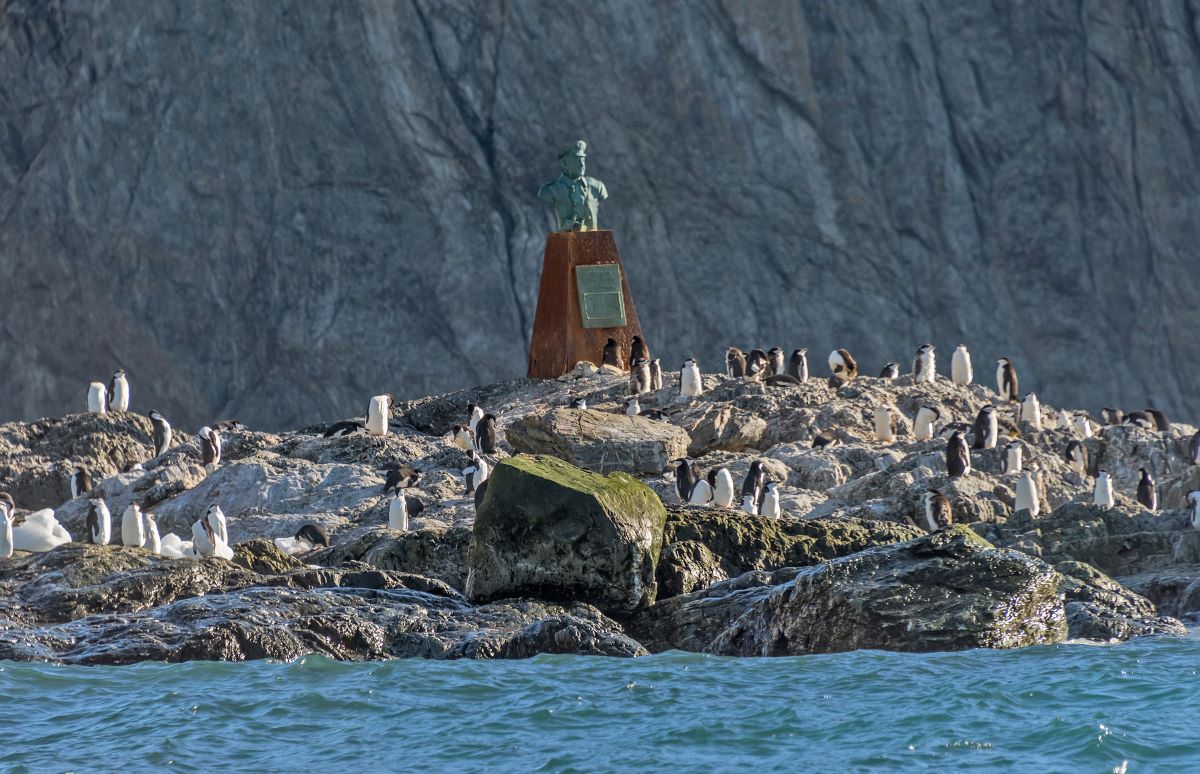
We leave the majestic ice world behind us—leaving it to the seals and penguins—and set course for the north. But your journey is far from over: in the coming days, there will be plenty of time to enjoy the fascination of the Southern Ocean and the life that populates it to the fullest.
Look forward to informative lectures by our experts on board, particularly about the unique wildlife and exciting history of Macquarie Island – a taste of what awaits you soon.
These days at sea also offer you space for personal reflection: perhaps you would like to quietly review the experiences of the past few weeks—either in a quiet moment to yourself or in a stimulating conversation with fellow travelers over a cup of tea (or a drink of your choice).
As we approach Macquarie Island, keep an eye out for the elegant albatross species —gray, black-browed, or light-mantled albatrosses—which may leave their nests to welcome their human visitors.
Days 22 through 24: New Zealand's sub-Antarctic islands
These remote islands were first visited centuries ago by Maori navigators and remain of great cultural significance to Ngāi Tahu, the indigenous people of New Zealand's South Island. Their breathtaking natural beauty and remarkable biodiversity are now internationally recognized—yet few have had the privilege of setting foot on these remote shores. Now you have the unique opportunity to explore this extraordinary region for yourself.
On the Auckland Islands (Maungahuka / Motu Maha), you will experience a dramatic landscape shaped by the Southern Ocean. Despite their rugged appearance, they are home to an extraordinary wildlife: almost half of all yellow-eyed penguins (Hoiho), numerous white-capped mollymawks, and all of the wandering albatrosses that breed on the islands live here.
Depending on weather conditions, your expedition team will take you to selected locations such as:
-
Sandy Bay – breeding ground for rare Hooker's sea lions and home to a pristine rātā forest with penguin colonies.
-
Carnley Harbor —a place steeped in history with the wreckage of the Grafton and traces of earlier settlements, ideal for Zodiac trips.
-
Victoria Passage – picturesque strait where, with a little luck, seabirds and sea lions can be spotted.
On Campbell Island (Motu Ihupuku), weather permitting, you will discover an impressive combination of Arctic tundra and colorful mega-herbs such as Ross's lily and Campbell's daisy. A visit to the breeding grounds of the majestic southern royal albatross, with a wingspan of over three meters, is particularly impressive.
Your expedition team will flexibly adapt the daily program to the conditions – allowing you to experience this unique region in an authentic and impressive way.


Day 25: Day at Sea
As your journey draws to a close, you will have the opportunity to reflect on the impressions and experiences of the past few weeks. You may want to sort through your photos, jot down some notes in your travel journal, or simply relax and enjoy the special atmosphere on board—while slowly saying goodbye to your fellow travelers.
We hope that you will become ambassadors for the Southern Ocean —for its protection and preservation —and share your experiences with family and friends so that one day they too can embark on this special journey and become guardians of this unique region.
Day 25: Return to Dunedin & Disembarkation

The daily programs described here are for your guidance. The itinerary may vary considerably due to local ice and weather conditions, last-minute permit procedures, and local authorities, but also to respond to current conditions regarding wildlife viewing.Theexpedition leader on board will determine the final itinerary and daily program. Flexibility is of utmost importance during our expedition-style voyages.
activities
Included activities
- bird watching
- Lectures on wildlife, the environment, history, and travel destinations
- Observation of marine mammals
- photography
- Polar Plunge (jump into the Arctic Ocean)
- Panoramic drives along spectacular coastlines or through dramatic straits
- Zodiac rides
- shore leave
- Hikes (including in mountainous terrain and to viewpoints)
- Wildlife observation
Kayaking – Optional activity at extra cost
One of the most exciting ways to experience Antarctica.
Sea kayaking adventures in the stunning wilderness of Antarctica are guaranteed to be an experience that touches your soul. Paddle among drift ice and icebergs of all shapes and sizes and take in the majestic landscape as it unfolds before you.
This kayaking program was developed by kayakers for kayakers!
The program style offers you the opportunity to develop your skills and network with experienced guides and your fellow travelers. Participating in a small group throughout the trip reduces unnecessary time lost to briefings and equipment trials—and maximizes your time on the water.
The professional kayak guides have led tours worldwide, specialize in the polar regions, and were selected for their passion for the sport. Kayaking is one of the best ways to experience the breathtaking coastlines up close and make the most of your time in these remote wilderness regions. You will have the opportunity to discuss your personal preferences for the tour with the guides, such as when you would like to paddle, go ashore, or combine both.
Depending on the weather, the kayaking program is usually available whenever the other expedition participants set off on excursions.
Each trip covers between 5 and 15 kilometers (approx. 2 to 4 hours) – often combining kayaking and shore excursions so that you don't miss a thing.
Each small group of up to 10 people per guide will experience hidden bays and coastal sections that are not accessible by Zodiacs. Of course, there will also be plenty of time for personal shore excursions and wildlife viewing.
Important note: Nature plays a crucial role in the sea kayaking program. Understanding weather-related changes is essential.
Equipment included
Kayak shoes (booties) and dry suits are available.
DATES & PRICES
Request your trip here!
Submit questions via email Arrange a callback Call now: +49 201 85890960
or please select your preferred date
December 14, 2026 – January 8, 2027
Starting at €44,895 ; €38,161 per person
26 days/25 nights
MS Greg Mortimer (Maximum occupancy: 140)
Hobart (Tasmania) Dunedin
From Hobart (Tasmania) across the Ross Sea in Antarctica to New Zealand
Up to 15% early-bird discount for new bookings made by September 30, 2026
Selected date
December 14, 2026 – January 8, 2027 (26 days/25 nights)
MS Greg Mortimer | Ross Sea Odyssey (from Hobart, Tasmania)

Aurora Cabin Triple

Aurora Cabin Twin

Balcony Cabin Cat. C

Balcony cabin B

Balcony Cabin Cat. A
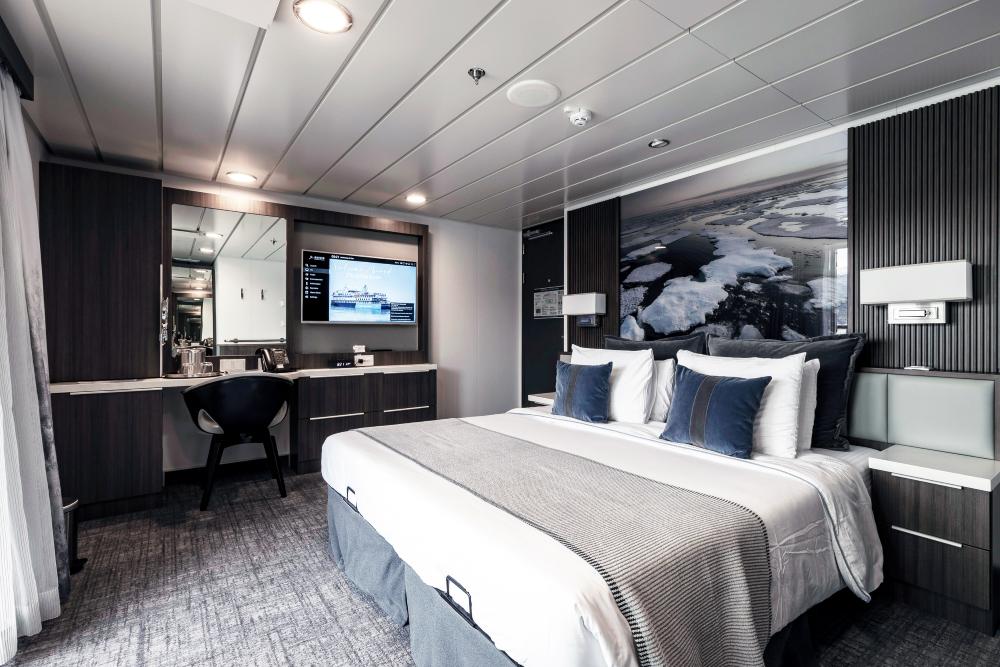
Superior Balcony Cabin

Junior Suite

Captain's Suite
cabin
options
personal data
By clicking on the "Request now" button, you agree to the Processing of your personal data to complete the reservation.
Summary
activities
Information
Included services:
- All transfers from/to the airport mentioned in the itinerary
- One night's accommodation in Dunedin on day 1, including breakfast
- Accommodation on board during the sea voyage, including daily cabin service
- All meals, snacks, tea, coffee, soft drinks, and juices during the sea voyage
- Beer and house wine with dinner
- Farewell reception for the captain with a four-course meal, house cocktails, beer, wine, and non-alcoholic beverages
- All shore excursions and trips with the Zodiac inflatable boats
- Specialist lectures and guided tours by the expedition team
- Free access to the onboard medical station and expedition doctor (initial consultation included)
- A waterproof 3-in-1 polar expedition jacket as a gift
- Free rental of Muck Boots during the trip
- Comprehensive information on travel preparation
- Port fees, permits, and landing fees
- Wi-Fi (Please note that we travel to remote regions and the connection may therefore be unreliable.)
Not included in the price:
- International or domestic flights – unless specified in the itinerary
- Transfers – unless specified in the itinerary
- Taxes for arrival or departure at the airport
- Costs for passport, visas, reciprocity fees, and vaccination fees
- Travel insurance or emergency rescue fees
- Hotel accommodation and meals – unless specified in the itinerary
- Optional excursions and surcharges for optional activities
- All personal expenses, including alcoholic beverages and soft drinks (outside of dinner service), gratuities, laundry service, personal clothing, medical expenses, or telephone charges
Note: A gratuity of $15 per person per day for the crew will be automatically added to your onboard account. You are free to remove the gratuity (or adjust the amount) when you settle your bill. It is not necessary to tip members of the expedition team. This gratuity amount is included for suites as part of the "Suite Benefits."
Important:
- Language spoken on board: English
- Expedition leaders and lecturers are English-speaking
- Currency on board: US dollar
- A doctor is on board
Your ship during the voyage

Your ship: The Greg Mortimer
Click here for deck plans, cabin categories, facts & figures
> View here

MS Greg Mortimer in Antarctica
MS Greg Mortimer in Antarctica I © Jennifer Perrotin I Aurora Expeditions
Ross Sea Odyssey_Ross Sea_Shutterstock_Aurora Expeditions
Ross Sea | © Shutterstock

Iceberg in drifting pack ice
An iceberg in drifting pack ice | © Rolf Stange

Ross Sea Odyssey_Adélie Penguin 2_Pia Harbour_Aurora Expeditions
Adiele Penguin | © Pia Harboure

Sea Kayaking Among Broken Ice
Kayaking in Ross Sea

From the Zodiac to the leopard seal on the ice floe
From the Zodiac to the leopard seal on the ice floe | © Michael Martin

Ross Sea Odyssey_Ross Sea_Helicopter over the sea_Rolf Stange_Aurora Expeditions
Helicopter tour | © Rolf Stange
Ross Sea Odyssey_Orcas_Ralf Stange_Aurora Expeditions
Orcas | © Rolf Stange
Ross Sea Odyssey_Macquarie Island_King Puniguin 2_Rolf Stange_Aurora Expeditions
King Penguins | © Rolf Stange

Ross Sea Odyssey_Ice Shelf_Shutterstock_Aurora Expeditions
Iceberg | © Shutterstock

Ross Sea Odyssey_Royal Albatross_Campbell Island_Mark Vogler_Aurora Expeditions
Royal Albatross | © Mark Vogler
Ross Sea Odyssey_Sunset_Mark Vogler_Aurora Expeditions
Sunset | © Mark Vogler
Sounds interesting?
You can book your trip here
Do you have any questions?
just call
Further voyages to the Ross Sea
64.055 €
World premiere: Complete circumnavigation of Antarctica in 2028 | Le Commandant-Charcot
29.585 €

In the footsteps of Scott and Shackleton to the Ross Sea
28.870 €