SAF. How sustainable aviation fuels could revolutionize aviation
Hello, dear ice cream pioneers,
Today, we would like to give you a better understanding of sustainable aviation fuels, or SAF for short. This is a topic that could have a long-term impact not only on aviation, but also on tourism and our travel habits.
At inventia, we see SAF as a key technology for more climate-friendly flying in the future – and are following its development with great interest. However, even though sustainable aviation fuels are promising, they are still in their infancy.
That is why we are committed to promoting such innovations—and at the same time offering you the opportunity to offset the carbon footprint of your flights through high-quality climate protection projects.
For us, the two belong together: honest responsibility in the present and a committed view of the future.
What is SAF?
You may have heard the term Sustainable Aviation Fuels, or SAF for short. Sounds technical? Don't worry, it's actually quite simple: SAFs are a new generation of aviation fuels that are not made from petroleum, but from alternative, renewable sources —for example, plant residues, used cooking oil, or even CO₂ from the air. Exciting, isn't it?
What makes them special is that although they behave almost exactly like conventional kerosene in aircraft engines (they are chemically almost identical), they have a significantly lower impact on the climate over their entire life cycle. And that is precisely why they are considered an important building block for more climate-friendly travel, especially where switching to electric propulsion is not so easy—for example, on medium- and long-haul flights.
SAF at a glance: Organic or synthetic
Sustainable aviation fuels (SAF) fall into two broad categories: those derived from biological sources and those produced through chemical processes, i.e., synthetically. Biological SAFs often come from plant or animal waste, while synthetic SAFs are based on innovative chemical processes.
A particular advantage is that some SAF fuels are drop-in compatible. This means that they can be used directly in existing aircraft without the need for major modifications —even in older models.
Other SAF fuels, on the other hand, require a few technical modifications to the aircraft. However, these have not yet been approved.

From frying oil to sewage sludge: how can these be turned into jet fuel?
Sustainable aviation fuels can be produced from a variety of raw materials that replace fossil fuels. These include used cooking oils, plant residues, agricultural waste, municipal waste, and waste gases.
There are currently seven recognized processes for producing SAF, with the most commonly used fuels — often derived from waste such as cooking oil and vegetable and animal oils —holding the largest market share. These processes are referred to as HEFA, which stands for "hydroprocessed esters and fatty acids"—but don't worry, we'll leave the technical terms aside and get straight to the point.
The process is similar to the refining of crude oil: the oils are hydrogenated and then converted so that they have the same chemical structure as kerosene.
But the innovation doesn't stop there. British company Firefly is working on using human waste, such as sewage sludge, as a raw material for SAF. According to James Hygate, founder of Firefly, each person produces enough waste each year to generate four to five liters of SAF – which could cover five percent of the UK's nationwide fuel needs.
Why is SAF considered sustainable?
Imagine boarding your next flight knowing that the fuel powering it comes partly from more sustainable sources—such as used cooking oil or plant waste. It feels good to know that this fuel drastically reduces CO₂ emissions compared to conventional jet fuel. But what exactly makes SAF sustainable? Let's take a closer look!
Reduced CO₂ emissions:SAF reduces an aircraft's CO₂ emissions throughout its entire life cycle by up to 80% compared to conventional jet fuel. Less CO₂ in the atmosphere means less contribution to global warming – and that is an important step toward making aviation more sustainable.
Less soot: SAF burns cleaner and produces up to 80% less soot— depending on the type and blend—than conventional kerosene. Less soot also means fewer contrails in the sky, which contribute to global warming. SAF therefore has a positive effect not only on CO₂ emissions, but also on other climate impacts of air travel.
Fewer fossil fuels: SAF is produced without fossil fuels such as oil or gas. This means that we no longer rely on carbon that has been stored in the earth for millions of years and releases CO₂ into the atmosphere when burned. Instead, SAF comes from renewable raw materials and waste, which can significantly reduce the impact on the climate.
Climate-friendly manufacturing process: Depending on the raw materials and process used, SAF production can be more efficient and environmentally friendly. It often requires less water and land than many other bio-based fuels, such as those made from energy crops. When SAF is produced using renewable electricity and CO₂ from the air, the entire process can theoretically be nearly CO₂-neutral—but in practice, this is rarely the case. In this way, SAF helps to conserve natural resources and reduce the burden on the environment.
Waste becomes fuel: A particular advantage of SAF is that it can also be produced from waste such as used cooking oils, plant residues, or even garbage. This waste would otherwise end up in landfills, where it would release additional greenhouse gases. SAF turns the tables and transforms these residues into valuable fuel—a real win for the environment.
Better air quality at airports: SAF also improves air quality at airports. Initial measurements show that the use of SAF could reduce the proportion of fine dust and other particles by up to 30%. This means that SAF would not only protect the global climate, but also make the air at busy airports cleaner.
A glimpse into the future of aviation: SAF takes off—but there is still a long way to go!
The use of sustainable aviation fuels (SAF) is still in its infancy worldwide, but the potential is huge.
By June 2023, airlines will have completed almost 499,000 flights using SAF – and the number is growing. Around 200 commercial SAF flights currently take off every day, and leading airlines such as Lufthansa, Air France-KLM, SWISS, and United Airlines are working hard to make SAF flights an everyday reality rather than an exception.
However, in order to meet the expected demand of around 450 billion liters of SAF by 2050, production will have to be significantly increased —after all, only around 600 million liters were produced in 2023. The journey has only just begun, but the road ahead looks promising!

Challenges on the path to green aviation: Why it's not quite so simple
SAF is undoubtedly an exciting step toward more sustainable flights—but the road ahead is still long and full of hurdles.
Although we are already seeing initial successes, such as the first SAF flights, this sustainable fuel currently accounts for less than one percent of global air traffic. However, in order to achieve the ambitious climate targets, production must be ramped up rapidly.
But what stands in the way of this growth? Let's take a look at the biggest challenges:
High production costs: SAF currently costs four times as much as conventional kerosene. This makes it difficult for airlines to integrate it into their fleets without causing prices to skyrocket. If SAF remains this expensive, it could be difficult to gain the widespread acceptance we need to bring about real change. Inexpensive alternatives could be more appealing to airlines.
Lack of infrastructure: There is a lack of comprehensive infrastructure for SAF. To meet global demand, we need a network that supports this production efficiently and reliably.
Raw material shortage: There is currently a lack of sufficient quantities of the raw materials required for large-scale SAF production. Without enough sustainable waste or plant residues, it is difficult to rapidly increase production.
Politics in transition: Regulatory frameworks need to be adapted in order to truly promote the use of sustainable raw materials. But there is still a lot of work to be done in this area.
SAF in tourism: A step toward more sustainable travel
The tourism industry is responsible for around 6.5% of global CO₂ emissions, with air travel, cruises, and accommodation accounting for a large proportion of this. The transport sector in particular has a huge impact: three-quarters of CO₂ emissions in tourism come from aviation.
Given these environmental impacts, it is becoming increasingly clear how important it is to seek solutions that minimize the negative consequences of travel—for the planet and for future generations.
Sustainable aviation fuels (SAF) offer an exciting opportunity to significantly reduce the environmental footprint of aviation. Increased use of SAF is not only a step toward a greener future for the tourism industry, but also an opportunity to stand out from the competition. Airlines that integrate SAF into their fleets demonstrate that they are taking responsibility and committing to a sustainable travel option—appealing to travelers who want to make conscious, environmentally friendly choices.

Embarking on a greener future
The world of sustainable aviation fuels (SAF) is fascinating and full of potential. It promises not only a noticeable reduction in CO₂ emissions, but also a revolution in the way we travel. Every flight powered by SAF is a small but significant step toward a more sustainable future.
But the journey is far from over. The challenges are great —from high production costs to the necessary infrastructure that still needs to be developed. But the progress that has already been made is a clear indication that we are on the right track.
Thank you for taking the time to learn more about this important topic. We hope it has helped you make even better decisions for a more sustainable future.
With polar regards,
Patricia
Head of Sustainability & Nature Positive Strategy
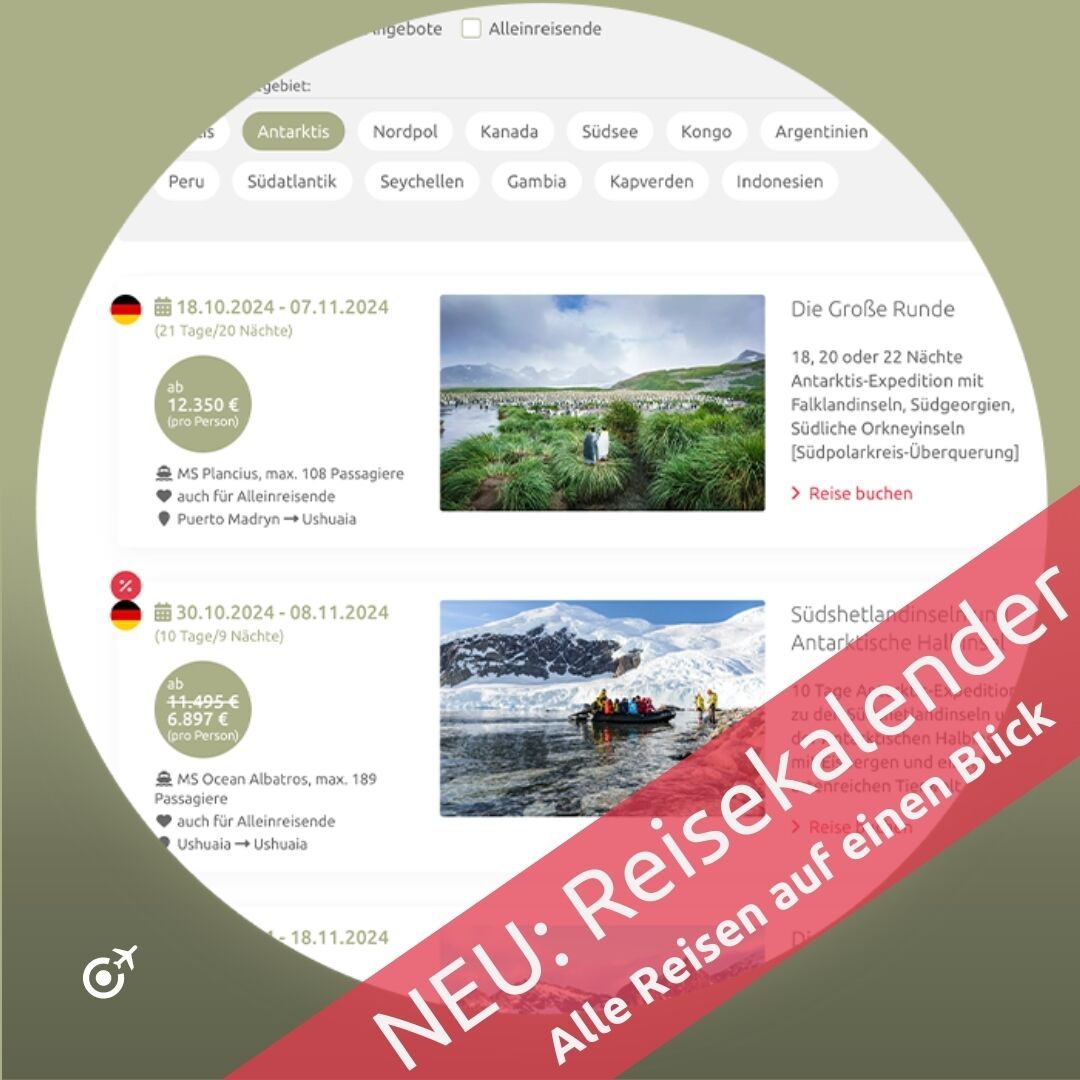
Travel finder: All Antarctic trips and offers at a glance
Browse through the calendar and find your perfect Antarctic trip

Stephanie Gräf
Travel expert, inventia | Travel beyond the ordinary
Specialist in personalized and exciting trips around the globe.
I am your contact person for questions and bookings regarding your trip.
You can reach me by phone or email:
+49 (0)201 858 90 960
welcome@inventia.de
Customized travel offer

Sie interessieren sich für die Antarktis, wissen aber nicht, wo Sie anfangen sollen?
Unser KOSTENLOSER Antarktis-Miniguide bringt Licht ins Eis.

Newsletter: Travel beyond the ordinary
Stay in touch with us and receive our latest travel ideas on a regular basis.

Shall we stay in touch?
Further articles on the topic of sustainability

Encountering polar bears: Searching for traces in Canada, Spitsbergen, and Greenland

ESTA for South Georgia – Entry authorization now mandatory

Greenwashing in the travel industry: Between green promises and legal limits

Protecting polar bears: The work of Polar Bears International

How climate change threatens polar bears and how conscious travel can help

Our sustainability promise

Responsible travel: A guide for travelers in the Arctic
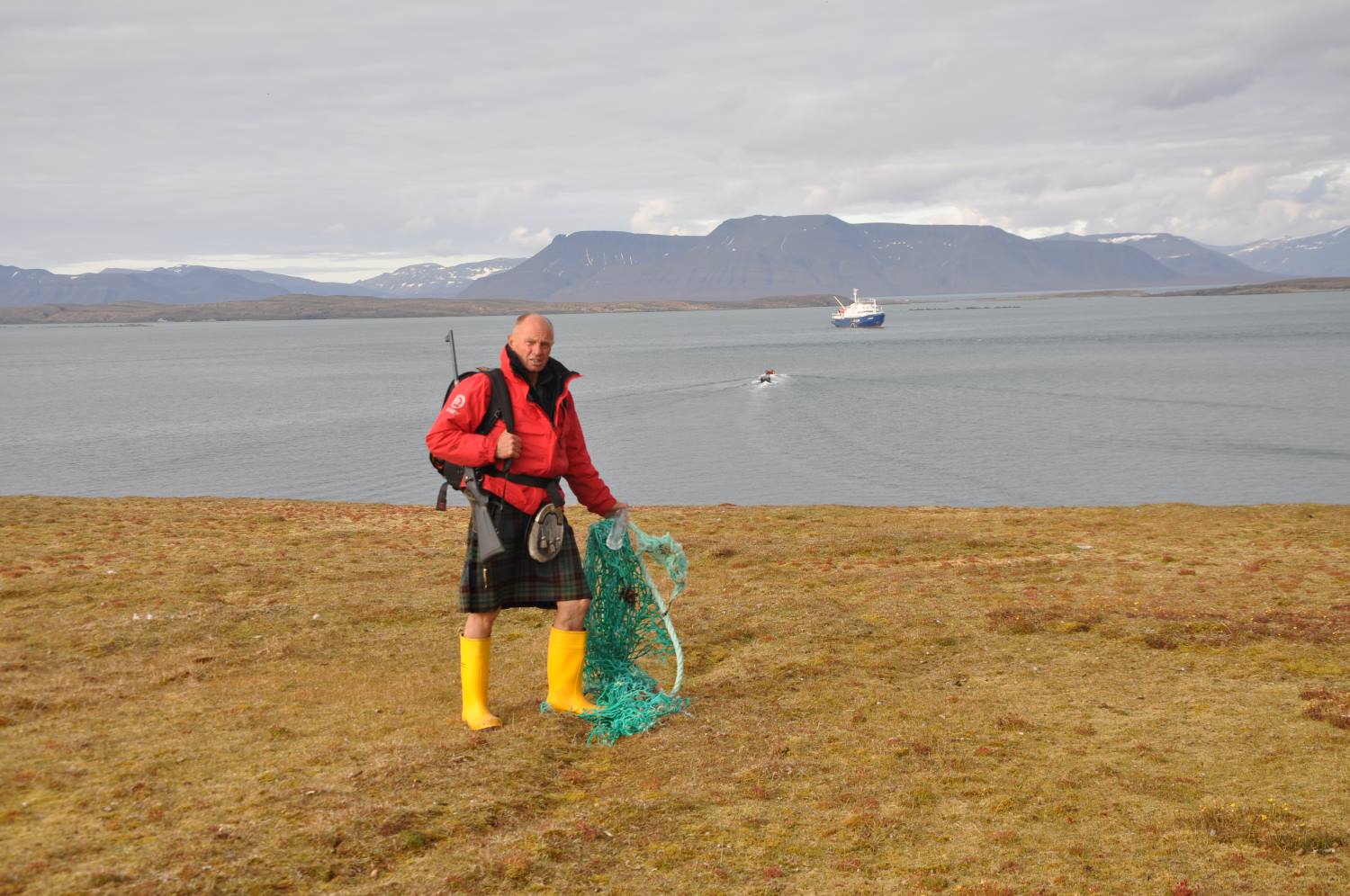
Clean Up Svalbard – Working together for a clean Arctic