Encountering polar bears: Searching for traces in Canada, Spitsbergen, and Greenland
Dear polar pioneers,
Encountering polar bears— for many, that’s the dream of a trip to the Arctic. Whether you’re traveling through the wilderness of Spitsbergen, exploring the coast of Greenland, or visiting the famous town of Churchill in Canada —in all these places , you might encounter these white giants.
To ensure that such experiences remain safe, respectful, and meaningful, one thing is essential above all else: knowledge, awareness, and genuine understanding of their habitat.
We accompany you with our experience and background knowledge. This allows you to approach moments like these with calm and respect and experience them for what they are: a gift from the Arctic.
In this blog, we take you to the few places in the world where polar bears still live in the wild: Canada, Spitsbergen, and Greenland. We show you how different these regions are, what makes each encounter special, and how to behave as a respectful guest in the polar bears' habitat.
Because the polar bear is at home here, we are only visiting.
Read on and discover where and how you can meet the king of the Arctic face to face. As a guest in his world.
But first: Where do polar bears actually live?
Polar bears are true masters of the ice, perfectly adapted to a world of cold, wind, and snow. They spend most of their lives on sea ice, where they hunt with impressive patience and precision: they often kill their favorite prey, seals, from the edge of jagged ice floes.
When the ice melts in summer, many bears live off their fat reserves. But their survival depends on the ice. It is not only their hunting ground, but also their home, their habitat, and without intact ice surfaces, they literally lose the ground beneath their paws.
On our trips, you will have the rare and special opportunity to see polar bears in the wild in three impressive regions: on Hudson Bay in Canada, around Spitsbergen, and along the coasts of Greenland.
Hudson Bay: Visiting the polar bears of Churchill
Welcome to Churchill, the polar bear capital of the Canadian Arctic! This small, remote port town on the shores of Hudson Bay is unique in the world: every fall, nearly 1,000 polar bears gather here, patiently waiting for the sea ice to freeze.
These animals live in what is known as a seasonal ice area. This means that the ice melts completely in summer and the bears are forced to spend many months on land.
It is precisely these special living conditions that make Churchill one of the best places in the world to observe majestic polar bears in the wild. The chances of seeing polar bears are therefore very good, but there are never any guarantees in the wilderness.
With experience at your side
During your time in Churchill or other locations along Hudson Bay, you will never be traveling alone in this impressive ice region. All tours are carefully planned and take place in small, well-supervised groups accompanied by experienced guides. This means you will be in the best of hands throughout your entire stay.
No prior knowledge is required. Before you set off on your first excursions, you and your guides will delve deep into the realm of polar bears. In a detailed introduction, you will not only learn everything you need to know for respectful encounters with these white giants—your guides will also share their knowledge of the flora, fauna, and delicate balance of this unique ecosystem with passion and enthusiasm.
Ethical wildlife watching
More importantly, on our trips to Churchill, you will learn about nature through ethical wildlife watching. This means observing animals in their natural environment without disturbing their behavior or influencing their daily lives.
To ensure this is successful, clear rules apply: guests are usually on foot— quiet, mindful, and as inconspicuous as possible so that polar bears can move and behave in their habitat unaffected, as if there were no humans nearby.
Encounters on your doorstep
Sometimes you don't even have to go on an excursion to spot polar bears on the coast of Hudson Bay— with a little luck, the polar bear will come right to you.
Perhaps you will spot one of these white giants leisurely roaming the tidal zone as you look out of the window in the morning, or enjoy your breakfast with a fascinating view of a bear passing by. Such quiet, intense encounters are among the most unforgettable moments of your trip.
A glimpse into the future – The Polar Bear Tracker
If you want to get curious about polar bear trails before your trip, the Polar Bear Tracker provides fascinating insights: this scientific program shows in real time where several female bears wearing GPS collars are traveling. This allows you to follow the mysterious migrations of these impressive animals—an exciting preview of your authentic experience on site.

A polar bear in the Arctic summer | © Dennis Fast
Polar bears around Spitsbergen
An estimated 3,000 polar bears live throughout the Barents Sea region, which includes the Svalbard archipelago. Around 270 of these live on Svalbard itself.
But that is only part of the population: another 710 bears hunt and roam the Arctic sea ice north of Spitsbergen. These animals are particularly dependent on the edges of the ice, where they hunt their main source of food, seals.
Since the ban on polar bear hunting in 1973, the population has been recovering slowly but steadily—a hopeful sign in times of climate change and dwindling habitat.
Not safaris, but genuine encounters
First things first: there are no polar bear safaris on Spitsbergen. And that's a good thing. The animals are strictly protected, the natural environment is sensitive, and the rules are clear. Nevertheless, or perhaps because of this, it is all the more fascinating that you can still observe the bears.
The best opportunities are offered by expedition cruises on small ships, supplemented by trips in Zodiacs (inflatable boats) – especially in the following locations:
- On the north coast near the Seven Islands (Phippsøya and Chermsideøya), where the ship can often reach up to 80° north, with polar bears in sight.
- In Hinlopen Strait, between ice fields and bird cliffs—a hunting ground for bears and a spectacular sight for visitors.
- Hornsund, with its dramatic glacier fjords, is one of the polar bears' favorite places.
You won't see them at the push of a button—but if you're patient and join a guided tour, chances are good. Bears appear when you least expect them —silent, powerful, and at a safe distance.
Encounters at a distance
Spitsbergen is not a zoo, but a living ecosystem where polar bears live freely—not for us, but despite us. Every glimpse of the king of the Arctic is a privilege, and protecting these bears is a top priority in Norway.
That is why a safe distance is mandatory:
- A minimum distance of 300 meters must be maintained.
- From March 1 to June 30, when young animals are born, at least 500 meters.
- If you accidentally get too close to a bear, you must retreat immediately —this is required by law.
- Any disturbance, persecution, or enticement is strictly prohibited.
A curious side note
Did you know that everyone outside Longyearbyen is required to carry a rifle for protection against polar bears, or travel with someone who carries one?
On guided tours, experienced guides will naturally take care of this. They are appropriately trained and equipped. You do not need to carry a rifle yourself, but you should always follow the guides' instructions carefully to ensure everyone's safety.
See also: Three Polar Bears for Breakfast: Here's How My Svalbard Expedition Went

Polar bear on Spitsbergen | ® Adrian Wlodarczyk
Greenland's white giants
Many people believe that polar bears are found throughout Greenland, but the reality is quite different: most animals live in the remote regions of the north and east of the island. The east in particular is still largely unexplored territory. Depending on the study, scientists estimate the population there to be between 650 and over 2,000 animals.
On the west coast, where it is more densely populated, encounters are rare—but by no means impossible. Around 2,200 polar bears live along this coast, mainly in the far north.
This year has brought some surprising twists: even in Nuuk, the capital, two polar bears were recently sighted. And there have also been several sightings in the south, for example near Qaqortoq. Is this an indication of changing ice and migration conditions? Perhaps. In any case, it is a reminder that in Greenland, you can never be entirely sure who you might encounter.
Just recently, an isolated group of bears was discovered in southeastern Greenland: around 234 genetically unique polar bears that have adapted to life on glacial ice. This fascinating example shows how populations can genetically adapt over time to survive in particularly challenging environments.
Encounter at the edge of the world
The best opportunities to observe polar bears are on the east coast of Greenland—from aboard small expedition ships. These ships sail through secluded fjords such as the Kaiser Franz Josef Fjord, past glowing icebergs, steep cliffs, and untouched tundra.
Zodiacs are used for close-up nature experiences —flexible inflatable boats with which experienced guides are always on the lookout for the white giants.
On certain tours, hikes along the coast are possible in small groups (maximum 24 people). Two armed expedition staff accompany the guests, while a Zodiac boat travels ahead and scans the area for polar bears. The hikes last about six hours and lead across coastal sections, tundra, hills, and river crossings.
Not only admired – but also protected
The same rule applies in Greenland: large ships must keep a distance of at least 200 meters from polar bears in the water, as the animals are particularly vulnerable there.
As soon as a bear is spotted, the rule is: immediate retreat, no discussion. Even Zodiacs are only allowed to approach land, ice, or rock up to 50 meters away. Because those who truly appreciate polar bears remain at a respectful distance.
The Greenlandic government sets an annual catch quota for traditional subsistence hunting – strictly regulated and based on scientific findings. Trophy hunting is prohibited, as is the export of polar bear products.
Since 2023, there has even been an official protected area for polar bears in southeast Greenland, an important signal for species conservation.

The ice of Greenland @Michelle Sole
Regional guidelines & further information
Each Arctic region has its own rules and recommendations for dealing with polar bears. Here you will find the most important information for your destination:
📍Churchill, Manitoba (Canada)
🔗Polar Bear Safety – Manitoba Government (PDF)
📍Churchill, Manitoba (Canada)
🔗Polar Bear Safety Poster – Town of Churchill (PDF)
📍Greenland
🔗Infographic: Encountering a polar bear while hiking (PDF)
📍Spitsbergen
🔗When humans encounter polar bears – Norwegian Polar Institute
📍Spitsbergen
🔗Polar Bears & Visitor Safety – Visit Svalbard
📍AECO
🔗Polar Bear Safety Guidelines – AECO (PDF)
In these regions, you are the visitor. The polar bear is at home.
Polar bears are part of a fragile ecosystem that is changing due to climate change and human influence. That is why it is important that we, as visitors, act mindfully: keep our distance, follow the rules, and thus support the protection of these unique animals.
Until next time—when we explore the next sustainability topic together.
Best regards,
Patricia
Head of Sustainability & Nature Positive Strategy

Stephanie Gräf
Owner & Founder
Since 2002, I have been personally advising clients on unique expeditions and private trips, small-ship cruises, and journeys to remote regions of the world.
We'd be happy to discuss your trip with you in person.
Why not contact me right now at Phone: +49 201 85890960 or email welcome@inventia.de.
Or schedule a free, no-obligation one-on-one phone call (also via WhatsApp or Wi-Fi), a Teams or Zoom meeting here—even in the evenings or on weekends:

Are you interested in Antarctica but don't know where to start?
Our FREE Antarctic Mini-Guide sheds light on the ice.
Are you interested in Antarctica but don't know where to start?
Our FREE Antarctic Mini-Guide sheds light on the ice.

Newsletter: Travel beyond the ordinary
Stay in touch with us and receive our latest travel ideas on a regular basis.
Shall we stay in touch?
Travel with the opportunity to see polar bears
19.122 €

The Northwest Passage Along the Inuit Waterways
22.495 €

Franklin's Trail Through the Ice Labyrinth of the Northwest Passage
19.813 €
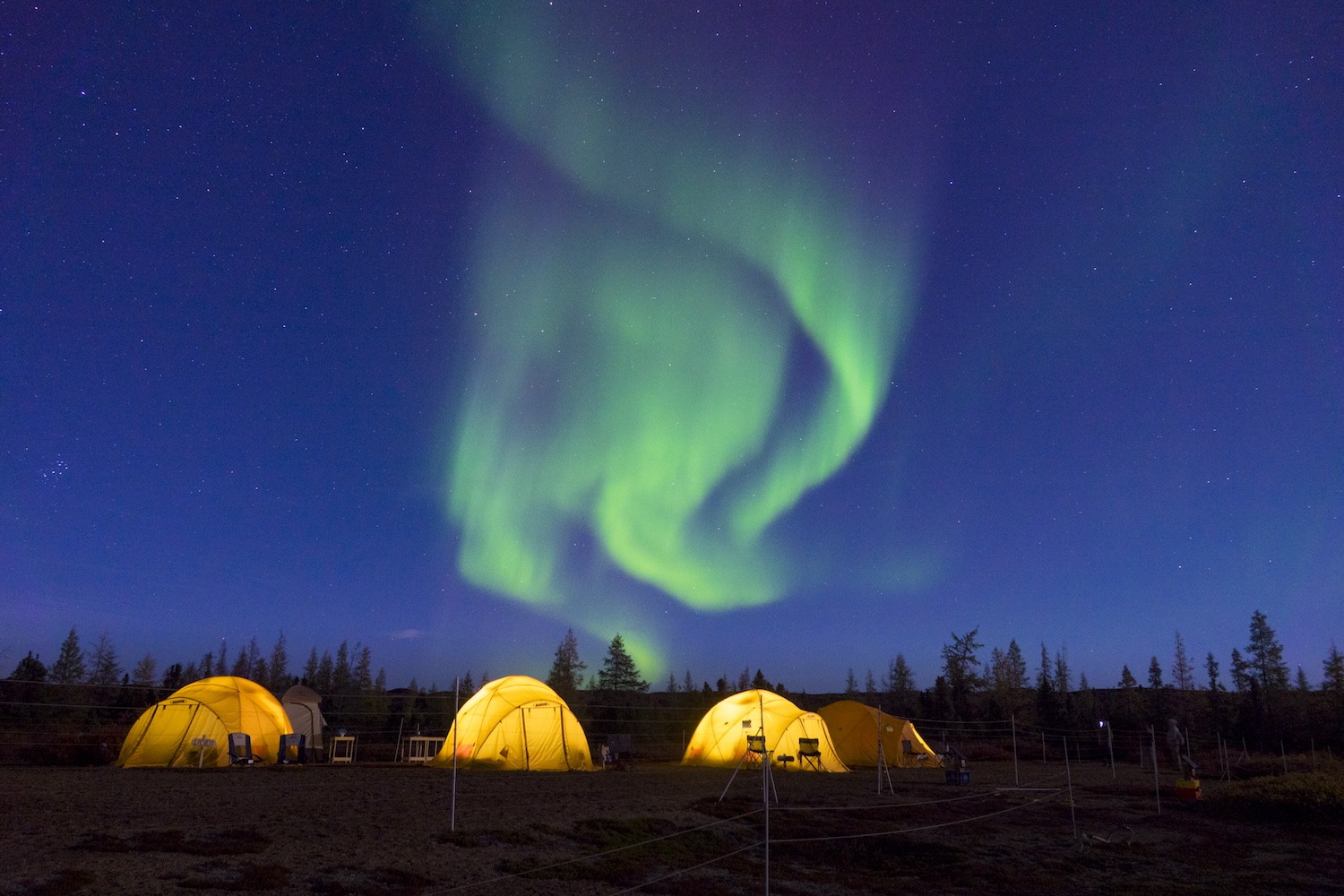
Arctic Polar Bear Safari & Northern Lights
7.550 €

Spitsbergen – Northeast Greenland – Iceland: Northern lights, Inuit, and long hikes |...
7.550 €

Northeast Greenland Extreme

Fly & Sail East Greenland's majestic fjords & glaciers | SY Rembrandt...
14.999 €

Polar bear photo safari in Hudson Bay
15.481 €

Arctic secrets on Hudson Bay
22.787 €
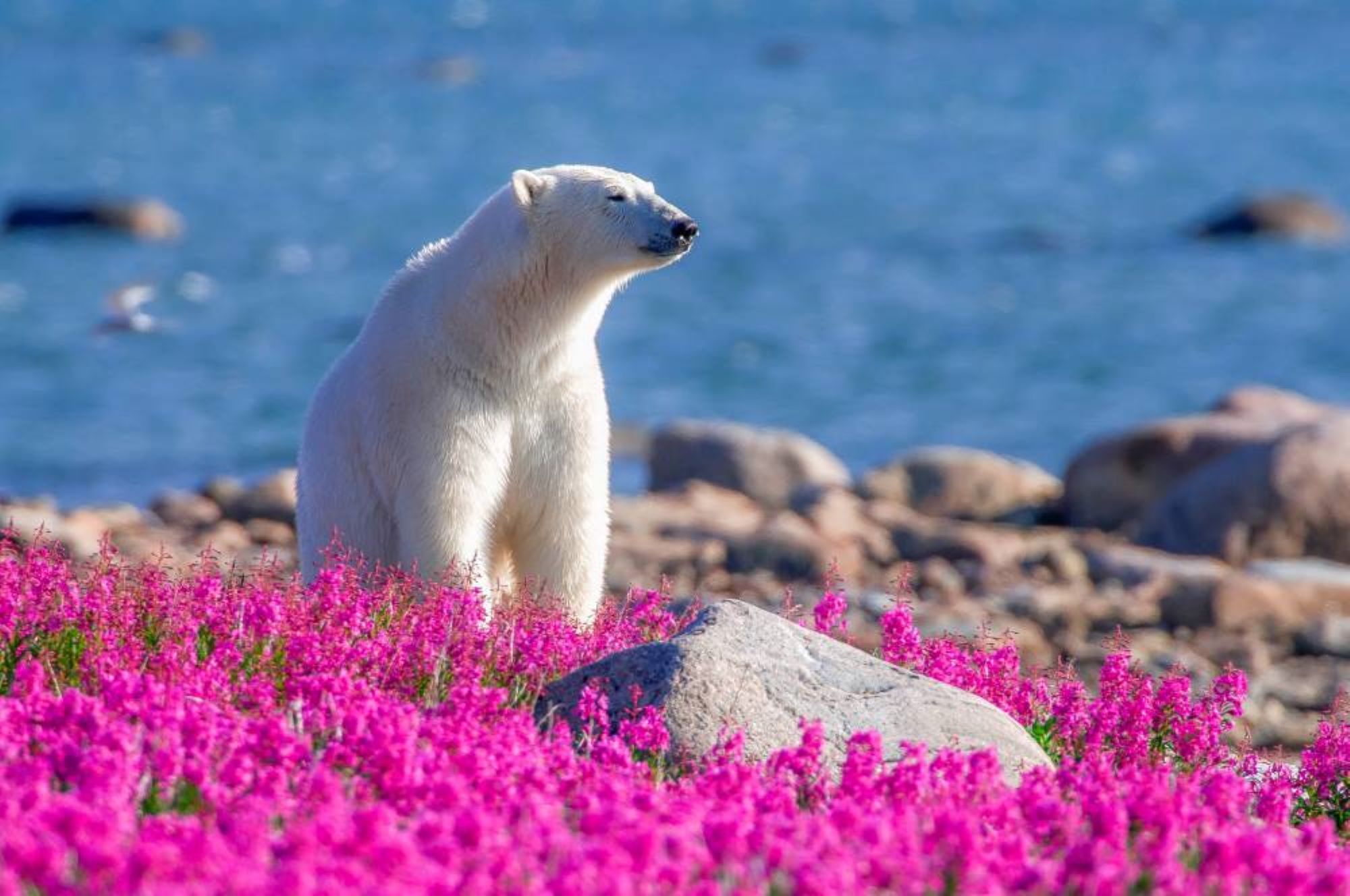
Summer in Hudson Bay | Lodge Duo Safari to see polar bears and the Northern Lights
22.466 €
Autumn in the Arctic | Lodge safari to see polar bears and the Northern Lights
14.759 €
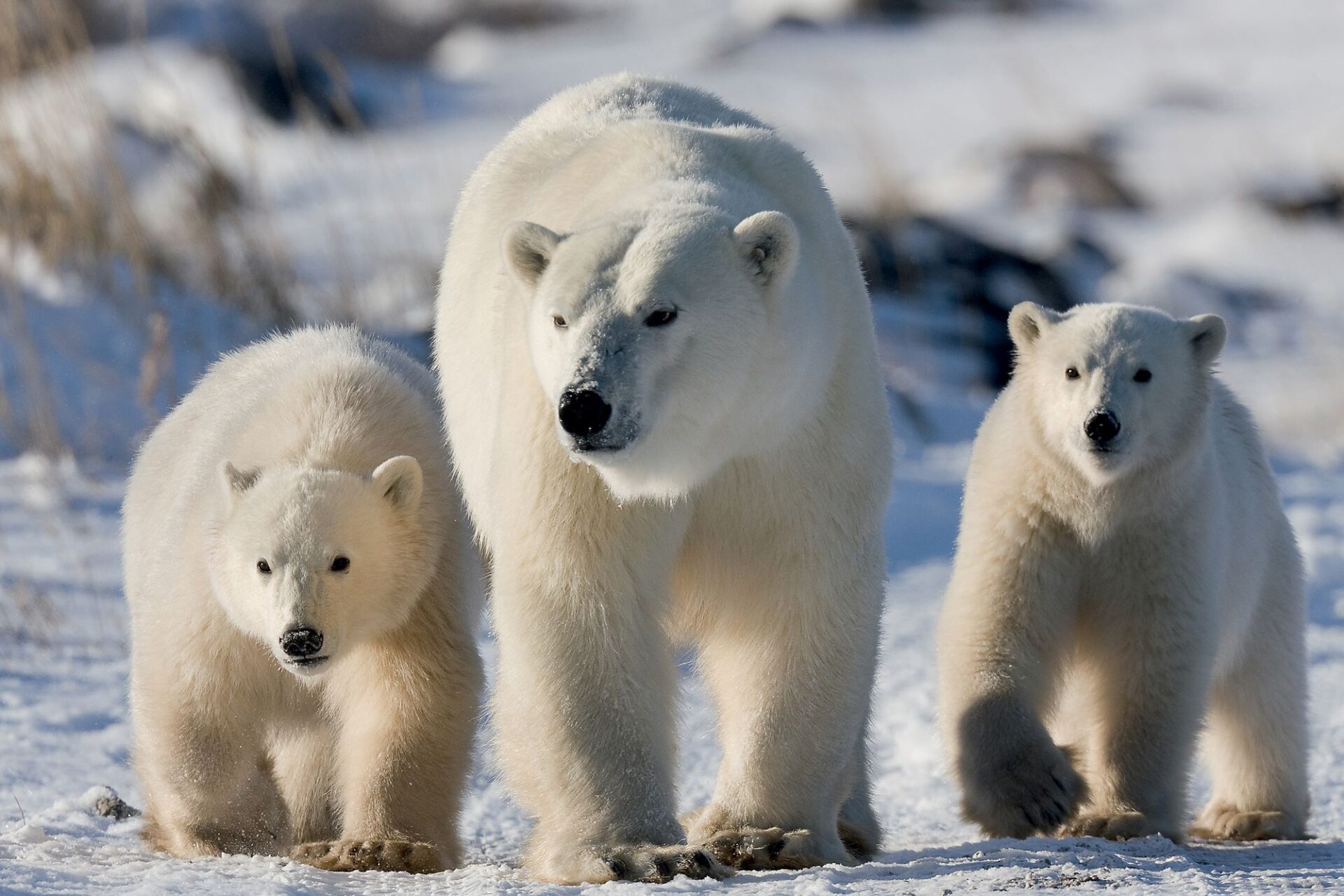
Magnificent polar bear and lodge safari on Hudson Bay
17.649 €
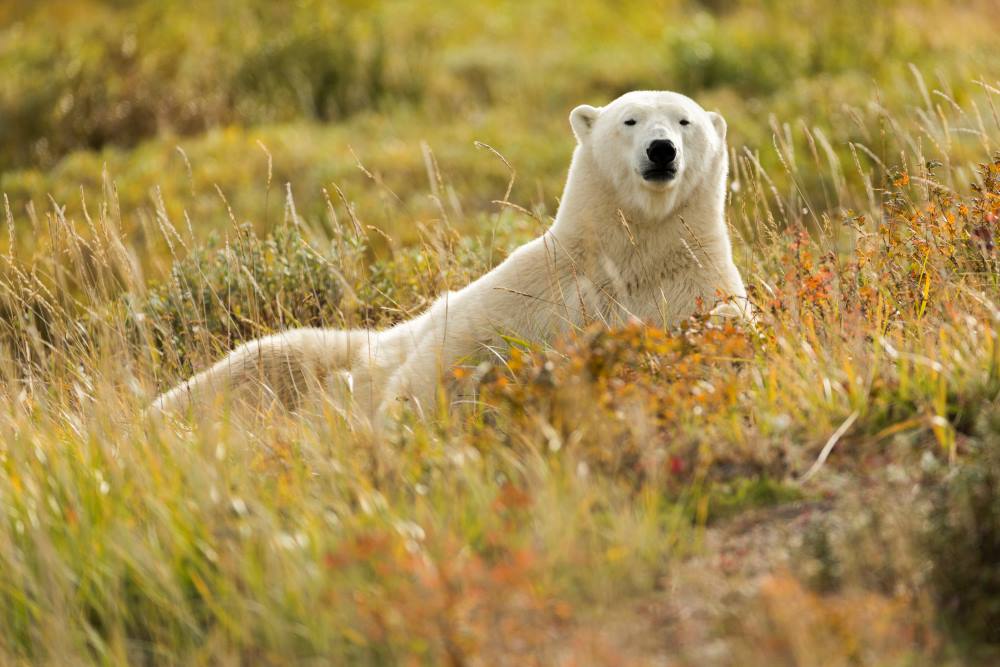
Arctic discoveries on Hudson Bay
Further articles on the Arctic
[Travel information] Your polar voyage with the MS Plancius, MS Ortelius, or MS...