Protecting polar bears: The work of Polar Bears International
Hello, dear polar pioneers,
Great to have you back! Last time, we talked about how climate change is threatening the polar bears' habitat and how conscious travel can help. Today, we'll take a closer look at the good news: there are organizations that are actively working to help the white giants of the north. Who is specifically committed to their protection—and how exactly does this commitment manifest itself? We'll find out together in a moment—just keep reading.
Polar bears are perfectly adapted to life in the Arctic—but their environment is changing rapidly. Rising temperatures and the loss of sea ice pose major challenges for these animals. The organization Polar Bears International (PBI) is addressing this very issue: through scientific research, educational initiatives, and political advocacy, it is committed to the conservation of polar bears and their habitat. Here you can find out what this work involves and how you too can become part of this important movement, whether through small or large steps.

Scientific research: Understanding in order to protect
In order to protect polar bears in the long term, we need to understand how they live—and what challenges they face as a result of climate change.
For many years, Polar Bears International has been researching the lives of polar bears in the Arctic—directly on site, sometimes under extreme conditions. The focus is particularly on the Svalbard region in Norway, where modern technology provides unique insights into the rearing of young animals—without interfering with their natural behavior.
Polar bears are born deep beneath the snow cover, in so-called den caves, which are essential for survival during the first weeks of life. Protection from wind and cold, as well as a constant temperature, prepare the young animals to survive outside in the ice later on. However, with the loss of sea ice, the places where such caves can form are also shrinking.
Polar Bears International (PBI) uses innovative technologies such as GPS satellite collars and camera traps to monitor polar bear behavior during the critical rearing phase. In Svalbard, Norway, PBI documents how polar bear mothers leave their dens and expose their cubs to the outside world for the first time. This research provides valuable insights into the timing and behavior of polar bears during birth and the first weeks of life.
Studies show that polar bear mothers have been leaving their dening areas earlier in recent years, which could jeopardize the survival of their cubs as they have less time to adapt to the harsh outdoor temperatures. In addition, the length of time polar bear families stay near their dens varies, which provides important information for the development of targeted conservation measures.
With these findings , PBI can develop targeted strategies to increase the chances of survival for polar bear mothers and their cubs.
Education as the key to greater awareness
Knowledge creates responsibility —that is why educational work is a central element of Polar Bears International (PBI)'s work.
With Tundra Connections® webcasts, PBI brings the Arctic directly into classrooms, living rooms, and onto screens worldwide. In these interactive live broadcasts, researchers report directly from their expeditions, share the latest findings, and answer questions from the audience—vividly, comprehensively, and close to the action.
Every fall, when polar bears gather near Churchill, Canada, a new season of webcasts begins—broadcast live from the animals’ natural habitat. Previous seasons are available in the archive, inviting viewers to relive special moments and fascinating encounters with the on-site team.
In 2023 alone, PBI reached over 480,000 people worldwide in this way, including many school classes in northern Canada, who were able to exchange ideas directly with the experts.
Curious? In the Tundra Connections® live webcasts, you can also virtually look over the researchers' shoulders and ask your own questions.
Promoting coexistence: Working together with local communities
When polar bears come ashore, coexistence begins. In many Arctic regions, humans and polar bears live side by side—a coexistence that is becoming increasingly challenging due to melting sea ice.
The future of polar bears depends on how we as humans coexist with them.
Polar Bears International works closely with indigenous communities, local authorities, and research institutions to enable respectful and safe coexistence. What does that mean in concrete terms?
One example comes from Churchill, the "polar bear capital" of the world. There, Polar Bears International is helping the community become the first officially certified "Polar Bear Smart Community. " Working closely with local authorities, training courses, informational materials, and practical safety measures have been developed to make people's everyday lives safer—without endangering the polar bears.
State-of-the-art technology is also being used: the "Bear-dar" system—an early warning system that combines radar and artificial intelligence to detect polar bears at an early stage before they reach settlements. This allows protective measures to be taken in good time – a milestone for the safe coexistence of humans and animals in the Arctic. If a bear is spotted in time, people can resort to proven, non-lethal means such as noise signals or signal flares – thus preventing dangerous encounters for both humans and polar bears.

Political commitment to protecting polar bears
Political decisions have a direct impact on the survival of polar bears.
For this reason, Polar Bears International (PBI) is committed to ensuring that political measures are taken in the best interests of polar bears. This involves not only making decision-makers aware of the urgency of protection, but also turning people into active supporters and advocates for polar bears.
Thanks to the support of PBI donors, the organization was able to participate in important international political forums in 2023, including the Arctic Circle Assembly, the meeting of Polar Bear Range States, and COP28. At these events, PBI built important networks and advocated for the protection of polar bears on a global level. The aim was not only to gather knowledge, but also to share recommendations and influence political decisions in the interests of polar bears.
PBI also provided expert commentary based on the latest scientific findings to emphasize the need to protect polar bear mothers, their cubs, and their den sites in Alaska's Arctic National Wildlife Refuge from industrial disturbance.
The Ice House in Longyearbyen: Experience local knowledge
Right in the Arctic, where the effects of climate change are particularly visible, PBI has set up a place for exchange and learning in collaboration with the Svalbard Museum: the Ice House in Longyearbyen on Svalbard. Here, visitors can learn about the world of polar bears, the challenges of sea ice loss, and concrete ways to take action. The center is open seasonally and is run by PBI field ambassadors.

Achieving more together – your opportunities to get involved
You may be wondering: What can I do myself?
The good news is that there are many ways you can get involved in protecting polar bears. Every contribution counts, whether large or small, from home or on the go. Polar Bears International offers numerous ways you can help:
Acting in a climate-friendly manner in everyday life
On the "Climate Actions from 18" page, you will find specific tips for everyday life—from nutrition to mobility—that will help you reduce your own CO₂ emissions. It's easy, step by step.
Support research and education with a donation
Your support enables long-term projects. Whether you make a one-time or regular donation, you can help shape the future of polar bears by visiting the PBI donation page.
Start your own fundraising campaign
Whether it's a birthday, company run, or school event, launching your own fundraising campaign is a creative way to raise awareness of the issue and make a real impact among your friends and colleagues.
Symbolically adopt & give the gift of joy
Adopting a polar bear is not only an original gift—it helps finance PBI's work and combines commitment with a personal gesture.
Discover more ways to help
Whether it's corporate partnerships, bequests, or online fundraising, you'll find inspiring ideas for how to provide help in your own unique way on the overview page for further support options.

If you are interested in protecting polar bears, PBI provides further information, ways to support the cause, and direct access to research and education.
Thank you for taking the time to learn more about protecting polar bears.
With polar regards,
Patricia
Head of Sustainability & Nature Positive Strategy
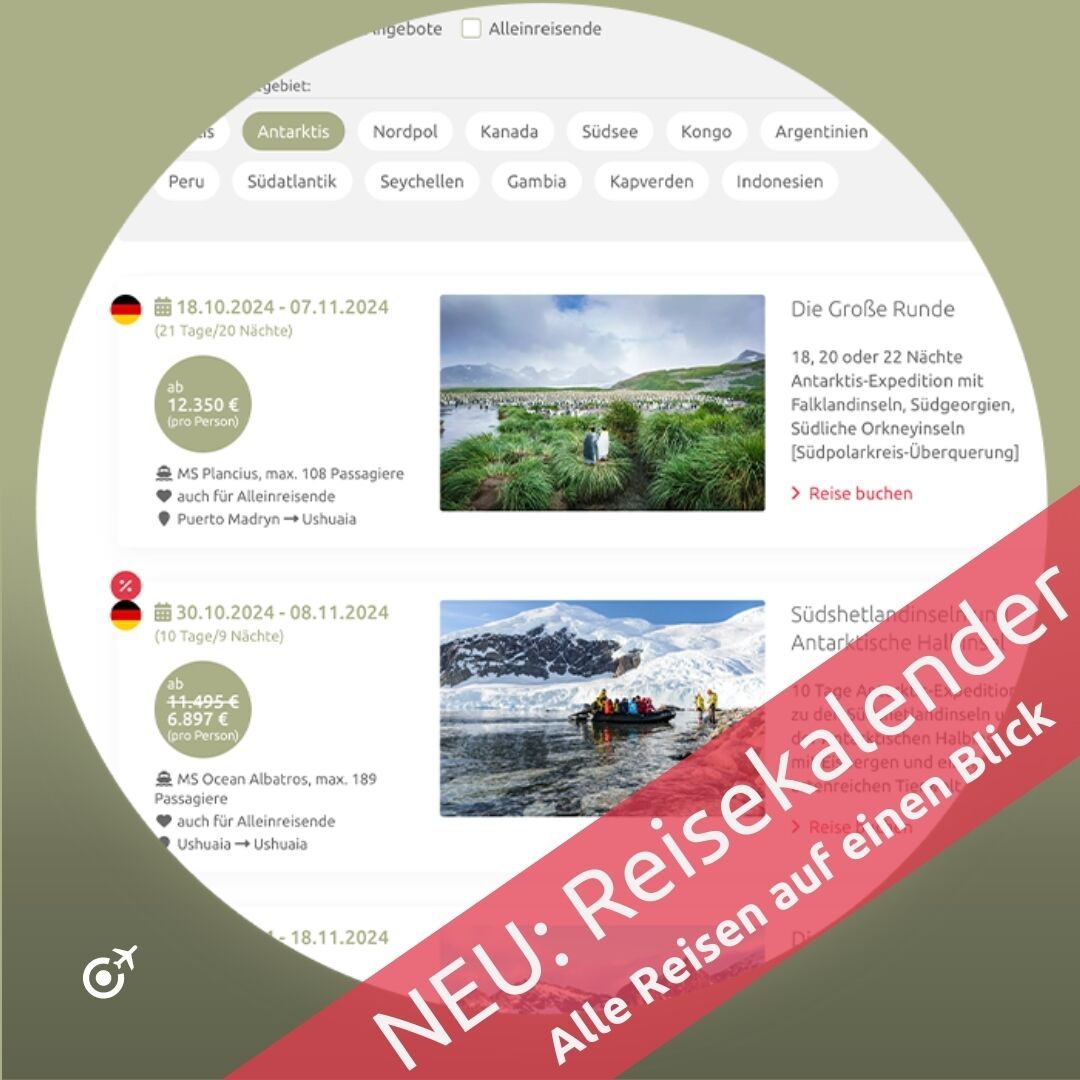
Travel finder: All Antarctic trips and offers at a glance
Browse through the calendar and find your perfect Antarctic trip

Stephanie Gräf
Owner & Founder
Since 2002, I have been personally advising clients on unique expeditions and private trips, small-ship cruises, and journeys to remote regions of the world.
We'd be happy to discuss your trip with you in person.
Why not contact me right now at Phone: +49 201 85890960 or email welcome@inventia.de.
Or schedule a free, no-obligation one-on-one phone call (also via WhatsApp or Wi-Fi), a Teams or Zoom meeting here—even in the evenings or on weekends:

Are you interested in Antarctica but don't know where to start?
Our FREE Antarctic Mini-Guide sheds light on the ice.
Are you interested in Antarctica but don't know where to start?
Our FREE Antarctic Mini-Guide sheds light on the ice.
Newsletter: Travel beyond the ordinary
Stay in touch with us and receive our latest travel ideas on a regular basis.
Shall we stay in touch?
Travel with the opportunity to see polar bears
19.122 €

The Northwest Passage Along the Inuit Waterways
22.495 €

Franklin's Trail Through the Ice Labyrinth of the Northwest Passage
19.813 €
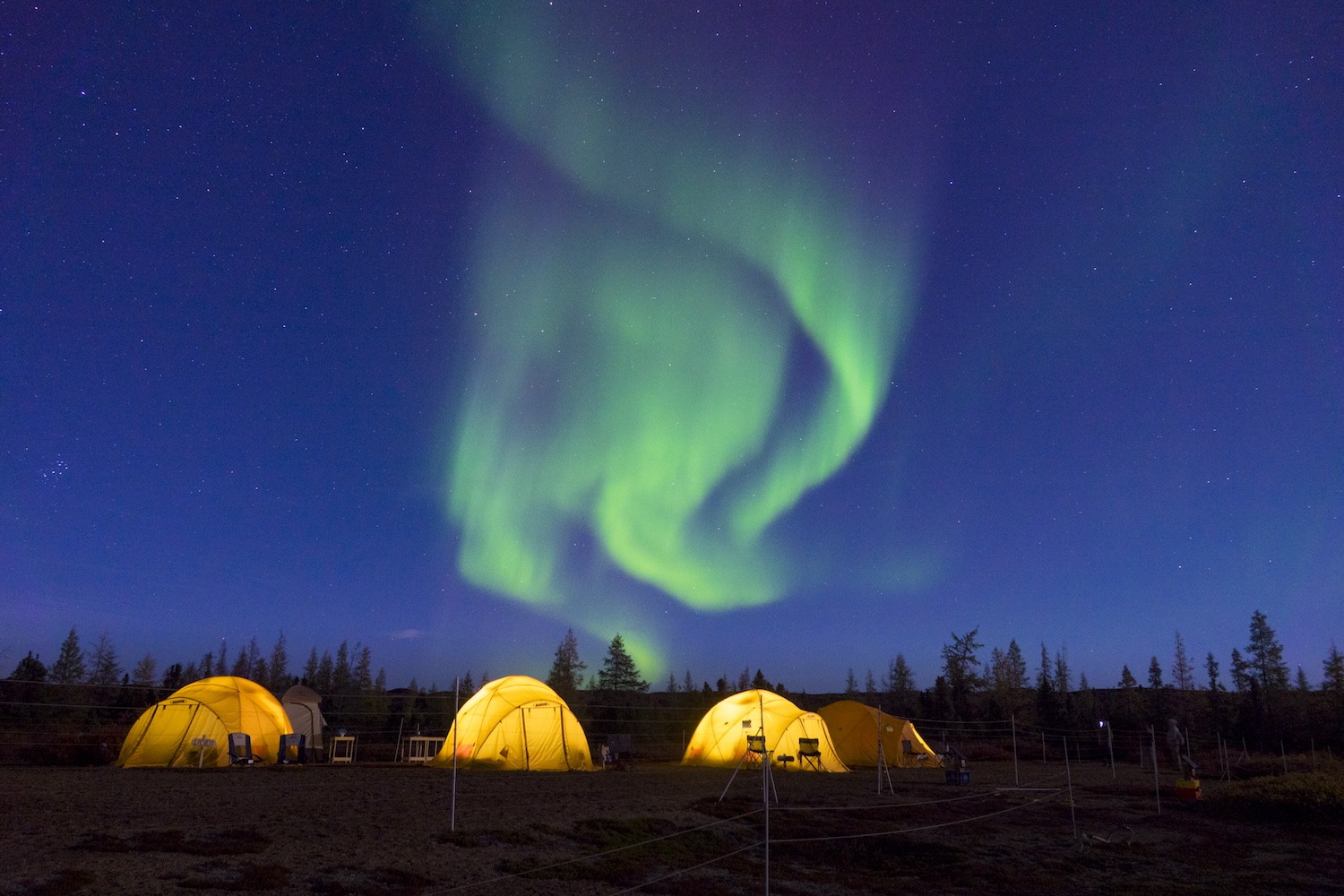
Arctic Polar Bear Safari & Northern Lights
7.550 €

Spitsbergen – Northeast Greenland – Iceland: Northern lights, Inuit, and long hikes |...
7.550 €

Northeast Greenland Extreme

Fly & Sail East Greenland's majestic fjords & glaciers | SY Rembrandt...
14.999 €

Polar bear photo safari in Hudson Bay
15.481 €

Arctic secrets on Hudson Bay
22.787 €
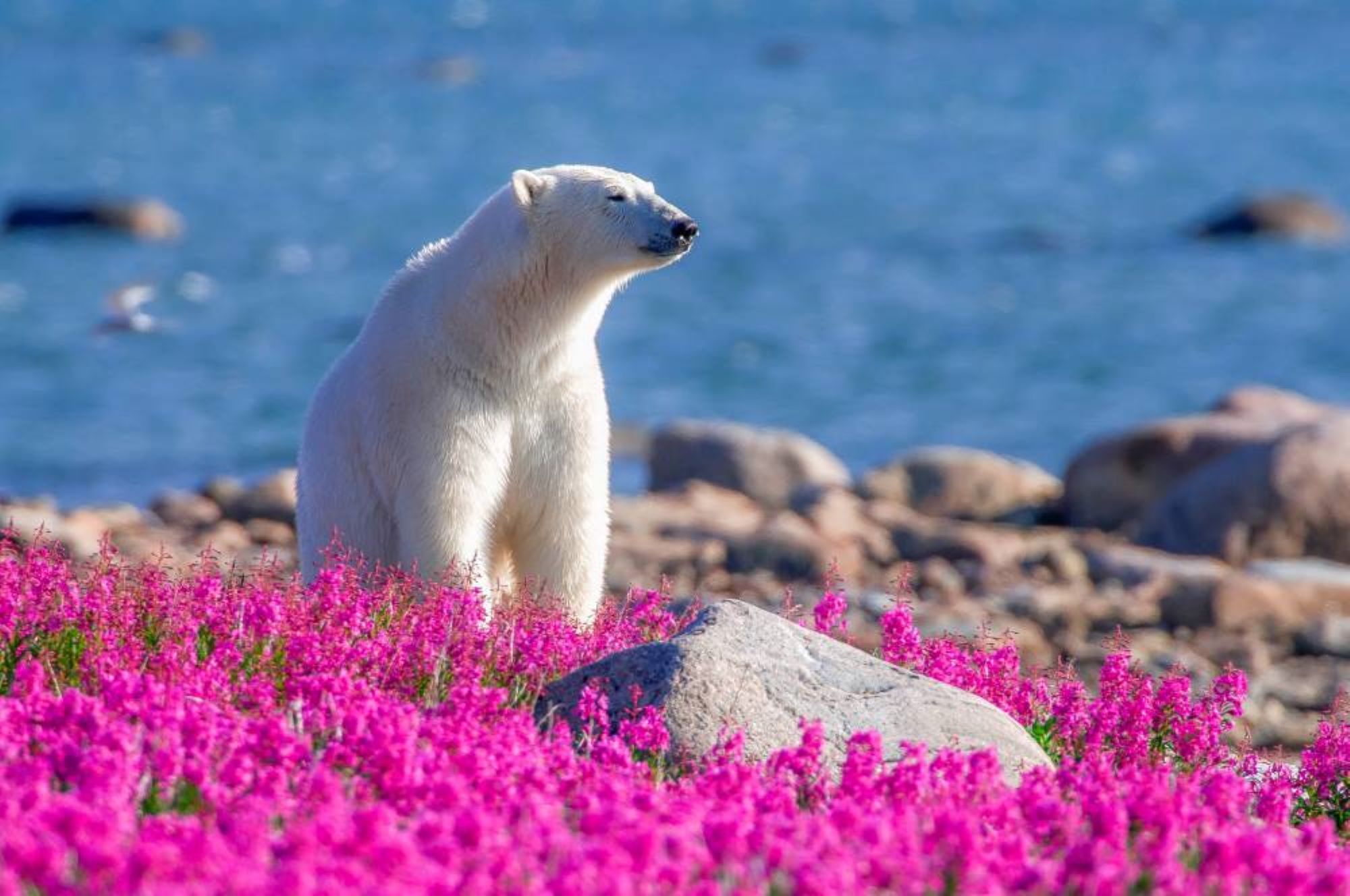
Summer in Hudson Bay | Lodge Duo Safari to see polar bears and the Northern Lights
22.466 €

Autumn in the Arctic | Lodge safari to see polar bears and the Northern Lights
14.759 €
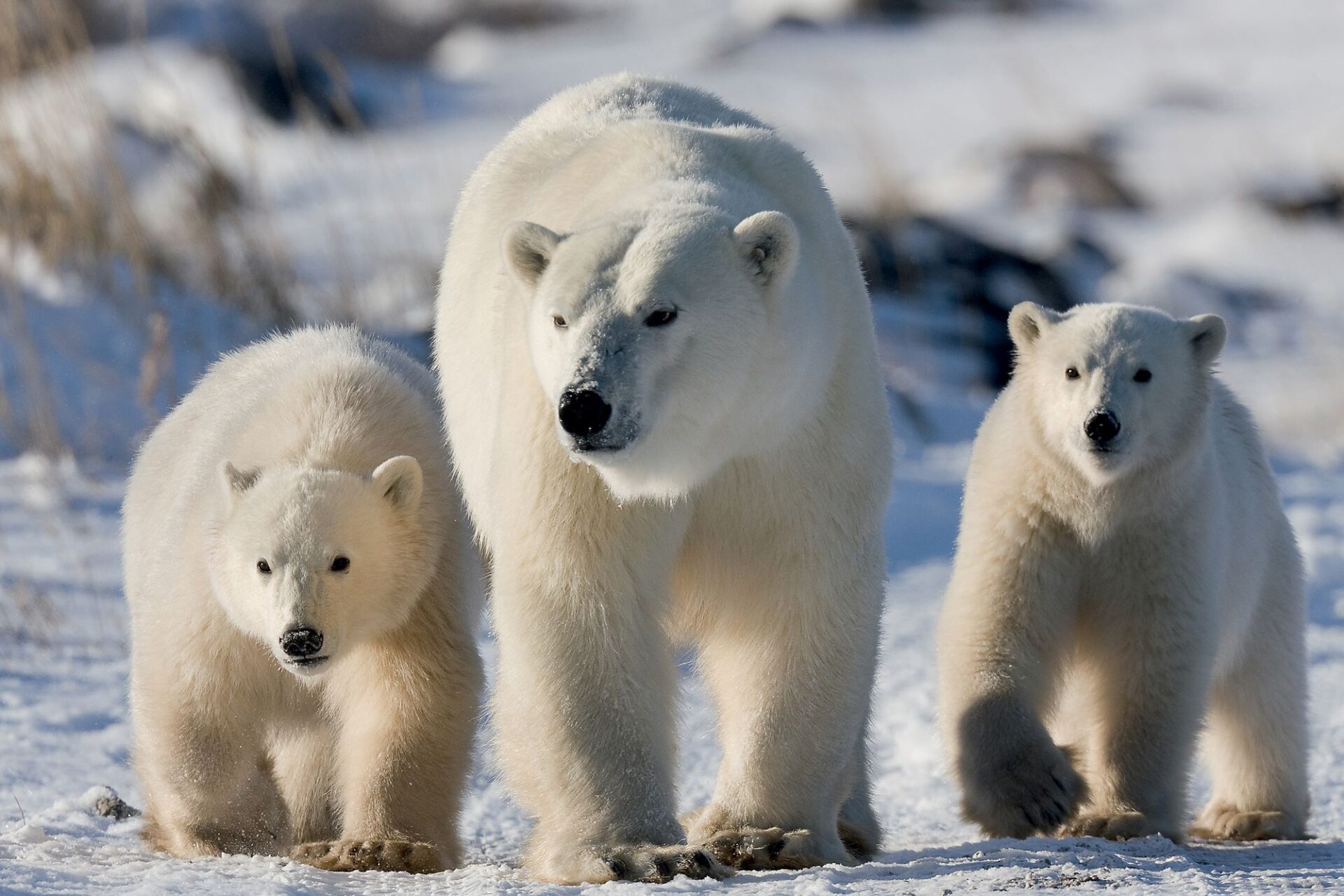
Magnificent polar bear and lodge safari on Hudson Bay
17.649 €
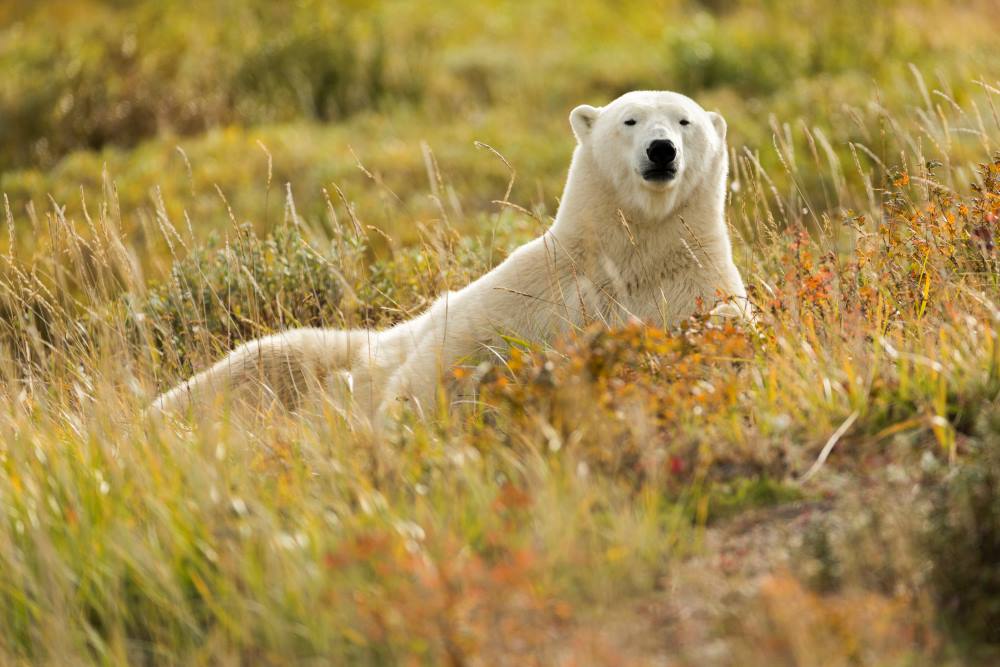
Arctic discoveries on Hudson Bay
Further articles on the Arctic
Encountering polar bears: Searching for traces in Canada, Spitsbergen, and Greenland
How climate change threatens polar bears and how conscious travel can help

Responsible travel: A guide for travelers in the Arctic
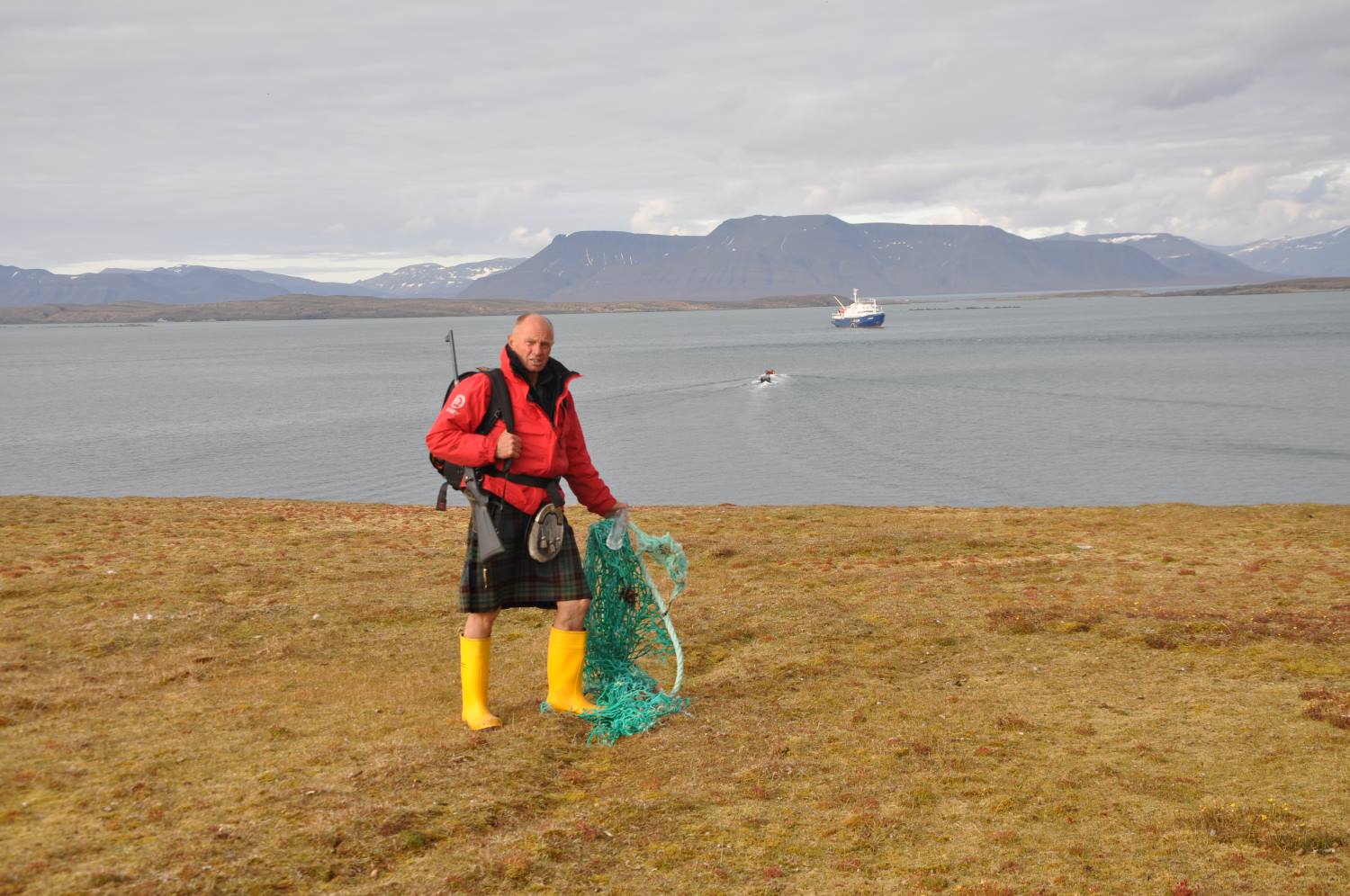
Clean Up Svalbard – Working together for a clean Arctic
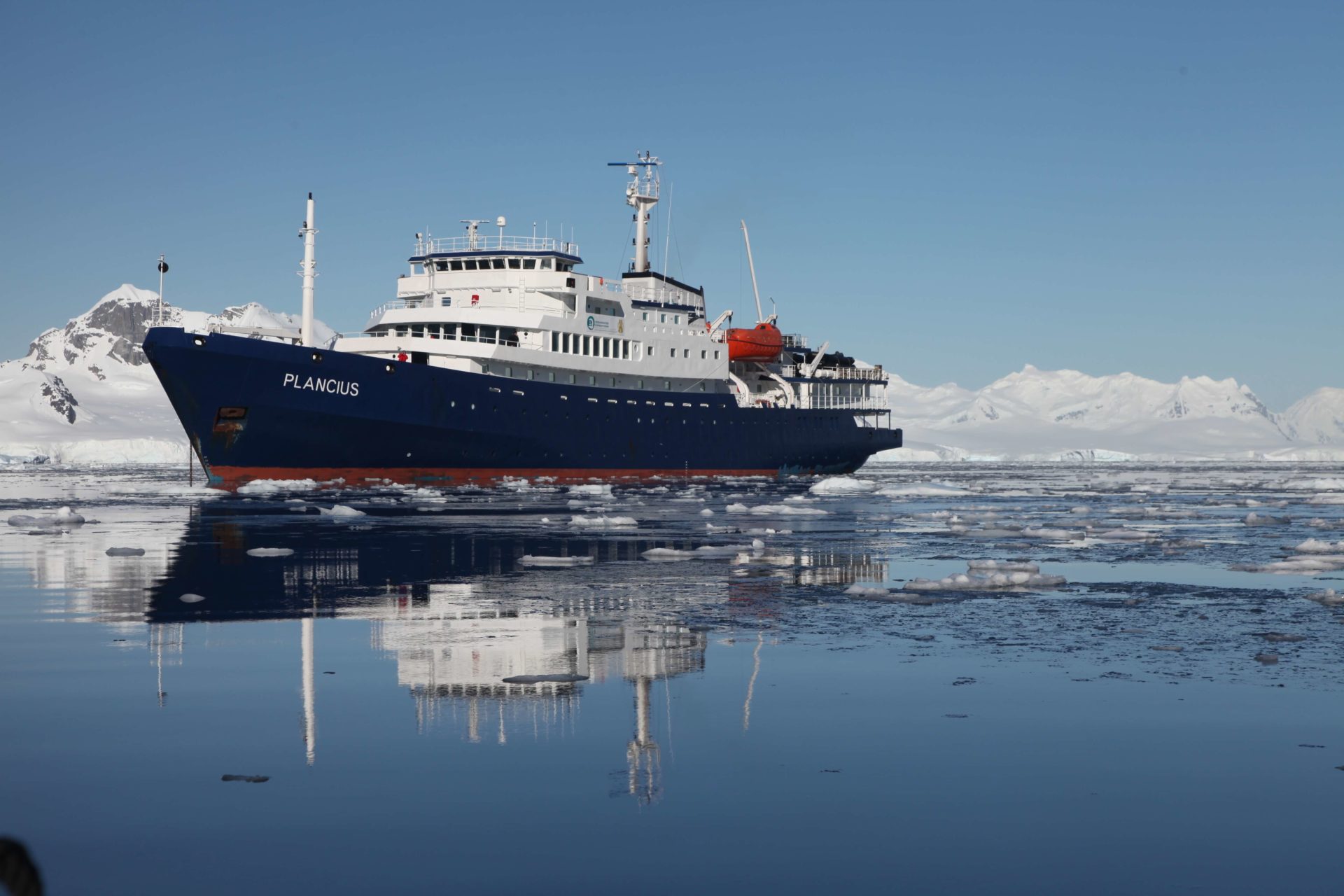
[Travel information] Your polar voyage with the MS Plancius, MS Ortelius, or MS...