

South Georgia – the Serengeti of Antarctica
Pearl of the South Atlantic
[also: South Georgia]Please do not confuse the remote island archipelago of South Georgia with the beautiful country of Georgia in the Caucasus or possibly with the US state of the same name.
South Georgia, the subject of today’s discussion, is a gem of the sub-Antarctic region. A wild and unassuming microcosm that is nonetheless teeming with life.
South Georgia Tours with the Falkland Islands & Antarctica
A combination of wildlife, scenery, and polar history
South Georgia in a nutshell
Geography
While scholars disagree about the Falkland Islands, South Georgia clearly belongs to the sub-Antarctic region. However, as the archipelago is located north of the 60th parallel south, it does not belong to the stateless Antarctic. It lies in the middle of the South Atlantic, about 2,000 km east of Ushuaia and around 1,400 km east of the Falkland Islands. The Antarctic Peninsula is about the same distance away. The South Pole is 3,677 kilometers away. South Georgia is a crescent-shaped island about 160 km long and 30 km wide, roughly the size of Mallorca.
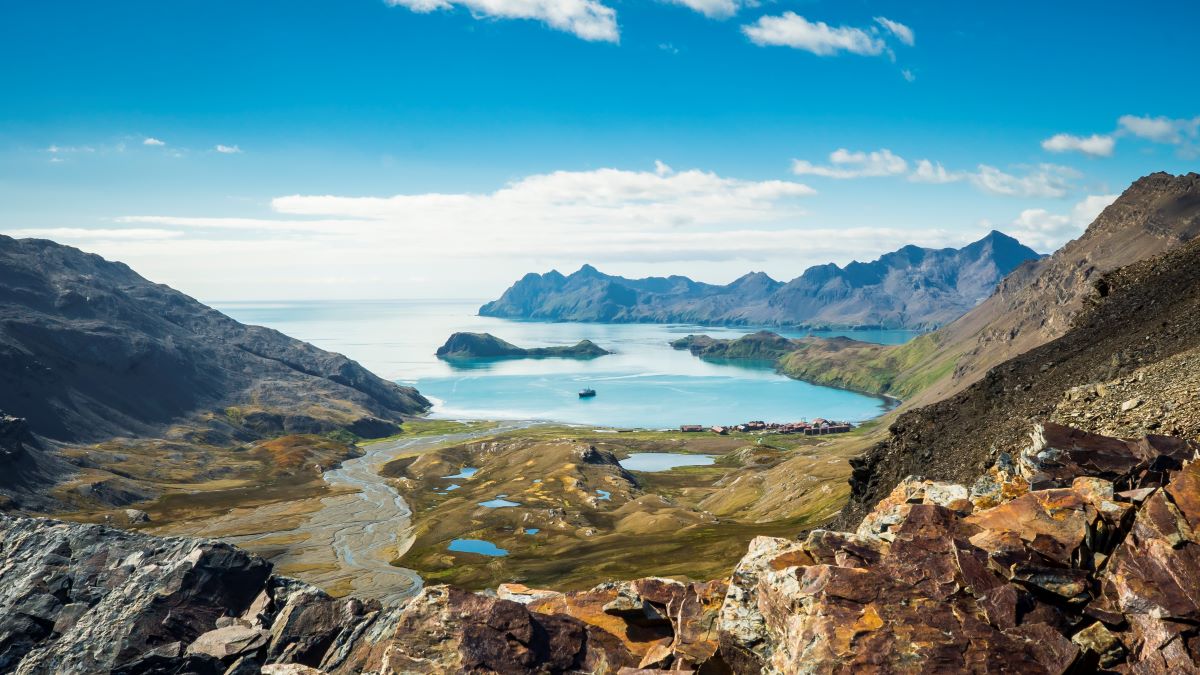
Pure wilderness, rugged mountains, and around 160 glaciers stretching into the sea define the picturesque landscape. Mount Paget, at 2,935 meters, is the highest peak in the area. The mighty glacial streams flow from the ice-covered mountain range into the numerous fjords and bays. Extensive snowfields, numerous rivers, and waterfalls define the landscape. Icebergs drifting off the coast from Antarctica contribute to the impressive natural spectacle.
In summer, around three quarters of the island is covered in glaciers, while in winter the snow cover reaches the shore. Despite the ice and snow, the island is quite green compared to Antarctica. This is partly due to the bizarre rocks, which prevent snow from sticking. There are neither trees nor shrubs, and snow usually lies from April to November, with Mount Paget covered in snow all year round. The polar tundra climate is dominated by tussock, grass that grows in tufts. Mosses and lichens also grow on this remote island in the South Atlantic.
The island lies within the Circumpolar Current, the most powerful ocean current in the world. Here, cold water from Antarctica meets the warmer waters of the Subantarctic, forming a zone of rising nutrients. Marine animals and birds thrive in these extremely nutrient-rich waters around the island.
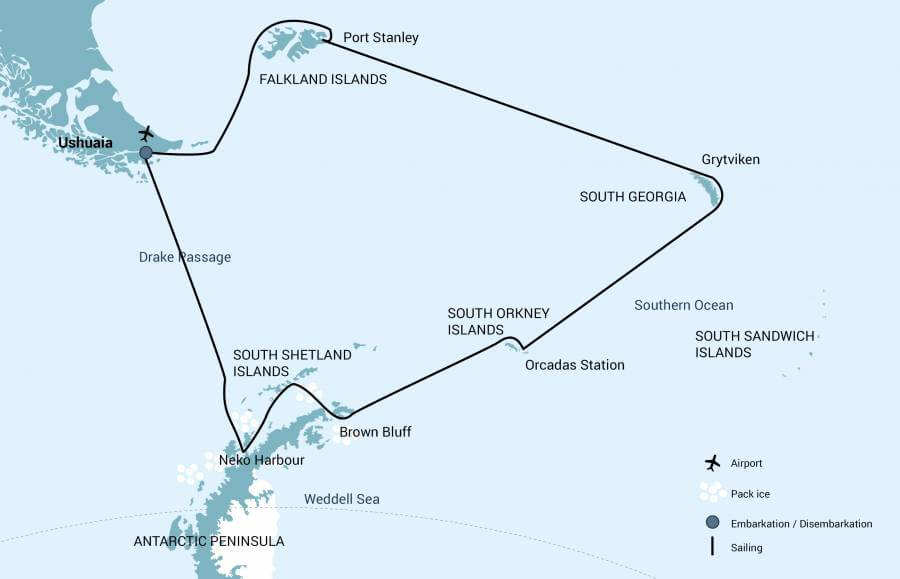
The grand expedition tour of the Falkland Islands, South Georgia, and the Antarctic Peninsula | (c) Oceanwide Expeditions
Where is South Georgia?
The map shows one of our most popular Antarctic voyages, including the Falkland Islands, South Georgia, and the Orkney Islands.
Politics and settlement
Politically speaking, the archipelago – like the Falkland Islands – belongs to Great Britain. The seat of government is located in the town of Stanley on the Falkland Islands. South Georgia is the most sparsely populated country on our planet; the island is virtually uninhabited. As a result, the inhabitants can be counted on one hand – two government officials with their partners and, in summer, four employees of the South Georgia Museum. In addition, there are around 25 employees of the British Antarctic Survey (BAS), the British polar research program. Its stations are located at King Edward Point and on Bird Island, off the northwest coast of the island.
Famous person: Sir Ernest Shackleton
The British polar explorer (1874–1922) of Irish descent took part in four Antarctic expeditions. His focus was on crossing the Antarctic. However, his expedition ship Endurance sank in the Weddell Sea in 1915. He became famous for his incredible rescue mission: With the James Caird, the Endurance's dinghy – a replica of which can be seen in the South Georgia Museum – he and five men mastered the journey from Elephant Island to Whale Island. In 16 days, he covered around 720 nautical miles in stormy seas and then crossed the island on foot via an unknown route. After 36 hours, he reached the whaling station at Stromness via the mountains. He finally succeeded in rescuing all 22 remaining expedition members. Before another planned expedition, he died of a heart attack in Grytviken in 1922. At his wife's request, he was laid to rest here.
The best time tovis
In the southern hemisphere, spring begins in September. Temperatures rise slowly and reach values of 10°C to rarely 13°C in summer. The mild summer climate allows plants and grasses to thrive, which serve as food and nesting material for animals. The ideal time to visit the island is therefore from October to March. During these months, temperatures rise, the sun shines for about five to six hours a day, and the coasts are mostly ice-free. Despite occasional snowfall, night frosts, and rapidly changing weather, these are the best conditions.
From May to September, weather conditions are less appealing, with colder weather, rain, and snow. Daytime temperatures hover around freezing, and the sea shows occasional drift ice, although it does not usually freeze completely. The north and south coasts of the island differ climatically. The south coast is stormy, cool, and rough, while the north coast offers more pleasant weather thanks to the protection of the mountains. The bays here are calmer.

Stephanie Gräf
Owner & Founder
Since 2002, I have been personally advising clients on unique expeditions and private trips, small-ship cruises, and journeys to remote regions of the world.
We'd be happy to discuss your trip with you in person.
Why not contact me right now at Phone: +49 201 85890960 or email welcome@inventia.de.
Or schedule a free, no-obligation one-on-one phone call (also via WhatsApp or Wi-Fi), a Teams or Zoom meeting here—even in the evenings or on weekends:

Are you interested in Antarctica but don't know where to start?
Our FREE Antarctic Mini-Guide sheds light on the ice.
Are you interested in Antarctica but don't know where to start?
Our FREE Antarctic Mini-Guide sheds light on the ice.
Newsletter: Travel beyond the ordinary
Stay in touch with us and receive our latest travel ideas on a regular basis.
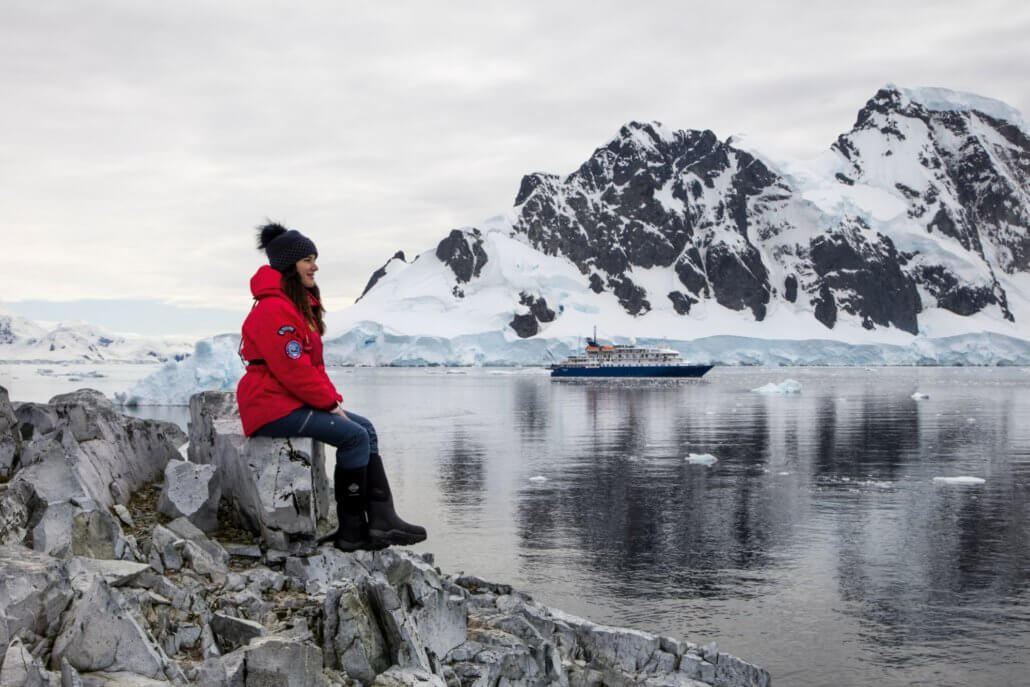
South Georgia's impressive wildlife
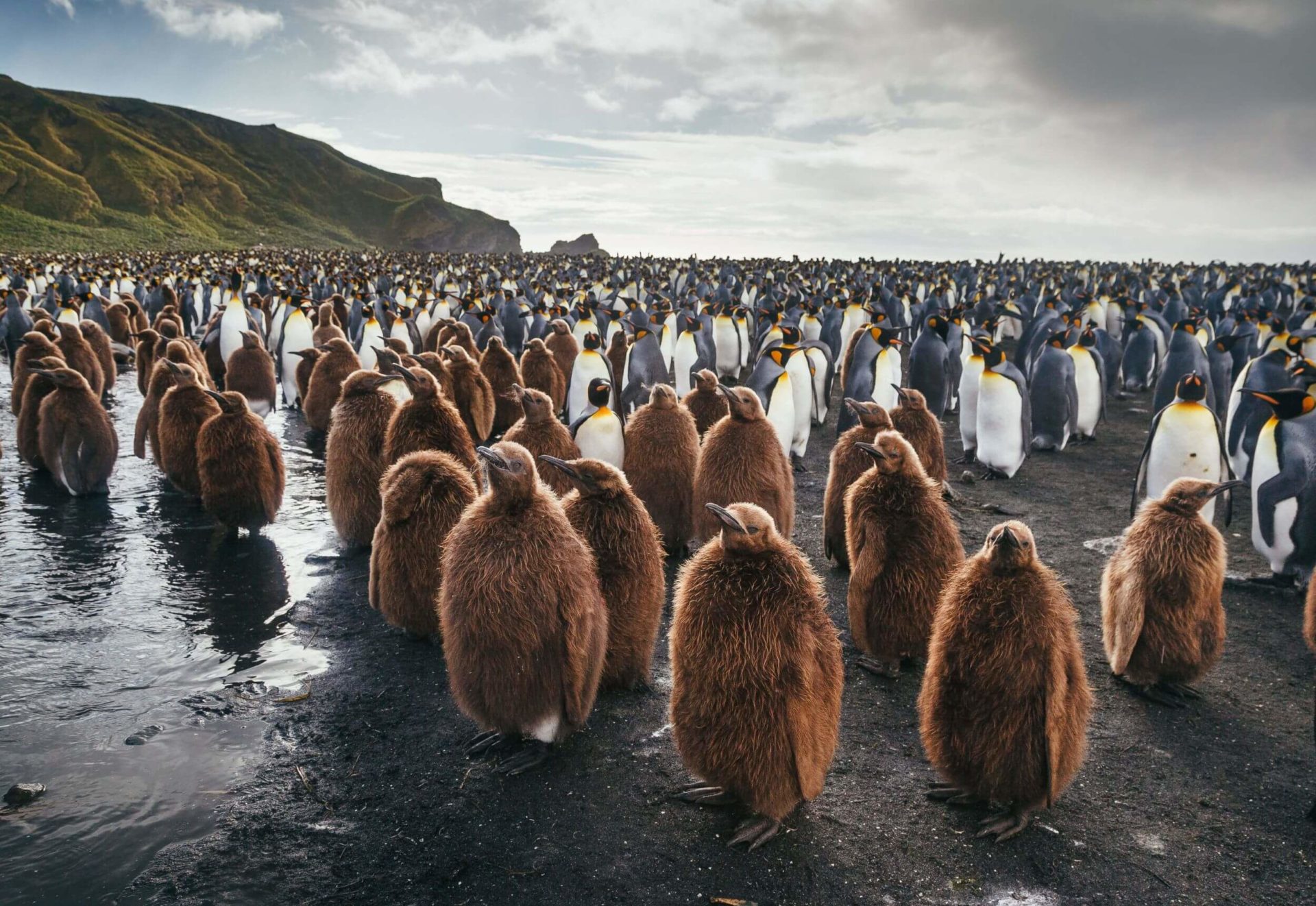
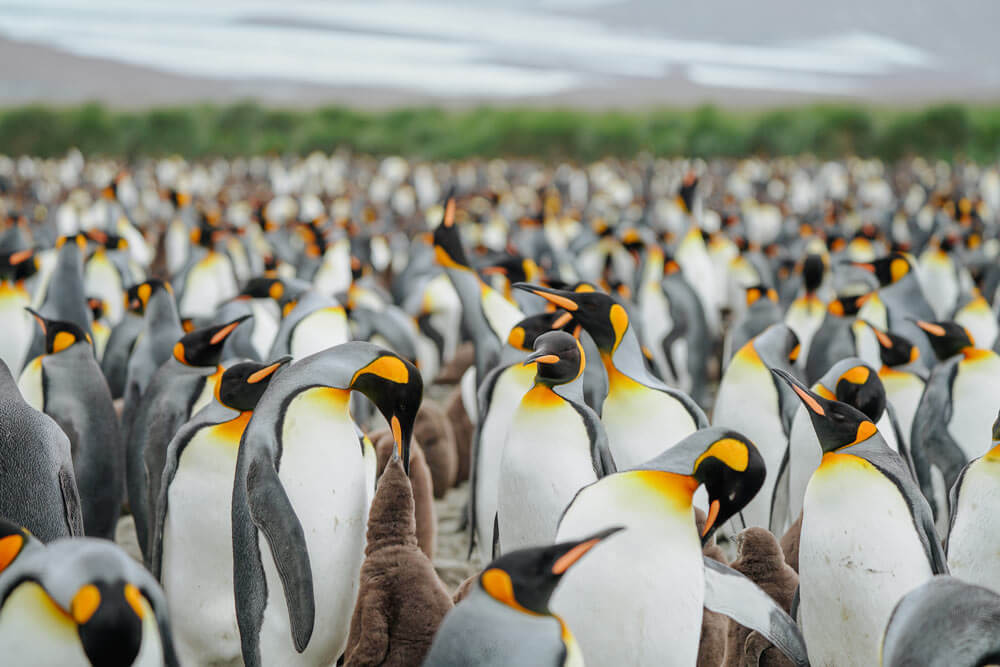
The Serengeti, a true animal paradise, is known worldwide. But have you ever wondered why we compare South Georgia, this remote island in the South Atlantic, to the Serengeti? Both places are teeming with life, rich in wildlife and breathtaking natural spectacles. Here on this island, you will encounter penguins as far as the eye can see, hundreds of thousands, perhaps even millions of them, crowded together between seals and countless seabirds.
Suddenly, one brave penguin takes the initiative and marches resolutely into the cool water, and as if on a secret signal, the others follow. Whether they dive into the water to play or hunt for fish remains a fascinating mystery as you watch these waddling creatures in their elegant black tuxedos.
Look forward to:
- King and gentoo penguins
- Seals and elephant seals
- Whales, orcas, and dolphins
- albatrosses
- seabirds
INTERESTING FACTS
Unfortunately, the abundance of animals was also known to the seal and whale hunters who wreaked havoc here and in Antarctica in the 19th century. Even today, you can pay a gruesome but impressive visit to the whaling stations in Grytviken and Dodthul. Their brutal activities led to the near extinction of some animal species.
Enormous biodiversity
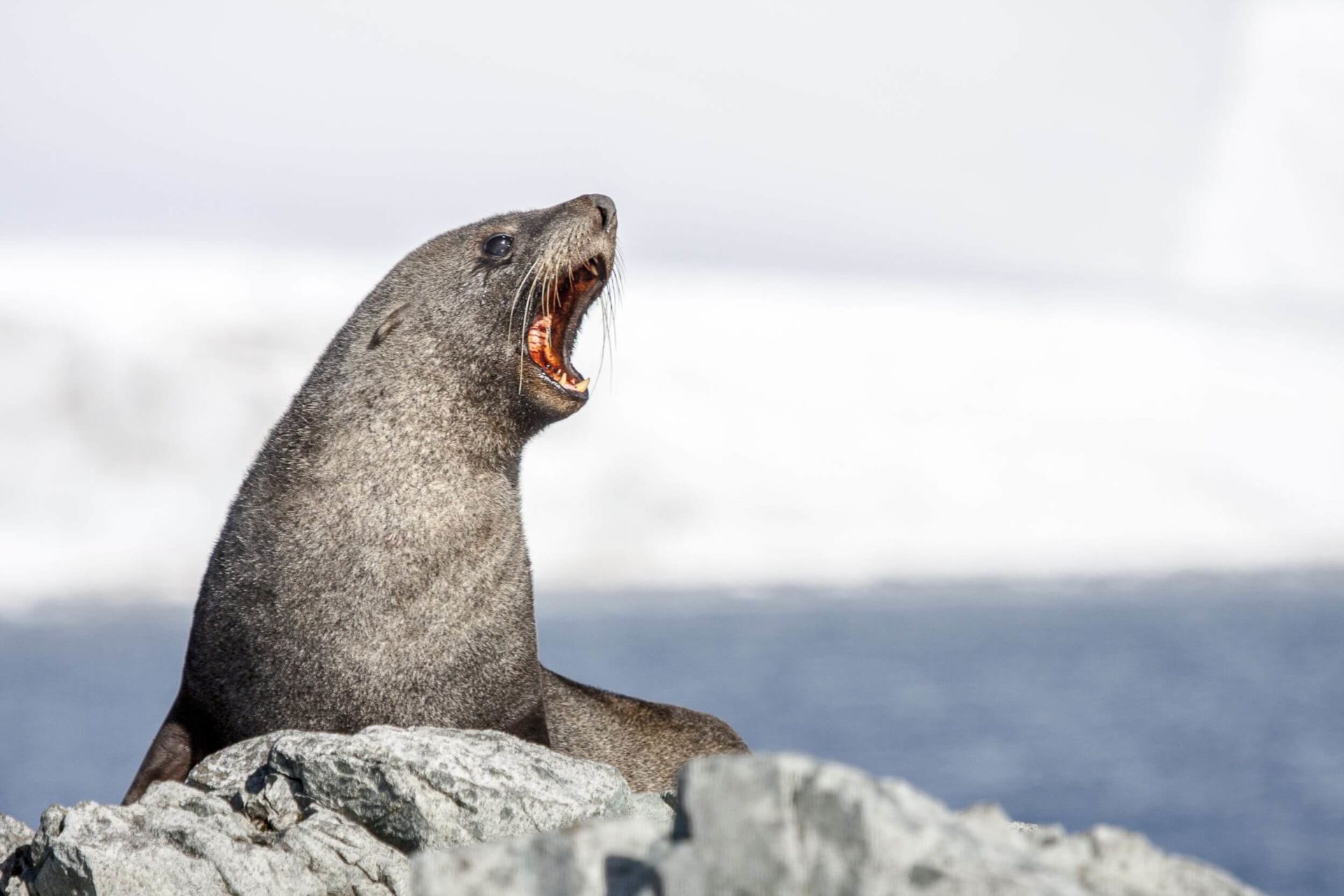
What makes this mountainous island one of the most popular destinations for landings during an Antarctic expedition is its even greater biodiversity than the Falkland Islands. Huge penguin populations share the island with elephant seals, Antarctic and sub-Antarctic fur seals, Weddell seals, leopard seals, and crabeater seals.
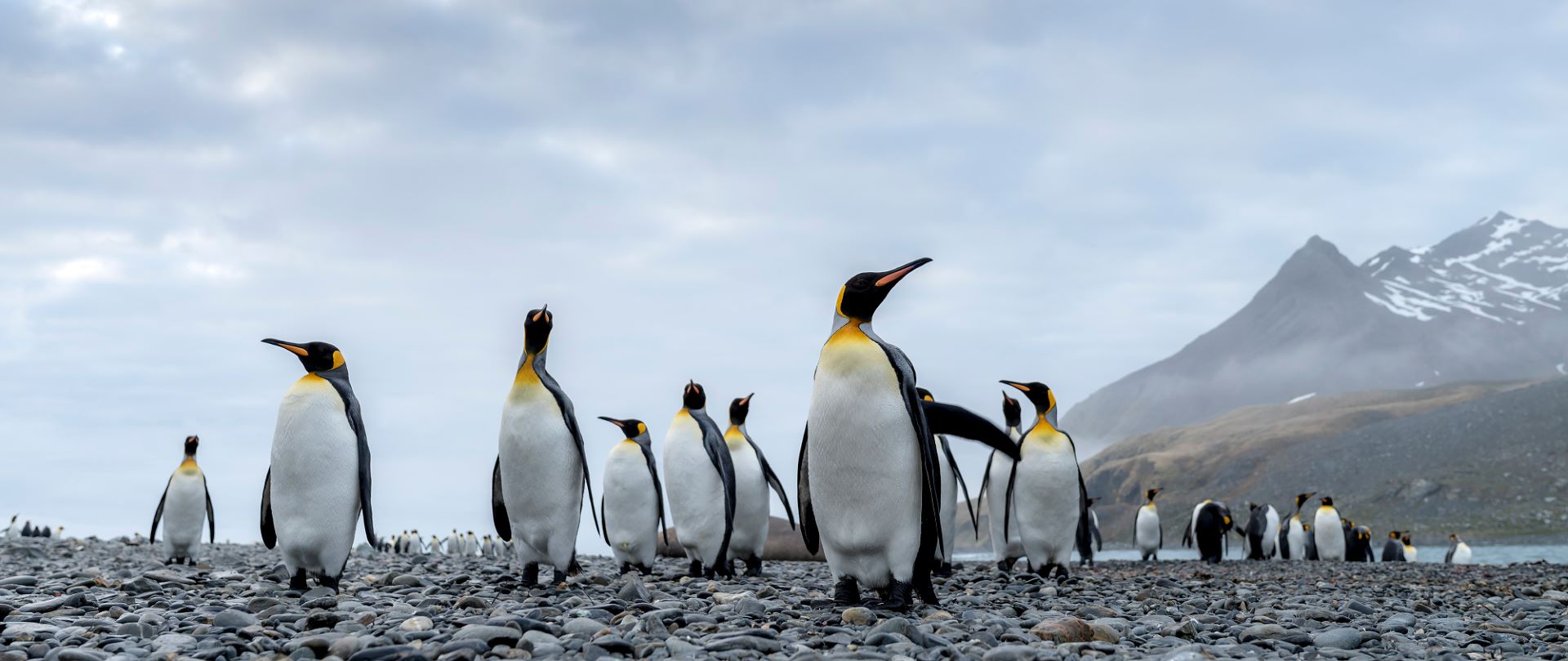
The waters around the archipelago are very rich in nutrients, and the mild climate contributes to the animals feeling extremely comfortable here. As a result, a kind of breeding center for penguins and birds has developed here. Around 450,000 breeding pairs of king penguins, the largest number counted worldwide, and 2 million gentoo penguins live in South Georgia. In addition, there are approximately 65 million birds such as albatrosses, dragon-like giant petrels, and numerous other seabird species. The waters around the island are also home to other impressive inhabitants: dolphins that swim playfully alongside boats, majestic whales, including humpback whales and sperm whales, that pass by on their migrations, and orcas, the skilled hunters of the sea.
Discover the incredible biodiversity of the island, which has no permanent land mammals!
itinerary
King and macaroni penguins – gigantic breeding colonies
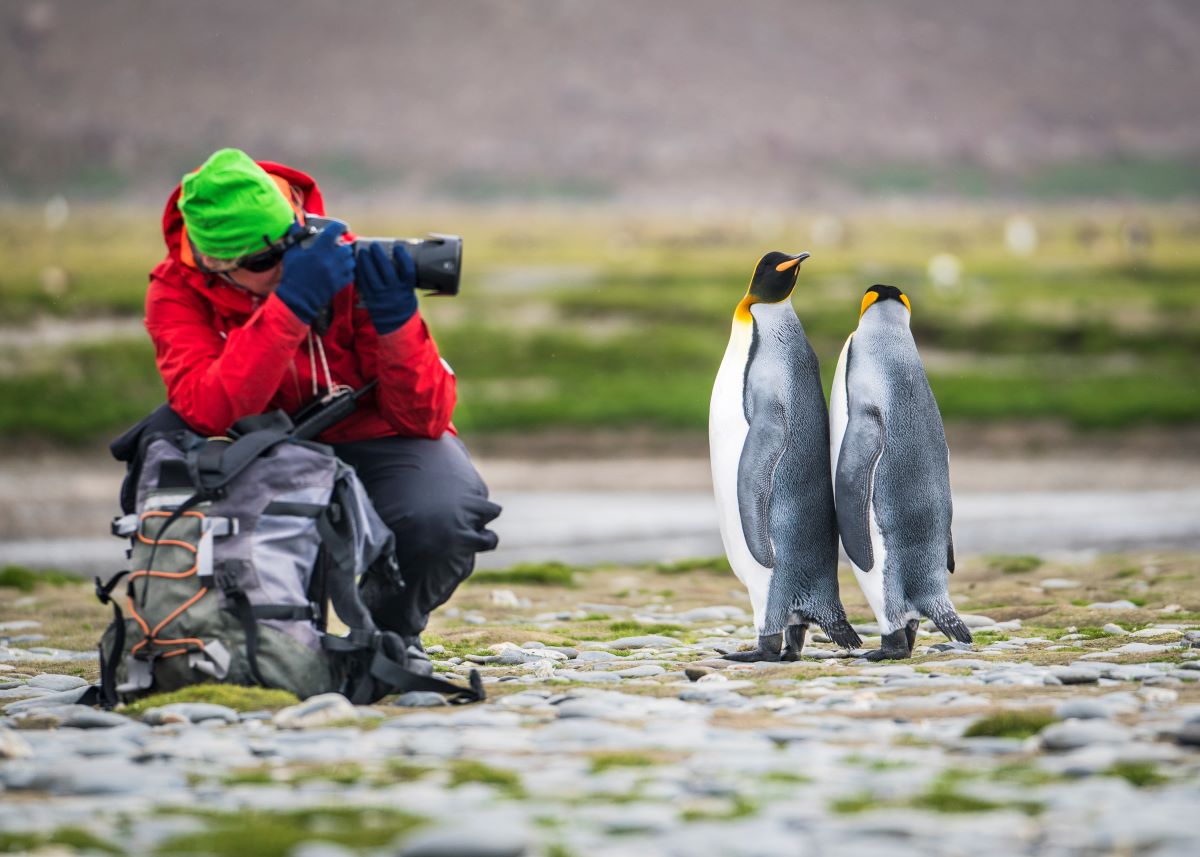
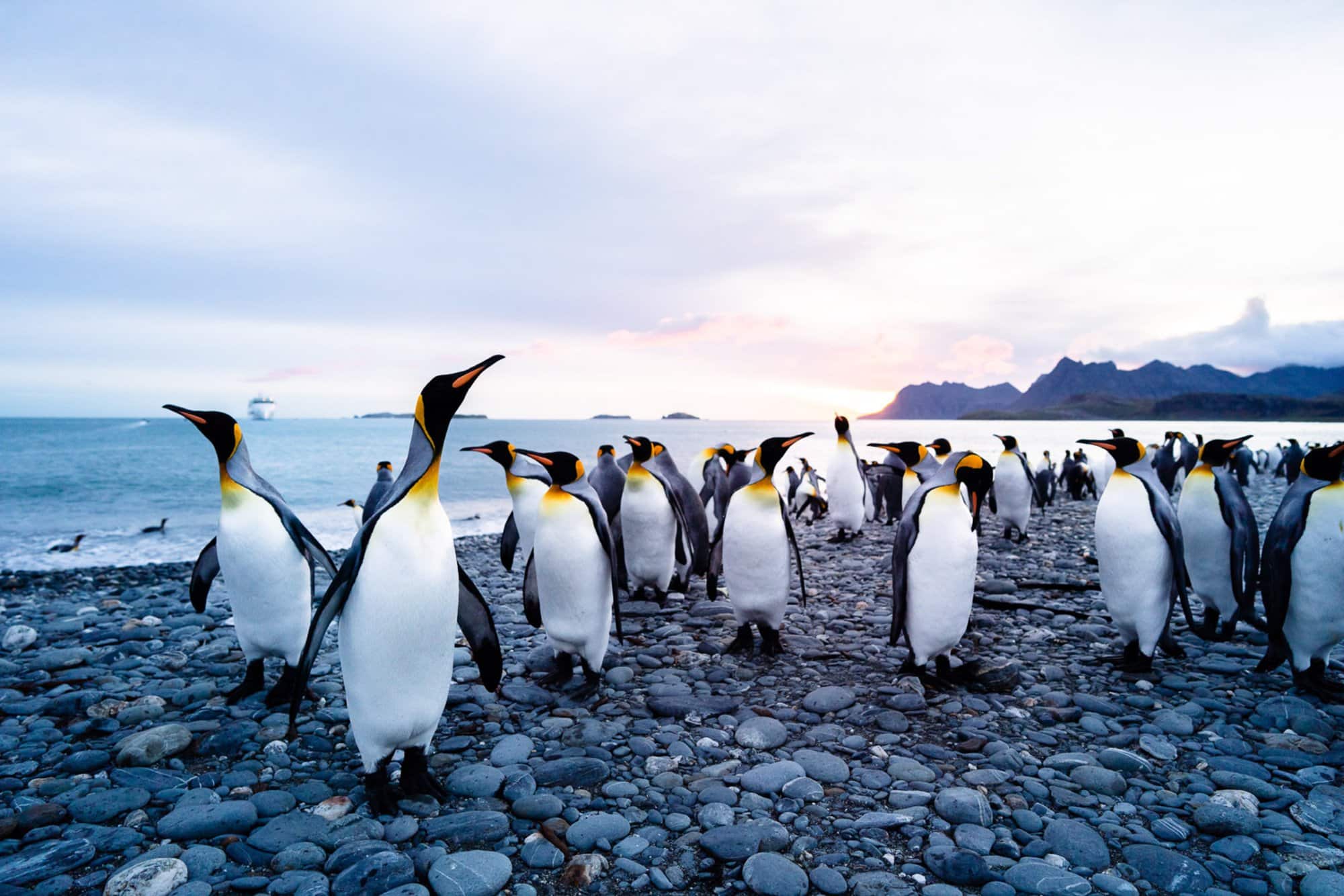
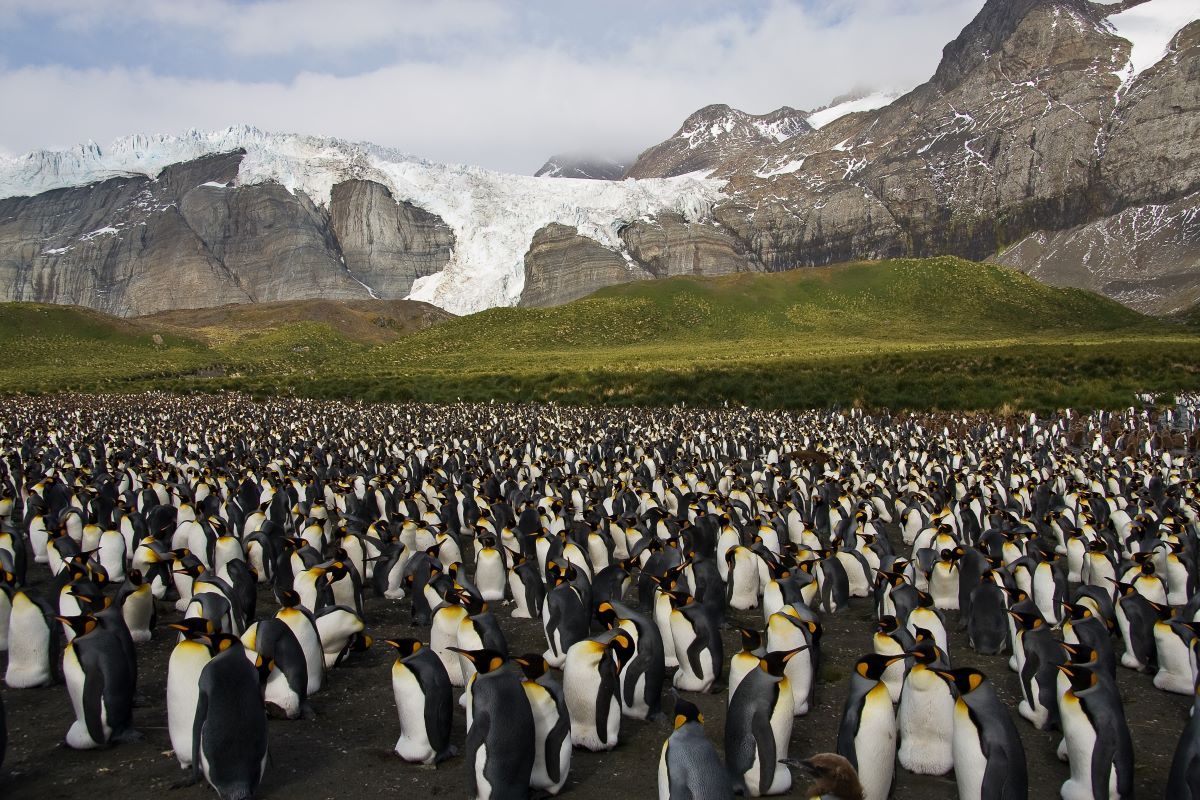
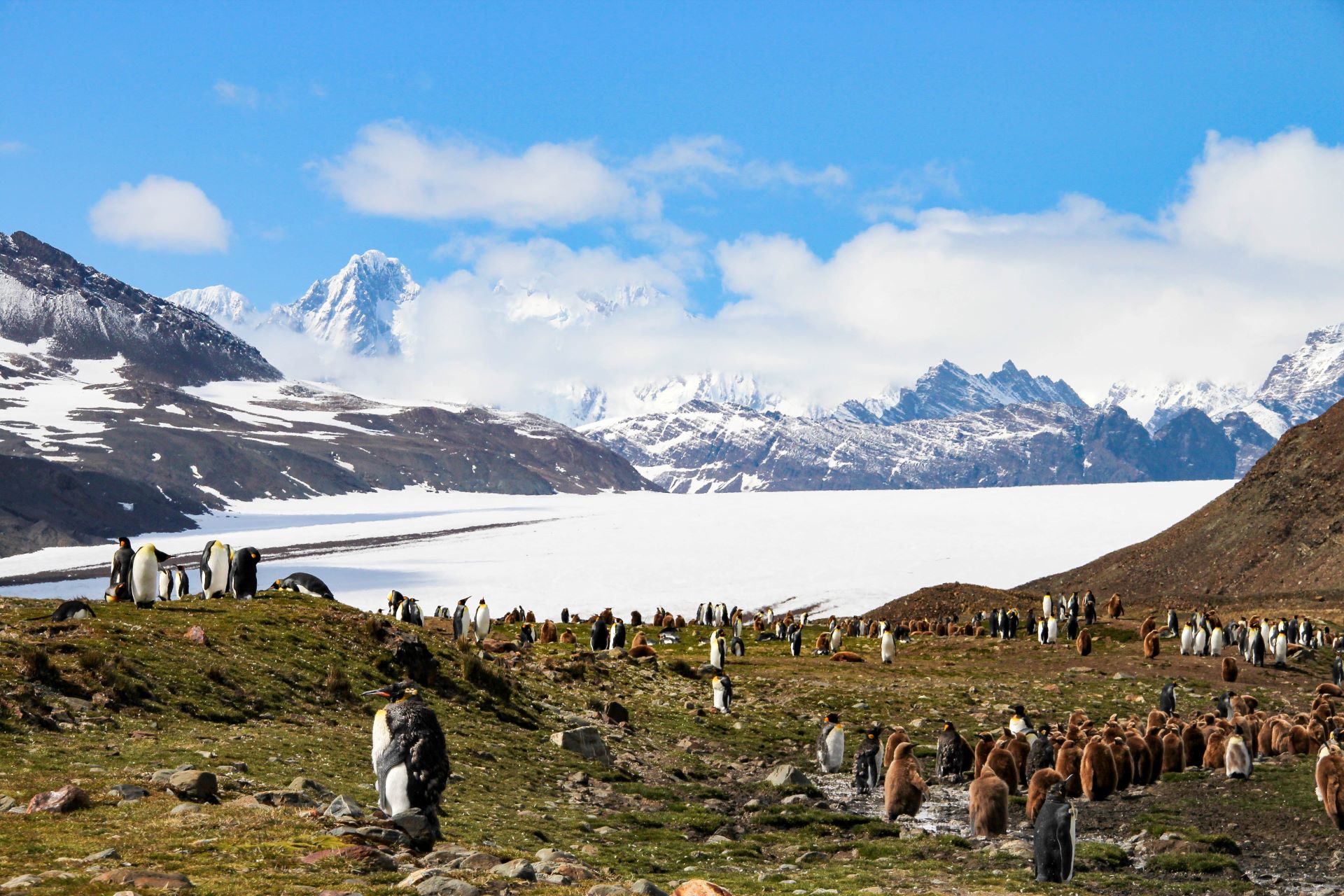
The island is one of the most important breeding grounds for king penguins. According to the Antarctic Research Trust (ART), over 400,000 breeding pairs live here. The largest and most impressive colony can be admired in St. Andrews Bay. There you can see around 200,000 of these fascinating animals. An absolute highlight that makes a trip to South Georgia unique! King penguins belong to the genus of large penguins and are the second largest penguin species after emperor penguins. Adult king penguins reach a height of between 85 and 95 centimeters.

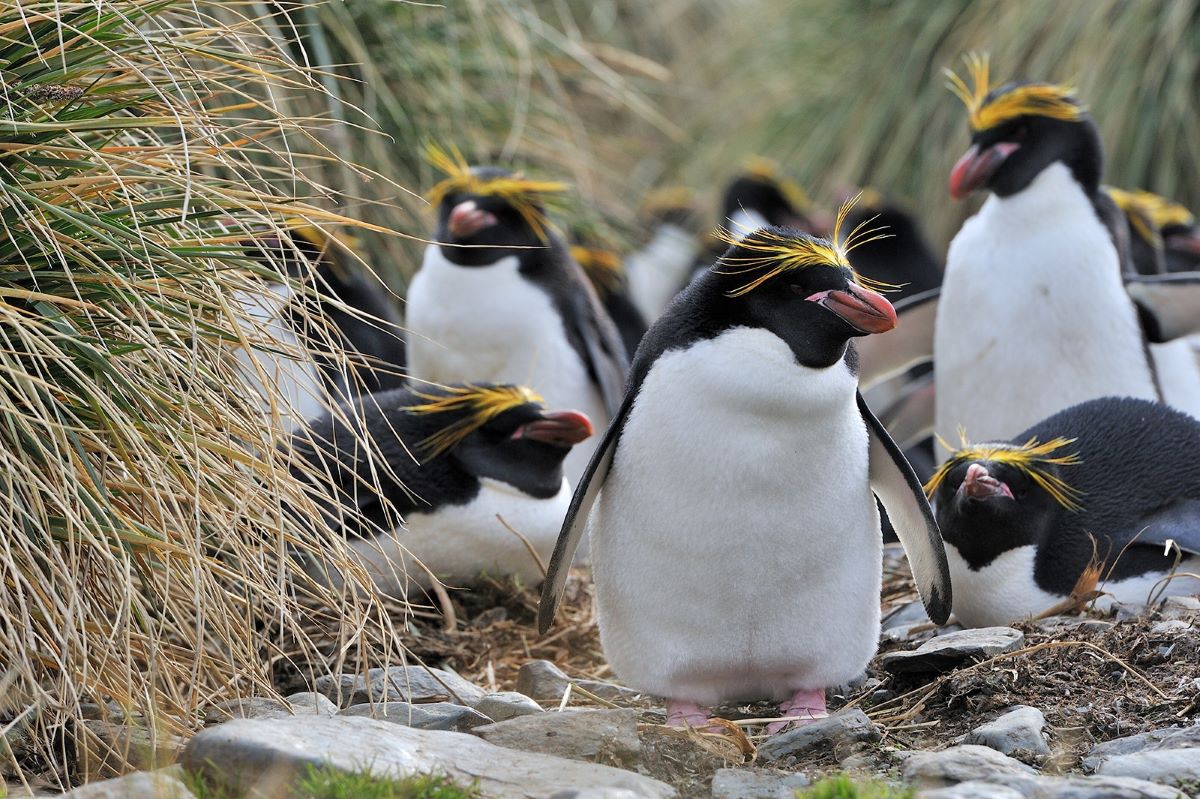
At around 71 centimeters tall, macaroni penguins are slightly smaller than other species. They are the most common penguin species worldwide. The long golden tufts of feathers above their eyes resemble Italian macaroni, which is why they are called macaroni penguins in English.

Seals and elephant seals – the world's largest seals
Penguins are not the only creatures that feel at home on South Polar Island. During mating season, up to 350,000 elephant seals appear on the coast. In addition, there are around two million sea lions. Popular gathering places include Saint Andrews Bay, Fortuna Bay, Salisbury Plain, and Gold Harbor.
Elephant seals, sea lions, Antarctic and sub-Antarctic fur seals, Weddell seals, leopard seals, and crabeater seals are among the seal species that live here. Elephant seals are the largest seals in the world. The males are particularly impressive, weighing up to 3.5 tons and measuring up to 6.5 meters in length. The females are somewhat more graceful, but still impressive.
Whales, orcas, and dolphins
Until the mid-19th century, hundreds of thousands of whales lived off the coast of South Georgia. More than 40,000 blue whales were killed here alone. Hunting the world's largest mammals has been banned since 1966. They were used as a source of fuel and food until only around 3,000 remained. Fortunately, the population is slowly recovering. However, blue whales are still considered critically endangered. In 2020, researchers from the British Antarctic Survey (BAS) spotted 55 blue whales off the coast in just 23 days. Perhaps you will be lucky when you visit the island and get some of these giant mammals in front of your camera lens.
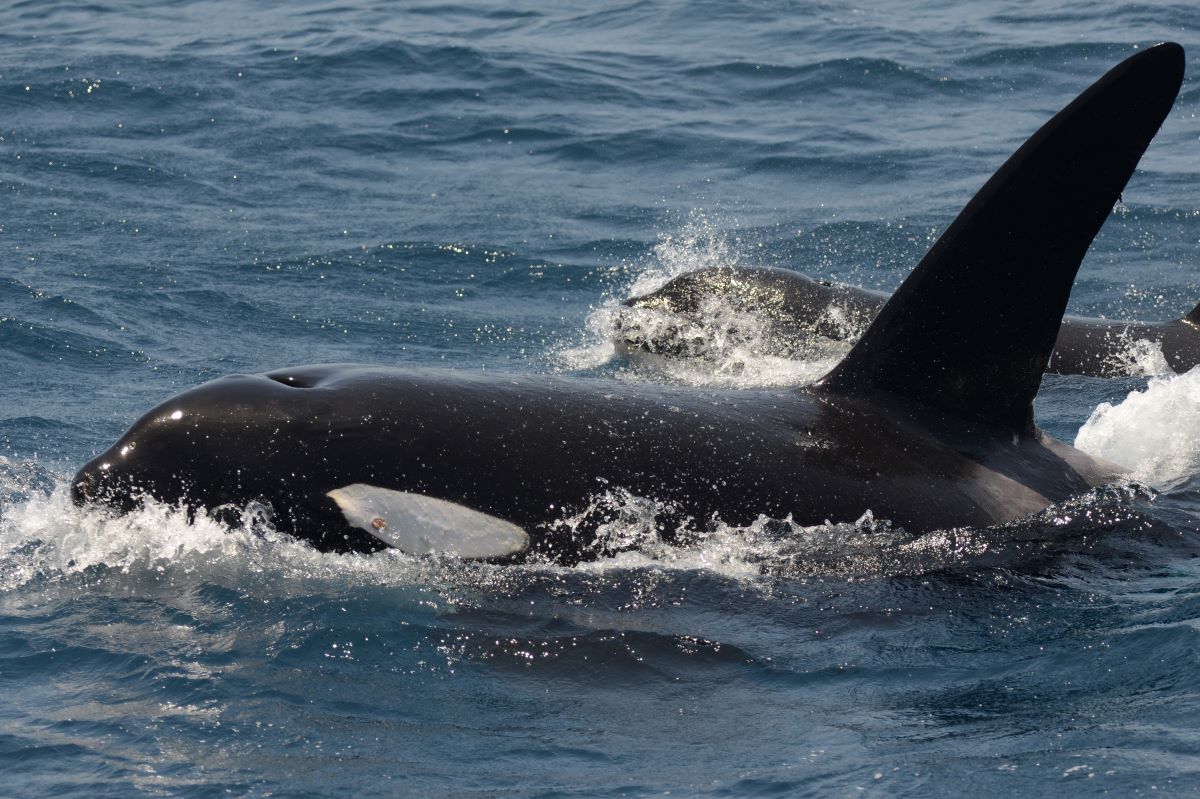
Orcas, also known as killer whales, belong to the dolphin family and are among the most widespread mammals in the world. Orcas always live in groups. They hunt seals using sophisticated strategies and can even kill blue whales. Hundreds of dolphins live in these waters. They like to accompany ships, so enjoy watching these playful marine mammals!

Albatrosses – the most impressive flying birds in the world
This natural paradise in the South Atlantic has even more superlatives to offer. The barren island is home to the world's largest flying birds – the wandering albatrosses. Their wingspan can reach up to 3.65 meters. They feed on fish, octopus, and krill. In search of food, they often glide thousands of kilometers across the sea. The world's largest breeding colony of wandering albatrosses is located on Bird Island, with additional nesting sites found on the coastal islands of Annenkov and Prion.
The albatrosses have been under observation for 50 years. In addition to wandering albatrosses, South Georgia is home to black-browed, gray-headed, and sooty albatrosses. Albatrosses seek their lifelong partners through impressive courtship rituals. Perhaps you will be lucky on your trip and see sooty albatrosses flying in duets in Gold Harbor or Cooper Bay in the Antarctic early summer.
Seabirds – birds of prey and songbirds
Bird lovers will find South Georgia a paradise. Tubenosed birds, including albatrosses and petrels, come ashore to breed. Among them are true hunters. While the snow petrel is simply beautiful to look at, giant petrels and Hall's petrels even attack seals. Most petrels dig breeding burrows and hide in them during the day. At night, they go hunting. This makes the birds difficult to spot, with the exception of the white-chinned petrel.
In addition to giant birds, smaller bird species also live in the archipelago. The South Georgia pipit is the only Antarctic songbird and is found only in South Georgia. The South Georgia pintail is mainly found on the north coast and on the offshore islands. Its preferred habitat is freshwater pools and streams. The Antarctic tern or antipodean tern likes to circle above St. Andrews Bay.
Rats and reindeer – once a huge plague
The pests introduced by humans long ago are no longer present on the archipelago. The reindeer consumed the vegetation, affecting native animals and their food sources. The rats, which had the island all to themselves, endangered the birds by eating their eggs and reducing the population by an estimated 90 percent. The authorities intervened by spreading rat poison over more than 100,000 hectares to combat the rat infestation. In addition, introduced reindeer were specifically hunted. These measures, although drastic, have resulted in the absence of rats and reindeer on the island since 2018 – for the benefit of this natural paradise.
The course of an expedition to South Georgia
Getting there – How do visitors reach the island?
South Georgia is one of the world's least visited travel destinations. Fortunately, this natural paradise has so far been spared from mass tourism. This deserted paradise for animals has no cities, roads, or airports. There is no infrastructure such as hotels or restaurants. The island can only be explored by expedition-style boat trip, as organized by inventia. Only around 6,000 travelers take advantage of this offer each year.
Animal lovers usually don't just visit South Georgia, but combine their trip to the end of the world with a visit to the Falkland Islands, the Antarctic Peninsula, and possibly other islands such as the South Orkney Islands or Elephant Island. The starting point for a visit to South Georgia is usually the southernmost city in the world, Ushuaia in Tierra del Fuego. However, we also offer expedition trips from Puerto Madryn in southern Argentina or Port Stanley in the Falkland Islands. From here, it takes about two days to reach South Georgia, where you can see its mountain range, which rises to 3,000 meters, from a distance, sometimes shrouded in fog.
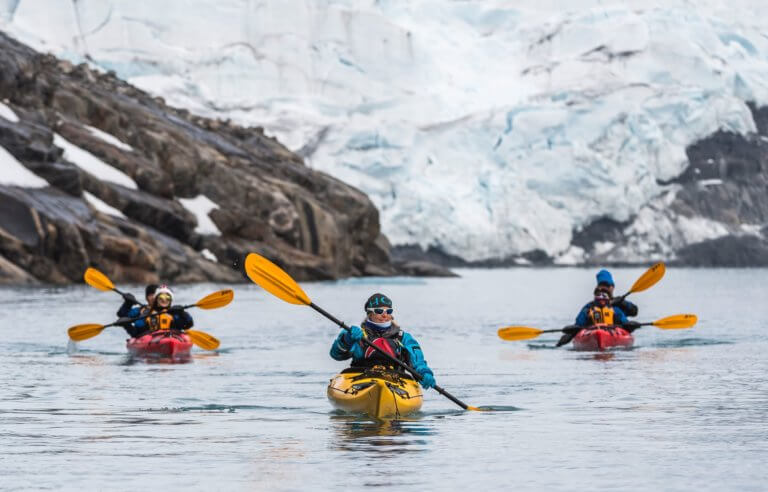
The weather in the South Georgia archipelago is unpredictable: sun, rain, and storms alternate constantly. Zodiac landings and kayak tours depend primarily on sea conditions and weather, as is the case everywhere in Antarctica. So please be flexible. The captain and expedition leader are experienced enough to assess the situation as best as possible. The safety of passengers is, of course, the top priority. However, the sheltered bays of South Georgia are generally well suited for landing. Before disembarking, however, certain protective measures must first be taken. Visitors are only allowed to enter the island with cleaned and disinfected rubber boots. All equipment must also be meticulously clean to prevent vermin from coming ashore.
Places for zodiac trips and landings in South Georgia
YOU CAN VISIT THE FOLLOWING PLACES:
• Prion Island – Wandering albatrosses
• St. Andrews Bay – largest king penguin colony
• Gold Harbor – King penguins, elephant seals, sooty albatrosses
• Salisbury Plain – King penguins
• Fortuna Bay – King penguins and seals
• Godthul – gentoo penguins, albatrosses
• Cooper Bay – Little penguins
• Drygalski Fjord – picture-perfect landscape
• Grytviken – Whaling Station, South Georgia Museum, Shackleton's Grave
• King Edward Point – Research Station
• Stromness – a listed whaling village
• Maiviken – Hike to Grytviken
Places in South Georgia
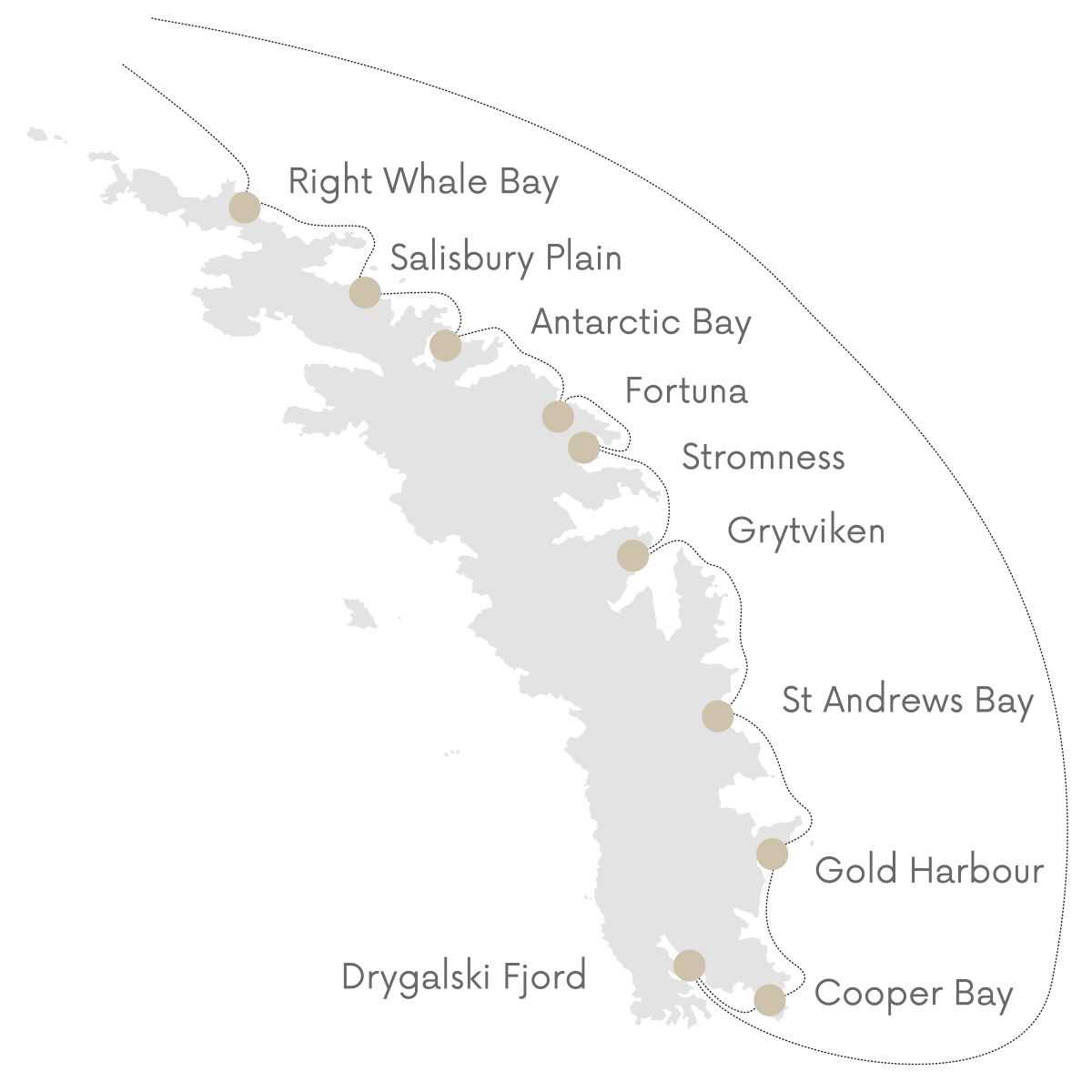
South Georgia Explorer Route | (c) Secret Atlas
Places for zodiac trips and landings in South Georgia
Landings will be made at the following destinations, weather and sea conditions permitting:
St. Andrews Bay
The bay is home to the largest king penguin colony on the island. An impressive gathering of penguins stretches as far as the eye can see. Just experiencing this natural spectacle up close is an unforgettable experience! Cuddly, well-fed seals relax among the little tuxedo-clad creatures. It is believed that British captain James Cook discovered this bay on the north coast during his expedition in 1775.
Gold Harbour
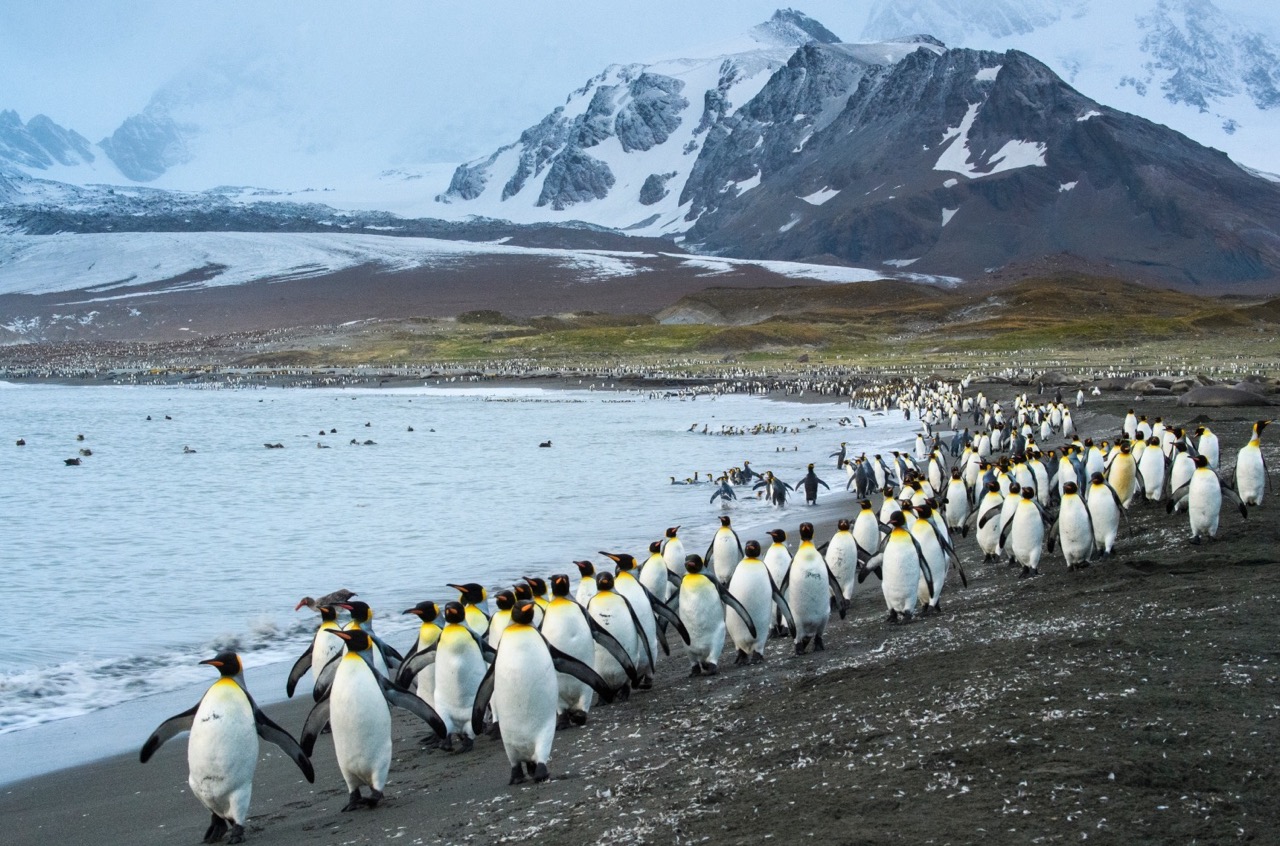
Thousands of king and gentoo penguins and numerous elephant seals share their habitat in this bay. One of the most enchanting bays on the island awaits you. See how the elephant seal bulls protect their pregnant cows and their offspring. With a little luck, you can witness the impressive courtship dance of the sooty albatrosses at Gold Head, the cape on the east coast.
Salisbury Plain
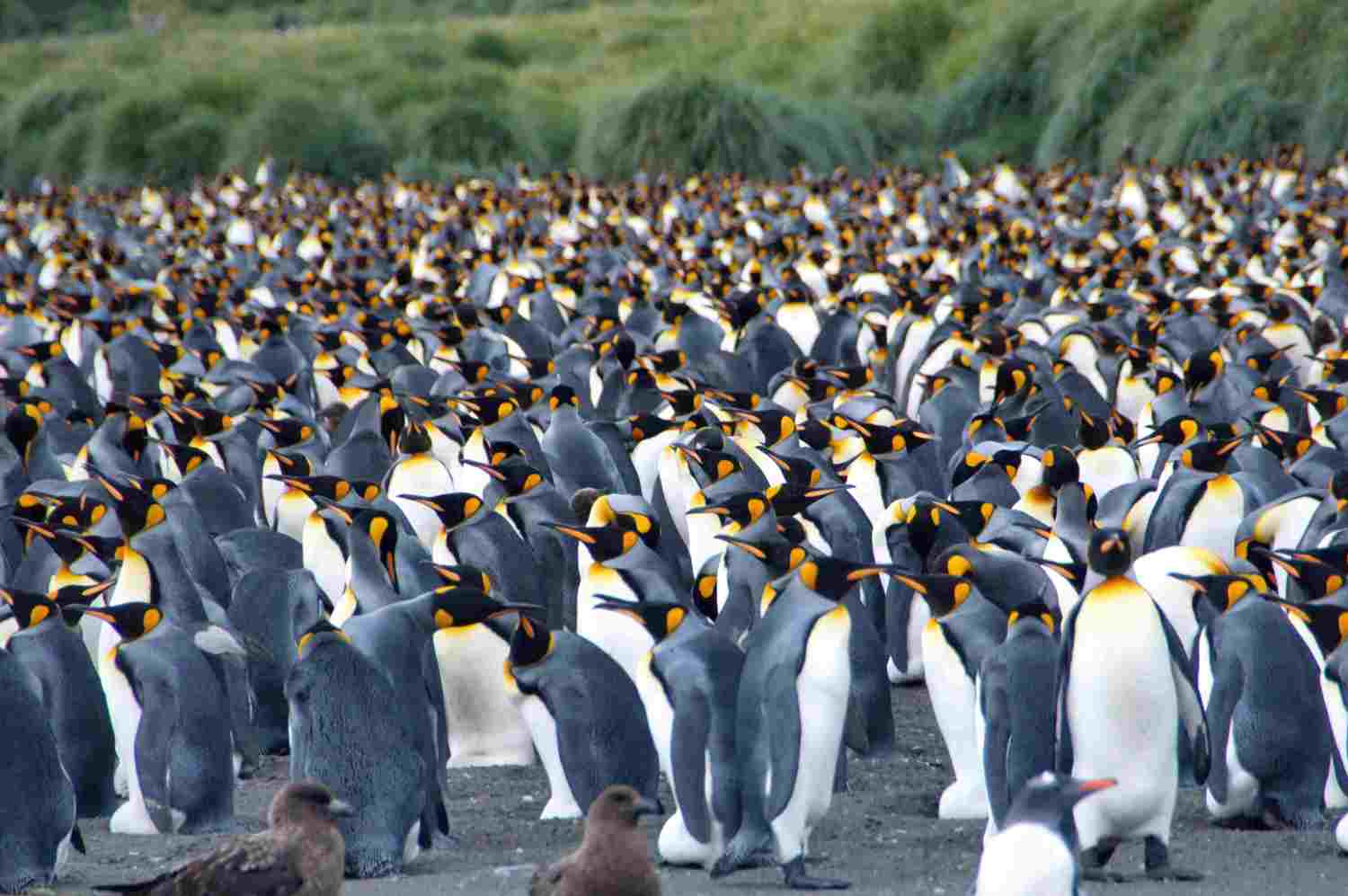
This is home to the second largest king penguin colony in the world. On some days, the waves are too high to go ashore—that's just part of the experience. In such cases, we take an exciting trip along the coast in a Zodiac instead. Crossing the cold water between thousands of colorful penguin heads is a real adventure. The massive elephant seals also feel very much at home on this coastal plain.
Fortuna Bay
A breathtaking landscape awaits you. Hundreds of thousands of king penguin breeding pairs nest in front of the sugar-coated mountains. Sea lions and elephant seals enjoy the sun on the beach. However, when competition arises from within their own ranks, the males can become aggressive. The young elephant seal pups venture out on their first excursions accompanied by their companions.

Godthul
Follow in the footsteps of the gentoo penguins and hike through tall grass up the steep mountain to the colony. From the top, you will have the opportunity to enjoy breathtaking views of the surrounding landscape and the bay. Gentoo penguins can make an astonishing 45 dives a day to find their food. With impressive speeds of up to 36 km per hour, they are the fastest swimmers among penguins.
Cooper Bay
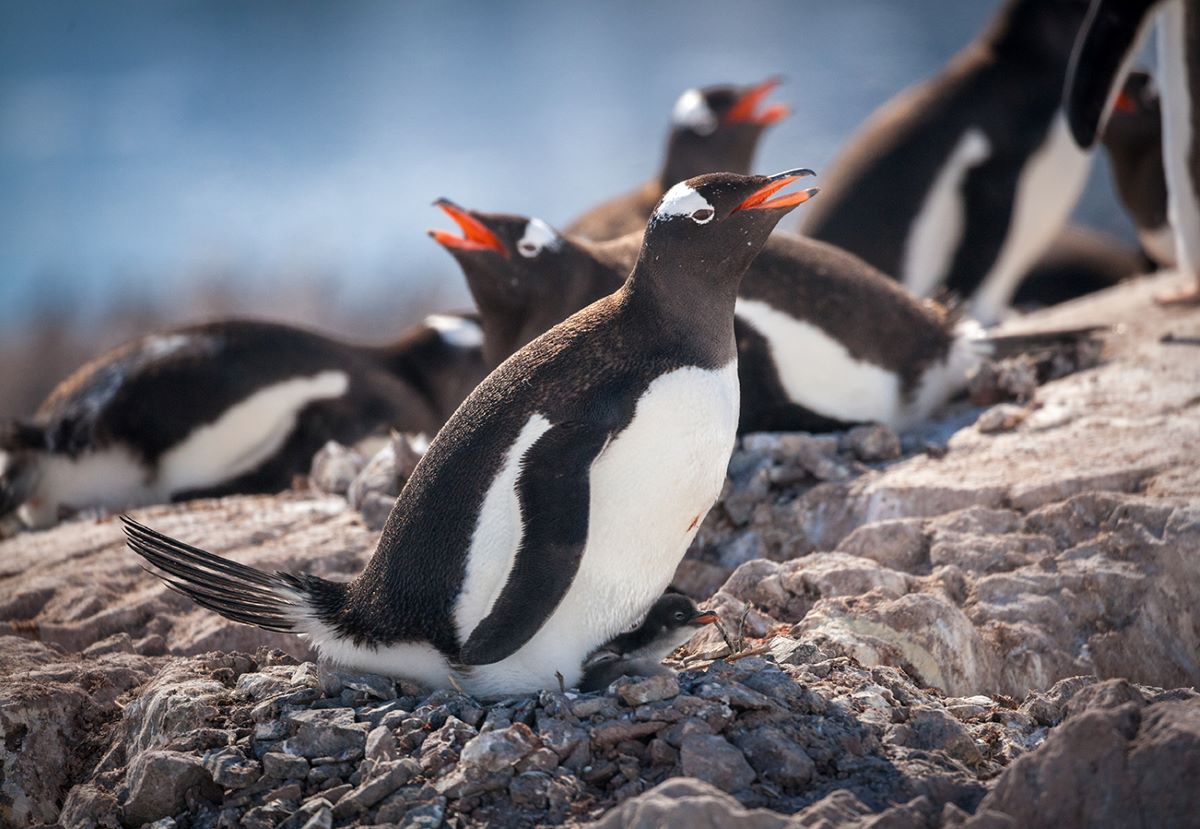
This region is home to a variety of penguin species. Look forward to seeing the cheerful yellow-crested penguins and the chinstrap penguins with their black and white stripes on their heads. Numerous seabirds also share this habitat.

Drygalski Fjord
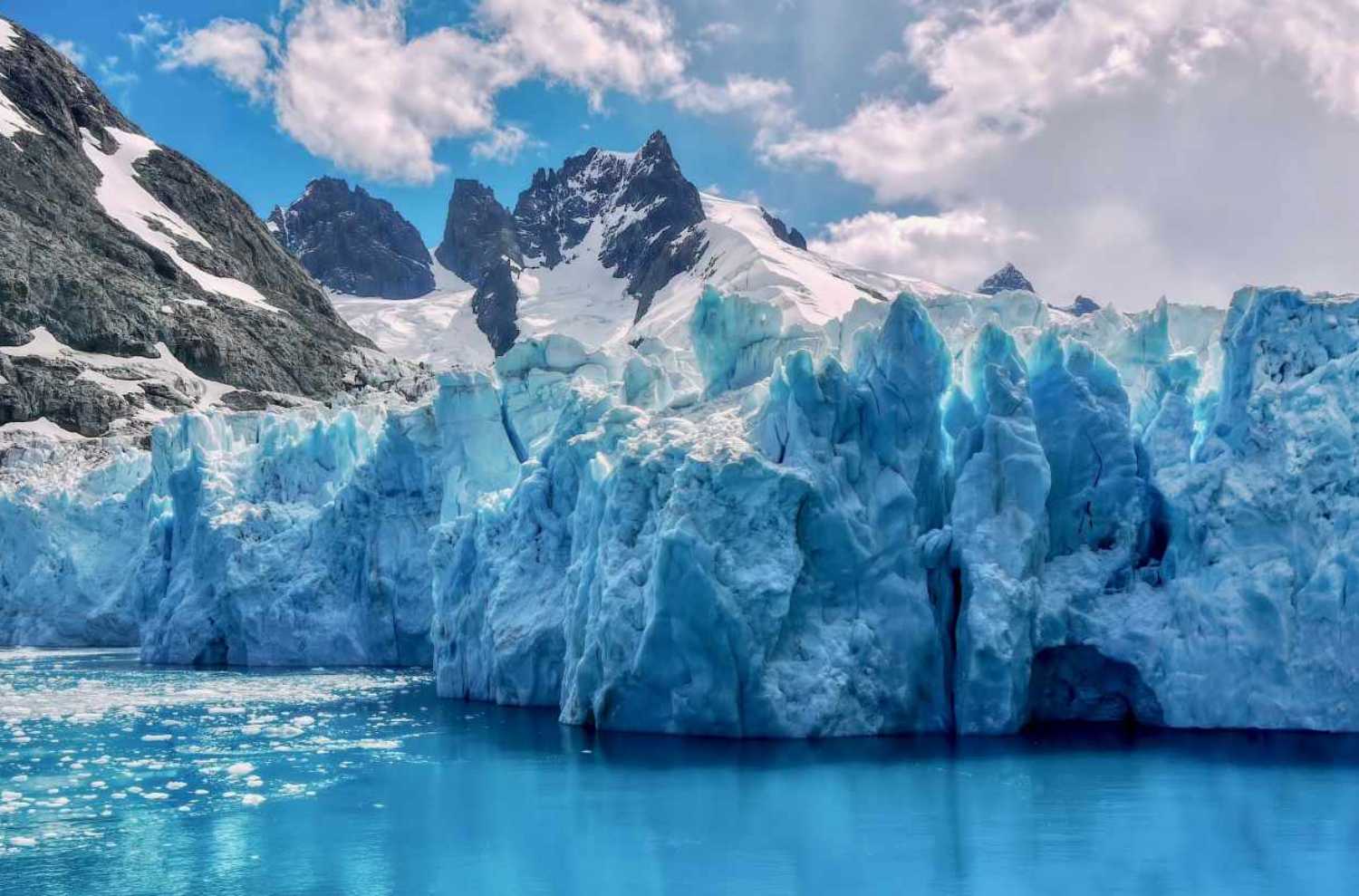
Even the entrance to the fjord is spectacular. The fascinating glaciers are close enough to touch and provide a magnificent backdrop for the animals that live there. The fjord is named after Erich von Drygalski, a polar explorer and leader of the first German Antarctic expedition (1901–1903), who mapped it. The imposing fjord is 11 km long and 1.5 km wide and cuts deep into the island from the southeast. A small colony of Weddell seals has made the fjord its home. Giant petrels, blue-eyed cormorants, terns, and penguins also thrive here.
Prion Island
is known for its wandering albatross colony. During the breeding season, which runs from November 20 to January 7, this location is closed to visitors. However, outside of this period, you have the opportunity to observe the nearly fledged wandering albatross chicks as they prepare for their first attempts at flight together with their fellow species. You can also witness the fascinating spectacle of adult albatrosses tracking down their former partners after their year-and-a-half-long journey. A visit to Prion Island is undoubtedly an absolute highlight, and you will be captivated by these majestic giant birds.

Grytviken
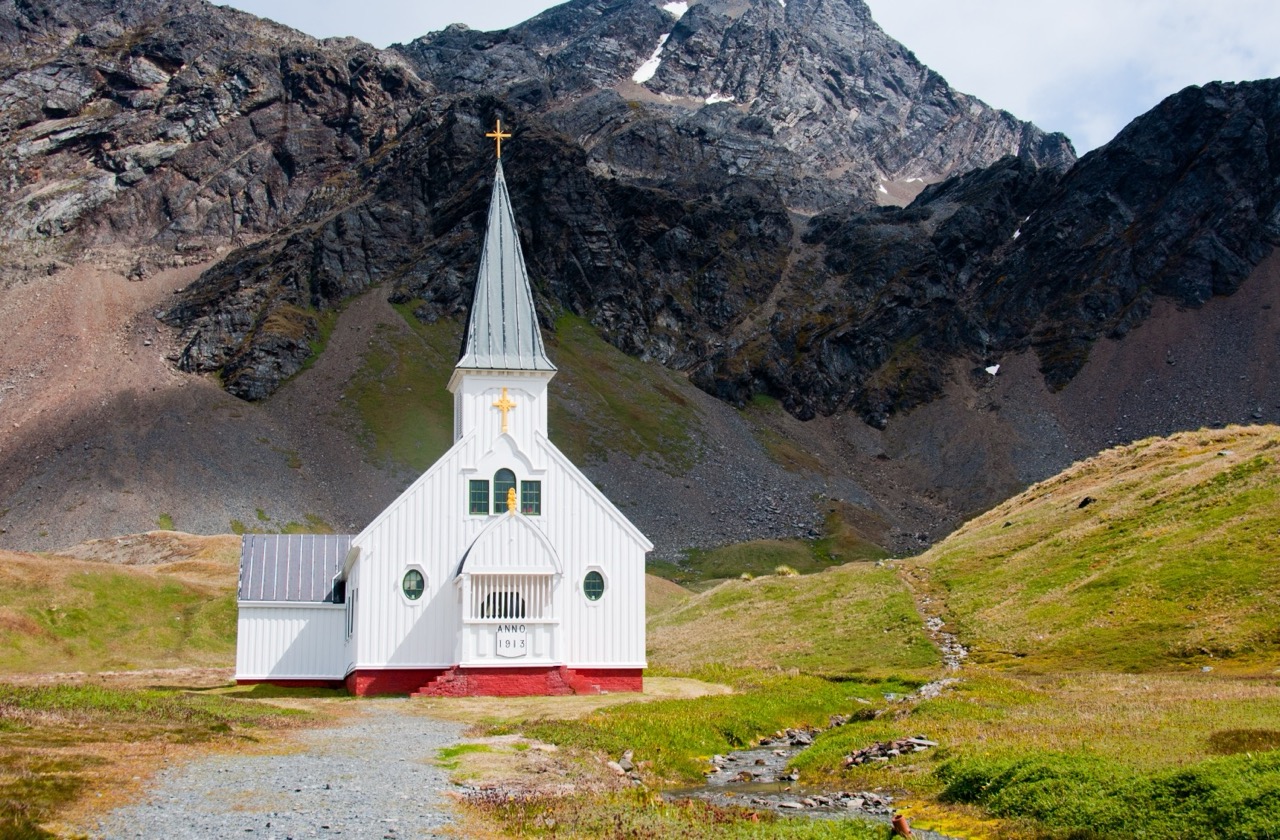
Founded in 1992, the South Georgia Museum tells the story of the island from its discovery to the Falklands War of 1982. Pot Bay, also known as Grytviken, was once the administrative center of the British overseas territory. Carl Anton Larsen, a Norwegian-British whaling captain, built the villa that now houses the museum. Grytviken was once the largest whaling station in the world, processing around 54,100 whales between 1904 and 1965. A settlement with a Norwegian Lutheran church, cinema, houses, and a cemetery bears witness to this era. The rusted oil tanks of the old whale processing plant are silent witnesses to the past. A white wooden fence surrounds the Grytviken cemetery, where Sir Ernest Shackleton and his deputy Frank Wild rest alongside the whalers. Traditionally, cruise ship passengers gather at the grave while the captain honors the polar heroes. The place is living history, and the past was not always glorious. However, whaling is long gone. King penguins and elephant seals have populated the abandoned whaling station. A visit to the museum and cemetery is a must.
King Edward Point
Walk around the bay to King Edward Point. This is where the British Antarctic Survey research station is located. Permission required.

Stromness
Explore the decaying remains of the former whaling station. Direct access is blocked due to asbestos-contaminated buildings. However, visitors are allowed to approach the ruins up to 200 meters away. Sea lions and elephant seals relax along the beach.

Maiviken
If the weather is suitable, you should definitely take a hike from Maiviken to Grytviken. The trail follows in the footsteps of former whalers through the fascinating mountain and lake landscape. After the ascent, let yourself be enchanted by breathtaking panoramas: snow-capped mountains, deep blue lakes in front of the sea in the immediate vicinity.

Shall we stay in touch?
Our trips to South Georgia
26.236 €

The Great Loop through the Southern Ocean
33.386 €
Among the King Penguins of South Georgia
10.440 €
Classic South Georgia | MS Ushuaia
12.443 €

Kingdom of Kings | Falkland Islands, South Georgia & Antarctica
17.695 €

Falkland Islands and South Georgia
27.536 €

In the footsteps of Ernest Shackleton
10.170 €
Atlantic Odyssey from Argentina to Cape Verde | MS Plancius
14.560 €
Falkland Islands and South Georgia | MS Magellan Explorer | MS Magellan Discoverer
Antarctic expedition from Cape to Cape | HANSEATIC spirit
25.945 €
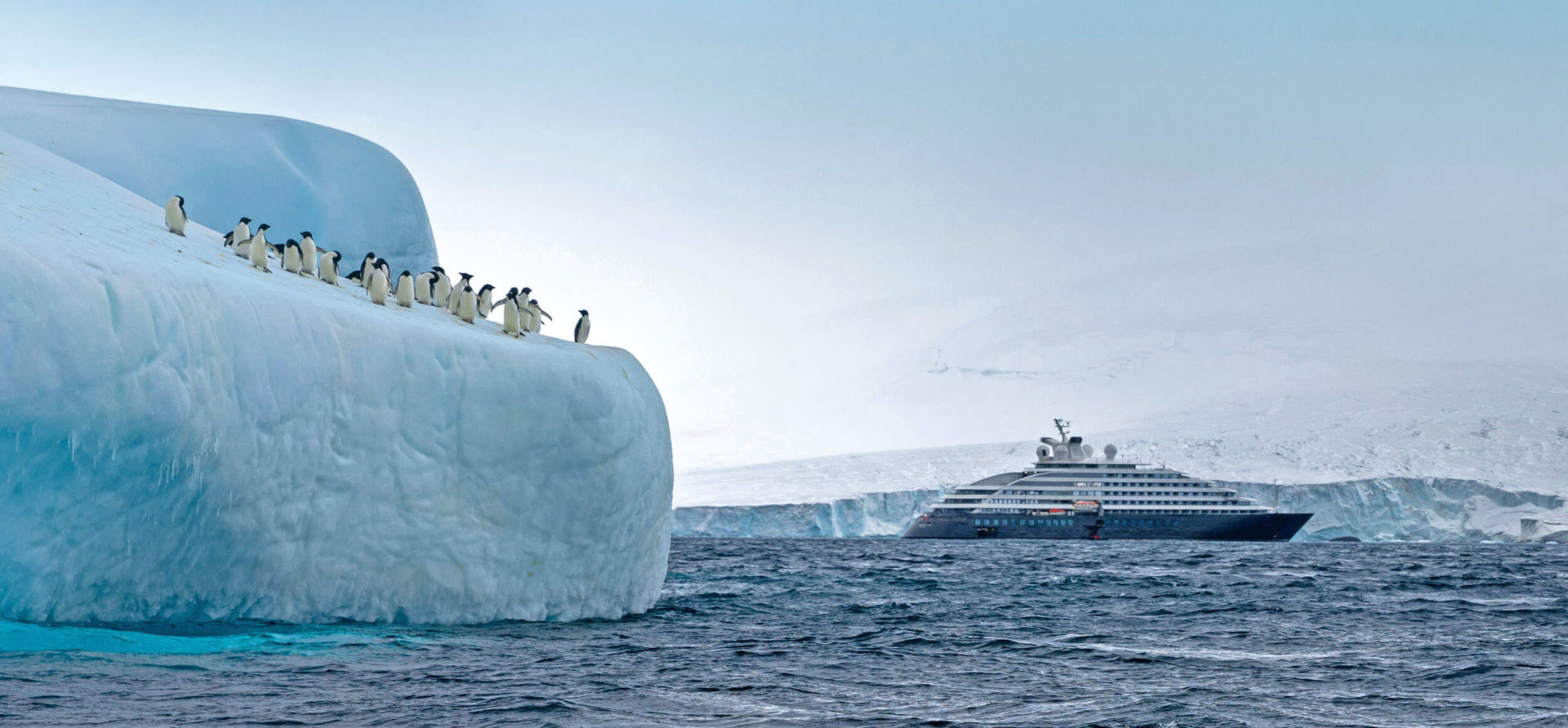
Antarctica, South Georgia, and the Falkland Islands | MS Scenic Eclipse | MS Scenic…
Fly&Cruise Antarctica and South Georgia | MS Magellan Explorer
33.548 €