Over 100 fascinating facts about Antarctica
Hier kommen die Zahlen, Rekorde und Kuriositäten, die Sie kennen sollten, bevor Sie in die Antarktis aufbrechen!
Would you like to travel to Antarctica?
Get answers to the 10 most frequently asked questions about the fascinating travel destination of Antarctica.
Antarctica in a nutshell – So you can join in the conversation!
- Continent: Antarctica is the southernmost continent on Earth and covers an area of approximately 14 million square kilometers.
- Ice sheet: Approximately 98% of Antarctica is covered by ice.
- Discoverers: Antarctica was discovered in 1820 by a Russian expedition led by Fabian Gottlieb von Bellingshausen and Mikhail Lazarev.
- Population: The permanent population of Antarctica consists of approximately 1,000 to 5,000 people, who are mainly researchers.
- Antarctic Treaty: The Antarctic Treaty of 1959 regulates the use of Antarctica and places it under international protection.
- Research: More than 30 countries operate some 80 research stations in Antarctica.
- Glaciers: Antarctica holds about 70% of the Earth's fresh water in the form of ice.
- Climate: Antarctica is the coldest place on Earth, with temperatures dropping to as low as minus 80 degrees Celsius in winter.
- Ice sheet: The Antarctic ice sheet contains about 90% of the world's ice.
- Elevation: The average elevation of the Antarctic ice sheet is approximately 2,500 meters above sea level.
- South Pole: The geographic South Pole is located on a high ice sheet at approximately 2,835 meters above sea level.
- Mountains: The highest mountain range in Antarctica is the Vinson Massif, with a height of 4,892 meters.
- Peninsula: The Antarctic Peninsula is the northernmost region of Antarctica.
- See: Das Rossmeer und das Weddellmeer sind zwei große Meere, die die Antarktis umgeben.
- Glaciers: The Lambert Glacier is the largest glacier in Antarctica and stretches for around 400 kilometers.
- Islands: Antarctica comprises many islands, including the South Orkney Islands, the South Shetland Islands, and Peter I Island.
- Ice barriers: The largest ice barrier in Antarctica is the Ross Ice Shelf.
- Icebergs: Icebergs that break off from Antarctic ice shelves can reach enormous sizes, up to 100 kilometers long.
- Research: McMurdo Station is the largest research station in Antarctica and is located at the southern end of the Ross Sea.
- Caves: Caves have been discovered under the ice in Antarctica that are home to unique ecosystems.
- Temperatures: Temperatures can drop to minus 80 degrees Celsius in winter (inland at an altitude of 3,000 meters), while in summer they rarely rise above freezing (on the coast at sea level).
- Cold record: The coldest place on Earth was measured at the Vostok station in Antarctica, where temperatures reached minus 89.2 degrees Celsius.
- Precipitation: Antarctica is extremely dry and receives only about 50 millimeters of precipitation per year, mostly in the form of snow. This is why it is also called an ice desert.
- Polar vortex: The Antarctic polar vortex is a strong high-pressure system that traps cold air in the region.
- Permafrost: The ground in Antarctica is frozen throughout and is referred to as permafrost.
- Ozone hole: Antarctica is known for the seasonal ozone hole that forms over the region, intensifying solar radiation.
- Daylight: During the Antarctic summer, the sun can remain in the sky for up to six months without setting.
- Night: During the Antarctic summer months, there is no complete darkness, which makes orientation difficult.
- Warm spot: The Antarctic Peninsula is the warmest region in Antarctica, with average summer temperatures that can rise above freezing.
- Polar days: During the Antarctic summer, there is no night, and the sun remains in the sky for 24 hours.
- Polar nights: During the Antarctic winter, there is no sun, and it remains dark for several months.
- Ozone hole: The seasonal ozone hole over Antarctica reaches its peak between September and October each year.
- Ice sheet: The thickness of the Antarctic ice sheet varies, with some areas reaching up to 4 kilometers thick.
- Cold air currents: Cold air currents from Antarctica can influence the weather in Australia and New Zealand.
- Storm activity: Storms in Antarctica can reach wind speeds of up to 320 km/h.
- Ice melt: The melting rates of Antarctic ice have increased in recent decades due to climate change.
- Weather data: Weather stations in Antarctica collect important data for climate research and weather forecasting.
- Penguins: Antarctica is home to the emperor penguin, the only species of penguin that breeds in Antarctica.
- Seals: Seal species found in Antarctica include the Weddell seal, the crabeater seal, and the Antarctic elephant seal.
- Whales: The waters around Antarctica are home to up to 10 species of whales, including blue whales and orcas. The best time for whale watching is March.
- Birds: In addition to penguins, there are also other bird species such as albatrosses, terns, and many others.
- Fish: Antarctica is home to unique fish species such as the icefish, which can live in extremely cold waters.
- Microbes: Despite the extreme conditions, microbes and bacteria live in Antarctic freshwater lakes and under the ice.
- Collapse: Some bird species, such as the emperor penguin, are heavily dependent on Antarctic climatic conditions and are threatened by global warming.
- Crustaceans: Antarctic waters are home to specialized crustaceans such as Antarctic krill, which are an important food source for many animals.
- Algae: Microscopic algae, known as phytoplankton, are important components of the Antarctic ecosystem.
- Cold-water plants: In the warmer coastal regions of Antarctica, there are several specialized plant species that are adapted to the extreme conditions.
- Types of moss: Some mosses in Antarctica can survive temperatures as low as minus 30 degrees Celsius.
- Lichens: Antarctic lichens can survive extremely low temperatures and high UV radiation.
- Penguin species: In addition to the emperor penguin, Antarctica is also home to the Adélie penguin, the gentoo penguin, the chinstrap penguin, the rockhopper penguin, and
- Ice fish: Some fish in Antarctica have "antifreeze" proteins that protect their blood from freezing.
- Antarctic krill: Antarctic krill is a key species in the Antarctic ecosystem and is the main food source for many animals.
- Giant algae: Antarctic waters are home to large species of algae that are important for the food chain.
- Batfish: Batfish are an endemic species found in the cold waters of Antarctica.
- Seal population: The Antarctic elephant seal population can number up to 100,000 individuals.
- Adelie penguins: Colonies of Adelie penguins can comprise up to 50,000 breeding pairs.
- Emperor penguin: Emperor penguins can grow up to 90 centimeters tall and weigh up to 40 kilograms. They live exclusively on the Antarctic continent in very remote regions.
- Rock: Antarctica contains some of the oldest rocks on Earth, which are up to 3 billion years old.
- Volcanoes: Antarctica has active volcanoes, including Mount Erebus, which is one of the most continuously erupting volcanoes in the world.
- Mountains: The Transantarctic Mountains stretch over 3,500 kilometers and separate West Antarctica from East Antarctica.
- Rift: The West Antarctic Rift is a geological structure that helps divide Antarctica into two parts.
- Lake: Lake Vostok lies beneath 4 kilometers of ice and is one of the largest subglacial lakes in the world.
- Glaciers: The Lambert Glacier, one of the largest glaciers in the world, transports an enormous amount of ice into the Antarctic Weddell Sea.
- Ice streams: Antarctica contains some of the largest ice streams in the world, such as the Siple and Pine Island ice streams.
- Deep sea conditions: Antarctic deep sea trenches are extremely deep and contain unique life forms.
- Crack formation: The "Larsen C crack" is a significant crack in the Larsen Ice Shelf, which in 2017 led to one of the largest icebergs ever observed.
- Ice age: During the last ice age, Antarctica was covered by a massive ice sheet that influenced the global climate balance.
- Ice cores: By drilling through ice, scientists can reconstruct climate data dating back up to 800,000 years.
- Dome C: Dome C, also known as Dome Charlie, is one of the highest stations in Antarctica and provides important data for climate research.
- Dry Valleys: The Dry Valleys are one of the driest regions on Earth, receiving only about 5 millimeters of precipitation per year.
- Cold tunnels: Antarctic glaciers contain natural tunnels formed by meltwater.
- Geological layers: Antarctica contains geological layers that provide information about the history of the Earth and the development of the continent.
- Rust lakes: Some subglacial lakes contain high concentrations of iron, which affects their colors.
- Mount Kirkpatrick: Mount Kirkpatrick in Antarctica is an active volcano that occasionally erupts.
- Rift valleys: Antarctica is home to large rift valleys, which are formed by geological processes such as plate tectonics.
- Snowfall: In the high regions of Antarctica, snowfall can amount to several meters per year.
- Ice shelf: The Larsen Ice Shelf has lost large sections and is an example of the effects of climate change.
- Research stations: There are currently around 40 permanent (year-round) research stations in Antarctica, operated by various countries.
- McMurdo Station: McMurdo Station, operated by the USA, is the largest research station in Antarctica.
- Vostok Station: The Russian Vostok Station is located near Lake Vostok and is known for its deep ice drilling.
- Dome Argus Station: The Chinese Dome Argus Station is one of the highest stations in Antarctica and is located on the Antarctic Plateau.
- Research areas: Scientists in Antarctica conduct research into climate, geology, oceanography, biology, and astrophysics.
- Ice cores: Ice cores drilled in Antarctica provide valuable data about the Earth's historical climate.
- Space research: Antarctica is used as an ideal location for observing cosmic background radiation.
- Drilling projects: International drilling projects in Antarctica have provided important data on geological and climatic history.
- Climate models: Research in Antarctica helps to develop more accurate climate models for the Earth.
- Astrobiology: Some Antarctic research projects investigate life in extreme conditions as a model for extraterrestrial life.
- Radio telescopes: Antarctica is home to radio telescopes that are used to study the cosmos and background radiation.
- Antarctic summer: Antarctic research stations experience increased research activity during the Antarctic summer.
- Bacteria: The extreme conditions in Antarctica have led to the discovery of extremophile bacteria, which are providing new scientific insights.
- Meteorite finds: Antarctica is an important location for the discovery of meteorites originating from space.
- Ice drilling: The drillable ice cores provide insights into past atmospheric conditions and CO2 levels.
- Tourism: The number of tourists visiting Antarctica is increasing every year, even though travel there is heavily regulated.
- Cruises: Many visitors reach Antarctica by cruise ship, which usually departs from the Australian city of Ushuaia.
- Expeditions: Expeditions to the South Pole are extremely expensive and require extensive preparation.
- Camping: Some adventure travelers spend nights in tents under the Antarctic starry sky.
- Ecotourism: Antarctic tourism is increasingly focusing on sustainable and environmentally friendly practices.
- Skiing adventures: During the Antarctic summer, there are opportunities for skiing and snowboarding in certain regions.
- Science tours: There are specialized tours that offer visitors insights into research stations and scientific work.
- Photography: The Antarctic landscape offers impressive photo opportunities, from icebergs to penguins.
- Temperature records: When traveling to Antarctica, tourists must be prepared for extreme cold and changeable weather.
- Environmental regulations: The tourism industry is subject to strict regulations to protect the environment and wildlife.
- Tourism: The number of tourists visiting Antarctica is increasing every year, even though travel there is heavily regulated.
- Cruises: Many visitors reach Antarctica by cruise ship, which usually departs from the Argentine city of Ushuaia.
- Expeditions: Expeditions to the South Pole are extremely expensive and require extensive preparation.
- Camping: Some adventure travelers spend nights in tents under the Antarctic starry sky.
- Ecotourism: Antarctic tourism is increasingly focusing on sustainable and environmentally friendly practices.
All Antarctic trips at a glance
We have clearly presented all our trips with dates and prices for you.
Shall we stay in touch?
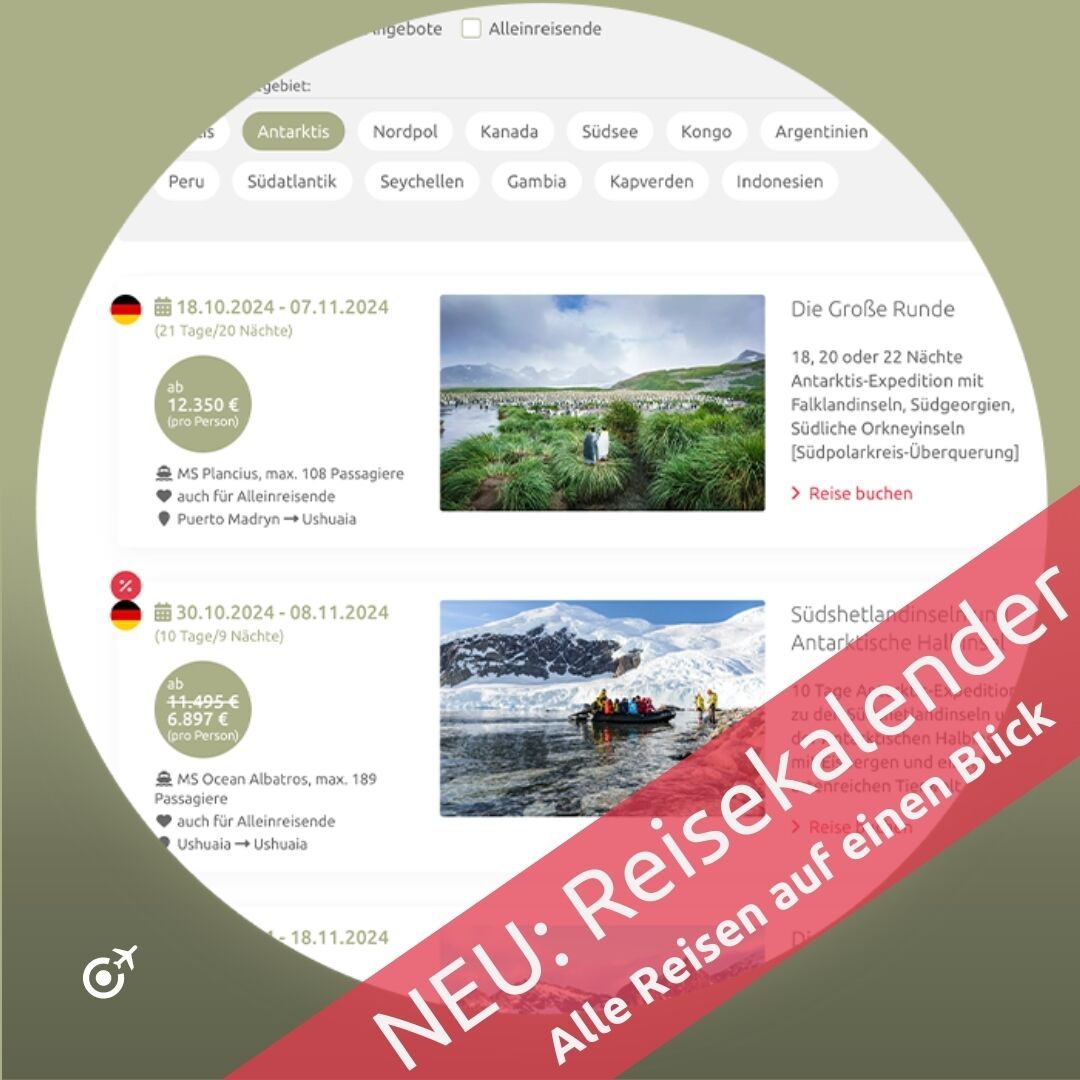
Travel finder: All Antarctic trips and offers at a glance
Browse through the calendar and find your perfect Antarctic trip

Stephanie Gräf
Travel expert, inventia | Travel beyond the ordinary
Specialist in personalized and exciting trips around the globe.
I am your contact person for questions and bookings regarding your trip.
You can reach me by phone or email:
+49 (0)201 858 90 960
welcome@inventia.de
Customized travel offer

Sie interessieren sich für die Antarktis, wissen aber nicht, wo Sie anfangen sollen?
Unser KOSTENLOSER Antarktis-Miniguide bringt Licht ins Eis.
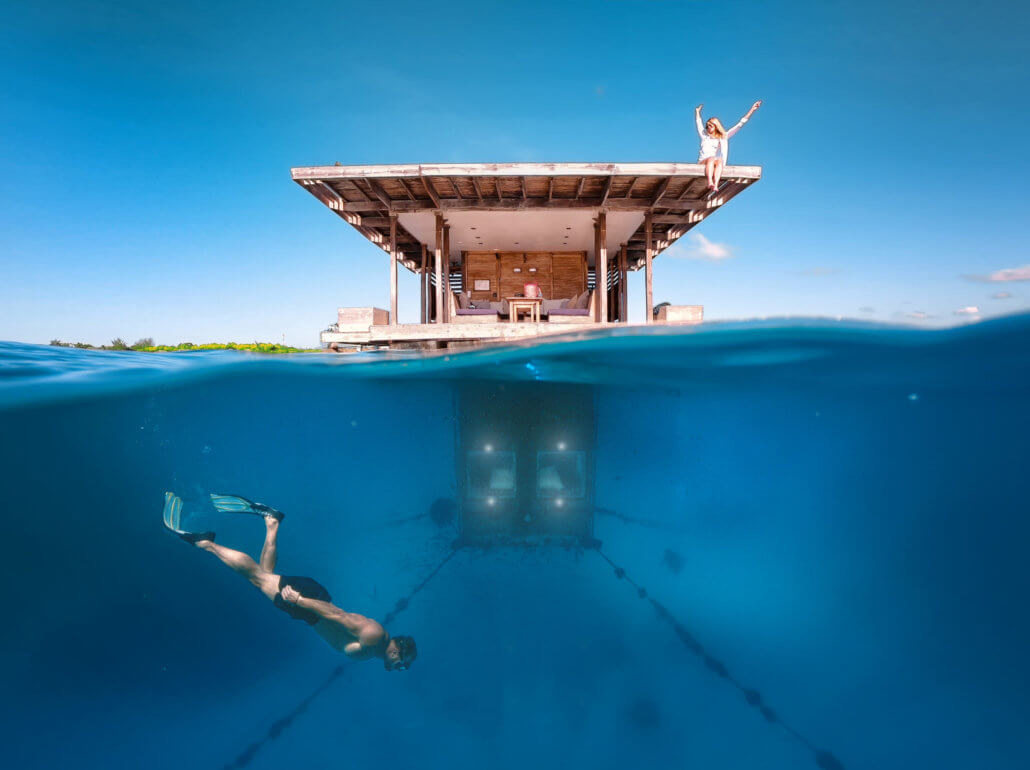
Newsletter: Travel beyond the ordinary
Stay in touch with us and receive our latest travel ideas on a regular basis.
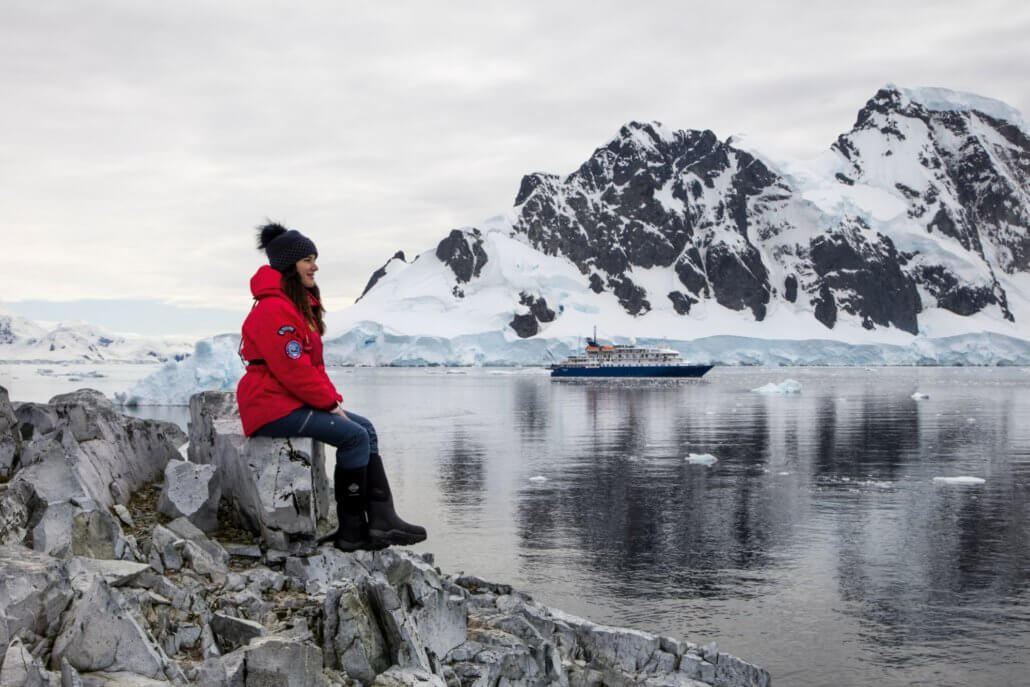
Antarctic travel with flight across the Drake Passage

Kingdom of Kings | Falkland Islands, South Georgia & Antarctica
This 20-day expedition takes you to the Falkland Islands, king penguins, and the calving ice of the Antarctic Peninsula
about the trip
from
25.380 €
23.350 €
23.350 €

Antarctic Expedition | From Expedition Ship to Sailing Yacht
20-day tour of the Antarctic Peninsula aboard two ships, including five nights on a polar sailing yacht in secluded bays
about the trip
from
17.695 €
15.041 €
15.041 €

Falkland Islands and South Georgia
19-tägige Expeditionskreuzfahrt zu den Königspinguin-Kolonien Südgeorgiens, Albatrossen und Shackletons Grab in Grytviken
about the trip
Starting at
61.655 €
61.655 €
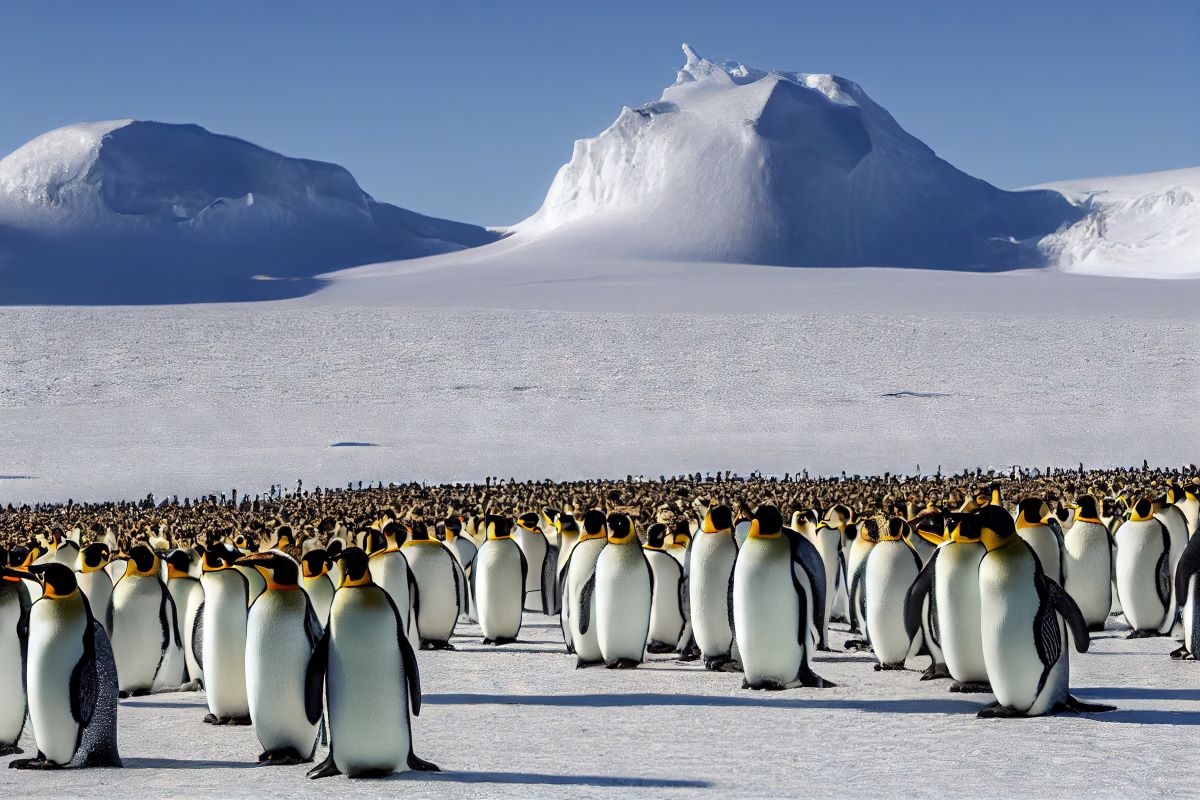
World premiere: Complete circumnavigation of Antarctica in 2028 | Le Commandant-Charcot
27/31-day Antarctic expedition from Ushuaia, Tierra del Fuego, to Lyttelton, east coast of New Zealand's South Island, or vice versa.
about the trip
Starting at
11.150 €
11.150 €

Aurora Australis – Northern Lights beneath the Antarctic Circle | MS Ortelius |...
12 days (11 nights) Antarctic expedition: Discover the deep south beyond the Arctic Circle
about the trip
from
10.980 €
10.102 €
10.102 €

Echos aus der Tiefe | Aurora Australis
13-day expedition featuring extensive whale watching and research, including trekking and kayaking
about the trip
from
10.980 €
10.102 €
10.102 €

Departure for the Antarctic Circle
12-day active expedition to the Antarctic Peninsula and across the Arctic Circle with landings at penguin colonies & kayaking in pack ice
about the trip
from
8.790 €
8.087 €
8.087 €

To the whales and penguins in Antarctica
11-day Antarctic expedition with lots of activities such as kayaking, snowshoeing, trekking, and photography + camping and sailing options
about the trip
from
7.990 €
7.351 €
7.351 €
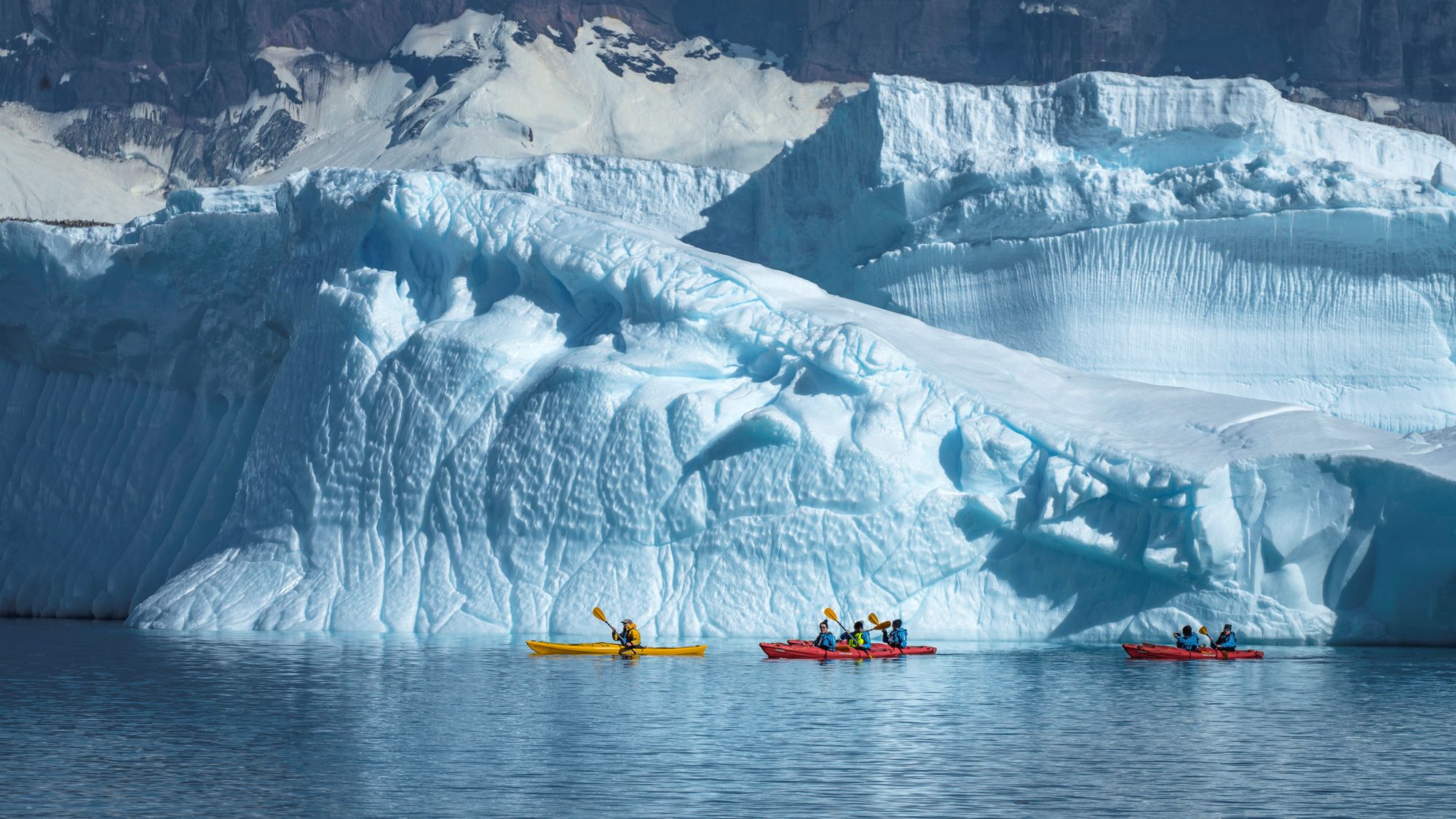
Pure Antarctica for active explorers
10 days on a classic route to the Antarctic Peninsula with many inclusive activities such as kayaking, camping, trekking, and photography
about the trip

St Helena | Expedition ship for Antarctica with a history as a mail ship
Converted postal ship for Antarctic expeditions with a maximum of 98 passengers, plenty of space to move around on board, research laboratory, and two whirlpools.
about the trip

Antarctic travel
Our voyages to Antarctica: Antarctic Peninsula, crossing the Antarctic Circle, Ross Sea, Weddell Sea, South Georgia, and Falkland Islands
about the trip
from
35.495 €
30.171 €
30.171 €

East Antarctica: Ross Sea Odyssey (from Tasmania or New Zealand)
25-/26-day expedition to emperor penguins and Scott's hut with New Zealand's sub-Antarctic islands
about the trip
Further wiki articles about Antarctica

Die Osterinsel: Alles, was Sie über Rapa Nui wissen müssen
Die Osterinsel liegt 3.700 Kilometer vom nächsten Kontinent entfernt – und gibt bis heute Rätsel auf. Was Sie wissen sollten,…
Read more
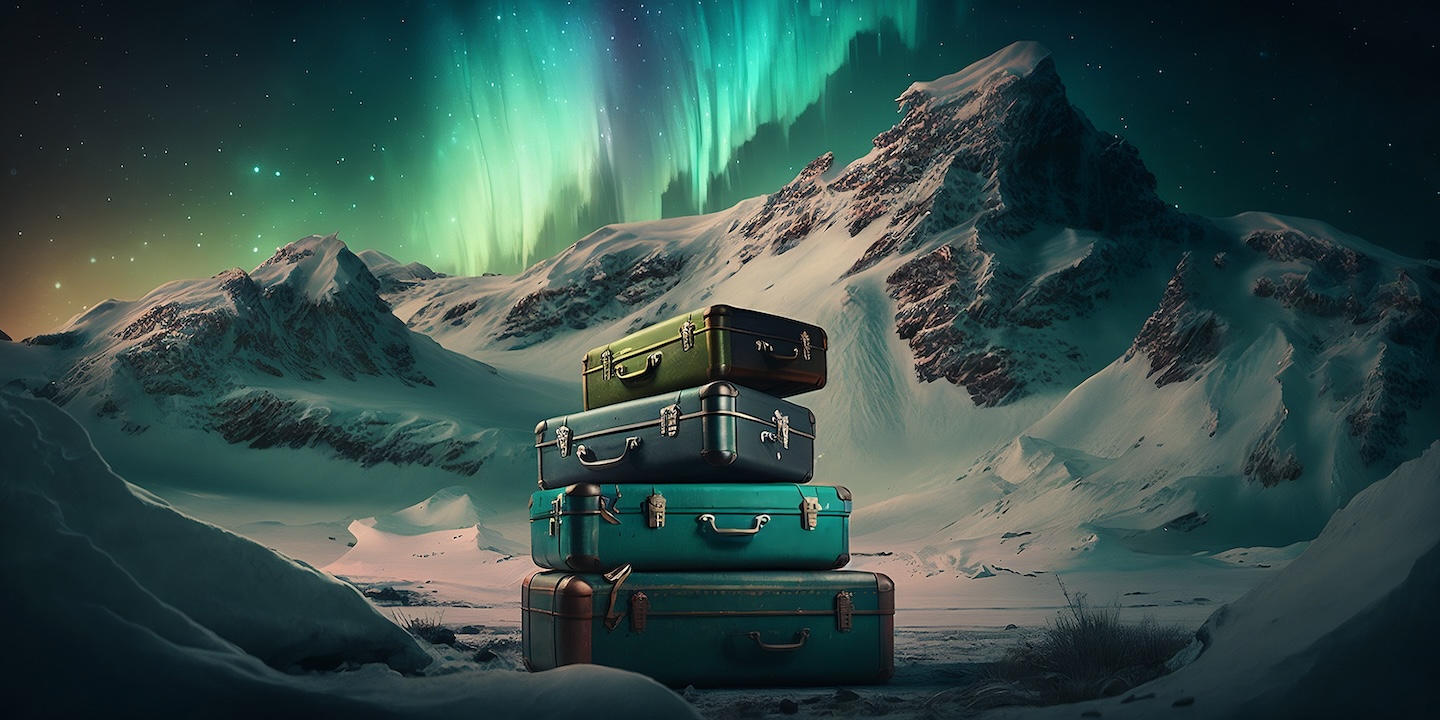
Winter Packing List for Lapland: What You Really Need
Everything you need to bring: The ultimate packing list for the perfect Northern Lights trip above the Arctic Circle.
Read more

Ōmisoka: Japan's ritual for a mindful New Year
Ōmisoka – Japan's quiet New Year's Eve with ritual house cleaning, buckwheat noodles, and 108 bell chimes for a mindful new beginning
Read more
Southern Lights: Travel with us to see the rarely observed aurora...
New to our range: a trip that combines two common desires and an expedition in the truest sense of the word.
Read more

8 reasons why Japan should be on your travel list
Ancient forests, enchanting cherry blossoms, samurai heritage, and futuristic skyscrapers: traveling to Japan will change your view of the world!
Read more

What do I absolutely need to do right before leaving for Antarctica…
Plan your comfortable journey to the Antarctic expedition! Discover tips, useful stopovers, and everything you need to know about preparing for your trip.
Read more
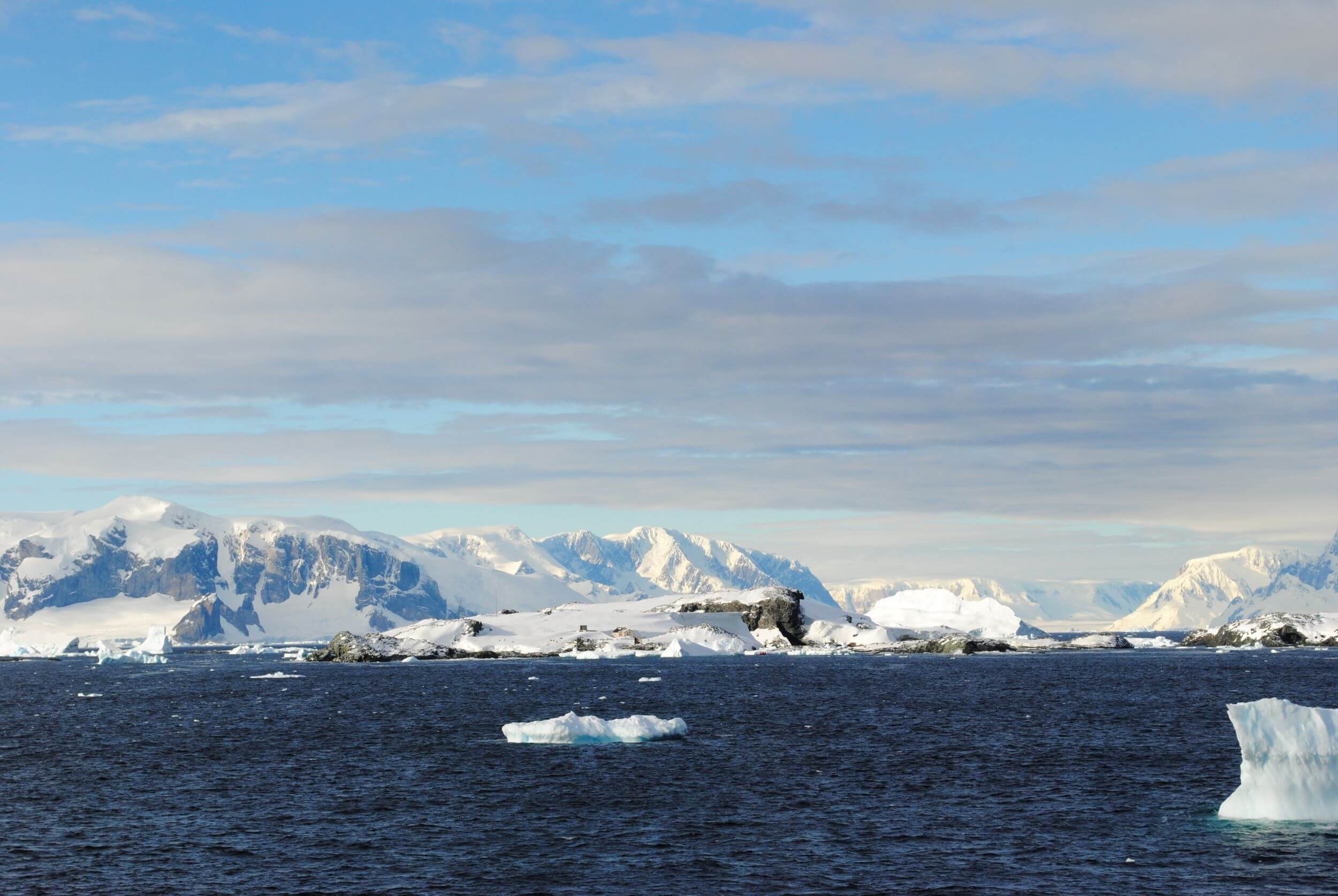
For 2026: Two new extraordinary Antarctic expeditions in the program
New to our range: a trip that combines two common desires and an expedition in the truest sense of the word.
Read more
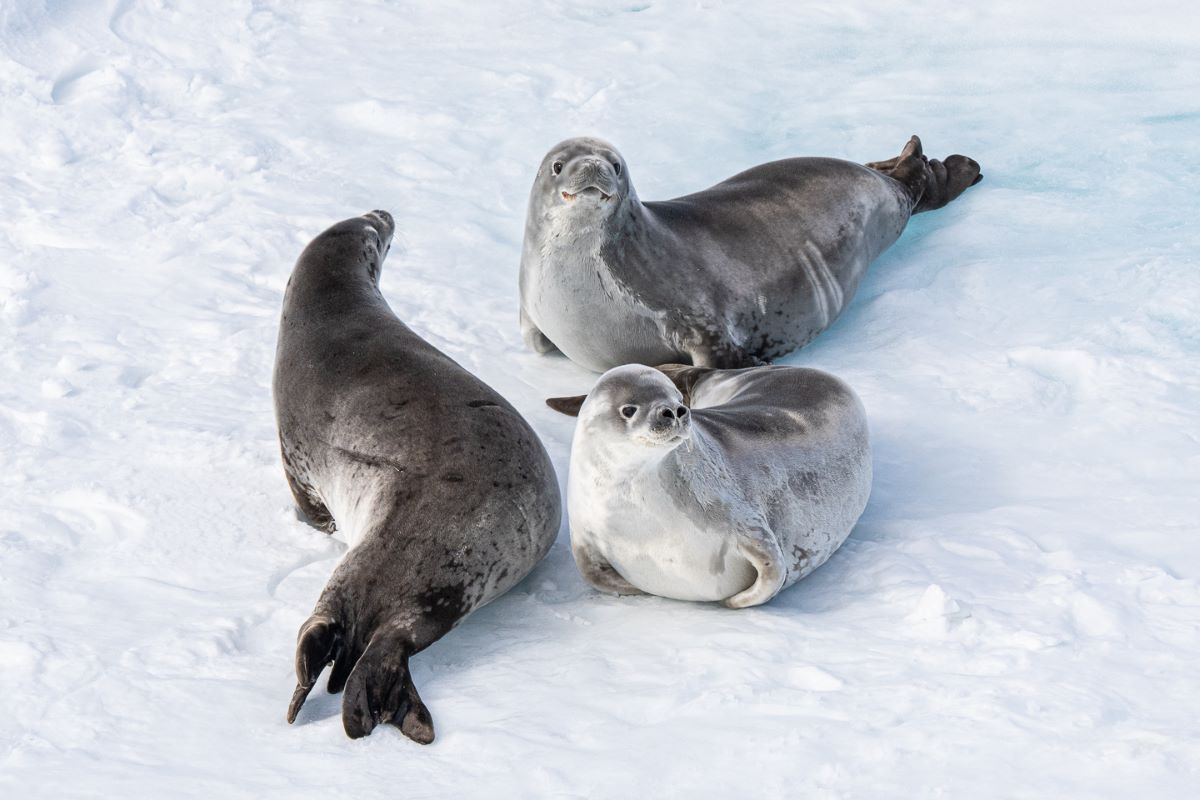
Antarctic voyage: What costs should I expect?
Find out how to plan your Antarctic expedition optimally, get the best value for your money, and which factors are relevant...
Read more

Encountering polar bears: Searching for traces in Canada, Spitsbergen, and Greenland
Encounter polar bears – in Canada, Spitsbergen, and Greenland. Find out how this is possible and how you can behave in their habitat...
Read more

Lapland at Christmas and New Year's Eve: Why January to March are more ideal
Christmas in Lapland is very popular – but you often get a better experience of the snow and northern lights from January to March. What you...
Read more

ESTA for South Georgia – Entry authorization now mandatory
An entry permit for South Georgia has been mandatory since the 2025/2026 Antarctic season: find out why it was introduced.
Read more

Greenwashing in the travel industry: Between green promises and legal limits
Discover guidelines that regulate greenwashing in the travel industry and commit companies to more honest environmental promises.
Read more