Your Trip to Easter Island: Everything You Need to Know About Rapa Nui
“I’ve always wanted to go there!” or “That’s still on my bucket list, too!”
Either way, everyone I talk to about mytrip to Easter Island listens to me.
And just a few weeks ago, a couple contacted me because they finally want to make their long-held dream come true! At 84 years old, I booked the trip of a lifetime for them to Easter Island. They’ve since returned—and are absolutely thrilled (you can find their feedback in our customer testimonials).
You shouldn't wait too long to visit Easter Island.
Despite its remoteness—about 3,700 kilometers from the Chilean mainland toward the South Pacific—it is easily accessible by LATAM flight. There is a daily flight from the Chilean capital, Santiago, to the island.
Here you can learn more about the famous Moai statues, the island's history, and its top attractions.
Your Trip to Easter Island
Whether it's a short trip or a combination with South America—we have the right package for you.
Easter Island: A Brief Overview
- An isolated volcanic island in the southeastern Pacific
- Politically part of Chile, culturally part of Polynesia
- About 900 moai statues
- 7,750 residents according to the 2017 census; the main town is Hanga Roa
- Rapa Nui National Park, a UNESCO World Heritage Site since 1995
Easter Island or Easter Islands?
In German, both forms are used. They generally refer to the same island: Isla de Pascua, known as Rapa Nui in Polynesian. Strictly speaking, the territory consists of the main island and three small offshore rocky islets at the southwestern tip: Motu Nui, Motu Iti, and Motu Kau Kau. Both names are commonly used in German.
Where is Easter Island?
Easter Island is located in the southeastern Pacific and is part of Chile. It lies about 3,700 kilometers from the South American coast, and the nearest inhabited island, Pitcairn, is about 2,000 kilometers away. Geographically, it is part of Polynesia—along with Tahiti, Bora Bora, and Moorea.

Flight ticket: Santiago – Easter Island | © Stephanie Gräf
The island is roughly triangular in shape, with its three corners marked by extinct volcanoes: Rano Kao in the southwest, Poike in the east, and Maunga Terevaka in the north, which, at around 600 meters, is the highest point. It covers an area of just under 163 square kilometers. The coastline drops steeply to a depth of 3,000 meters—no coral reef, just rock and ocean.
Anakena is located on the north coast; see the “Sights” section for more information.

Map of Easter Island | © inventia / Mapstudio
1722: An Easter Sunday gives the island its name
On April 5, 1722, Easter Sunday, the Dutch navigator Jakob Roggeveen became the first European to sight the island. He had set sail from Dutch ports aboard the ships Arend, Thienhoven, and Africaansche Galey, rounded Cape Horn, and then headed out into the Pacific Ocean. He named the island Paasch Eyland—Easter Island.
Carl Friedrich Behrens, a German who was part of the expedition, wrote an early account that introduced the island and its statues to Europe. The Polynesians, however, had discovered Rapa Nui long before that. According to current research, settlement likely took place around 1200 CE; there are differing opinions among scholars regarding the exact date. They arrived in outrigger canoes and lived for many generations without contact with the rest of the world. This isolation shaped their language, their culture, and the moai.
The Moai: The Famous Stone Statues
There are about 900 moai statues standing or once lying on Easter Island—and they are the reason most people have heard of this island. The largest measure up to 20 meters, and the heaviest weigh around 80 metric tons. They were carved from the tuff of the Rano Raraku volcanic crater using tools made of hard basalt. How the statues were transported from there to their current locations remains a subject of research to this day.

Moai with Pukao, Ahu Nau Nau, Anakena | © Stephanie Gräf
What do the moai mean?
The statues likely represent deified ancestors of the Rapanui people. Most stand on ceremonial platforms, called ahu, with their backs to the sea—acting as guardians of the living. There are exceptions: The seven moai of Ahu Akivi are one of the few groups that face the sea.
In popular parlance, the moai are often called “stone heads”—a common misconception. All moai have complete bodies. Many have been covered in sediment over the centuries, so that today, in some cases, only the heads are visible.
Rapa Nui National Park, which covers large parts of the island, has been a UNESCO World Heritage Site since 1995. It protects not only the moai sites, but also caves, rock carvings, and crater lakes.
Sights on Easter Island
Imagine standing at dawn in front of 15 stone giants, the light of the rising sun shining on their faces, with the Pacific Ocean behind you. This is Ahu Tongariki—and it’s just one of the many moments that make a trip to Easter Island so unforgettable.
Ahu Tongariki
The largest restored moai site on Easter Island: 15 statues on an ahu right by the sea, each several meters tall. At sunrise, the light falls directly on the statues’ faces—those who get up early will experience one of the island’s most impressive moments. Ahu Tongariki was largely destroyed by a tsunami in the mid-1990s; a Japanese restoration project rebuilt the site. The fact that it stands as it does today is a story in itself.

Row of Moai, Ahu Tongariki | © Stephanie Gräf
Rano Raraku
The volcanic crater from which nearly all of the island’s moai originate. Standing here, you’re right in the middle of the workshop: half-finished statues still sit on the hillside, some covered in sediment up to their shoulders, at various stages of completion. One of the largest unfinished figures measures about 21 meters; it was never moved. The site gives the impression that work simply came to a halt one day. Why exactly this happened remains unclear to this day.
Rano Kau
An extinct volcano in the southwest with a crater lake about 1.5 kilometers wide, along the rim of which you can walk—with a view of the ocean on one side and the crater lake on the other. The Orongo ceremonial center is located right on the crater rim: stone houses, rock engravings, and the site of the Birdman ritual, in which representatives of the tribes competed against one another in an annual contest.
Anakena
The only true sandy beach on Easter Island, located on the north coast. It is guarded by the Ahu Nau Nau group of moai—among the best-preserved statues on the island because they were buried in the sand for a long time. According to legend, King Hotu Matua, the mythical founder of the Rapanui people, landed here. If you’re looking to take a dip in the ocean after a day spent among craters and statues, this is the place to go.

Anakena – the only sandy beach on Easter Island | © Stephanie Gräf
Sebastián Englert Anthropological Museum
The museum in Hanga Roa documents the history and culture of Rapa Nui. If you visit it before exploring the archaeological sites, you’ll gain a better understanding of the connections between the moai, the ahu, and the social structure of the Rapanui—much of this becomes clearer when viewing the exhibits than when you’re out at the sites themselves.
More Highlights
Also worth visiting are Tahai —three ahu within walking distance of Hanga Roa, featuring the only moai with reconstructed eyes—the lava caves of Ana Te Pahu and Ana Kakenga on the north coast, as well as sites hidden off the beaten path, such as Papa Vaka with its petroglyphs, Ahu Huri a Urenga —the only moai with two pairs of hands, astronomically aligned with the sunrise on the winter solstice—and Fundo Vaitea, the ruins of the sheep ranch that leased the island for about 50 years.
The History of Rapa Nui: Isolation, Slavery, Citizenship
Over the course of centuries, the Polynesian language of origin evolved on the island into Rapanui—a distinct language closely associated with Easter Island that is spoken less and less today.
The history of Rapa Nui has been marked by dramatic turning points. In the 19th century, Peruvian slave traders abducted a large portion of the population. Diseases introduced by the invaders further drastically reduced the remaining population.
In 1888, Chile annexed the territory and leased it to sheep farmers; the few survivors were effectively confined to Hanga Roa. In 1966, they were granted Chilean citizenship under the Ley Pascua.
According to the 2002 census, about 3,300 people lived on the island; by 2017, that number had more than doubled. Many Rapanui are closely watching this development: their language, their culture, and their land are undergoing change. Every February, the Tapati Rapa Nui festival showcases this culture through traditional competitions, canoe races, body painting, and singing, with the entire island participating.
Can you travel to Easter Island?
Yes. The usual way to get there is by air: LATAM Airlines operates flights from Santiago de Chile to Mataveri International Airport near Hanga Roa. There is no regular ferry service.
Since 2022, special rules have been in effect for entry to Rapa Nui: Visitors must register online in advance and specify the length of their stay. The island deliberately limits the number of visitors to protect its environment and culture.
As a travel expert at inventia, I’d be happy to help you plan your trip to Easter Island—whether it’s a short getaway, part of a tour of Chile, or combined with a visit to Patagonia or the Atacama.
Do you have any questions about planning your trip? I look forward to hearing from you.
Yours, Stephanie Gräf
Frequently Asked Questions About Easter Island
What makes Easter Island special?
The combination of its remote location in the Pacific, some 900 moai statues, and a Polynesian culture that has remained isolated for centuries makes Rapa Nui one of the most unusual places in the world. This blend of isolation, archaeological richness, and vibrant culture is truly extraordinary.
Why is Easter Island called that?
The Dutch navigator Jakob Roggeveen discovered the island on April 5, 1722—Easter Sunday. He named it Paasch Eyland, or Easter Island. The name stuck, even though the indigenous people have always called their island Rapa Nui.
Are the moai really just stone heads?
No. The term “Easter Island stone heads” is a common misconception. All moai have complete bodies—shoulders, arms, hands, and, in some cases, carved motifs on their backs. Many statues have been buried under sediment for centuries, so that today, in some cases, only the heads are visible. Excavations at Rano Raraku have uncovered and documented the bodies.
Does Rapa Nui belong to Chile?
Yes. Chile annexed the island in 1888. Today, it is a province of the Valparaíso Region of Chile. Geographically and culturally, however, it belongs to Polynesia—the Rapanui are a Polynesian people, and their language is related to Māori from New Zealand and Hawaiian.
Why aren't you allowed to touch the moai?
For the Rapanui, the statues are not tourist attractions, but rather embodiments of their ancestors—they are considered sacred. Touching them damages the often-fragile stone and violates the cultural respect that the island demands. The Rapa Nui National Park penalizes violations.
What language is spoken on Easter Island?
The official language is Spanish. Many locals also speak Rapanui, a Polynesian language that developed independently over centuries of isolation and is now considered endangered.
Who lives on the island?
The 2017 census recorded 7,750 people, some of whom are descendants of the original Rapanui population, while a growing number are newcomers from the Chilean mainland. Most live in Hanga Roa, the island’s only town.
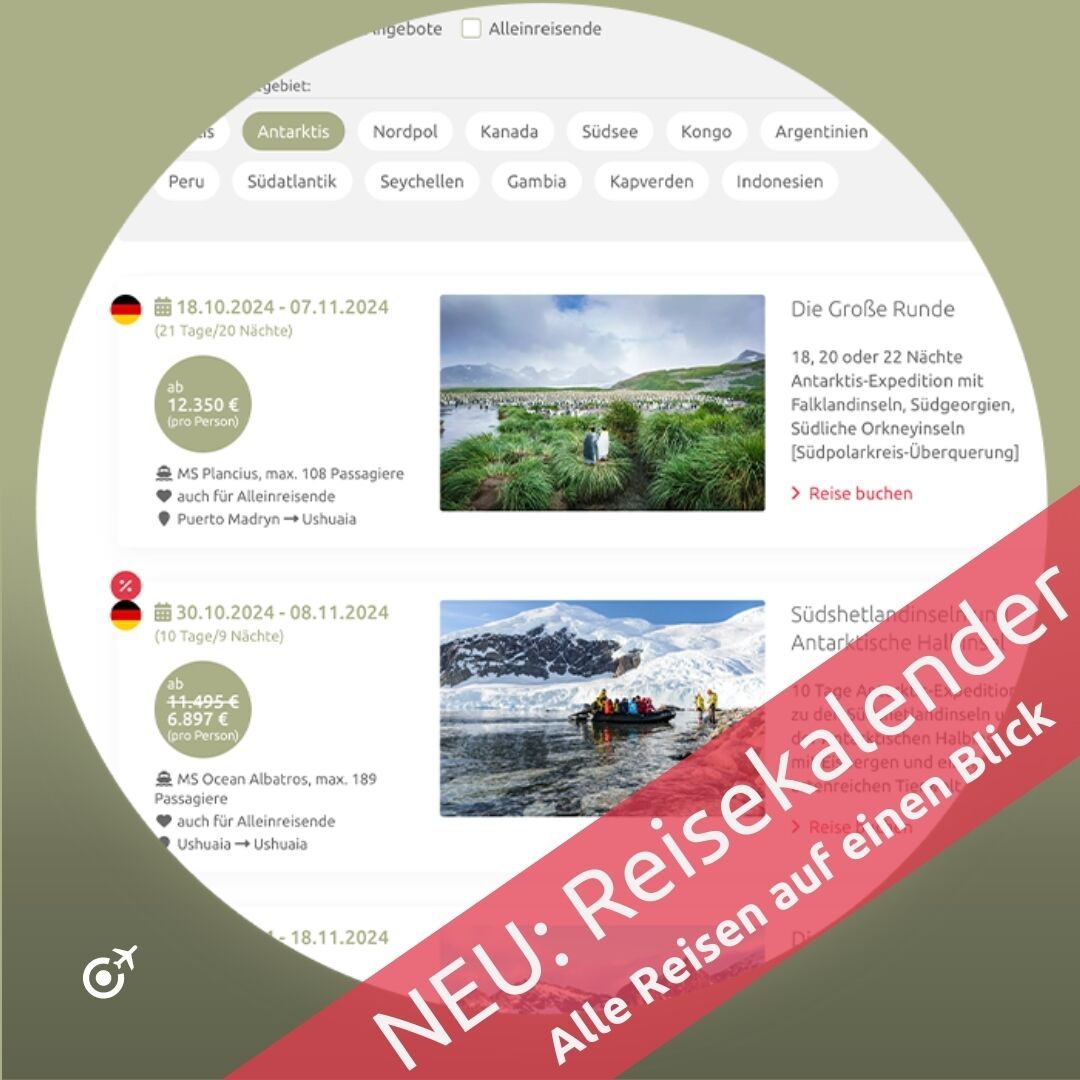
Travel finder: All Antarctic trips and offers at a glance
Browse through the calendar and find your perfect Antarctic trip

Stephanie Gräf
Owner & Founder
Since 2002, I have been personally advising clients on unique expeditions and private trips, small-ship cruises, and journeys to remote regions of the world.
We'd be happy to discuss your trip with you in person.
Why not contact me right now at Phone: +49 201 85890960 or email welcome@inventia.de.
Or schedule a free, no-obligation one-on-one phone call (also via WhatsApp or Wi-Fi), a Teams or Zoom meeting here—even in the evenings or on weekends:

Are you interested in Antarctica but don't know where to start?
Our FREE Antarctic Mini-Guide sheds light on the ice.
Newsletter: Travel beyond the ordinary
Stay in touch with us and receive our latest travel ideas on a regular basis.
Subscribe to our newsletter
Exclusive tips for extraordinary, once-in-a-lifetime trips delivered straight to your inbox.
Shall we stay in touch?
Our Trips to XXX
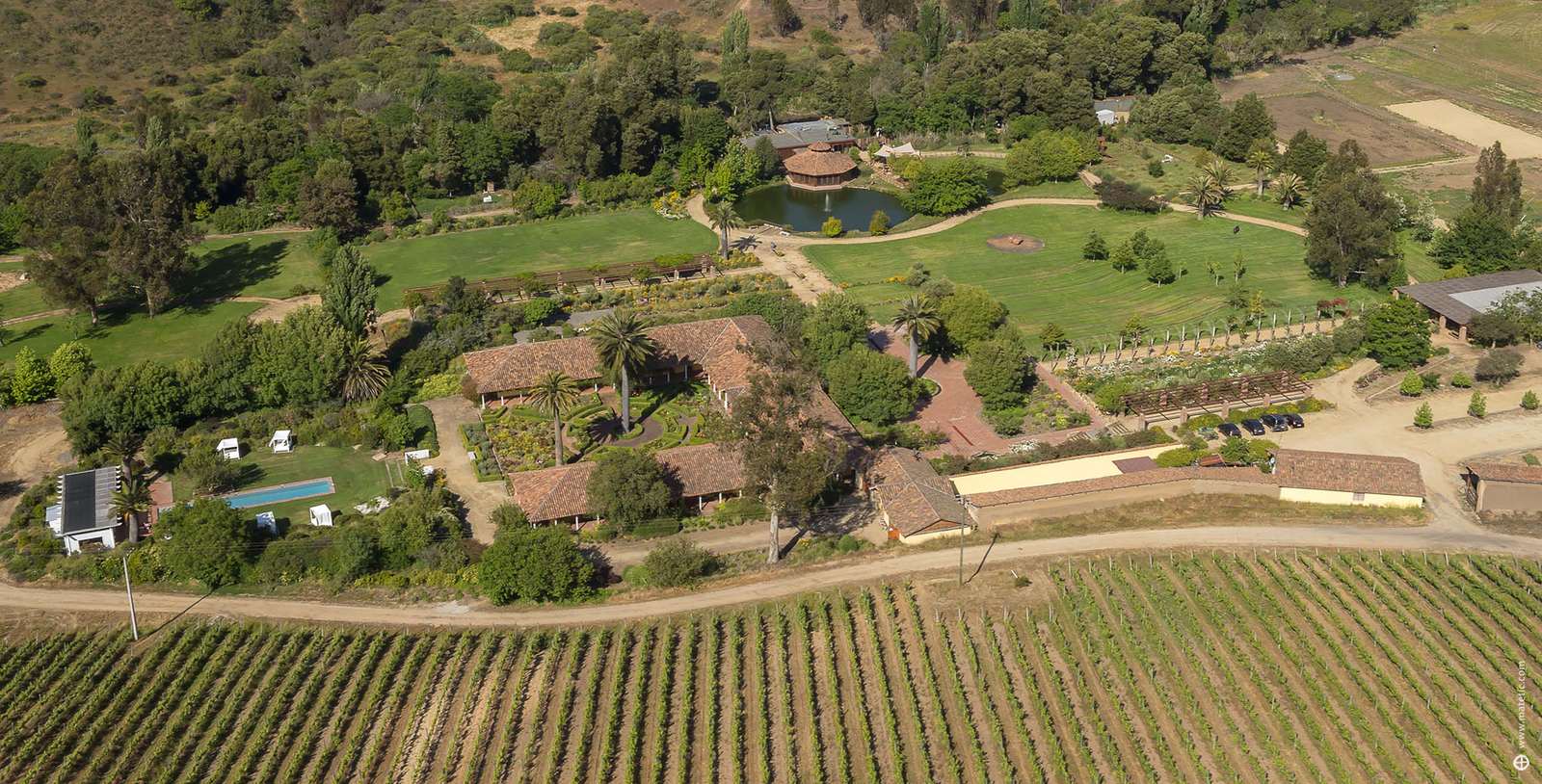
Easter Island: An Exclusive Experience, Concluding at a Historic Eco-Winery

The Stone Giants of Easter Island
Contrast-Rich Chile in Style