Southern Lights: Travel with us to see the rarely observed Aurora Australis
There are experiences in nature that you will never forget. The southern lights are one of them. High above Antarctica, bands of green, purple, pink, and red light dance across the sky. Silent, powerful, and deeply moving. Very few people have ever seen this spectacle for themselves. At inventia, we make it possible.
Following the huge success of our Northern Lights tours, we are now focusing on exclusive Antarctic expeditions to see the Aurora Australis, one of the rarest natural phenomena on Earth.
A spectacle of color above the Arctic Circle
All of our trips to see the southern lights cross the Antarctic Circle at 66 degrees 33 minutes. This moment is a real milestone of every expedition. The further south you are, the better your chances of experiencing the Aurora Australis in all its glory.
The aurora season in Antarctica begins in mid to late March. As the Antarctic summer slowly comes to an end, the nights become darker and the skies clearer. Then, flowing bands of light in fascinating colors regularly appear above the untouched ice landscape. Without light pollution, ideal conditions for observation and photography are created.
Pure Antarctica by day, southern lights by night
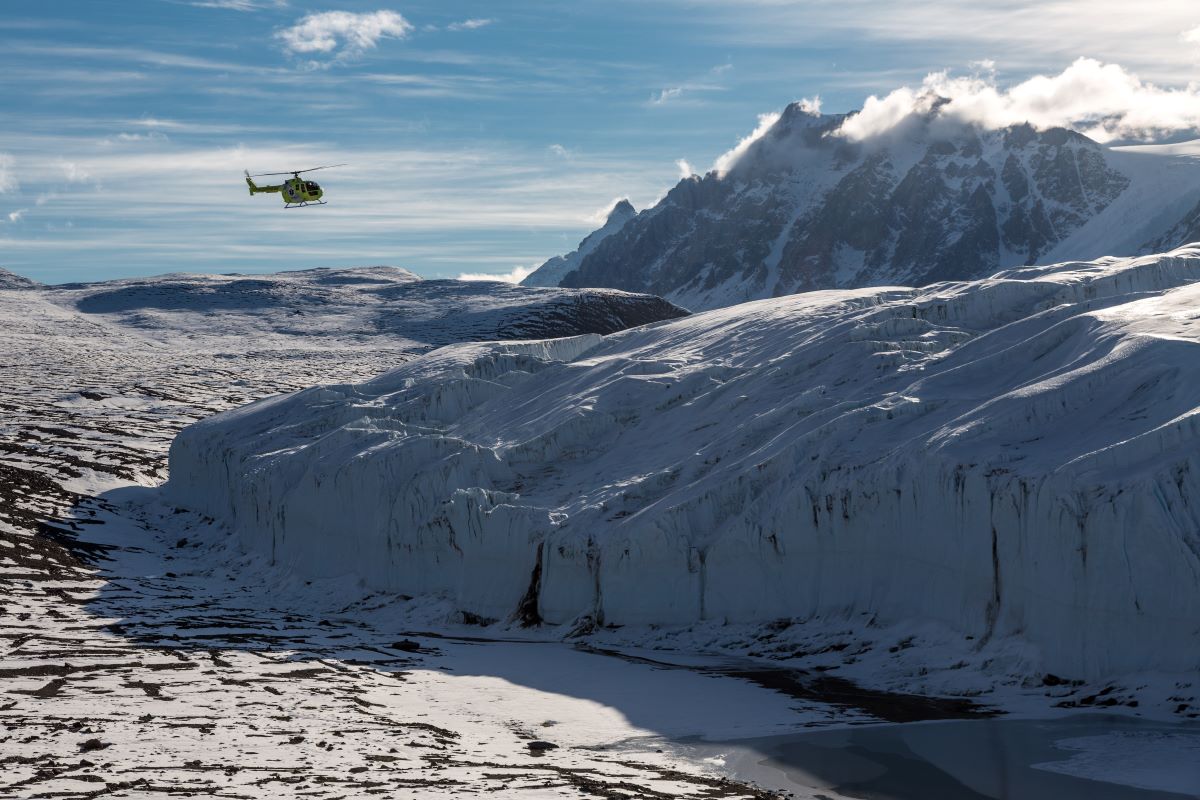
An expedition to see the southern lights is much more than just a nighttime spectacle in the sky. During the day, you will experience Antarctica in all its pristine glory. Mighty icebergs, calving glacier fronts, and endless ice landscapes dominate the landscape.
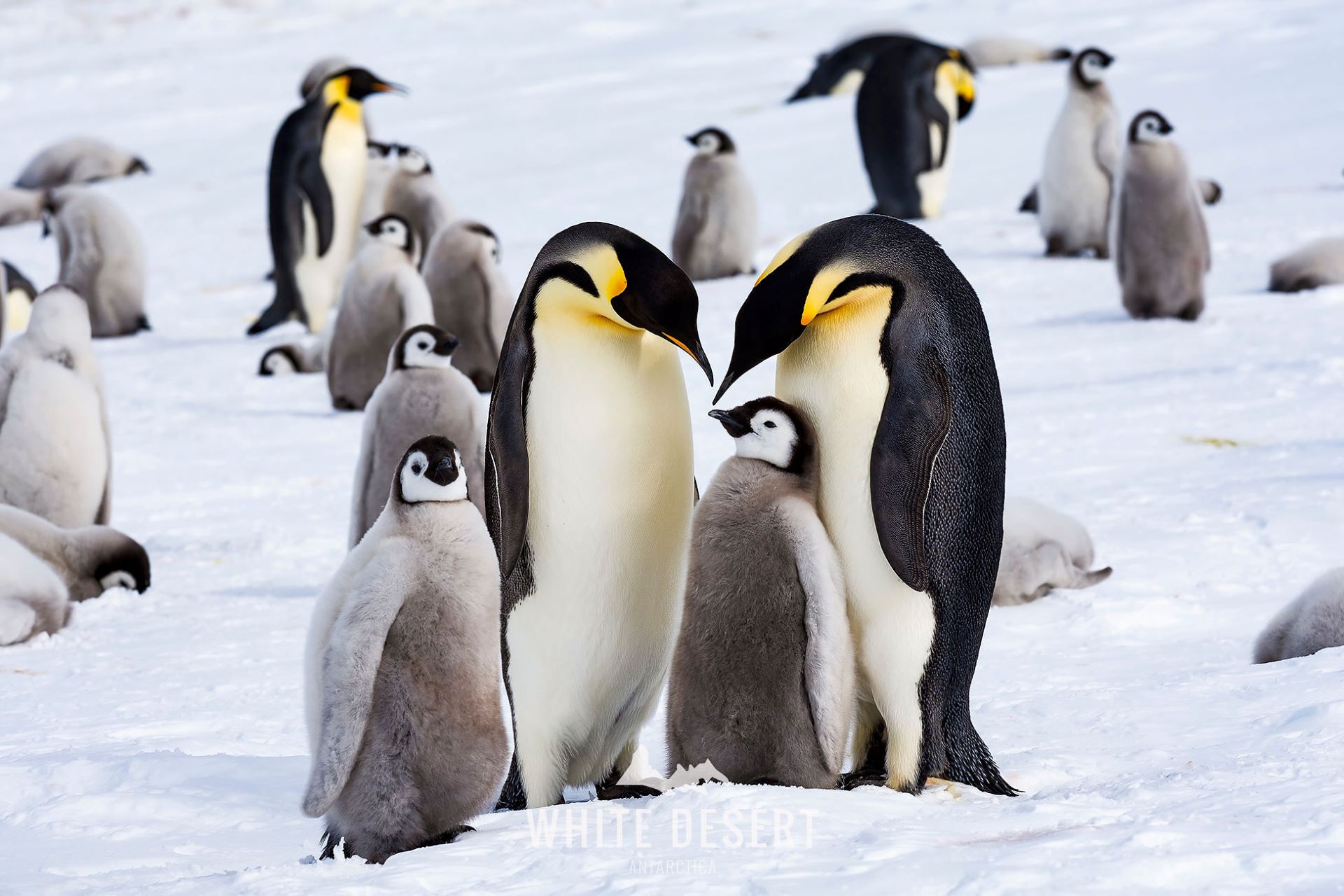
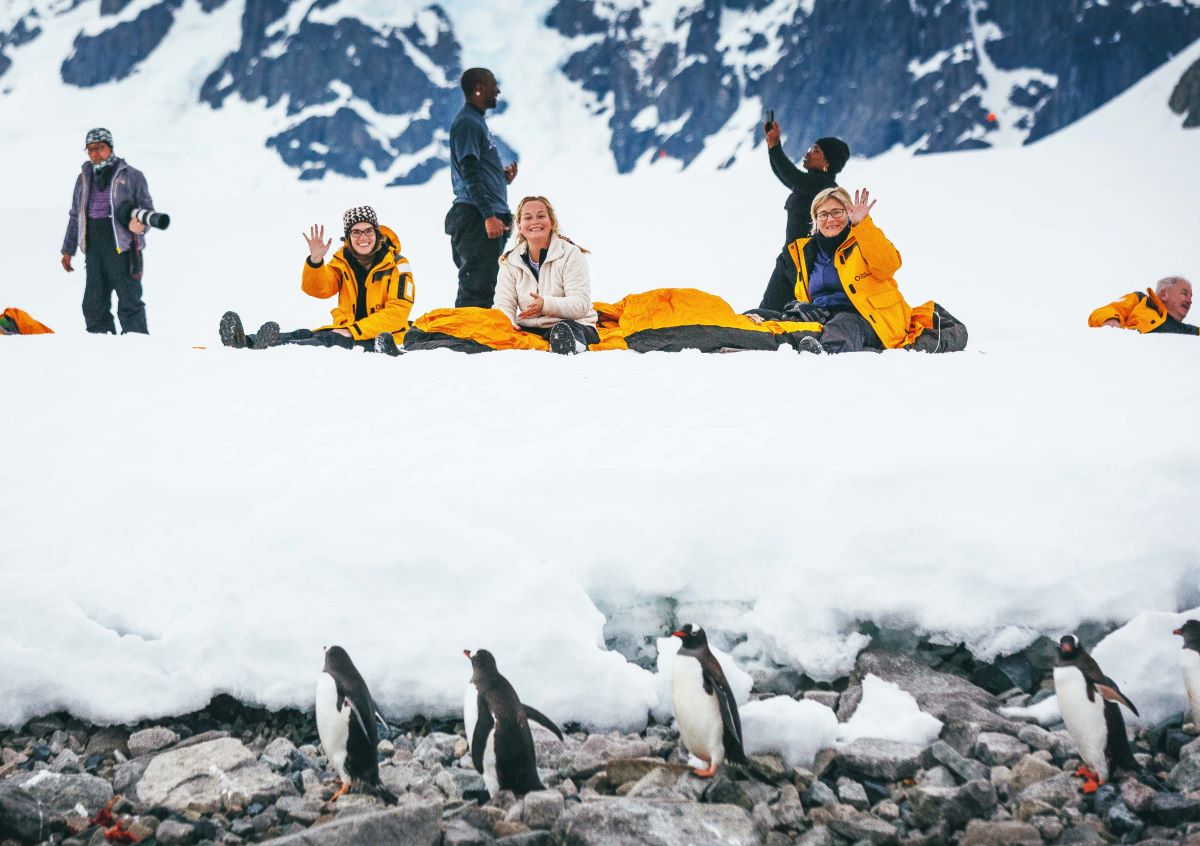
Zodiac excursions, landings, and kayak tours bring you up close to Antarctic wildlife. Orcas, humpback whales, minke whales, penguins, seals, and seabirds can be observed in the wild. Historic explorer huts and early research stations bring the history of polar exploration to life.
Depending on the route, hiking, snowshoeing, optional camping nights on the ice, or the legendary Polar Plunge add to the experience. And when darkness falls, all eyes turn to the sky once again. The southern lights often appear completely unexpectedly, making every night unique.
Small expedition ships and a short season: why booking early is crucial
Trips to see the southern lights are particularly popular and quickly booked up. There are good reasons for this. The season is limited to a few weeks in March and early April. Only then are the nights dark enough and the polar sea still navigable.
In addition, at inventia we exclusively use small expedition ships with few cabins. This allows for flexible routes, access to sensitive landing sites, and intense experiences in small groups. Anyone who wants to experience this extraordinary adventure should plan early.
Four exclusive routes to the Southern Lights in 2026 and 2027
For the coming years, we have developed four special expeditions that focus on the experience of the Aurora Australis.
Aurora Australis – Southern Lights
Aurora Australis – Southern Lights: This extraordinary Antarctic expedition takes you beyond the Antarctic Circle – to where dark nights, clear skies, and complete isolation create ideal conditions for observing the Aurora Australis. A rare journey for anyone who wants to not only see Antarctica, but also understand it.
Uncharted islands south of the Arctic Circle
Uncharted islands south of the Arctic Circle: a 15-day expedition through truly uncharted territory. The expedition ship MS Ortelius will take you to the iceberg graveyard in Lazarev Bay and the ice-rich waters of Crystal Sound, home to orcas and minke whales. A navigation workshop on board will enhance your expedition experience.
Across the Antarctic Circle into the Weddell Sea
Across the Antarctic Circle to the waters of Antarctica teeming with wildlife: a 15-day journey to one of the most wildlife-rich regions of Antarctica. Surreal ice landscapes, encounters with orcas, humpback whales, fur seals, and penguins, as well as a visit to Elephant Island, where Shackleton's crew once found refuge.
In the footsteps of legendary explorers
Follow in the footsteps of legendary explorers: a 13-day journey focusing on history and nature. Historians accompany the expedition. You will visit abandoned research stations, witness calving glaciers in Marguerite Bay, and traverse the iceberg cathedrals of the Lemaire Channel. Trekking, kayaking, snowshoeing, and yoga round out the program.
An experience for people seeking the extraordinary
The southern lights are rare, unpredictable, and that's exactly what makes them so fascinating. Our Antarctic expeditions are aimed at people who are looking for something special, who want to experience nature with respect, and who are ready to embark on a real adventure.
If you dream of seeing one of the most spectacular celestial phenomena on Earth with your own eyes, we invite you to join us in making this experience a reality. A trip to see the Southern Lights is more than just an expedition. It is a memory that will last a lifetime.
We will find the right Antarctic trip for you
Let us know your wishes and ideas conveniently online. Request a trip now
Find your individual trips according to your wishes
Discover individual travel, Antarctic travel, Arctic travel, and exclusive travel offers. Find your trip now
Your questions and answers
1. When is the best time to travel to see the Aurora Australis in Antarctica?
The best chances are from late March to early April, when the nights become significantly darker again and, at the same time, the ice and weather conditions are still suitable for expeditions. During this short window, darkness, solar activity, and accessibility come together in an ideal combination.
2. What factors specifically influence sightings of the Aurora Australis?
Three factors are crucial: sufficient darkness, clear visibility without cloud cover, and active solar winds. In addition, a route south of the Antarctic Circle significantly increases the probability.
3. Why is Antarctica considered one of the best places in the world to see the southern lights?
Antarctica offers almost complete absence of light pollution, extremely clear air, and exceptional remoteness. As a result, under the right conditions, the northern lights appear more intense and contrasting than in many other regions of the world.
4. How important is solar activity for the Aurora Australis?
The aurora occurs when charged particles from the solar wind collide with the upper atmosphere. Increased solar activity increases the intensity, but can only be reliably predicted at short notice, often just a few days in advance.
5. How dark are the nights in Antarctica compared to the Arctic?
In Antarctica, the sky is exceptionally dark when conditions are clear, as there are no cities or permanent settlements. Compared to the Arctic, you are much further away from human infrastructure, which further enhances the perception of darkness.
6. Which routes offer particularly good conditions for viewing the Northern Lights?
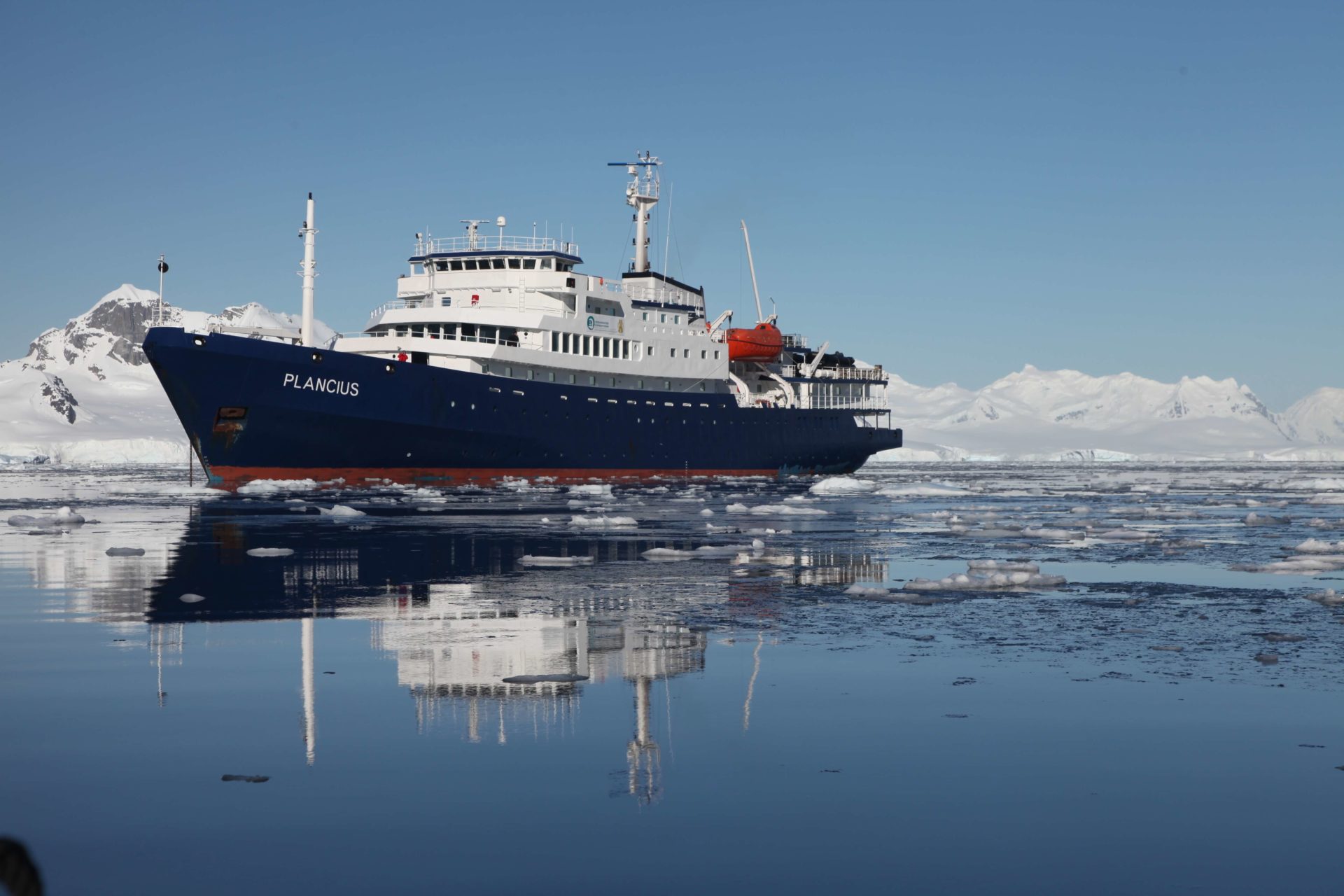
Expeditions crossing the Antarctic Circle at 66° 33′ S are considered particularly promising. They take you to regions with maximum darkness and minimal disturbances, regardless of whether the ship is called MS Ortelius, St Helena, or MS Plancius.
7. Why is crossing the Antarctic Circle such a special milestone?
The geographical line at 66° 33′ south latitude marks the entrance to the true polar zone. Only a few voyages reach this point. For many guests, this is a symbolic highlight and a true expedition feature.
8. How do travelers experience potential aurora nights on board?
On clear evenings, we pay close attention to gaps in the clouds and activity levels. Guests stay warmly dressed on deck or in open observation areas. Sightings often occur spontaneously and require patience and attention.
9. What camera equipment is suitable for photographing the Northern Lights at sea?
Fast wide-angle lenses, cameras with good low-light performance, and high ISO capability are ideal. Flexible settings are important due to the movement of the ship. Even modern smartphones deliver surprisingly good results with night mode.
10. Who is an Antarctic expedition with the chance to see the aurora particularly suitable for?
These trips are aimed at people who accept unpredictability, seek authentic experiences in nature, and value scientific, scenic, and emotional depth. Those who expect control and fixed schedules are less suited to these trips than curious explorers.
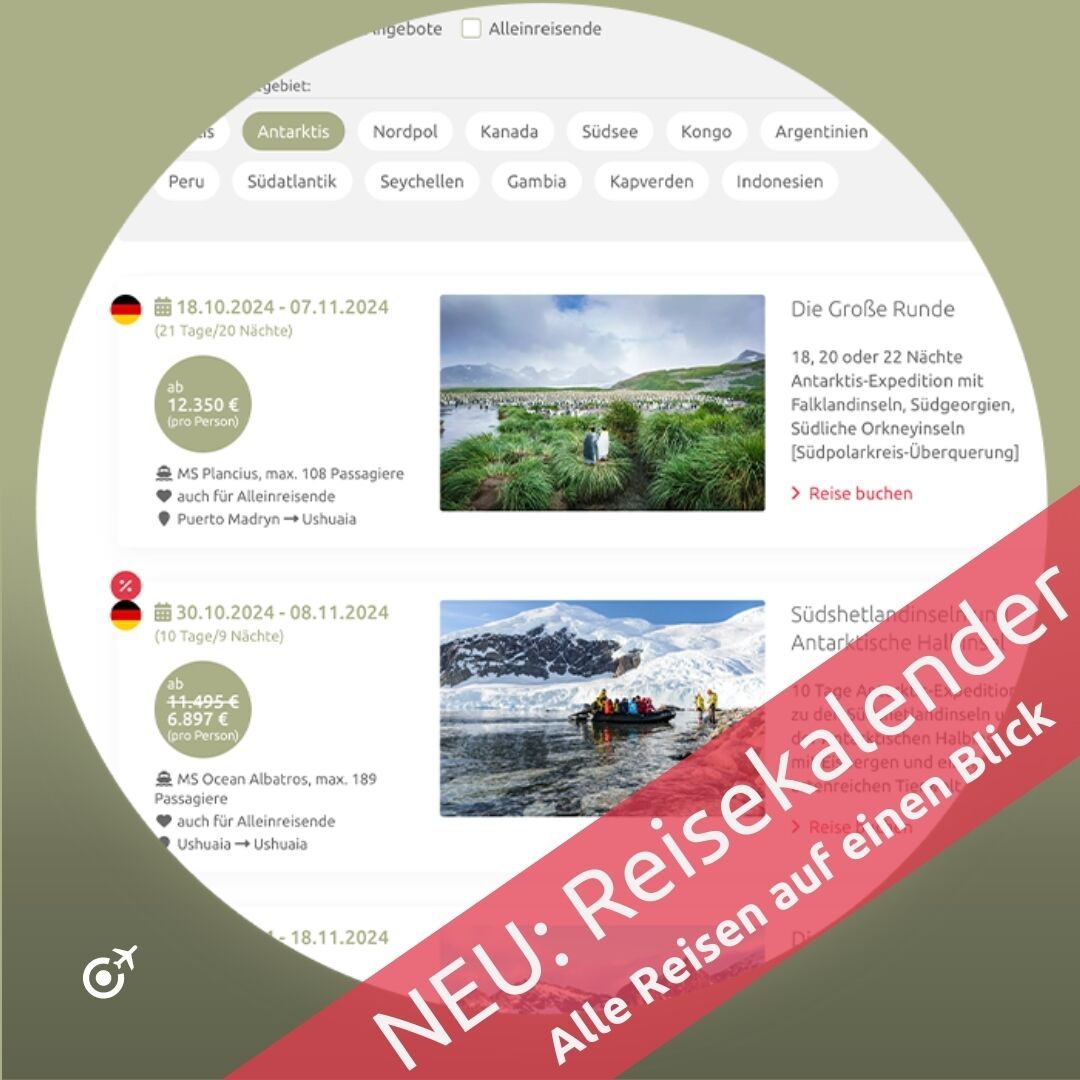
Travel finder: All Antarctic trips and offers at a glance
Browse through the calendar and find your perfect Antarctic trip

Stephanie Gräf
Owner & Founder
Since 2002, I have been personally advising clients on unique expeditions and private trips, small-ship cruises, and journeys to remote regions of the world.
We'd be happy to discuss your trip with you in person.
Why not contact me right now at Phone: +49 201 85890960 or email welcome@inventia.de.
Or schedule a free, no-obligation one-on-one phone call (also via WhatsApp or Wi-Fi), a Teams or Zoom meeting here—even in the evenings or on weekends:

Are you interested in Antarctica but don't know where to start?
Our FREE Antarctic Mini-Guide sheds light on the ice.
Are you interested in Antarctica but don't know where to start?
Our FREE Antarctic Mini-Guide sheds light on the ice.
Shall we stay in touch?
Your questions and answers
1. When is the best time to travel to see the Aurora Australis in Antarctica?
The best chances are from late March to early April, when the nights become significantly darker again and, at the same time, the ice and weather conditions are still suitable for expeditions. During this short window, darkness, solar activity, and accessibility come together in an ideal combination.
2. What factors specifically influence sightings of the Aurora Australis?
Three factors are crucial: sufficient darkness, clear visibility without cloud cover, and active solar winds. In addition, a route south of the Antarctic Circle significantly increases the probability.
3. Why is Antarctica considered one of the best places in the world to see the southern lights?
Antarctica offers almost complete absence of light pollution, extremely clear air, and exceptional remoteness. As a result, under the right conditions, the northern lights appear more intense and contrasting than in many other regions of the world.
4. How important is solar activity for the Aurora Australis?
The aurora occurs when charged particles from the solar wind collide with the upper atmosphere. Increased solar activity increases the intensity, but can only be reliably predicted at short notice, often just a few days in advance.
5. How dark are the nights in Antarctica compared to the Arctic?
In Antarctica, the sky is exceptionally dark when conditions are clear, as there are no cities or permanent settlements. Compared to the Arctic, you are much further away from human infrastructure, which further enhances the perception of darkness.
6. Which routes offer particularly good conditions for viewing the Northern Lights?
Expeditions crossing the Antarctic Circle at 66° 33′ S are considered particularly promising. They take you to regions with maximum darkness and minimal disturbances, regardless of whether the ship is called MS Ortelius, St Helena, or MS Plancius.
7. Why is crossing the Antarctic Circle such a special milestone?
The geographical line at 66° 33′ south latitude marks the entrance to the true polar zone. Only a few voyages reach this point. For many guests, this is a symbolic highlight and a true expedition feature.
8. How do travelers experience potential aurora nights on board?
On clear evenings, we pay close attention to gaps in the clouds and activity levels. Guests stay warmly dressed on deck or in open observation areas. Sightings often occur spontaneously and require patience and attention.
9. What camera equipment is suitable for photographing the Northern Lights at sea?
Fast wide-angle lenses, cameras with good low-light performance, and high ISO capability are ideal. Flexible settings are important due to the movement of the ship. Even modern smartphones deliver surprisingly good results with night mode.
10. Who is an Antarctic expedition with the chance to see the aurora particularly suitable for?
These trips are aimed at people who accept unpredictability, seek authentic experiences in nature, and value scientific, scenic, and emotional depth. Those who expect control and fixed schedules are less suited to these trips than curious explorers.
Shall we stay in touch?
Further articles on Antarctica
Winter Packing List for Lapland: What You Really Need

What do I absolutely need to do right before leaving for Antarctica…
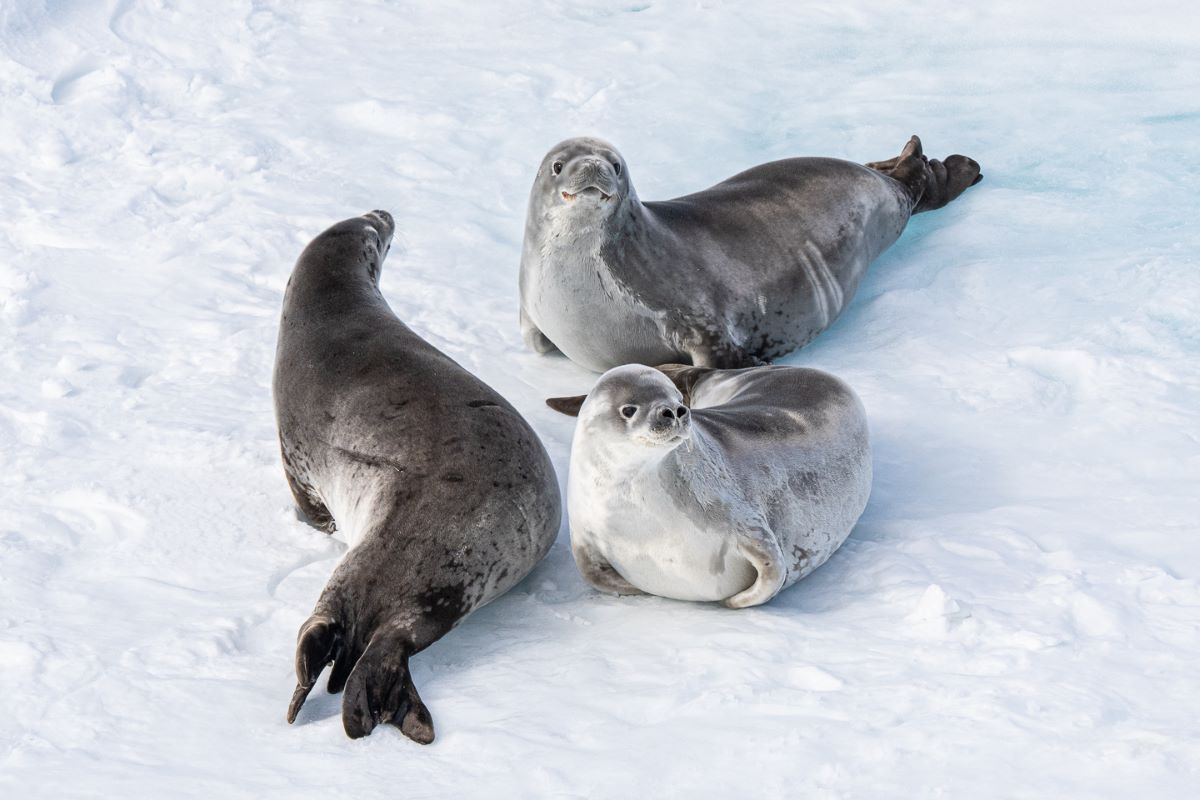
Antarctic voyage: What costs should I expect?

Encountering polar bears: Searching for traces in Canada, Spitsbergen, and Greenland

ESTA for South Georgia – Entry authorization now mandatory
Where does my trip to Antarctica start, and how do I get there?
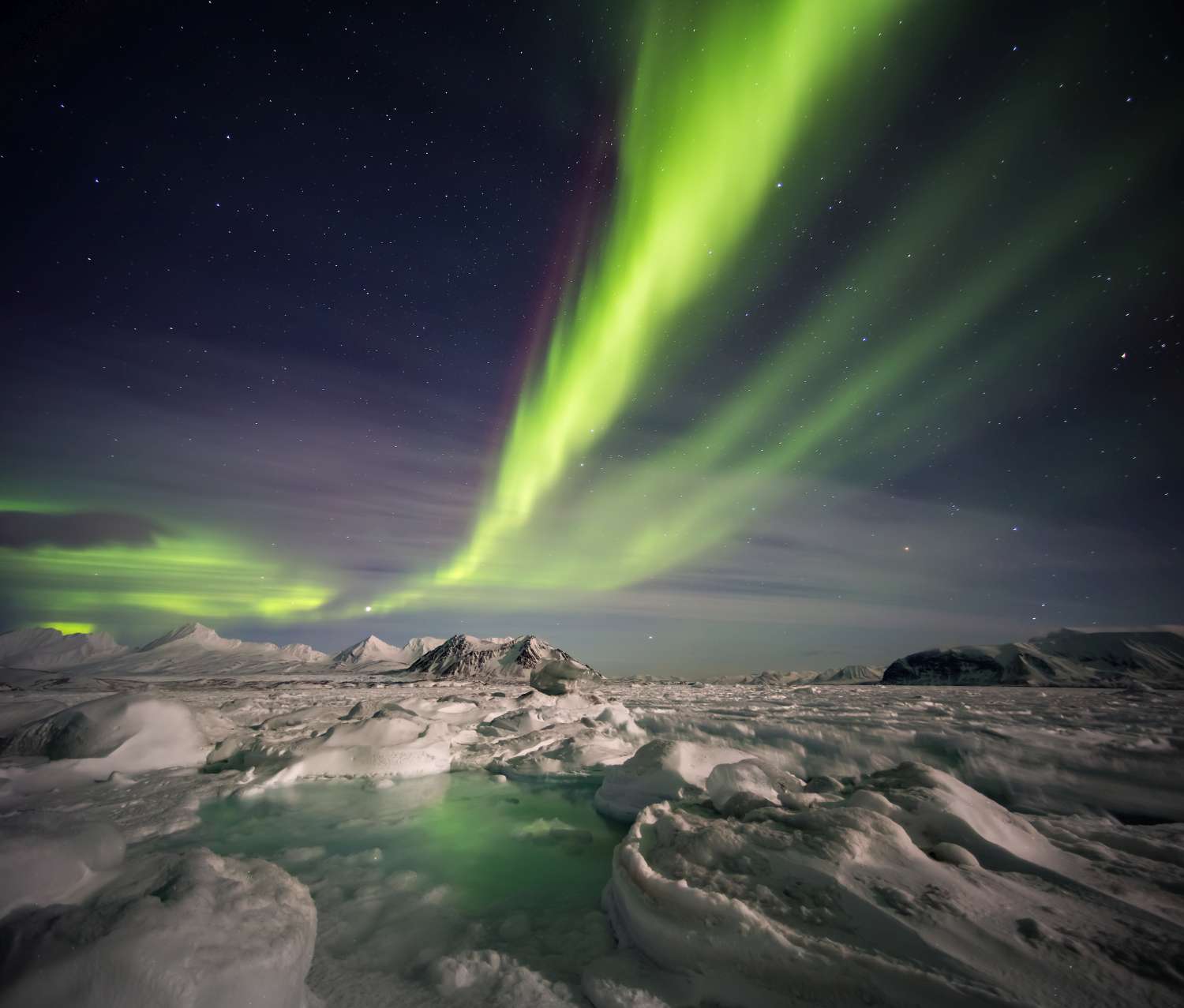
My personal travel favorites in the Arctic and Antarctic
Hapag-Lloyd Antarctic Expeditions: Entirely in German
The benefits of booking your Antarctic trip with inventia
[Travel information] Your polar voyage with the MS Plancius, MS Ortelius, or MS...
What is the best way to book my trip to Antarctica?