Rwanda | Small country with big animals
Rwanda is under the radar:
Those who travel to Africa for gorilla trekking visit its large neighbor Uganda, and only a few tours offered by major tour operators include Rwanda.
In my daily work at the travel agency, I have also noticed that very few travelers who want to go gorilla trekking consider visiting Rwanda on their own, independently. Many people still have vivid memories of the news reports and images of the genocide in the 1990s: in 100 days, almost 1 million people, mainly Tutsis, were brutally murdered with machetes and clubs by Hutus. Neighbors killed neighbors, men, women, and children. The country bears a heavy historical burden, and coming to terms with the past involves many social hurdles.
Today, there are hardly any traces left of this period. Paul Kagame, the current autocratic president, rules the country with an iron fist and promises his people a quick path to modernity. And he is making great strides forward.
Is Rwanda worth visiting?
I don't think you, as my reader, would assume that I would write this article if that weren't the case. So the answer is a resounding YES! Rwanda is worth a visit. Hardly any other destination will surprise you as much.
If you are a fan of slow travel, you will benefit from the short distances in Rwanda. You can see a lot in the time you have available without having to change accommodation frequently or travel hundreds of kilometers. You can visit all of Rwanda's highlights in 7–10 days.
The main attraction in Rwanda is gorilla tracking in Volcanoes National Park. Around 10 habituated gorilla families live on the Rwandan side of the border with Uganda and the Democratic Republic of Congo.
Those who come to Rwanda solely for gorilla trekking have a short journey: you can fly out of Frankfurt in the morning and arrive at your lodge in Volcanoes National Park by late evening.
Getting there is pretty easy: after a flight time of around 10.5 hours (with a short stopover in Brussels), you will land in the Rwandan capital of Kigali. The transfer from Kigali to Volcanoes National Park in northwestern Rwanda takes around 2 to 3 hours. Check into your chosen lodge in the national park in the late evening. This means you can be ready for the briefing with the park rangers and your gorilla trekking tour at 7 a.m. the next morning.
Wow, Rwanda. Hats off!
In some areas, Rwanda serves as a role model beyond Africa.
Would you have expected that?
The present (and future) of Rwanda is female. The advancement of women is a declared goal of the government. According to the World Economic Forum, Rwanda ranks fifth worldwide when it comes to gender equality. By comparison, Germany ranks twelfth.
Equality is enshrined in Rwanda's constitution. Women receive strong support, including favorable loans if they want to start their own businesses, and training in entrepreneurship.
More than 60% of the seats in the Rwandan parliament are held by women—the highest proportion in the world! Share on XAnd who would have thought it: since 2008 (yes, that's not a typo) , it has been illegal in Rwanda to import, produce, sell or even simply possess plastic bags. This is enforced by the state and strictly prosecuted. There is even a plastic police force. Anyone who fails to comply faces heavy fines.
The last Saturday of every month is Umuganda Day. All Rwandans are called upon to clean up and tidy up the entire country. Even the president joins in, wearing rubber boots. Neighbourly help is very important: once the work for the community is done, neighbours help each other with smaller construction projects. German travellers particularly like this: the backyards and other areas along the way are – from a German perspective – enviably clean and tidy. You won't find this in other countries.
Rwanda thus serves as a role model not only for Africa but for the whole world in three important areas: equality, community spirit, and animal and environmental protection.
By the way, Rwanda's landscape is incredible. Incredibly lush green rainforests, hills, volcanoes, and mountains—as far as the eye can see.
Vulcanoes National Park – home to Rwanda's last remaining mountain gorillas, a species threatened with extinction
Further bamboo and mountain cloud forests and dense fog over the peaks of extinct and lush green volcanoes (Mount Visoke 3,711 meters, Mount Mikeno 4,437 meters) create an appropriately mystical atmosphere.
The mountain range stretches across the Democratic Republic of Congo and on to Uganda. Ten habituated gorilla families live on the Rwandan side, while there are 15 families in Impenetrable Bwindi National Park in Uganda.
Dian Fossey – "The woman who lives alone in the forest"
This was also the domain of the renowned primatologist Dian Fossey, without whom there would likely be no gorillas left today. She devoted her entire life to these "gentle giants" and drew attention to the endangered primates through films, reports, and books. Her autobiography,Gorillas in the Mist: My Life with the Gentle Giants,"in which she describes her life with the gorillas in the Virunga Mountains and her scientific work. The book was even made into a film in 1988, with Sigourney Weaver in the lead role. The film "Gorillas in the Mist: The Passion of Dian Fossey"*won a Golden Globe and was nominated for an Oscar.
The legend of Dian Fossey lives on:
Her radical stance did not make her universally popular. On December 27, 1985, Dian Fossey was found murdered at her Karisoke Camp in Rwanda. Many myths surround her violent death, as the murderer was never found. It was her wish to be buried in the gorilla cemetery next to some of her beloved gorillas. Her grave on the southern slope of the Visoke volcano can be visited as part of a fairly challenging trekking tour.
Visiting the mountain gorillas | Gorilla trekking in the Virunga Mountains
Every day, a maximum of 8–10 groups can walk in the footsteps of primates in the national park. Each group consists of approximately 7–8 guests, a head ranger (guide), and two assistants, one of whom walks at the front of the group and the other at the back. Both assistants carry rifles. This is, of course, only for safety reasons, as there have never been any attacks by primates to date.
You must be in perfect health on the day you visit the gorillas. Even the slightest sign of flu may result in you being denied access to the gorillas. The risk of transmitting viruses to the gorillas is too great.
Early in the morning, the first rangers climb the Virunga Mountains and relay the location of the gorilla families to the guides. While you are still at the briefing in the reception area, your guides already know where the families are.
There are no paved paths leading to the gorillas. Your route takes you through dense rainforest over uneven ground and rigid roots. The ranger assistants will often clear branches and twigs out of your way. It is a steady climb uphill. It is best to wear sturdy gardening gloves, as you will also be climbing up vines. During the briefing, participants are divided into different groups according to their level of fitness. Do not overestimate your abilities and assess your fitness realistically. The hike is physically very demanding and can take up to seven hours at altitudes of 1,500 to 2,000 meters. Everyone is highly focused and the tension is palpable. Sometimes it takes up to three endless hours before you encounter "your" gorilla family.
And then comes an incredibly moving moment: just a few meters in front of you, the stately male suddenly appears. These colossal creatures can weigh up to 250 kg. And yet there they sit in front of you, chewing on bamboo sticks, completely unimpressed.
First, gather yourself and soak up this moment.
A few meters behind the male, two young are playing. They romp around like two human children and seem to be having a lot of fun. A family can have up to 20 members.
Your guide already gave you the names of the little ones on the morning before the tour. He explained who belongs to "your" family, how many there are, what their names are, and what distinguishes each member. This makes the encounter feel more like a "family visit."
You will also receive further instructions from your ranger. He will advise you not to look the head of the family directly in the eye. He could interpret this as a challenge and, in the worst case, as a threat.
Once you have met "your" family, you will spend about 45 minutes with them. Then you will make your way back, exhausted but happy.
Visits to the mountain gorilla families are strictly limited by the government. The government only issues a small number of trekking permits per day, which every traveler must purchase. Due to these limitations, it is almost impossible to book this once-in-a-lifetime experience at short notice. To be on the safe side, book your gorilla trekking at least six months in advance. Of course, I will obtain the permits for you if you book your trip to Rwanda through me.
Gorilla trekking in Rwanda is significantly more expensive than in Uganda, but also more exclusive. In 2017, the cost almost doubled to US$1,500 per person. The revenue from the permits is used exclusively for gorilla conservation.
Goodbye Rwanda
I am sure that you will particularly enjoy this special evening after visiting the mountain gorillas. The encounter with these gentle giants will stay with you for a long time to come.
Enjoy the evening with a sundowner in a fitting atmosphere, overlooking the mist-covered forests of Vulcanoe National Park, where "your" gorilla family also settles down to sleep.
We have various lodges in our program, but I would particularly like to recommend this special luxury eco-lodge:
Bisate Wilderness Lodge
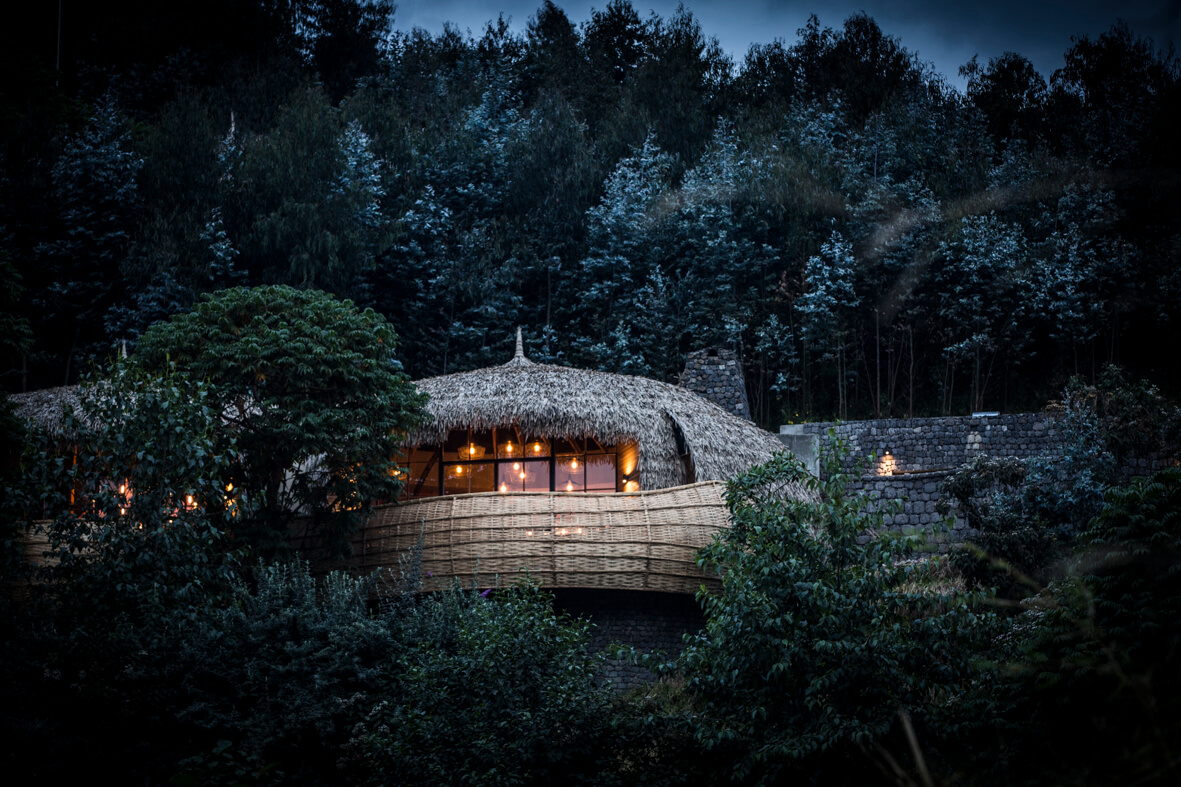
Bisate Lodge, Wilderness Safari, Rwanda
*Affiliate link
Yours, Stephanie Gräf

Shall we stay in touch?
Welcome to inventia!
My name is Stephanie Gräf and I am your contact person for travel inquiries and bookings.
Your personalized quote is already on its way to you. Just let me know when you would like to travel.
Send me an email at welcome@inventia.deorcall me at +49 (0)201 946 16 306.
Don't settle for the standard. You deserve more.
Shall we stay in touch?
Single room without extra charges
#AHeartforSoloTravelers
10 answers to the most frequently asked questions about Antarctic travel
All trips, all ships, early bird and last-minuteoffers around Antarctica.
Travel articles from my blog

How much time should I set aside for a trip to Antarctica?
Plan your Antarctic journey—from short adventures to intensive expeditions. Find out how long each trip lasts!

What is a typical day like on board during an Antarctic cruise?
Experience the varied daily routine on an expedition ship: beautiful landings, wildlife viewing, and helicopter flights await you!

Your Trip to Antarctica: Cruise or Expedition?
Learn more about the differences between Antarctic cruises and expeditions to find the ideal ship for your dream trip.

The South Pole in Antarctica: The southernmost point on Earth
Learn how flight expeditions to the geographic South Pole are organized and what you can expect on this journey beyond the ordinary!

Antarctic Half-Circumnavigation: The Ultimate Challenge Among Antarctic Expeditions
Discover the Ross Sea, UNESCO World Heritage Sites, and fascinating wildlife on luxurious expeditions between South America and New Zealand.

Our last available Northern Lights chalets with glass roofs for January, February, and March 2025
Watch the Northern Lights from the comfort of your warm bed! Experience Arctic Northern Lights tours and winter activities at Aurora Village!

The Grand Tour of Antarctica
Discover the Falkland Islands, the Antarctic Peninsula, and South Georgia on a 19- to 23-day expedition through the Weddell Sea.

The Antarctic Peninsula
Discover the Antarctic Peninsula: impressive fjords, abandoned whaling stations, and fascinating wildlife. Book your trip now!

Highlights of Antarctica: From Icy Landscapes to Wildlife
Learn more about the highlights of Antarctica: breathtaking nature, unique wildlife, and exciting activities await you here!

“Don’t Pack a Pest”: Protect Antarctica by traveling responsibly
Learn how you can help preserve and protect the fragile Antarctic ecosystem on your trip with the IAATO initiative.

6 Simple Steps to the Perfect Antarctic Expedition
Use our step-by-step guide to find the Antarctic trip that's perfect for you: Antarctic travel tips from the specialists
![[Press release] Antarctic travel specialist develops guide for your first trip to Antarctica](https://www.inventia.de/wp-content/uploads/2024/10/Blogbanner-inventia-in-der-Presse-400x250.jpg)
[Press release] Antarctic travel specialist develops guide for your first trip to Antarctica
Practical tips on exclusive trips and routes in our Antarctic mini-guide. Find out more now and get yourself perfectly prepared!

When is the best time to travel to Antarctica?
Find out when is the best time to travel for expeditions and spectacular nature and wildlife experiences in Antarctica.
[Press release] Once-in-a-lifetime travel specialist offers last available cabins for extraordinary Antarctic expedition with €1,500 discount
27 days in the Weddell Sea and Neuschwabenland: emperor penguins, huge icebergs, and Shackleton's Endurance. Secure the last cabins!

Exclusive expedition to Antarctica: 28-day intensive trip to the Weddell Sea
Discover a region renowned for its wildlife, icebergs, and dramatic history. Our Antarctic expedition programs are packed with fantastic expeditions, including a new itinerary that visits key locations in South Georgia, the...
[Press release] Exclusive German once-in-a-lifetime travel specialist honored with prestigious EU Travel Award
Award-winning German travel specialist honored with prestigious EU Travel Award for once-in-a-lifetime experiences.
Over 100 fascinating facts about Antarctica
Hier kommen die Zahlen, Rekorde und Kuriositäten, die Sie kennen sollten, bevor Sie in die Antarktis aufbrechen! Erhalten Sie Antworten auf die 10 häufigsten Fragen rund um das faszinierende Reiseziel Antarktis. zum kostenlosen Mini-GuideAntarktis in a nutshell - So...
Cosmic spectacle in East Greenland: Travel to the solar eclipse
August 12, 2026 | 4:37 p.m. | Blosseville Coast, East Greenland On August 12, 2026, East Greenland will witness a spectacular celestial event: a total solar eclipse. This eclipse will begin in the northernmost part of Russia and extend across the Arctic...
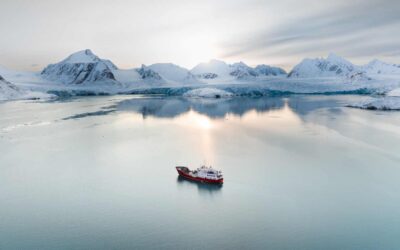
Small is beautiful! Polar voyages on small expedition ships
In times of climate change, cruises—especially to the poles, the Arctic, and the Antarctic—are rightly under scrutiny. We, as personal and individual boutique tour operators, welcome any regulation that restricts large cruise ships with their...
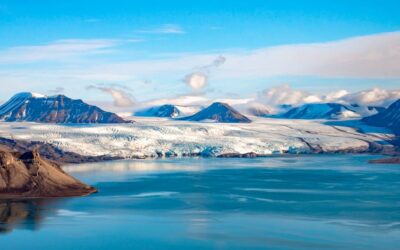
New laws for nature conservation and animal welfare in Svalbard
Dear customers, friends, and interested parties, new travel regulations for Svalbard will come into effect on January 1, 2025, to protect the environment and wildlife. Today, we would like to give you an overview of the new guidelines, explain them, and provide you with...
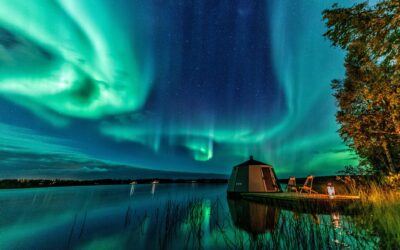
Everything you need to know about the Northern Lights
See the Northern Lights! A trip to see the Northern Lights is one of the most sought-after destinations and is on so many people's bucket list. We receive many inquiries about the Northern Lights every day. And we have noticed that many details about...
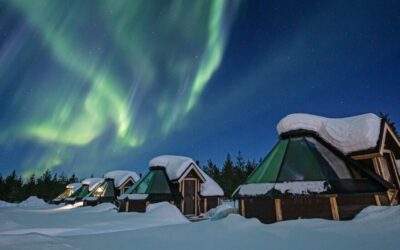
Travel tips for your Northern Lights trip to Finland – including a packing list
Practical travel tips including a packing list to help you prepare perfectly for your Northern Lights trip to Finland.
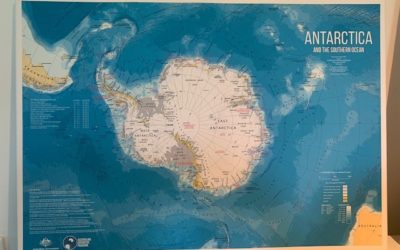
Antarctic map for free download: Bring Antarctica into your home
Hello, I have a question for you: Have you ever noticed that Antarctica is not shown on some world maps? It's as if it doesn't exist. In the southernmost region, you will find only masses of water, but no seventh continent. Quite...
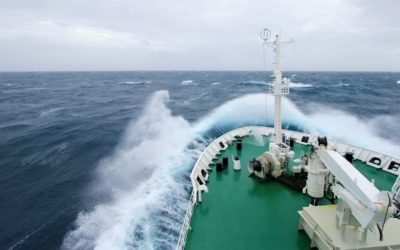
Drake Passage: Everything You Need to Know About the “Gateway to Antarctica”
A legendary strait between South America and Antarctica, known for its fierce storms. Cross or fly over the Drake!
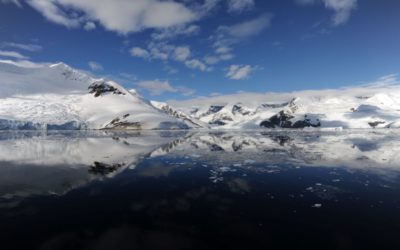
On extraordinary routes through Antarctica
Once in a lifetime: Leave the beaten track behind and join us on an extraordinary journey through Antarctica.