Everything you need to know about the Northern Lights
See the Northern Lights once!
A trip to see the Northern Lights is one of the most sought-after destinations and is on so many people's bucket list.
We receive many inquiries about the Northern Lights every day. And we have noticed that many details about the dancing aurora are not widely known.
To help you plan your dream trip to see the Northern Lights, we have compiled and answered the most important questions.
What are polar lights (also known as northern lights or aurora borealis)?
What are northern lights?
The aurora borealis (northern lights) is probably the most popular natural spectacle in the sky. For many people, it is an experience they definitely want to have at least once in their lives.
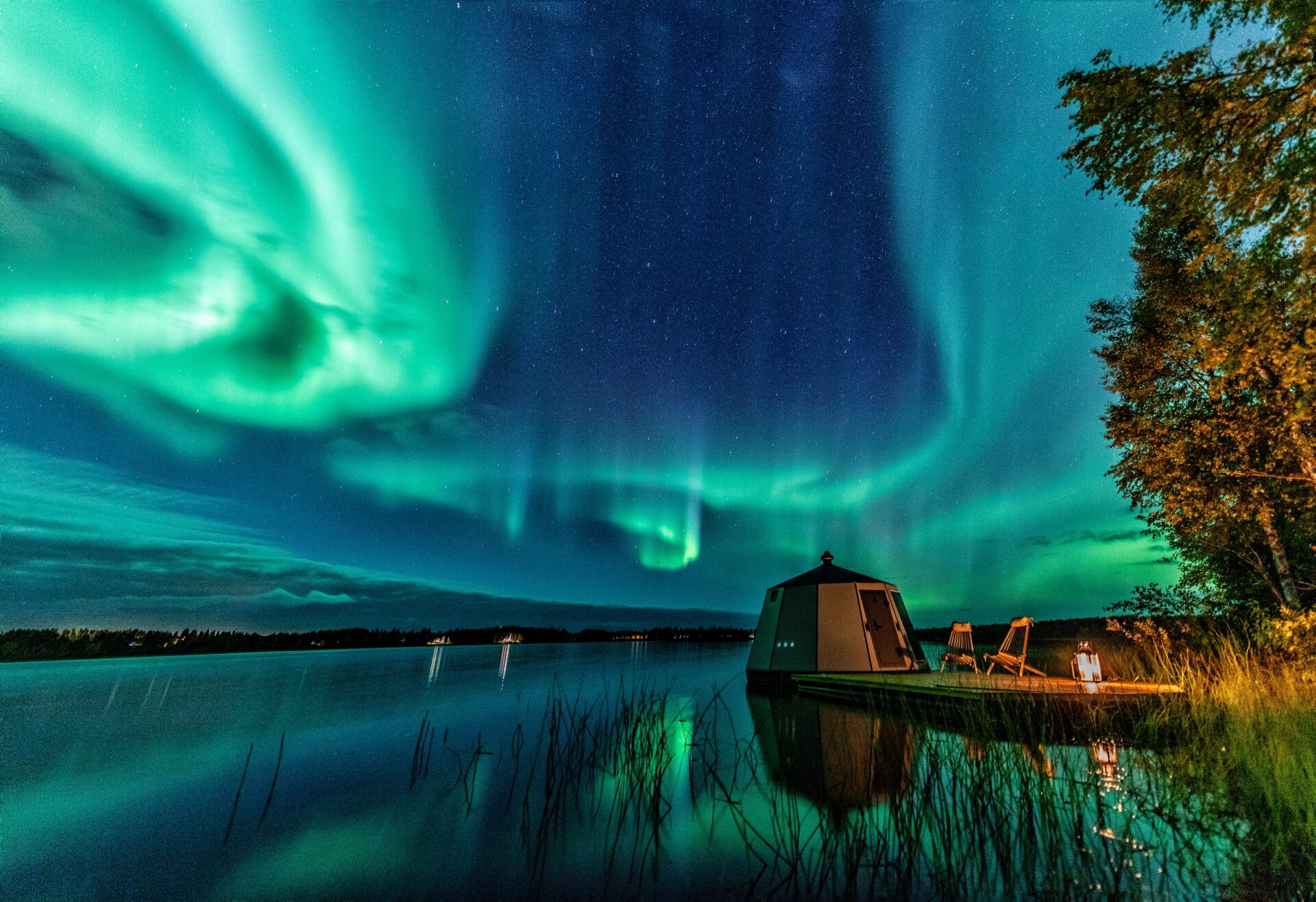
If all conditions are right—and a little luck sometimes helps too—you can see them dancing in colorful hues in the nighttime polar sky.
My customers report unforgettable moments when they are on one of our popular Northern Lights tours.
Be the next!
The Northern Lights in mythology
Hundreds of years ago, the Northern Lights were considered a mysterious phenomenon. The indigenous people of Lapland, the Sami, both admired and feared them, as they were unable to explain the myth scientifically. Today, they therefore appear in many legends as spirit beings moving across the sky.
Sometimes as sparks from the fire fox when it strikes a mountain peak with its tail, or as reflections from the protective shield of the mythical warrior Valkyrie.
Catching the flaming fox meant fulfilling one's life goals, and anyone who could catch the fire fox became rich and famous. Popular belief has it that ordinary fox hair ignites a light when it touches something. But even without heat, this belief is partly justified. An animal's fur is capable of storing static electricity, which can create sparks in dry air. For this reason, the northern lights seen in the northern sky are said to have been created by the fire fox. The sky lit up when the flaming fox's flanks touched the trees or when its tail swept across the snow.
Another ancient legend says that the northern lights are created by a whale living in the Arctic Ocean. Its hairy scales reflect the light of the sun back into the sky as flaming lights.
The Old Testament book of Job in the Bible tells the story of the mythical creature Leviathan, which spits fire into the sky.
In ancient China, people believed that the northern lights were the fiery breath of dragons.
The Calevala, a collection of epic poems from the 19th century, also describes the phenomenon of the northern lights. They are said to be the gates of the north because they are shaped like arches.
In Central and Southern Europe, auroras are very rare, which is why sightings of them were associated with heavenly omens of impending doom.
Red auroras in particular are said to warn of wars and other future disasters.
Many ancient myths have been lost over the centuries.
Yet the Northern Lights and the far north still spark the curiosity of tourists who travel to Lapland to catch a glimpse of the Northern Lights.
How are northern lights formed?
Today, the northern lights can be explained scientifically.
Our nearest star, the Sun, emits not only light but also charged particles. Every hour, billions of tons of plasma are ejected from it. These particles are called solar wind.
The solar wind has immense power. It has shaped our solar system over billions of years.
Comets get their impressive tails from the solar wind.
The planet Mars is not protected by a magnetic field. This is because solar wind has stripped away the planet's atmosphere, thereby depriving it of its ability to sustain life.
The magnetic field of planet Earth (between the magnetic north and south poles) prevents the particles of the solar wind from reaching the surface. But the solar wind shapes the magnetic field into the magnetosphere, a protective area around the planet.
The electrically charged particles of the solar wind bring their own magnetic field with them. These then collide with the upper atmosphere at an altitude of 100 km.
For this reason, the Northern Lights are most commonly seen above (in Antarctica, of course, analogously below the Antarctic Circle as Aurora Australis).
The magnetic field pulls the electron stream from the sun to both poles. When the stream of charged particles from the sun hits the Earth's magnetosphere, the resulting pressure stretches the magnetic field on the night side of the globe like a rubber band.
The field expands and expands until it quickly springs back to its original shape.
It then catapults the charged particles toward the North and South Poles, creating auroras.
The particles originating from the sun enter the Earth's atmosphere from the magnetic poles in the north and south.
The areas around the poles are called auroral ovals.
And now: watch, marvel, and enjoy!
Have a nice trip!
Tip: Movie at the Glass Igloo Planetarium
When do the Northern Lights appear?
The Northern Lights appear in the northern hemisphere between the end of August and approximately the beginning/end of April.
Various conditions must be met in order to see them:
- Strong solar winds
- Secluded place in the wilderness
- Unobstructed view of the sky (no forest)
- Often good on a wide and open hill
- No light pollution from artificial lights (e.g., cities, ports, etc.)
- Clear, cloudless sky
Statistically speaking, the best time of day to see the Northern Lights is just before midnight.
The Northern Lights also appear during the summer months, but cannot be seen during the 24 hours of daylight.
We only offer Northern Lights tours in winter when there is snow. From around mid-December to early April, there is enough snow in our resorts to make husky sledding and snowmobile tours possible.
Auroras are rarely seen when sunspots disappear, which sometimes happens for decades.
The last time this occurred was at the beginning of the 19th century. Over the course of two decades, only a few aurora sightings were recorded throughout Europe.
Where do northern lights appear?
Northern lights of the northern hemisphere: Aurora Borealis.
Auroras mainly occur north of the Arctic Circle during the Northern European summer (between late August and early April). They are most frequently observed north of the Arctic Circle at 66° 33' 11''northlatitude. From here on, we refer to the Arctic.
Statistically speaking, most auroras in Finland occur in the northern part of the country, in Lapland. Clouds and snowfall, as well as light from settlements and traffic, can hinder the viewing of auroras.
In Europe, this is in Finnish and Swedish Lapland, northern Norway, but also in Iceland and Greenland. Our fall and winter trips to Canada and Alaska are also suitable for viewing the Northern Lights.
Northern lights of the southern hemisphere: Aurora Australis.
In the southern hemisphere, auroras occur between the end of April and around August. The Antarctic Circle in the southern hemisphere is located halfway along the Antarctic Peninsula, at 66° 33' 11''south latitude. Since travel to the Antarctic Peninsula is only possible during the Antarctic summer, i.e. between November and April, this celestial spectacle is reserved for the few wintering staff at the approximately 90 research stations in Antarctica.
How certain is it that you will see the Northern Lights?
We can never say for sure whether you will see the Northern Lights or other natural phenomena in the sky. A sighting is influenced by so many factors, such as magnetic activity, the position of the sun, light pollution, and cloud cover in the sky.
You can rely on our selection of aurora accommodations. We have already picked out the best ones for you:
What do the different colors of the northern lights mean?
How the northern lights look depends on where you see them.
The most common ones above the horizon are pale and look a little like a glowing curtain.
But if you stand directly under the curtain, you experience the lights in a completely different way. Part of the curtain falls to your left and the other part to your right. It looks as if the curtain is getting closer and closer. This is called a corona.
The light crowns extend in different directions into the sky.
After the most intense auroras have passed, you can still observe auroras in the sky for up to four hours.
It is not entirely clear how these pulsating auroras come about.
Their formation could be related to electromagnetic radiation. The theory states that so-called chorus waves switch the light of the auroras on and off at an altitude of 25,000 meters, like a light switch.
The flames of a fire help us understand why auroras take on different colors.
The colors of the flames are produced in similar processes, depending on the material that is burning.
Different substances have their own characteristic burning colors. Similarly, the different gases in the atmosphere produce the different colors of the aurora borealis. Auroras have different layers of color.
- It is purple in the bottom layer.
- The second layer is green,
- and the top layer is red.
The color changes reveal the layered structure of the atmosphere.
The light of the northern lights is created by the collision of particles from the solar wind with gases in our atmosphere.
The molecules of the gases are charged, and easily combustible chemicals glow in different colors.
- Purple is produced by charged nitrogen molecules.
The green and red auroras are produced by charged oxygen molecules at an altitude of approximately 200 to 400 meters. Sensitive camera lenses can also detect the color blue, which is produced by ionized nitrogen molecules.
Some storms produce much more than just beautiful light shows.
A magnetic storm can be so strong that it disrupts power and mobile phone networks.
What can I do to increase my chances of seeing the Northern Lights?
To see the aurora borealis, it is best to go to an open area that is as dark as possible. You should be far away from settlements and their light pollution. An ideal location has good sightlines to the northern horizon.
In Finland, a cold, clear night is a good time to watch the most impressive northern lights by the light of a cola bottle. You need a lot of patience and have to dress warmly.
Insider tip: You can't always recognize the Northern Lights in the sky with the naked eye. Instead, you'll see a white, slightly milky streak in the sky. Now, take your smartphone and hold it up to the sky as if you wanted to capture it in a photo. Through your display, you'll now see the lights dancing.
The human eye is not very good at distinguishing different colors in the dark. That's why the Northern Lights look paler to the naked eye than they do in photos.
The weather has no influence on the frequency of the Northern Lights, but since they occur very high up in the atmosphere, they cannot be seen when the sky is overcast.
- The longer you stay, the higher the probability
- We recommend at least 4 nights
- Book one of our igloo and glass roof chalet resorts
- The Northern Lights alarm wakes you up as soon as the Northern Lights appear in the sky.
- Sometimes the northern lights appear above you, but you don't recognize them. They look like a streak of clouds or a "chemtrail" in the clear night sky. Take your smartphone and look through the lens.
When is the best month to travel to see the Northern Lights?
All seasons have their charm. The enchanting midnight sun in summer, the magnificent fall foliage known as "ruska," the dazzling white snow under the aurora borealis, and the play of light during "kaamos" in winter. Every season is different—why not experience them all!
- In December, it is almost dark during the day. The moon, the stars, and the warm lighting of the northern lights resorts are enhanced by the reflections in the snow.
- From around December 20 (the longest polar night of the year), it's holiday season in all northern lights destinations. The resorts are tastefully decorated for Christmas, and Santa Claus events are organized for families with children. However, this is also the most expensive time in Lapland, the absolute peak season with the highest prices. Flights from Helsinki to Lapland airports are also booked up for months or twice as expensive as in the normal season. Special gala menus (at an extra charge) are offered on Christmas and New Year's Eve. The holiday season lasts until January 7.
- January after January 8 is normal high season. The days are still very short, with only a few hours of daylight. When the sky is clear, it turns completely blue around noon with the moon in the center.
- In February, the sun slowly rises above the horizon again. Depending on how far north you are above the Arctic Circle (the further south, the earlier)
- By the end of March, the days are already quite long again. This is an ideal time to travel and experience Lapland's nature in daylight. In addition, prices at resorts and for flights are moderate.
- Please note: We do not recommend traveling during Chinese New Year week.
How long should you stay?
We recommend staying at least 4 nights to maximize your chances of seeing the Northern Lights.
Natural phenomenon POLAR NIGHT
The polar night is the opposite of the midnight sun (white nights). While the sun shines 24 hours a day above the Arctic Circle in summer, in winter it does not rise above 66° 33' and turns day into night.
Die Tage sind im Winter also sehr kurz, es dämmert lediglich für ein paar Stunden. Bei klarem Himmel ist das Lichtspiel am Himmel (Blaue Stunde im Januar! <3) atemberaubend.
Our Northern Lights resorts and lodges do everything they can to make your stay pleasant and cozy with lovely winter decorations, a crackling open fire, and atmospheric lighting.
What is the mystical KAAMOS?
"Kaamos" is the name given to the mystical period between December and January when the sun does not rise at all. Nevertheless, it is light from 10 a.m. to 3 p.m. (the daylight lasts for about 5 hours). The white snow contributes greatly to the brightness during this time, and it is also the best time to see the northern lights. Kaamos is the time of the phenomenal Arctic light, when the sky appears blue in the north and red in the south. Every day at around 2 p.m., there is a so-called "blue hour" when everything, including the sky and snow, appears blue for 15 minutes. This unique natural spectacle only takes place here in the Arctic region and cannot be found anywhere else in the world.
The blue hour is particularly special at the seaside.
Shall we stay in touch?
Our best-selling Northern Lights packages

Stephanie Gräf
Owner & Founder
Since 2002, I have been personally advising clients on unique expeditions and private trips, small-ship cruises, and journeys to remote regions of the world.
We'd be happy to discuss your trip with you in person.
Why not contact me right now at Phone: +49 201 85890960 or email welcome@inventia.de.
Or schedule a free, no-obligation one-on-one phone call (also via WhatsApp or Wi-Fi), a Teams or Zoom meeting here—even in the evenings or on weekends:

Are you interested in Antarctica but don't know where to start?
Our FREE Antarctic Mini-Guide sheds light on the ice.
Are you interested in Antarctica but don't know where to start?
Our FREE Antarctic Mini-Guide sheds light on the ice.
Newsletter: Travel beyond the ordinary
Stay in touch with us and receive our latest travel ideas on a regular basis.
Our Northern Lights trips
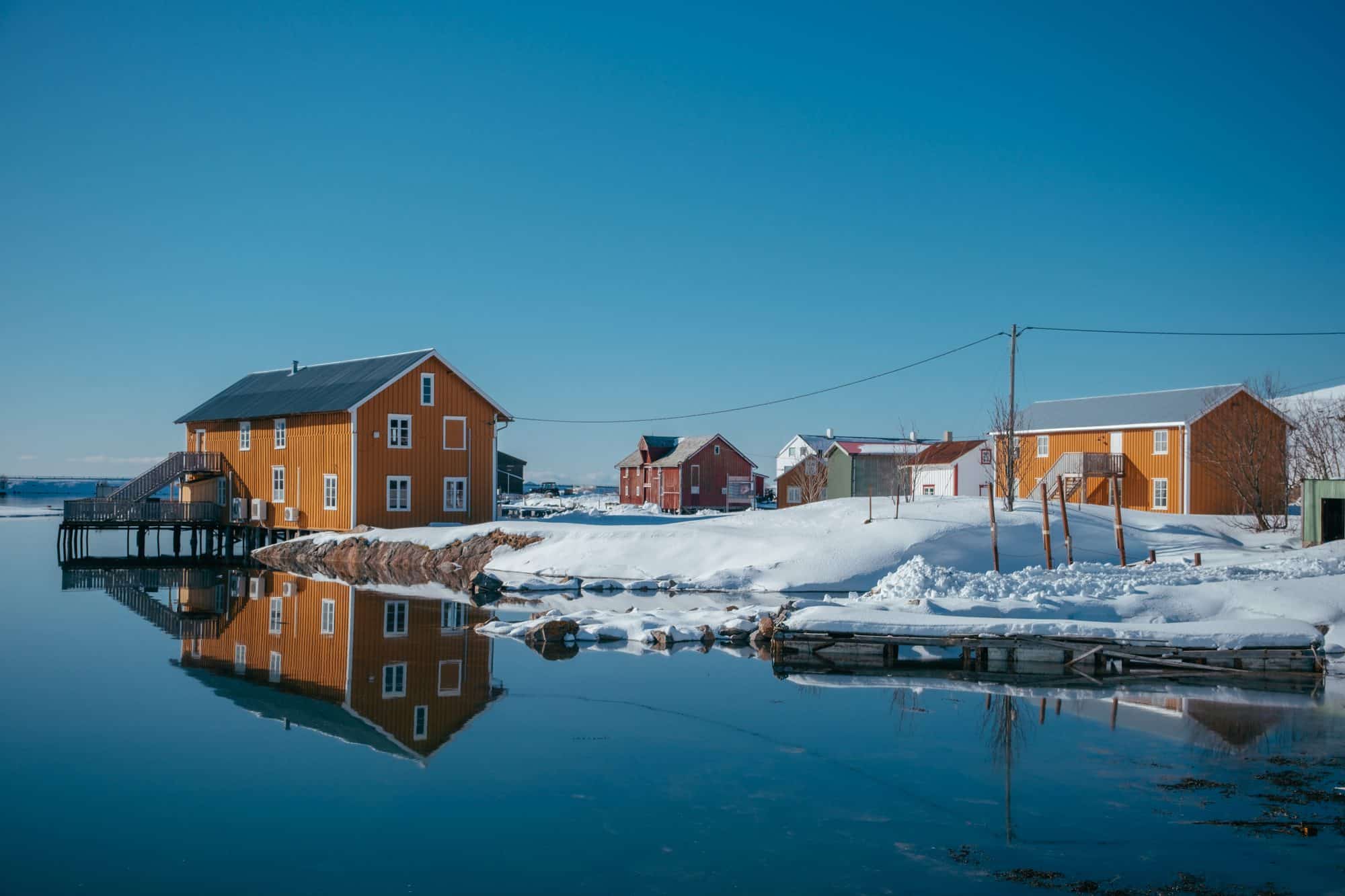
Snowshoe tracks and a reindeer above the embers at Støtt

When the migratory birds return to Støtt

Northern Lights over the old trading post at Støtt

Premium log cabins above the Arctic Circle
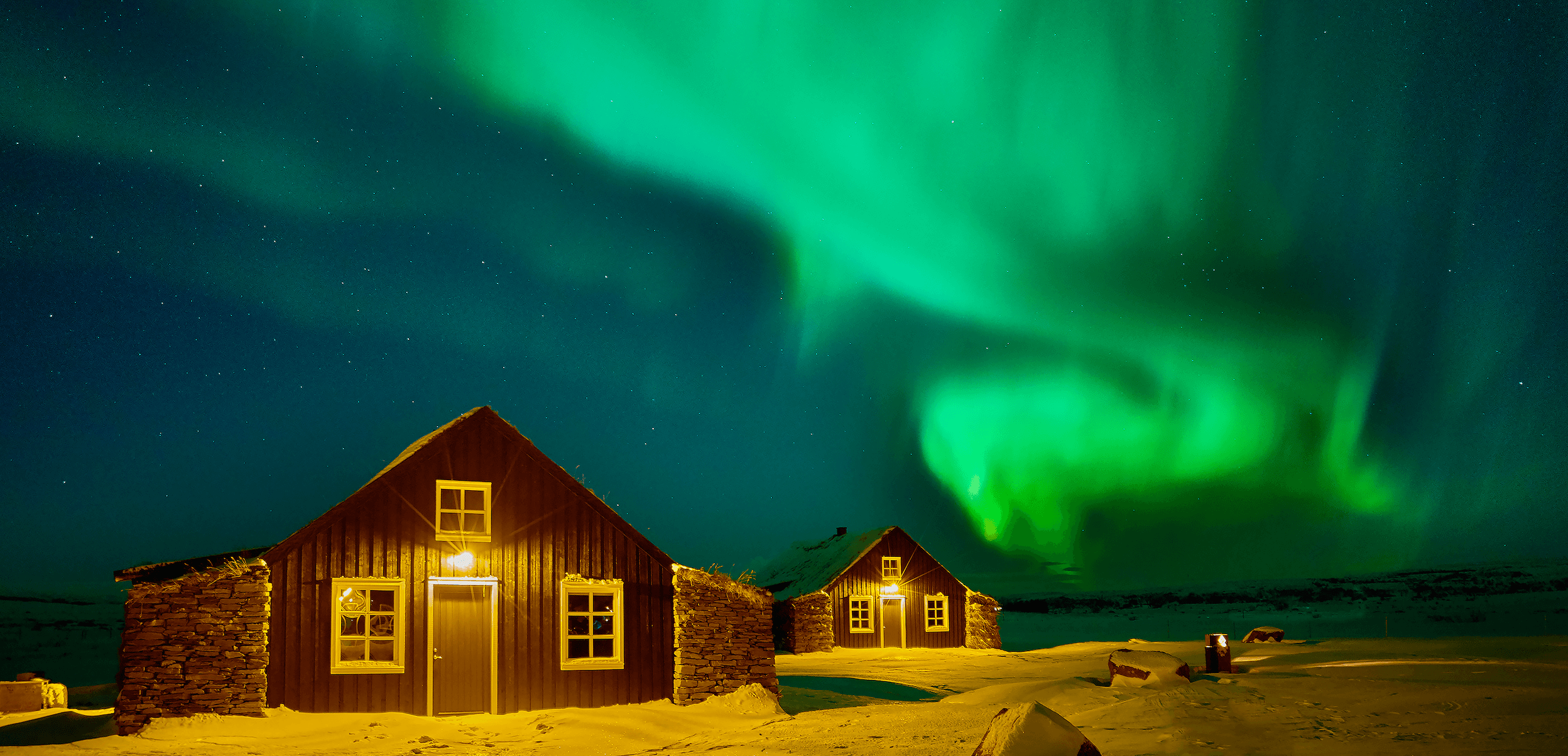
Torfhus Retreat – Traditional Icelandic retreat
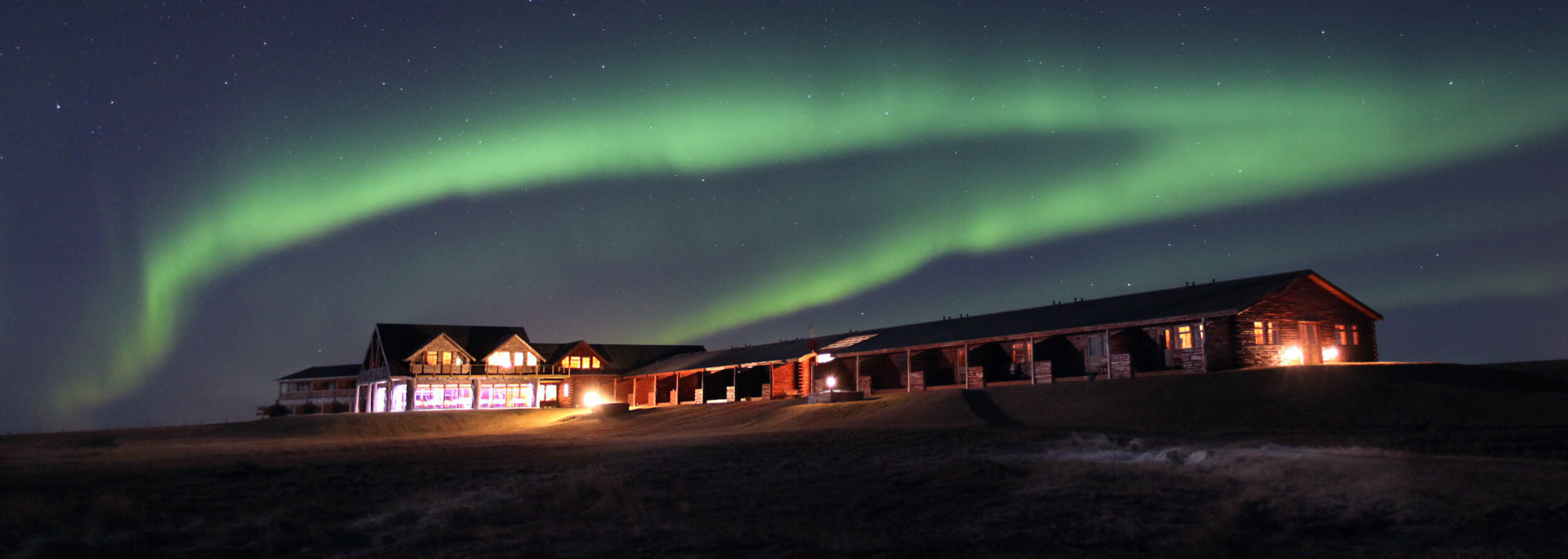
Hotel Rangá – Stars as far as the eye can see
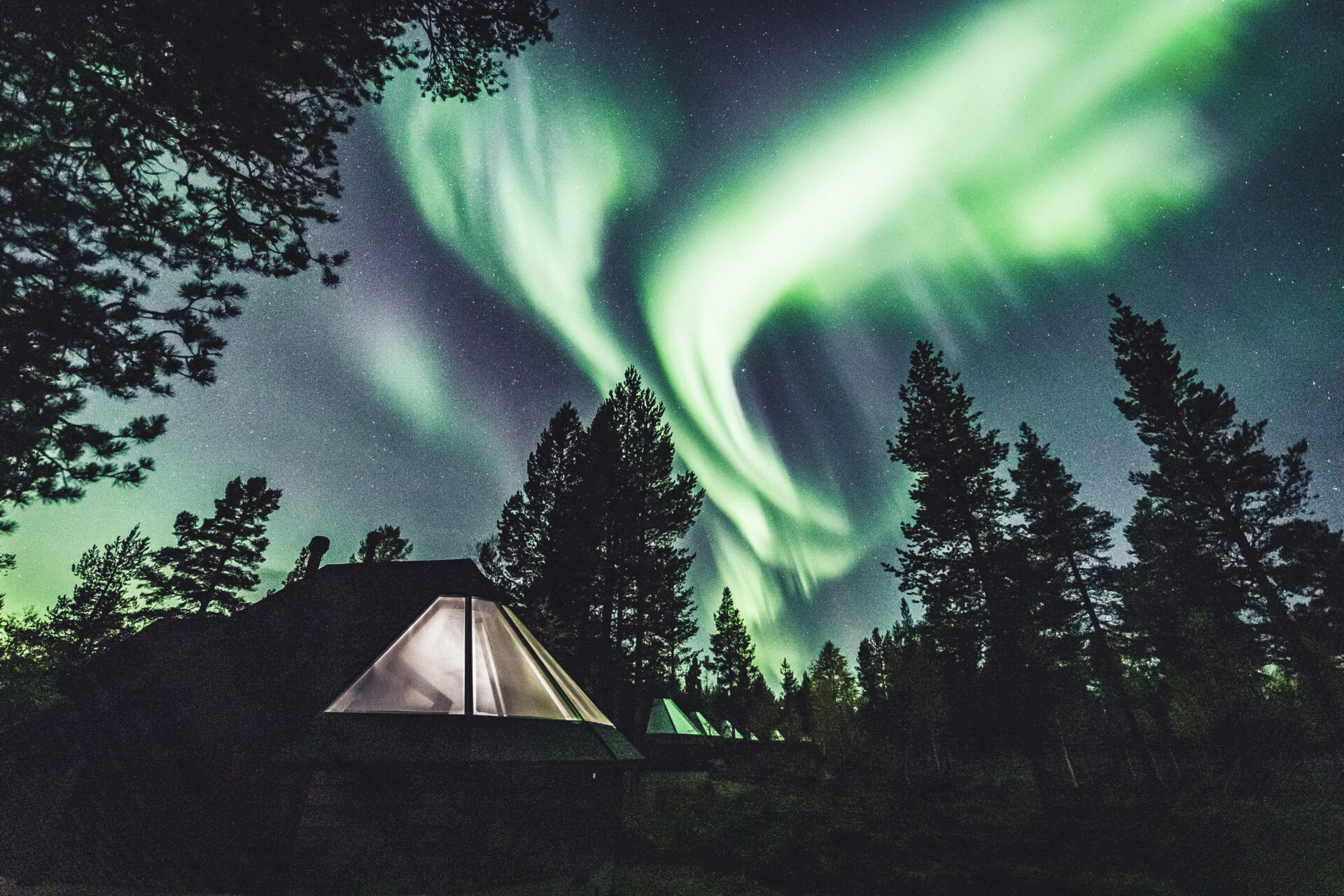
Northern Lights Package "Action" (4 days/3 nights)
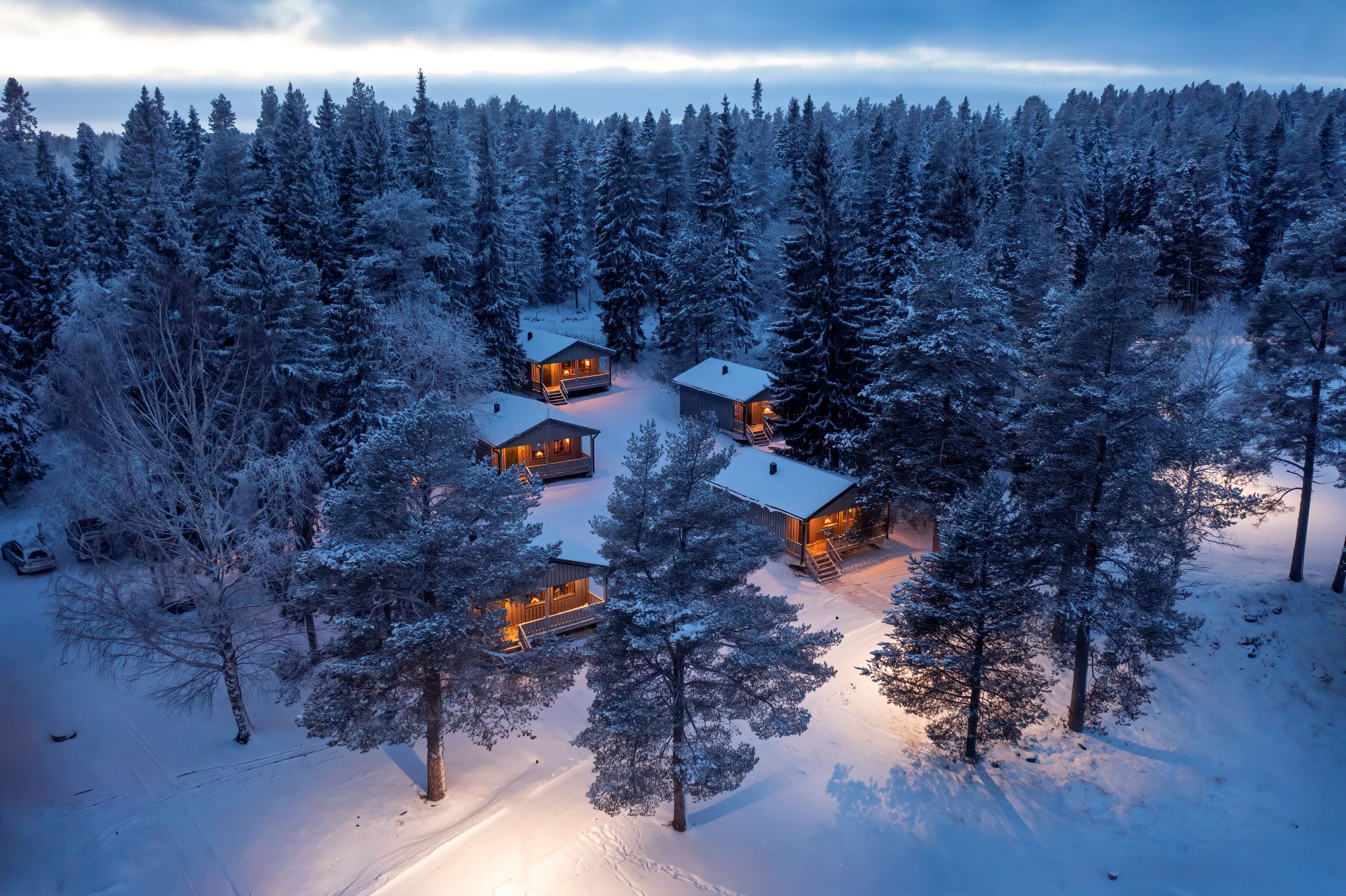
Cabin dream on Lake Botten | For individual travelers and families
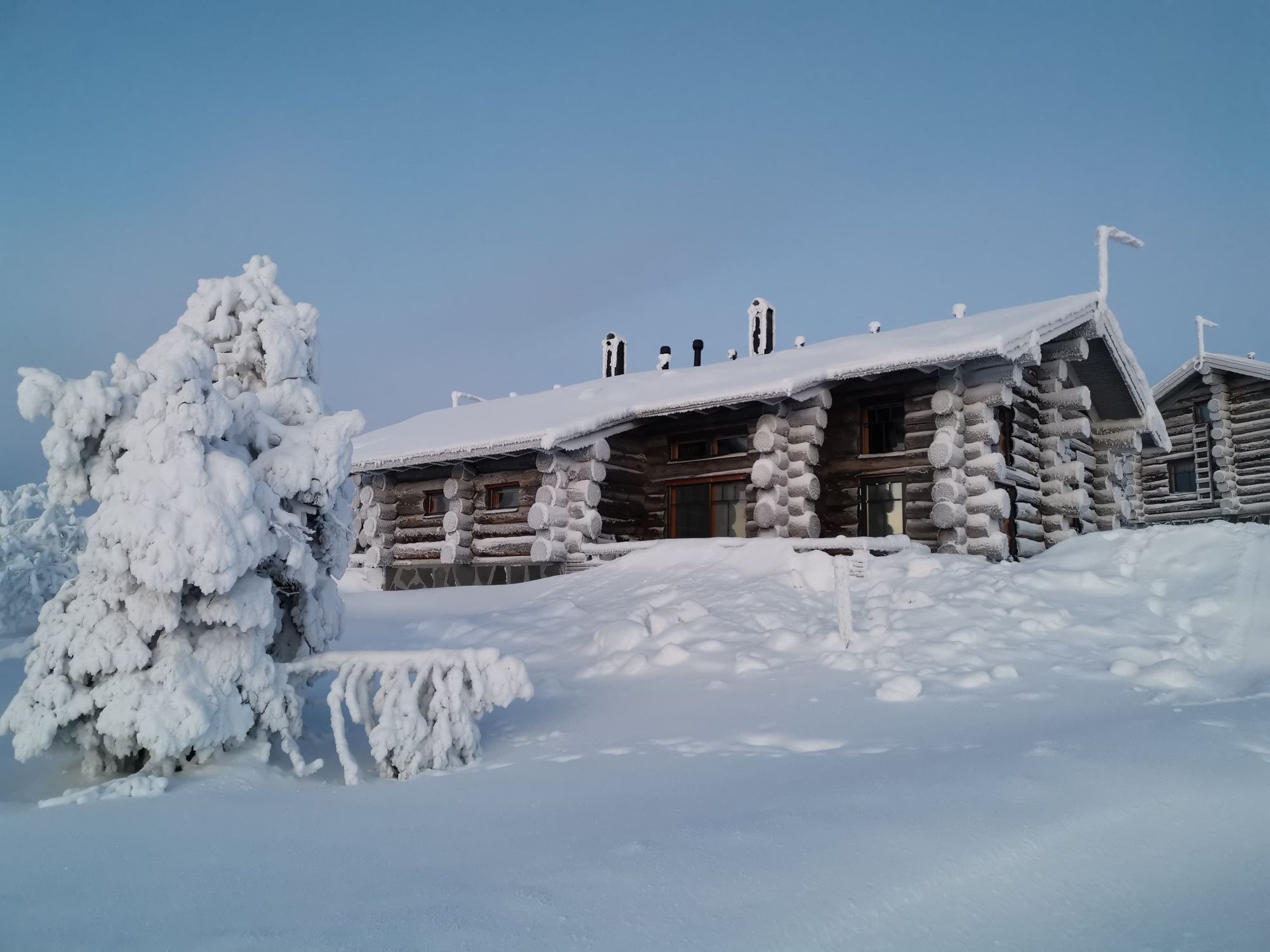
Premium log cabins in Lapland

Kelo Boutique Lodge

Spectacular tree house hotel