Drake Passage: Everything You Need to Know About the “Gateway to Antarctica”
A trip to Antarctica includes the nearly two-day crossing of the Drake Passage.at least, if you, like most travelers, opt for the shortest land-to-land connection from the southern tip of South America to the Antarctic Peninsula.
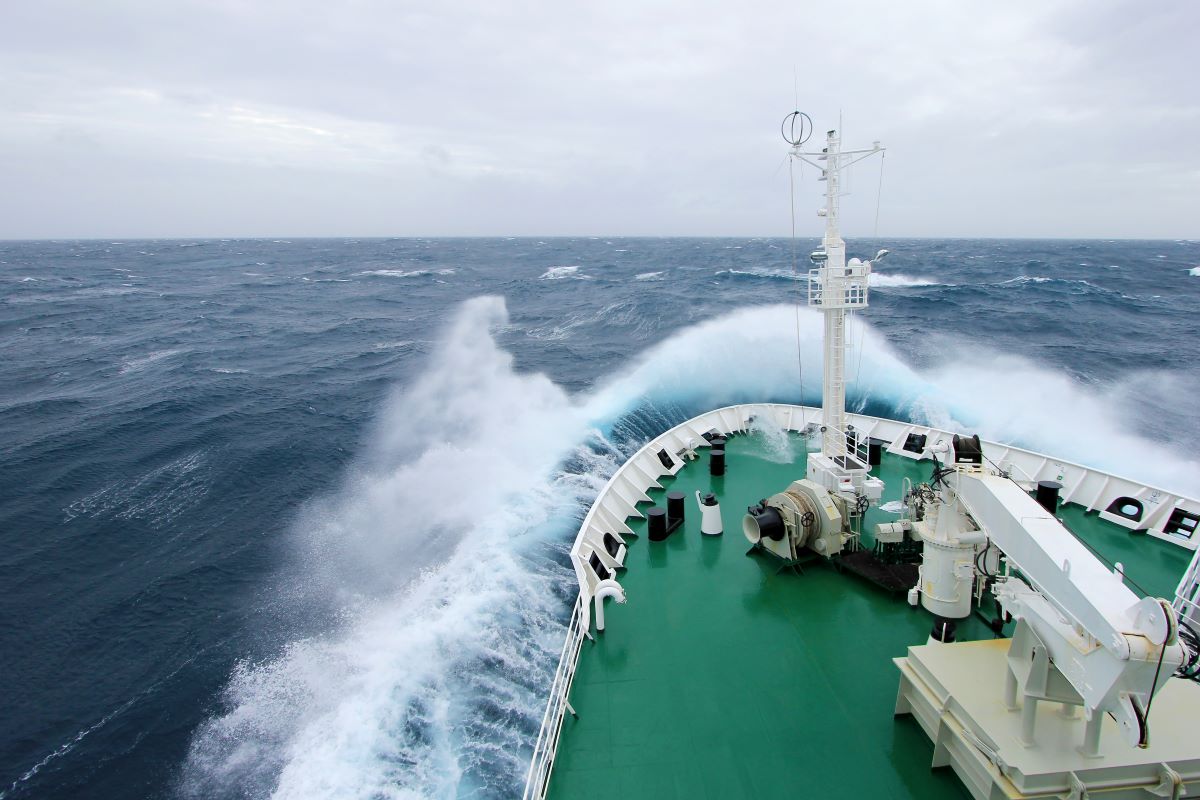
Drake Passage is not only famous, but also notorious for its rough seas with huge waves and winds. It can be an inhospitable route to the Antarctic Peninsula, but in any case, the crossing is a unique experience where the journey itself is part of the destination.
In this article, you'll learn everything you need to know about the Drake Passage, including three insider tips for navigating it.
Would you like to travel to Antarctica?
We answer the most important questions about Antarctic expeditions. Get our
What is the Drake Passage?
The Drake Passage is considered the most challenging shipping route in the world and the stormiest strait in Antarctica. It runs between the southern tip of South America at Cape Horn and the northernmost part of the Antarctic Peninsula with the South Shetland Islands.
The Drake Passage, which is 820 km wide at its narrowest point, connects the Southern Ocean, the Pacific Ocean, and the Atlantic Ocean. It is the widest and, at 5,000 meters, the deepest ocean passage in the world.
The Drake Passage is almost devoid of islands. This allows the Antarctic Circumpolar Current to be the only ocean current to flow around the entire globe. This prevents warmer water from reaching the Antarctic coast, enabling the formation of the enormous ice cap.
Why is Drake Passage so rough?
This final stretch of water between South America and Antarctica can be extremely rough. Where three mighty oceans meet and the colder, denser Antarctic water pushes beneath the warm South American water, the world's strongest ocean current is created: 40 knots (46 mph) at its peak!
Since there are no land masses to slow down the winds generated by low-pressure systems, it can get quite stormy: wave heights of up to ten meters are quite common in the Drake Passage. The churning waters bring krill and plankton to the surface, providing a feast for whales and seabirds.
Where does the name Drake Passage come from?
Incidentally, Drake Passage is named after the English circumnavigator Sir Francis Drake. In expedition circles, it is therefore referred to as "The Drake" for short. However, it is no longer certain whether Sir Francis actually sailed through what is now known as Drake Passage at that time.
While crossing the Strait of Magellan in 1578, one of Drake's ships was blown far south, bringing him close enough to actually discover the passage—but perhaps he was somewhere else entirely.
The first documented crossing did not take place until 1616 (20 years after Drake's death) by the Dutchman Willem Schouten. The Drake Passage was later given its current name by the famous Antarctic explorer Ernest Shackleton.
In the 19th century, The Drake even had its own VIP club! Sailors who passed through the wild strait were rewarded with a copper earring featuring an image of Cape Horn on one side and the Southern Cross constellation on the other. This "voucher" entitled them to a free glass of whiskey in any tavern.
The Drake Passage as the gateway to Antarctica
On the one hand, the Drake Passage is one of the most important global trade routes. It is used by ships that are too wide for the locks of the Panama Canal. At the same time, it is the gateway to Antarctica for many travelers. This is because it is the shortest land-to-land connection to Antarctica. Anyone starting their voyage in South Africa, New Zealand, or Tasmania will be traveling significantly longer.
There is no admission fee for Antarctica. The price is the Drake Passage.
A voyage through the Drake Passage is a unique start to your Antarctic expedition. Despite the untamed nature of the area, the passage is now safe: where numerous sailing ships were once wrecked, today's expedition ships can easily withstand wind and weather.
Digital weather monitoring systems show days in advance how the passage will proceed. Experienced captains and their crews know exactly what they can expect from their ships, passengers, and themselves, and adjust the route to weather conditions at any time. State-of-the-art ship stabilizers counteract the swell and ensure that the ship remains stable and on course in wind and waves.
Drake Shake or Drake Lake?
If you are considering a trip to Antarctica, you will inevitably come across the terms "Drake Shake" and "Drake Lake." What are they all about?
- Drake Shake: On the famous "Drake Shake," you will experience the elements up close and be thoroughly shaken by the wind and waves. Wind force 10—also known as a "severe storm" on the Beaufort scale—is completely normal here.
- Drake Lake: Not every voyage through Drake Passage is rough: it is quite possible that the sea will be so calm during your passage that the strait will resemble a lake. No sign of the dreaded giant waves, just calm waters—this condition is referred to as "Drake Lake."
Some passengers are even a little disappointed when, on their trip to Antarctica, they experience only the shallow version, the "Drake Lake," instead of the expected "Drake Shake." However, since you usually cross the Drake Passage twice on your Antarctic expedition,you have a good chance of experiencing the weather conditions you desire on at least one of the two journeys.
Anyone who has ever been to Antarctica will ask you, as if you were an ally: "Drake Shake or Drake Lake?" And you will be able to join in the conversation with eyes shining with memories and a knowing smile.
Drake Passage: 3 tips for your cruise
If you experience the Drake Shake once or twice and the stormy seas get to you, we have three tips for you to help you conquer the wildest stretch of ocean on earth.
1. Book the quietest cabin
The cabins with the least rolling motion over rolling waves are located on the lowest deck in the middle of the ship.
But please don't book your cabin solely out of fear of the Drake Shake. Your journey has so many other aspects. After the Drake Passage, you'll love your private balcony or the large viewing windows on the upper decks for viewing icebergs, whales, and penguins in the midnight sun. And that will be the vast majority of your journey.
2. Take every opportunity to be on deck
The open sky is the best place to enjoy the view of the vast ocean. Watch albatrosses, penguins, and whales in calm seas while breathing in the fresh salty sea air and taking in the breathtaking view.
Make the most of this time, because when the sea gets rougher and the wind picks up, the captain and crew will announce that the outer decks are being closed. We then recommend watching the impressive natural spectacle through the shatterproof windows and listening to the roaring waves from inside the ship.
Or you can make yourself comfortable lying down in your cabin and let the waves gently rock you to sleep. Trust. Don't fight it. Relax and go with the flow. Some ships also have straps in the bed to give you even better support.
And if you need to use the toilet at night when the sea is stormy: always hold on tight!
3. Prevent seasickness
If you are still unsure about your sea legs, there are excellent remedies you can take as a preventive measure, including:
- chewing gum
- tablets
- and plasters (caution: side effects possible!)
Other travelers swear by acupuncture bracelets or natural remedies such as ginger (as a root or gingko tablets).
We are not doctors and cannot give medical advice. Pleaseconsult your family doctor before your trip (also to avoid interactions) so that you can take the right medication on board. Of course, you can also consult the ship's doctor during your trip if necessary. He or she is also well equipped and will provide advice and support on site.
However, be careful not to overmedicate. Tablets must also be taken in advance, for example, before you start to feel queasy (follow the instructions in the package insert!). Some patches should be worn from the day before entering the Drake Passage. It is worth testing the side effects before the trip. A ginger cure before the trip may also help.
It is also important not to stay sober: eat light meals and drink plenty of water.
In addition to targeted medication, inner calm will help you weather even the roughest seas. Trust the experienced crew to bring you safely and soundly to your destination: Antarctica. At the latest when you see the incredible ice landscapes, any nausea will be forgotten anyway. Looking back on your Antarctic expedition with the many impressions that will shape your life, you will surely smile at the thoughts you had beforehand.
Do I have to go through the Drake Passage to get to Antarctica?
Perhaps you want to save time, or our insider tips on how to navigate the Drake Passage as relaxed as possible haven't particularly convinced you. In that case, you can of course bypass the Drake Passage.
With our “Skip-the-Drake” trips, you’ll fly from Punta Arenas (southern Chile) to King George Island (South Shetland Islands) directly into Antarctica. Instead of spending two days crossing the Drake Passage, the flight takes just over four hours. An unbeatable advantage of flying is the bird’s-eye view of the Drake Passage.
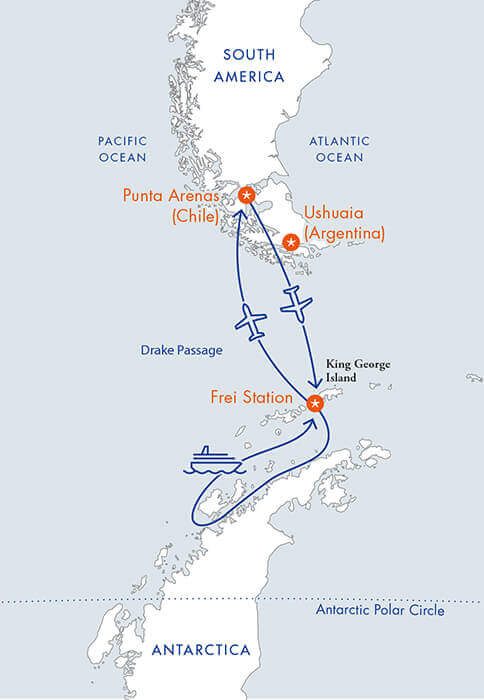
The route of a Fly&Cruise trip to Antarctica
Whether you prefer to traverse the Drake Passage or "skip the Drake," we can assist you in finding the right Antarctic expedition. Inquire about your trip here.
Conclusion: The Drake Passage completes an Antarctic voyage
"Spectacular," "unforgettable," "a must-see"—that's what people who have already traveled through Drake Street say. And inventia owner Stephanie Graf can only confirm these impressions and reassure you:
If I've made it through the Drake Passage (several times, by the way), then you can too!
Stephanie Gräf, specialist in once-in-a-lifetime trips
Crossing the Drake Passage is what makes your Antarctic journey complete. Feel the energy of the water masses and, above all, yourself in the seemingly endless expanse of the sea. We promise you: the Drake Passage will still be a topic of conversation years later when you talk about your Antarctic journey.
All Antarctic trips at a glance
We have clearly presented all our trips with dates and prices for you.
Shall we stay in touch?

Stephanie Gräf
Owner & Founder
Since 2002, I have been personally advising clients on unique expeditions and private trips, small-ship cruises, and journeys to remote regions of the world.
We'd be happy to discuss your trip with you in person.
Why not contact me right now at Phone: +49 201 85890960 or email welcome@inventia.de.
Or schedule a free, no-obligation one-on-one phone call (also via WhatsApp or Wi-Fi), a Teams or Zoom meeting here—even in the evenings or on weekends:

Are you interested in Antarctica but don't know where to start?
Our FREE Antarctic Mini-Guide sheds light on the ice.
Are you interested in Antarctica but don't know where to start?
Our FREE Antarctic Mini-Guide sheds light on the ice.
Antarctic travel with flight across the Drake Passage
18.101 €

Midsummer in the Antarctic Ice
14.276 €

Penguin chicks in the Antarctic midnight sun
13.256 €

Antarctic Express – Southbound by sea & northbound by air
11.870 €
Antarctic Express – Flying south and sailing north
20.970 €

Fly In & Out Antarctica
15.503 €

Fly In & Out: Sailing Expedition to Antarctica
16.560 €
Antarctica Bridge Expedition, including flights | MS Silver Endeavour
14.396 €

Fly & Cruise: Classic Antarctica | MS Magellan Explorer | MS Magellan Discoverer
7.016 €
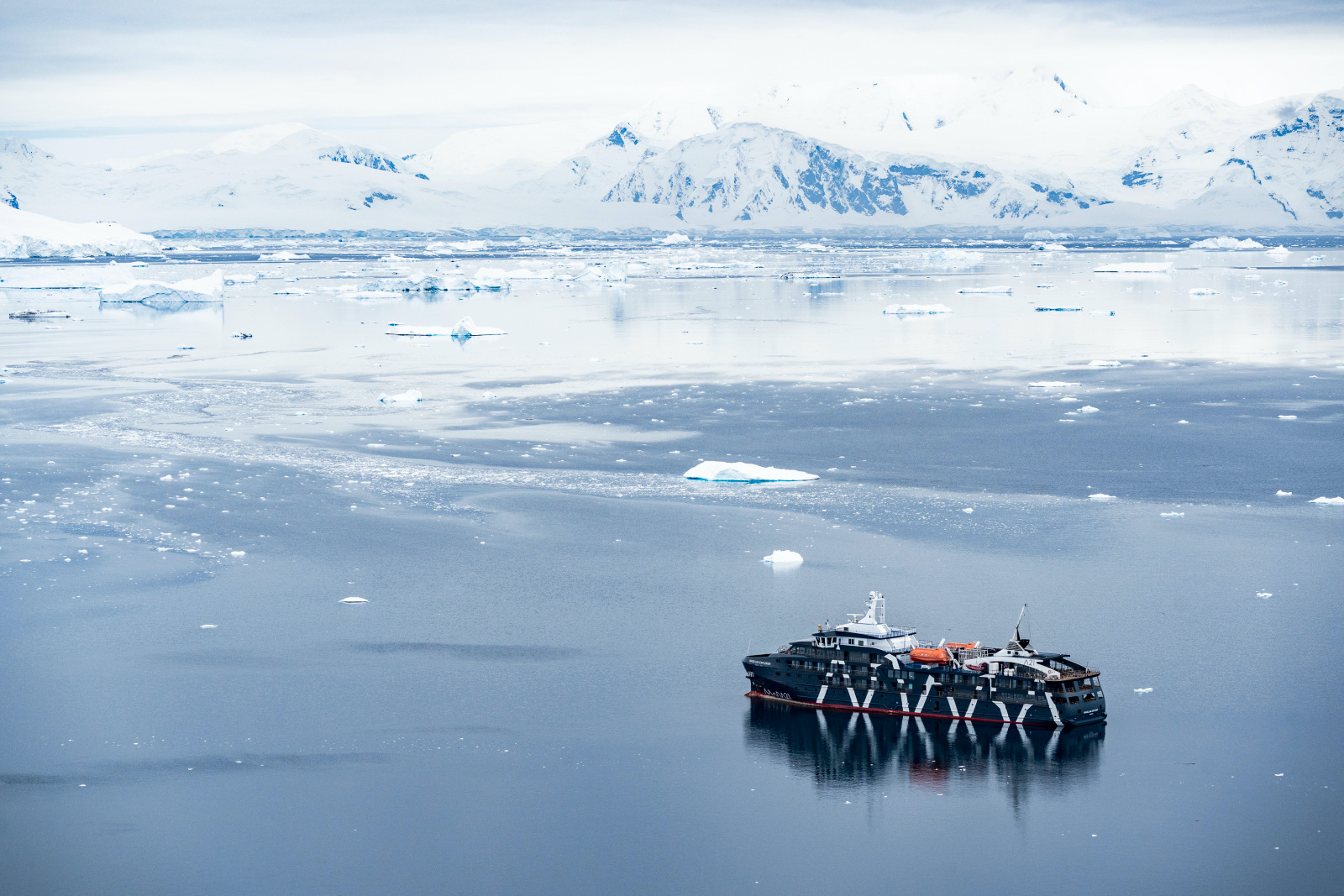
Fly & Cruise Antarctica Express | MS Magellan Discoverer | MS Magellan Explorer
22.496 €

Fly & Cruise to the Antarctic Circle: MS Magellan Explorer | MS Magellan Discoverer

Fly&Cruise Antarctica and South Georgia | MS Magellan Explorer
27.276 €

Fly&Cruise Antarctic Express: Antarctic Circle | MS Ocean Explorer | MS World…
Further wiki articles about Antarctica

What do I absolutely need to do right before leaving for Antarctica…

Antarctic voyage: What costs should I expect?
Where does my trip to Antarctica start, and how do I get there?

My personal travel favorites in the Arctic and Antarctic

Hapag-Lloyd Antarctic Expeditions: Entirely in German

The benefits of booking your Antarctic trip with inventia
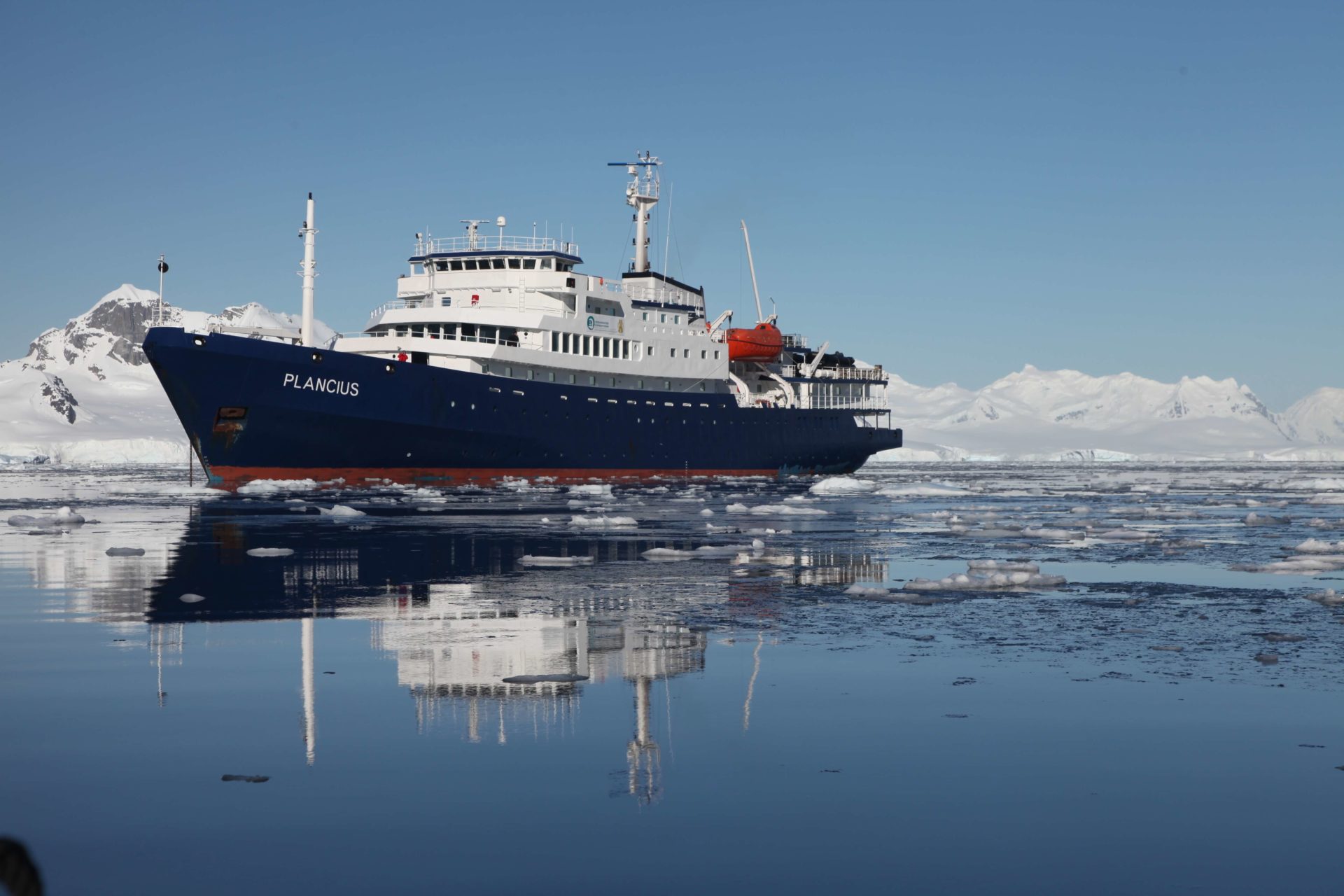
[Travel information] Your polar voyage with the MS Plancius, MS Ortelius, or MS...

What is the best way to book my trip to Antarctica?
How much time should I set aside for a trip to Antarctica?

What is a typical day like on board during an Antarctic cruise?
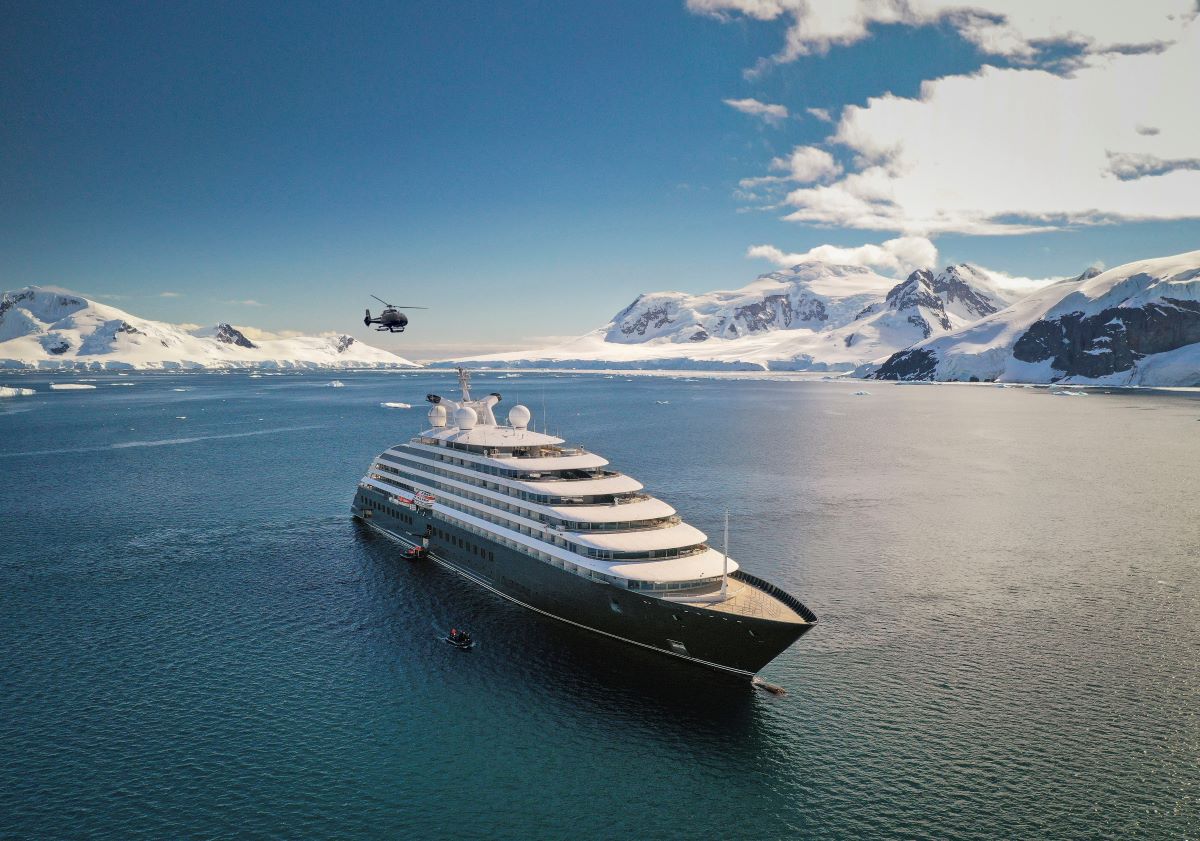
Your Trip to Antarctica: Cruise or Expedition?