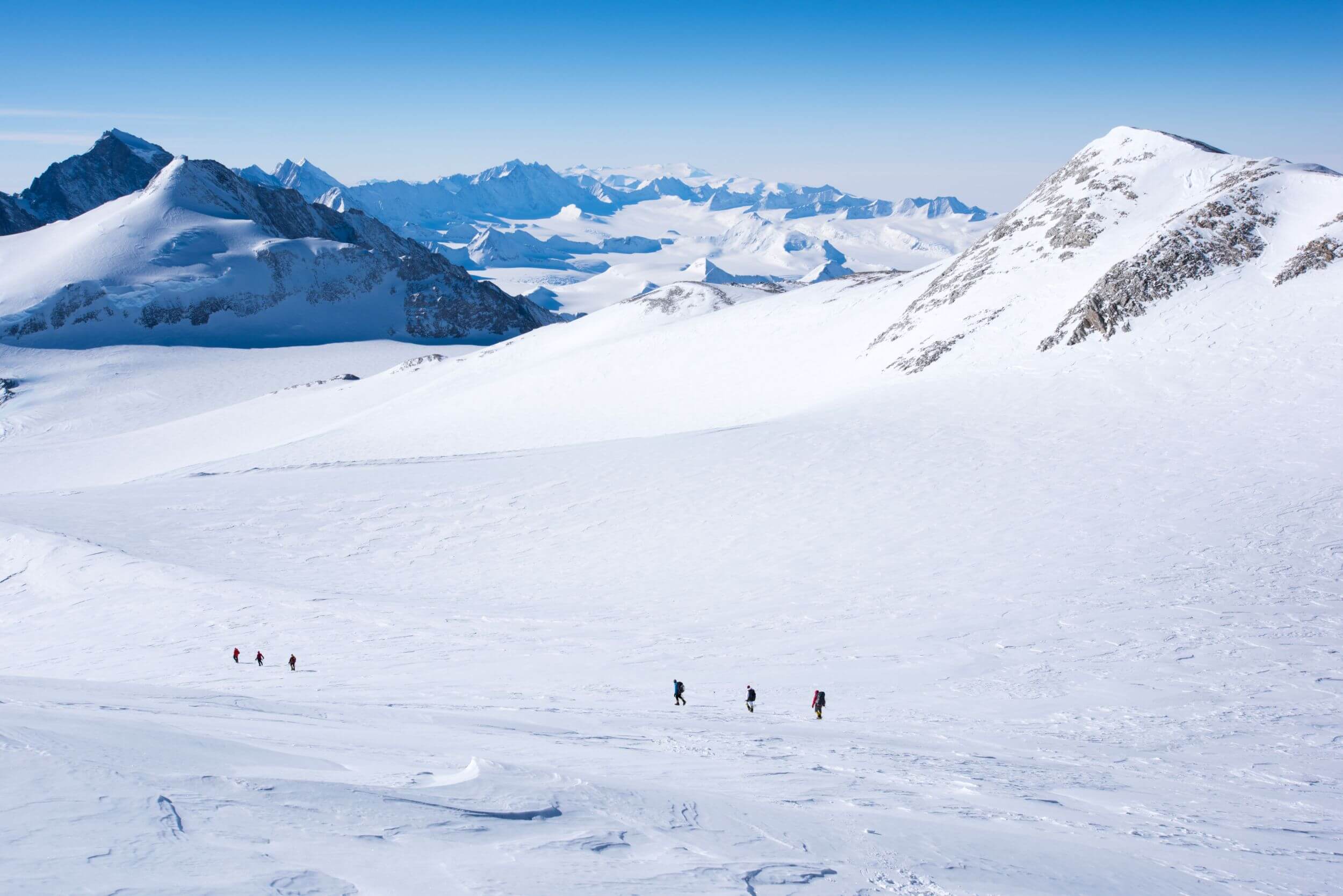
Travel through Antarctica with Google Street View—from the comfort of your own sofa. We have compiled a few Street View locations in Antarctica. Enjoy!
In its ongoing quest to map the world, the Google Street View team has already documented over 8 million km of the world, across 7 continents and in more than 50 countries.
Google Street View has also ventured off the beaten track to make unique places around the world accessible online. Examples include the Galapagos Islands, the Grand Canyon, underwater images of oceans, and even the Louvre and other famous museums around the world.
The Street View team also visited Antarctica. Approximately 98% of Antarctica is covered in ice. The Google team visited famous landmarks such as the South Pole, the hut of the famous Antarctic explorer Robert Falcon Scott, and, of course, penguin colonies!
_____________________
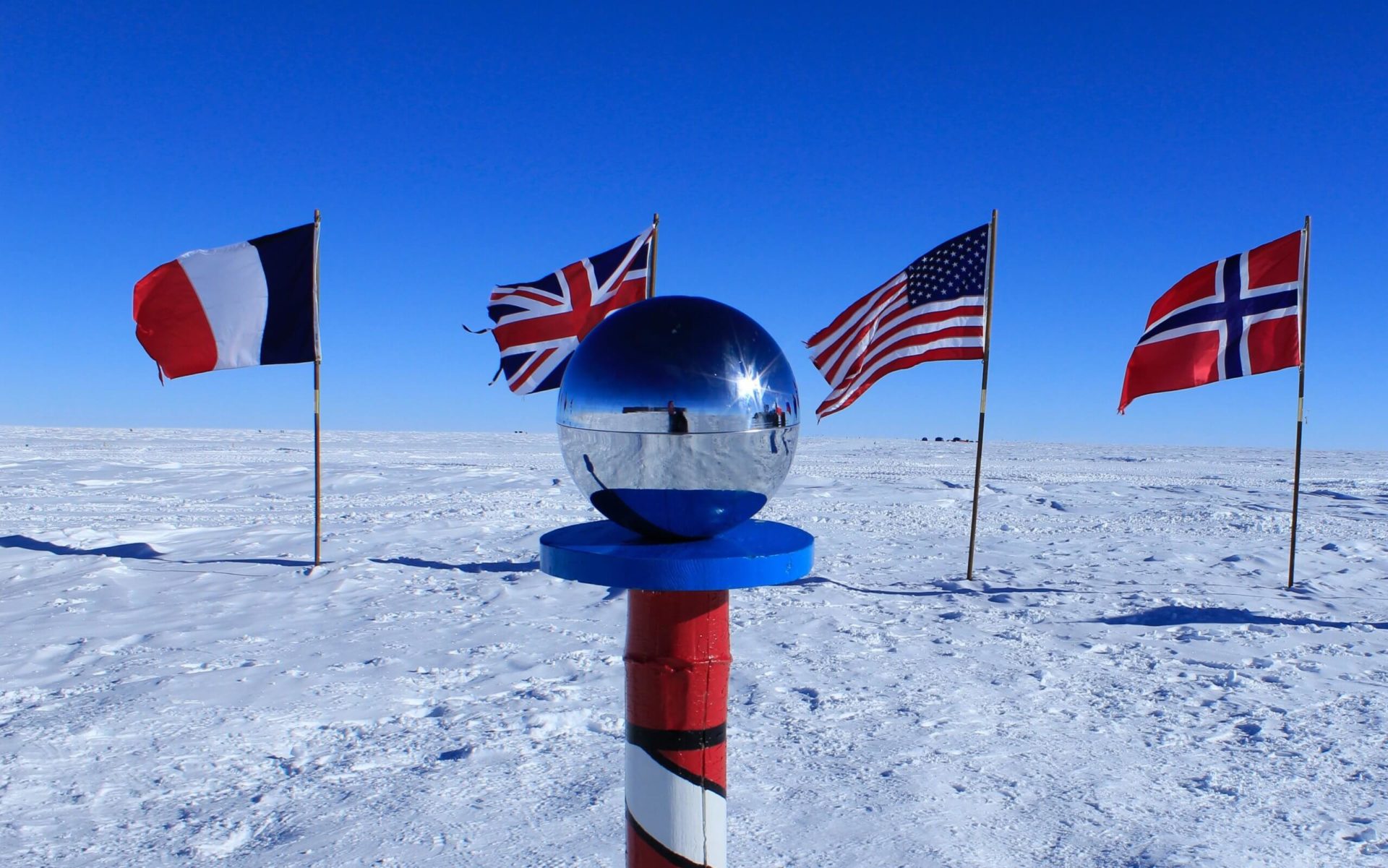
The ceremonial South Pole
Not far from the geographic South Pole is the ceremonial South Pole, located in front of the high-altitude station building. It consists of a metallic, mirrored sphere on a pedestal. The flags of the 12 original signatory states of the Antarctic Treaty are displayed in a semicircle around the marker – a tribute to the protection of the Antarctic environment and dedication to scientific research.
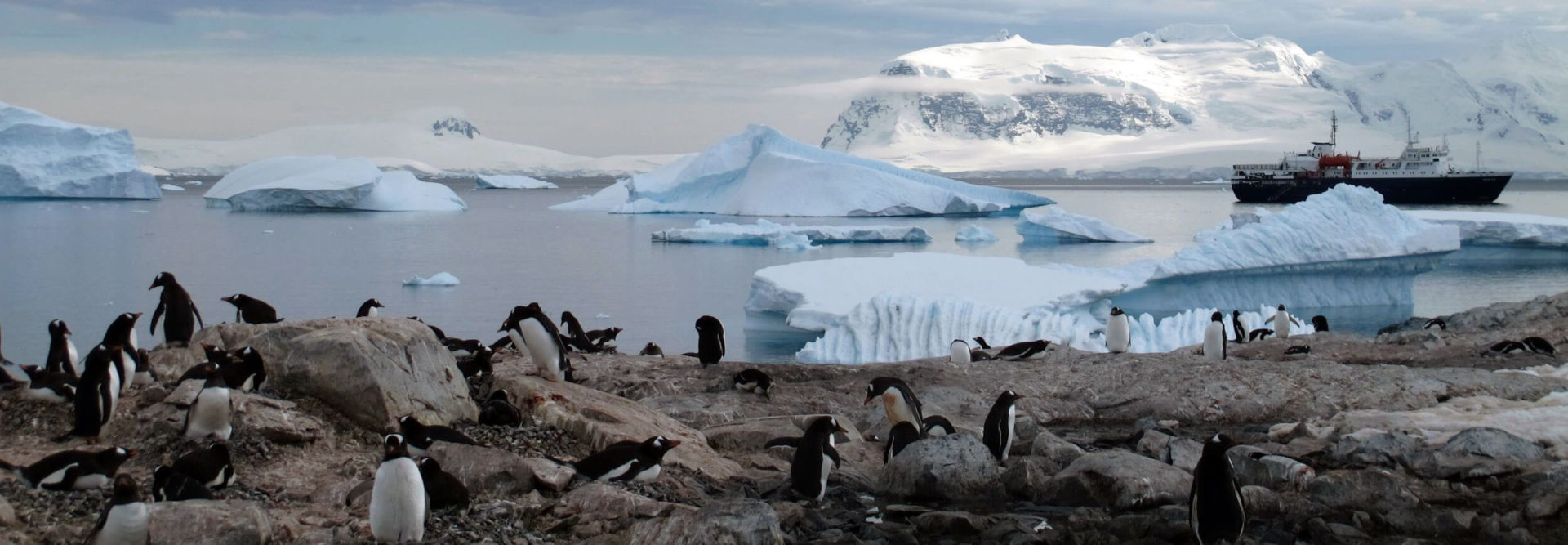
Penguin colony at Cape Royd
Attention: Now it's getting cute! Visit a penguin colony at Cape Royd and enjoy the endless expanse of Antarctica.
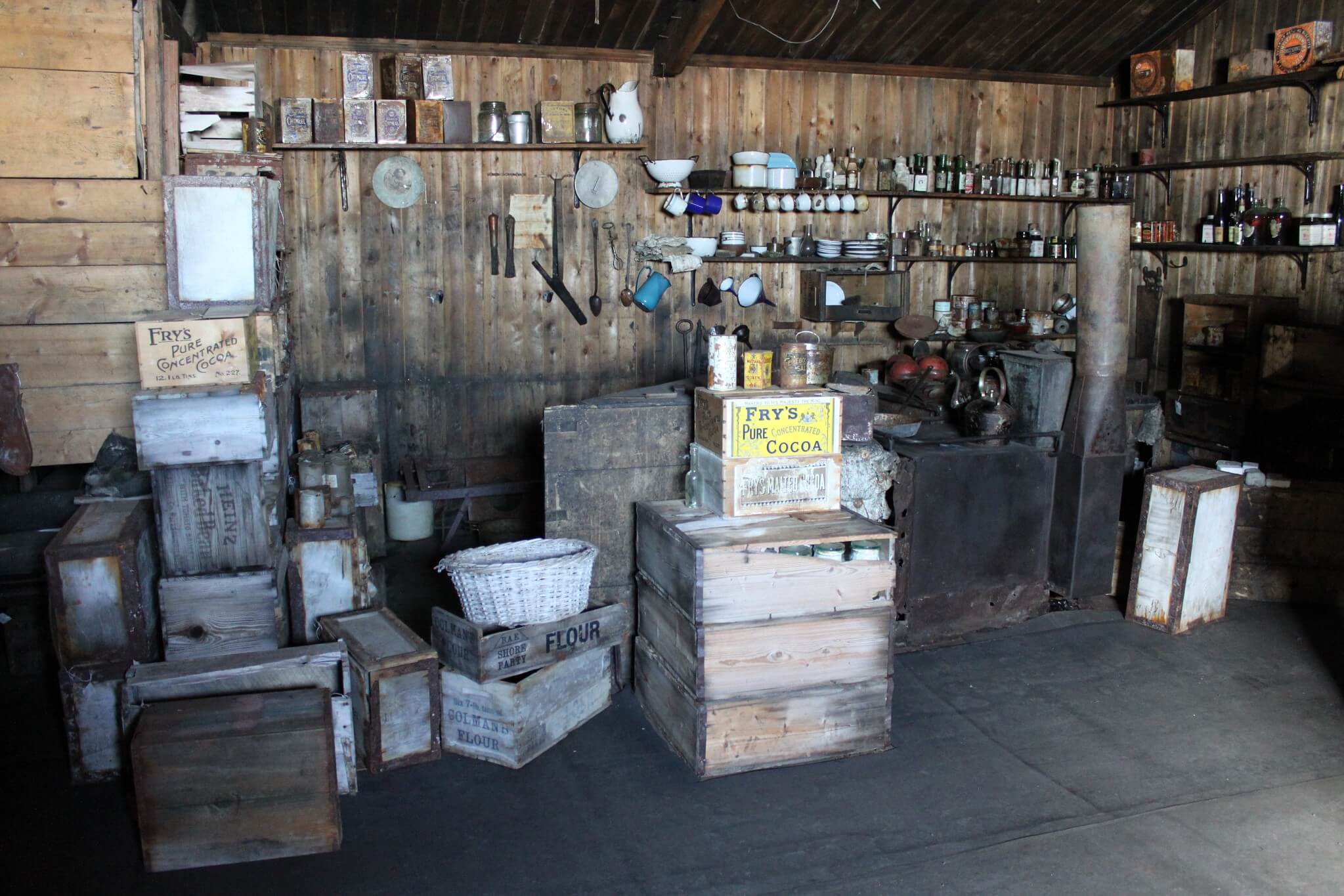
Robert Falcon Scott's hut
Anyone interested in Antarctica cannot avoid the rivalry between Scott and Amundsen. Scott's hut can now be viewed virtually with Google Street View. The hut is located on the north coast of Cape Evans on Ross Island in Antarctica. It was built in 1911 by the British Antarctic Expedition of 1910-1913 (also known as the Terra Nova Expedition) led by Robert Falcon Scott.
In the winter of 1911, 25 men from Scott's expedition lived in the hut. From here, Scott and his men set out on the ultimately fatal trek to the South Pole. Although it has been empty since 1917, the hut and its contents are remarkably well preserved today due to the consistently sub-zero conditions.
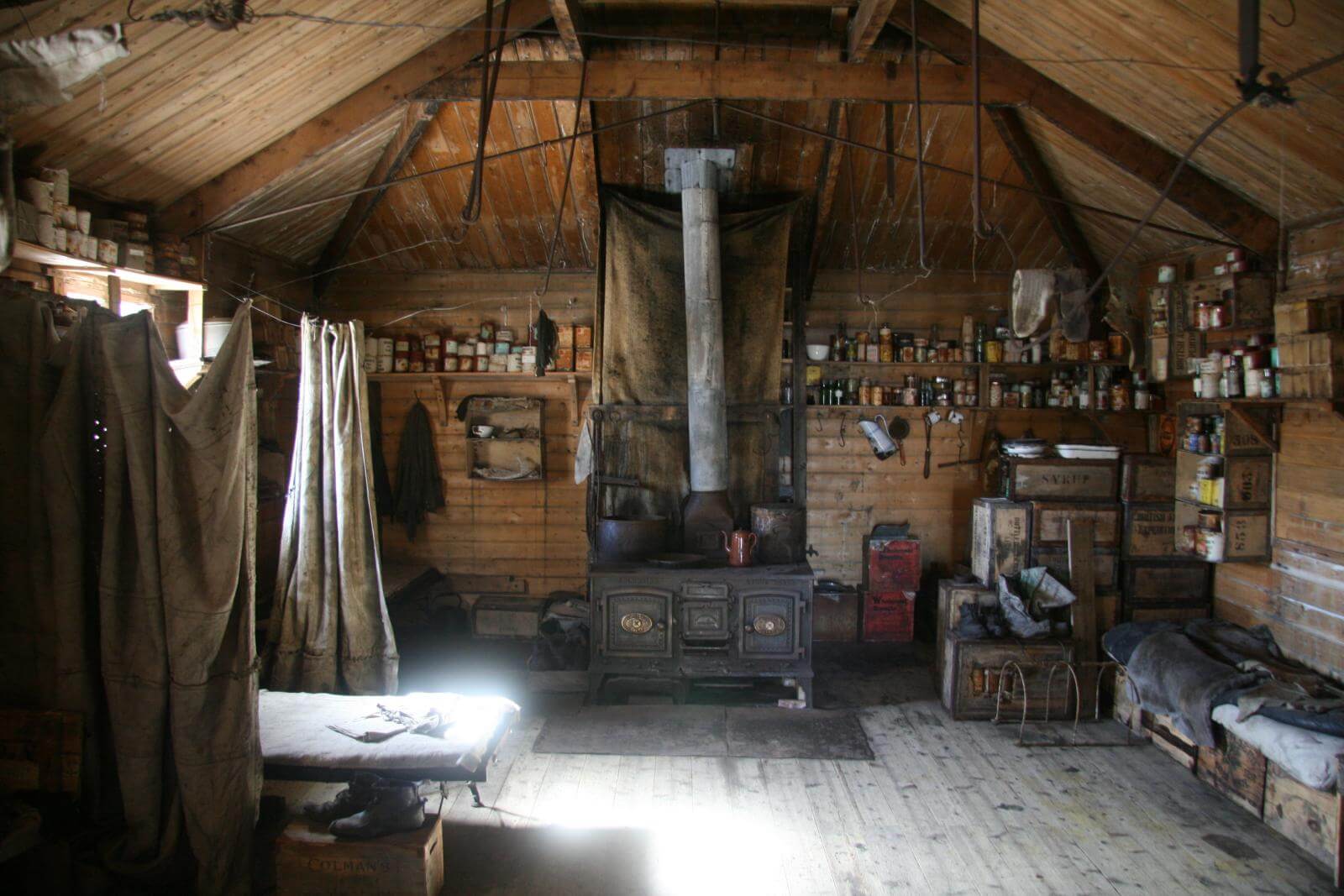
Ernest Shackleton's hut
Ernest Shackleton was an Irish Antarctic explorer who led three British expeditions to Antarctica. He was one of the leading figures of the period known as the Heroic Age of Antarctic Exploration. Shackleton sailed to McMurdo Sound in 1908 after failing to land on King Edward VII Land. Here he decided to build a hut at Cape Royds, a small headland twenty-three miles north of Hut Point, where Scott had stayed during the Discovery Expedition. The entire expedition party lived in this hut during the winter of 1908. Before the entire expedition set off, the hut was tidied up. A letter was placed in a conspicuous place inside, stating that there were enough supplies and equipment for fifteen men for a year. The letter ended with a request to all subsequent parties to use the supplies and the hut as desired. The hut was then locked and the key nailed to the door in a conspicuous place. In 2006, five crates of whiskey, among other things, were found buried under the hut.
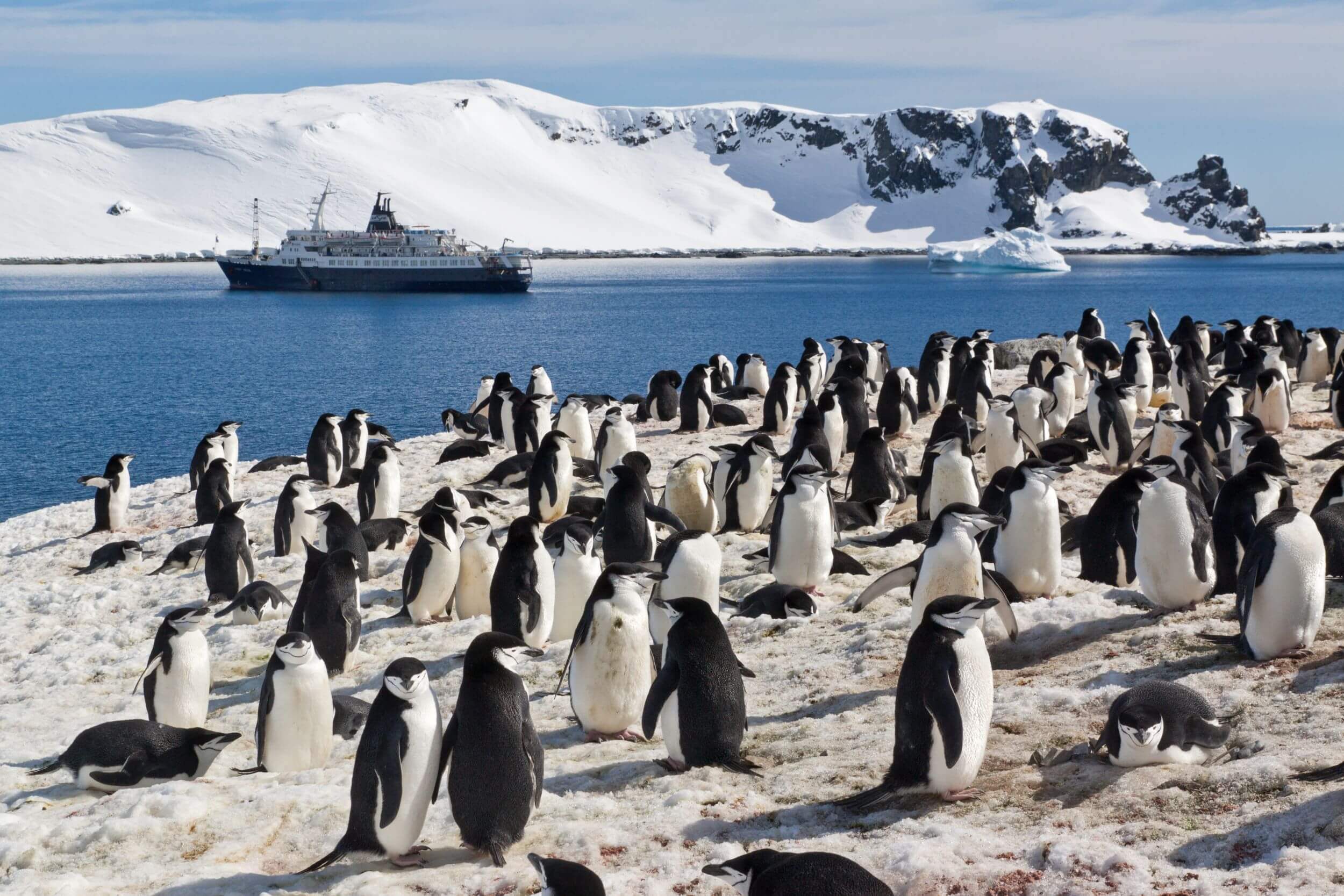
Rufous-bellied penguins on Half Moon Island
Half Moon Island in Antarctica, located in the South Shetland Islands, is a 420-hectare crescent-shaped island that is home to a large colony of chinstrap penguins.
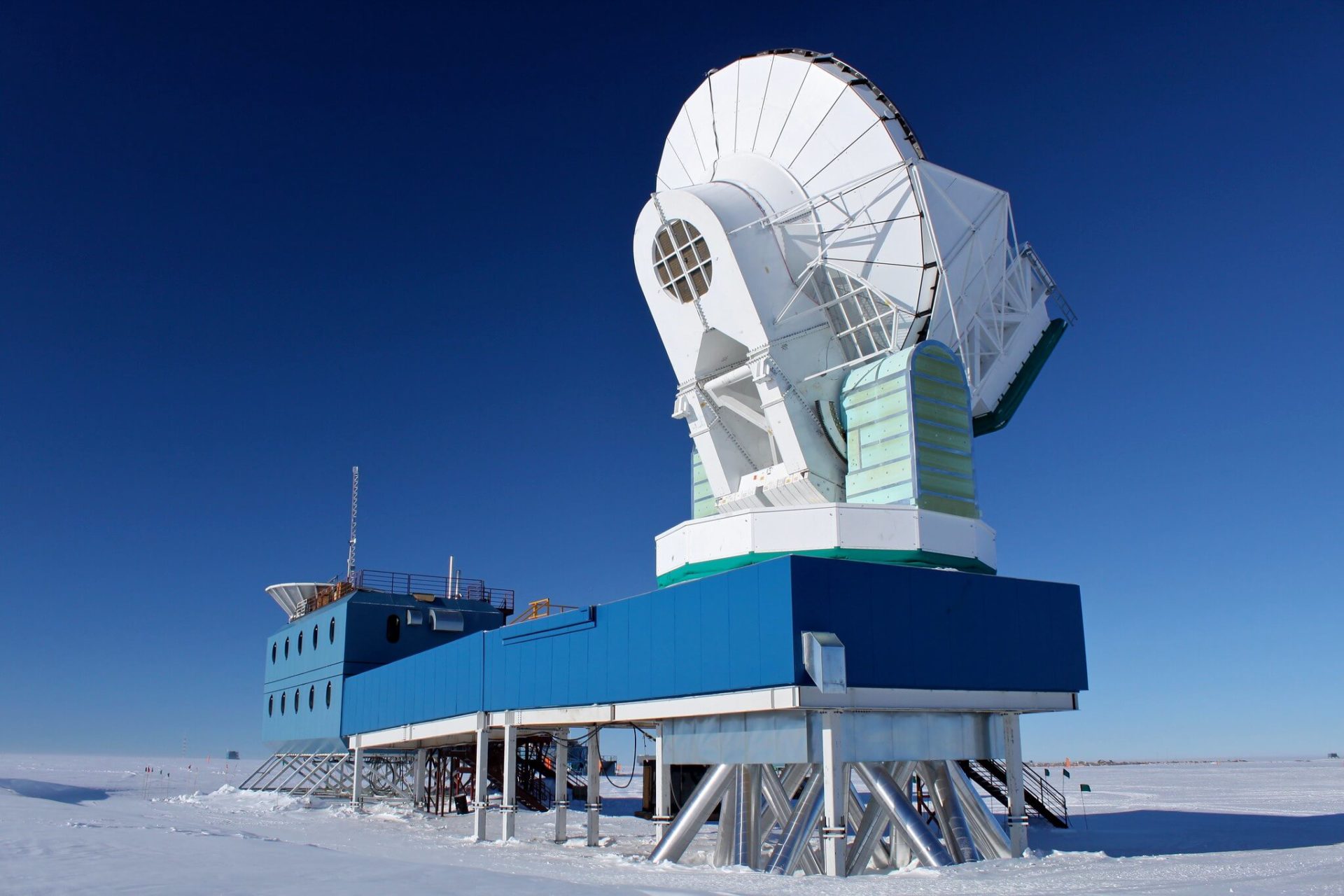
South Pole Telescope
The South Pole Telescope (SPT) is a telescope with a diameter of 10 meters, located at the Amundsen-Scott South Pole Station in Antarctica. The telescope is designed for observations in the microwave, millimeter wave, and submillimeter wave ranges of the electromagnetic spectrum. Take a look inside the station.

On a Zodiac in Antarctica
The special highlight of an Antarctic expedition is undoubtedly the trips in a Zodiac. This brings you a little closer to the unique nature of the White Continent and allows you to land where hardly anyone else can go. See here what it's like to sit in a Zodiac.
Photos:
First photo: Wayne/Adobe Stock
Ceremonial South Pole: Mike/Adobe Stock
Cape Royds: melissa2760/Pixabay
Scott's hut: Eli Duke/Flickr
Shackleton's hut: Bryan Kiechle/Flickr
Gentoo penguins on Half Moon Island: Klaas Köhne
South Pole telescope: Bryan Kiechle/Flickr
Zodiac: John Bozinov/Poseidon Expeditions
Shall we stay in touch?
Travel articles from my blog

Die Osterinsel: Alles, was Sie über Rapa Nui wissen müssen
Die Osterinsel liegt 3.700 Kilometer vom nächsten Kontinent entfernt – und gibt bis heute Rätsel auf. Was Sie wissen sollten, bevor Sie hinreisen.
Winter Packing List for Lapland: What You Really Need
Everything you need to bring: The ultimate packing list for the perfect Northern Lights trip above the Arctic Circle.

Ōmisoka: Japan's ritual for a mindful New Year
Ōmisoka – Japan's quiet New Year's Eve with ritual house cleaning, buckwheat noodles, and 108 bell chimes for a mindful new beginning

Southern Lights: Travel with us to see the rarely observed Aurora Australis
New to our range: a trip that combines two common desires and an expedition in the truest sense of the word.
8 reasons why Japan should be on your travel list
Ancient forests, enchanting cherry blossoms, samurai heritage, and futuristic skyscrapers: traveling to Japan will change your view of the world!

What are some things I definitely need to keep in mind right before leaving for Antarctica?
Plan your comfortable journey to the Antarctic expedition! Discover tips, useful stopovers, and everything you need to know about preparing for your trip.
For 2026: Two new extraordinary Antarctic expeditions in the program
New to our range: a trip that combines two common desires and an expedition in the truest sense of the word.

Antarctic voyage: What costs should I expect?
Find out how to plan your Antarctic expedition optimally, get the best value for your money, and learn which factors are relevant.

Encountering polar bears: Searching for traces in Canada, Spitsbergen, and Greenland
Encounter polar bears – in Canada, Spitsbergen, and Greenland. Find out how this is possible and how to behave respectfully in the polar bears' habitat.

Lapland at Christmas and New Year's Eve: Why January to March are more ideal
Christmas in Lapland is very popular – but snow conditions and the Northern Lights are often better from January to March. What you need to know.

ESTA for South Georgia – Entry authorization now mandatory
Since the 2025/2026 Antarctic season, an entry permit for South Georgia has been mandatory: find out why it was introduced.

Greenwashing in the travel industry: Between green promises and legal limits
Discover guidelines that regulate greenwashing in the travel industry and commit companies to more honest environmental promises.

SAF. How sustainable aviation fuels could revolutionize aviation
SAF is key to climate-friendly flying. Learn what SAF is and what makes it so special.

Protecting polar bears: The work of Polar Bears International
Learn how Polar Bears International protects polar bears through research, education, and advocacy—and how you can help.

How climate change threatens polar bears and how conscious travel can help
How climate change threatens polar bears – and how research and conscious travel can contribute to their protection.

Our sustainability promise
For inventia, sustainability is not a trend, but a lifestyle: join us in gaining and protecting ecological, economic, and financial resources.

Responsible travel: A guide for travelers in the Arctic
Sustainable travel in the Arctic – with AECO guidelines and helpful information to assist you on your journey.

Clean Up Svalbard – Working together for a clean Arctic
Learn more about the Clean Up Svalbard initiative and how you can actively participate in combating plastic waste in the Arctic.
Where does my trip to Antarctica start, and how do I get there?
Plan your comfortable journey to the Antarctic expedition! Discover tips, useful stopovers, and everything you need to know about preparing for your trip.

My personal travel favorites in the Arctic and Antarctic
Be inspired by my personal travel favorites! From Spitsbergen to the Weddell Sea, there's something for everyone—including you!

Hapag-Lloyd Antarctic Expeditions: Entirely in German
Discover unforgettable journeys with first-class service—only in German: captain, ship's doctor, tour guide, lectures, menus, etc.

The benefits of booking your Antarctic trip with inventia
Free consultations, customized travel packages, legal certainty, and much more: the advantages of a tailor-made Antarctic trip from the experts.
![[Travel information] Your polar voyage with the MS Plancius, MS Ortelius, or MS Hondius](https://www.inventia.de/wp-content/uploads/2016/12/Plancius-in-Antarctica_Joerg-Ehrlich-Oceanwide-Expeditions-400x250.jpeg)
[Travel information] Your polar voyage with the MS Plancius, MS Ortelius, or MS Hondius
If you have booked a polar expedition to the Arctic or Antarctic, you will find valuable travel information here to help you prepare.

Guide to responsible travel in Antarctica
Responsible travel in Antarctica made easy—with our guide and helpful information materials.

What is the best way to book my trip to Antarctica?
Book your Antarctic expedition with the experts—comprehensive planning and organization as well as legal and financial security.