Massive icebergs, historic explorers' huts, and emperor penguins
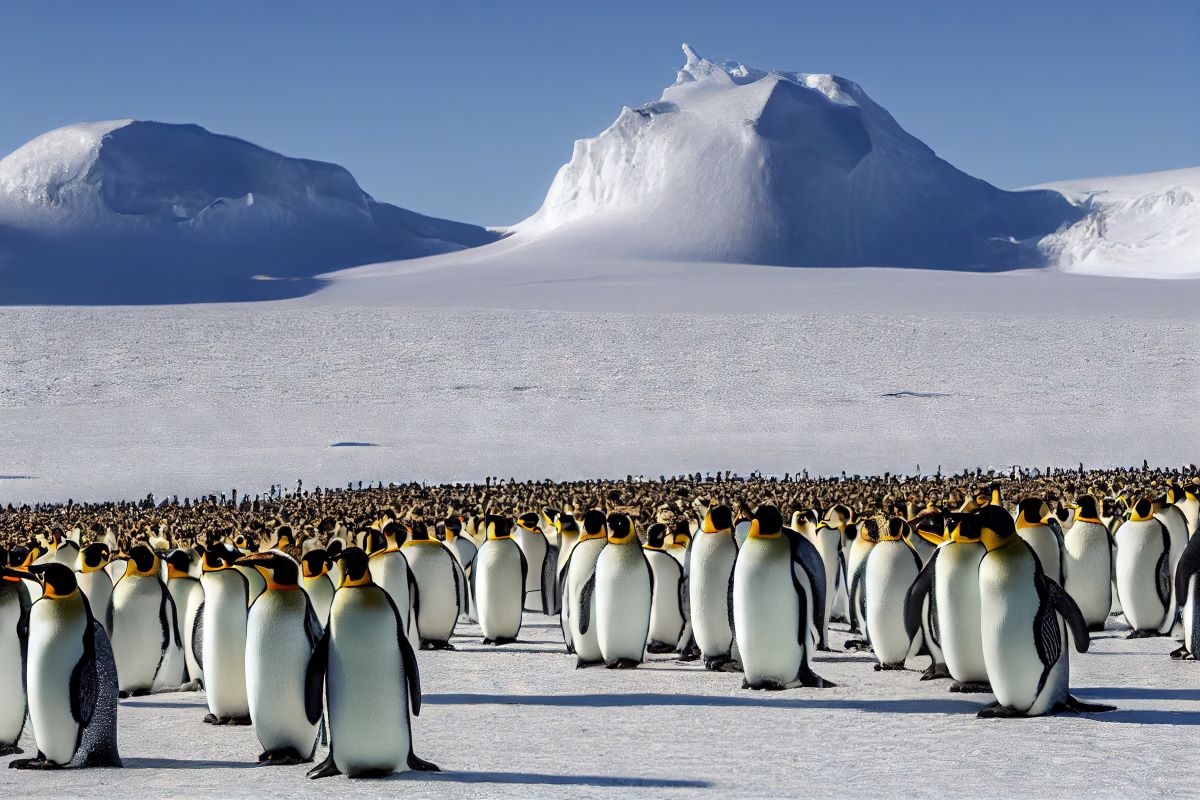
Expedition cruises through the vast pack ice fields of the Ross Sea. Emperor penguins in one of the most remote regions of Antarctica. Giant tabular icebergs and the mighty Ross Ice Shelf edge. Landings at the historic huts of Robert Falcon Scott and Ernest Shackleton. Orcas, Weddell seals, and Adélie penguins in the icy Southern Ocean. Penguins on New Zealand’s sub-Antarctic islands. Small expedition ships. Extraordinary routes. One of the last great wildernesses on Earth.
Our Journeys to the Ross Sea
64.055 €
World premiere: Complete circumnavigation of Antarctica in 2028 | Le Commandant-Charcot
31.106 €

East Antarctica: Ross Sea Odyssey (departing from Tasmania)
33.660 €

In the footsteps of Scott and Shackleton to the Ross Sea
28.870 €
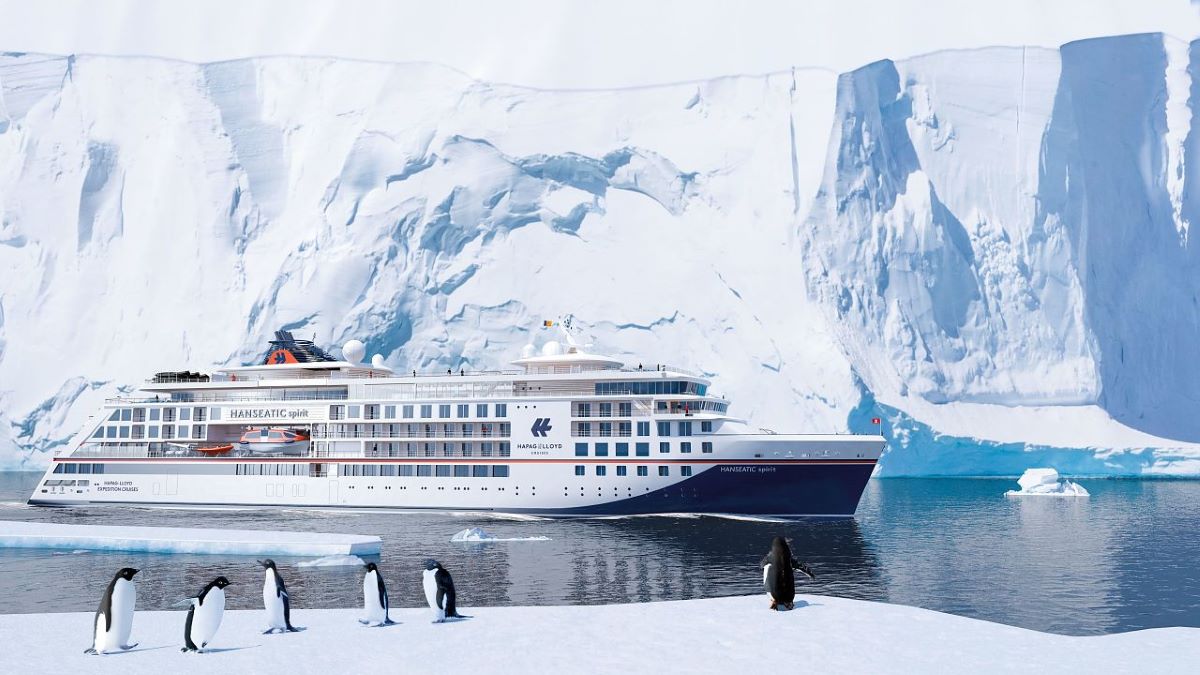
Half circumnavigation of Antarctica from Ushuaia to Christchurch | HANSEATIC spirit
The Most Important Information About Our Ross Sea Trips at a Glance
- Best time to visit: December through February—the only time of year
- Trip duration: 25 to 33 days on board, plus travel to and from the destination—and correspondingly longer for the complete circumnavigation of Antarctica
- Departure: from New Zealand (e.g., Dunedin or Bluff; often via Queenstown) or Tasmania (e.g., Hobart); for half-circumnavigations, from South America
- Ships: small ice-class expedition vessels (usually carrying fewer than 150 guests)
- Highlights: including emperor penguins, Adélie penguin colonies, table icebergs, and Scott's Hut on Ross Island
The Most Remote Destination in Antarctica
While the Antarctic Peninsula is visited by well over 100,000 travelers each year, the Ross Sea is one of the least-visited regions in Antarctica and is reached by only a few expedition ships per season.
The reason lies in the geography: The Ross Sea lies much farther south than the peninsula, is considerably colder, and is covered by sea ice that only briefly breaks up during the Antarctic high summer. This short window of opportunity allows for only a very small number of departures per season worldwide.
What Makes a Ross Sea Expedition Special
The journey begins even before reaching the Ross Sea. The routes pass through New Zealand’s sub-Antarctic archipelagos—Macquarie Island, Campbell Island, and the Auckland Islands—places with an extraordinary abundance of wildlife, including several species of penguins, royal albatrosses with a wingspan of up to 3.5 meters, and densely populated sea lion rookeries. Several of these archipelagos are part of the UNESCO World Natural Heritage Site and are considered a highlight in their own right, even for experienced Antarctic travelers.
In the Ross Sea itself, ice conditions, weather, and wildlife encounters dictate the daily schedule. Zodiac excursions take you past Adélie penguin colonies and table icebergs that would tower over entire cities. Emperor penguins may be spotted in the Ross Sea—their colonies are usually too remote for direct visits, but individual birds or small groups can be seen on the pack ice. On select routes, sea kayaking can also be booked—for particularly immersive nature experiences up close.
The Ross Ice Shelf—larger than France, with its ice edge rising up to 50 meters above the water—is one of the most impressive natural phenomena on the planet.
Ross Island is home to the huts from the Scott and Shackleton expeditions, which have been preserved by the ice for over a century. Today, the same region is also home to major research stations such as McMurdo Station and Scott Base. The expedition team on board—comprising marine biologists, geologists, and Antarctic historians—accompanies every shore excursion and provides historical and scientific context for these sites.
Why the Ross Sea Is Under Special Protection
The Ross Sea is one of the least human-impacted marine ecosystems on Earth. In 2016, 24 countries and the European Union agreed to establish a large-scale marine protected area in the Ross Sea region—at the time, the largest in the world. Its remote location and strict conservation regulations have helped preserve large parts of this unique natural area in a virtually untouched state to this day.
When you travel across the Ross Sea, you’ll get a firsthand sense of why preserving such natural areas is of particular importance to science and environmental conservation.
Before Your Trip: What You Should Know
Travel to New Zealand or Tasmania is part of the trip planning process—upon request, inventia can put together customized travel packages, including flights, hotels, and transfers. Pre- and post-trip itineraries to extend your trip are also available.
To participate in a Ross Sea expedition, you are required to complete a medical questionnaire before departure. These trips do not require peak athletic performance, but they differ significantly from traditional cruises: they involve Zodiac landings in rough terrain, changeable weather, and several days at sea. You are required to have international health insurance that includes medical evacuation, and proof of coverage must be provided.
The language spoken on board is usually English. Consultations and booking services at inventia are conducted entirely in German.
Thanks to their ice class, ice-strengthened expedition ships and polar icebreakers can reach regions that ordinary cruise ships cannot access—which significantly expands the range of itineraries available. Some ships are also equipped with on-board helicopters, which (depending on conditions) allow for landings in hard-to-reach areas. We’d be happy to discuss which route and which ship are right for you in person.
Frequently Asked Questions About the South Polar Circle Trip
Why are there so few Ross Sea expeditions?
The Ross Sea is covered by thick sea ice for most of the year and is only open to shipping during the Antarctic high summer. In some seasons, there are only a single-digit number of departures worldwide.
Is the Ross Sea much colder than the Antarctic Peninsula?
Yes, definitely. On the peninsula, temperatures around 0°C are normal in midsummer. In the Ross Sea, temperatures can drop well below freezing even during the Antarctic summer—so having the right gear is essential. We can provide you with a detailed packing list upon request.
How long does a Rossmeer trip last?
The cruises last between 25 and 33 days on board, depending on the route. In addition, there is the travel time to and from New Zealand or Tasmania. Plan on at least five weeks in total.
When is the best time to go on a Ross Sea expedition?
The only time to travel is during the short Antarctic summer season, from December through February. Added to this is the nearly continuous daylight—about 24 hours to explore the landscape and wildlife.
Will I see emperor penguins?
The chance is real, but there’s no guarantee. Emperor penguin colonies are usually too remote for direct visits—but encounters with individual birds or small groups on the ice are not uncommon. Adélie penguins can be seen in large colonies on almost every trip.
Is a tour of the historic smelting works guaranteed?
The expedition teams do everything they can to make a stop at the huts on Ross Island—and the chances are good, since they are relatively easy to reach. No one can guarantee it, though: ice and weather ultimately determine the route. Every trip is different.
Why do Ross Sea expeditions often cost more than other Antarctic trips?
The Ross Sea is accessible only by specially equipped icebreakers; the trip takes at least 25 days, and the narrow time window severely limits the number of possible departures per season. On top of that, there’s the trip to New Zealand or Tasmania. All of this is reflected in the price.
How far in advance should I book?
It pays to book early—capacity is limited, and popular dates fill up quickly. If you have a specific season in mind, don't wait too long.
Can I book a Ross Sea expedition in German?
Yes. inventia provides full consultation and support in German—from your initial inquiry through your departure. The language spoken on board the ships is usually English.
Do you have any questions about our Ross Sea trips?
just call