

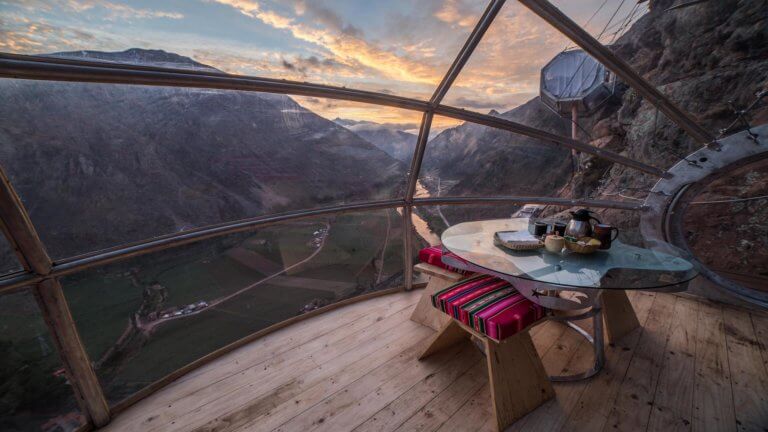
A camp, a lagoon, and a beach that belongs to the animals

from/to Libreville

9 days (8 nights)

Max. 8 guests
9 days / 8 nights | from/to Libreville | tented camp in Sette Cama, Loango National Park, Gabon | maximum of 8 guests | English-speaking guides
There is hardly a place left along Africa's coasts where the rainforest reaches all the way to the surf and the beach belongs to the animals. On the southern edge of the Loango National Parks It can be found in Gabon: Forest Elephants stretch along the coast between driftwood and palm trees, hippopotamuses run through the Atlantic surf, and beyond the beach lies a watery wilderness of mangroves and islands that Ndogo Lagoon. Right in the middle of it all, in a clearing in the coastal forest, stand the tents of the Sette Cama camp.
Continue reading
For one week, this camp will be your base, and the wilderness will set the pace. You’ll learn what it means to “speak the rainforest”: to read the tracks of brush-eared pigs and red buffalo, to interpret the calls of vervet monkeys, and to recognize the signs of the wild gorillas and chimpanzees that call these forests home. You’ll explore on foot along the trails, by boat, and under your own power in a kayak, and at night on the dark waters of the lagoon.
What wins us over about this place is that it doesn’t just offer a backdrop—it offers a sense of participation. You set up camera traps to scientifically document the wildlife and review the images yourself; the camp collaborates with great ape researchers and operates a sea turtle hatchery. The guides come from local communities in the region. The fact that the great apes here are not habituated is part of what makes this place so authentic: Nothing is staged; every encounter must be earned.
This trip is designed for travelers who are good walkers and are looking for wilderness without any artificial structures. The rainforest hikes cover eight to twelve kilometers, sometimes through streams, sometimes along the beach, and the most beautiful moments require patience: waiting in a hammock until the hippos emerge from the surf, or the silence of the Rainforest Immersion experience, when the forest takes over the conversation. Families with children aged 12 and older who are comfortable walking are welcome.
For the days before or after your trip, Libreville is worth more than just a stopover. In Pongara National Park, just across from the capital, you’ll ride in a buggy through the forest and savanna before ornithologist François Boussamba leads you on a bird-watching excursion, with lunch overlooking the Atlantic at the Pongara Lodge. An evening in the village of Ebando offers a glimpse into the world of Bwiti tradition, complete with music, drumming, and dance. And the guided city tour combines the carved columns of St. Michael’s Church in Nkembo with a tasting at Les Chocolats Gabonais de Julie. Feel free to contact us—we’ll be happy to put together a personalized pre- or post-trip itinerary for you.

Stephanie Gräf
Owner & Founder
Since 2002, I have been personally advising clients on unique expeditions and private trips, small-ship cruises, and journeys to remote regions of the world.
We'd be happy to discuss your trip with you in person.
Why not contact me right now at Phone: +49 201 85890960 or email welcome@inventia.de.
Or schedule a free, no-obligation one-on-one phone call (also via WhatsApp or Wi-Fi), a Teams or Zoom meeting here—even in the evenings or on weekends:
Good to know
Entry Requirements: German citizens must have a valid passport and a visa for Gabon, which the tour operator will arrange for you on site for an additional fee; please allow at least 30 days before departure for this process. A yellow fever vaccination is required and will be checked upon arrival. You can find the latest travel and safety advisories from the German Foreign Office for Gabon. Regulations may vary for other nationalities. Please contact us.
Climate and Clothing: Gabon is located on the equator and has two rainy seasons and two dry seasons—the longer one from May through September, and the shorter one around the turn of the year; temperatures usually range from 18 to 29 degrees, reaching up to 32 degrees during the rainy season. Pack light clothing in muted colors, a lightweight rain jacket with waterproof overpants, warm layers for mornings and evenings, and shoes suitable for long walks and wading through water. Binoculars and camera gear are essential here.
Type of Trip and Comfort: You’ll stay for the entire week at a camp with just four Meru tents on wooden decks, each with a private bathroom and air conditioning, ideal for six to eight guests. The daily program is guided but doesn’t follow a set schedule; instead, it adapts to the conditions of the forest, coast, and lagoon. Electricity is provided by a generator; cell service and Wi-Fi are intermittent, and a satellite phone is available for emergencies. Exploration is done under your own steam, on foot and by kayak, with hikes ranging from eight to twelve kilometers.
Money and Tips: The local currency is the CFA franc (XAF); cash is the preferred method of payment. Only larger establishments in Libreville accept credit cards, and even there, this isn’t always reliable. Tips are given at the camp once at the end of your stay, in euros or U.S. dollars using small, clean bills; as a guideline, allow 15 to 20 euros per person per day for your guide and 10 to 15 euros for the camp team.
HIGHLIGHTS
- Hippos in the Atlantic surf
- Forest Elephants on the Beach
- On the Trail of Great Apes
- Hippos in the Atlantic surf —Wait at the coastal lagoons at dawn until the hippos from Loango emerge from the surf and make their way across the beach.
- Forest Elephants on the Beach – Amid driftwood and palm trees, the rainforest elephants wander along a deserted coastline.
- On the Trail of Great Apes – On foot, you’ll follow the tracks of wild gorillas and chimpanzees and set up camera traps for research purposes.
- A Night at Point Milongo – During the sleep-out, after enjoying a campfire and a swim in the Atlantic, you’ll sleep in a small campsite under the milkwood trees.
- 50,000 hectares of aquatic wilderness —From the boat, mangroves, islands, and tranquil coves of the Ndogo Lagoon unfold all the way to its undisturbed mouth on the Atlantic Ocean.
- The Evening Flight – At sunset, hundreds of African gray parrots and black-helmeted hornbills fly to their roosts off the Lagoon Islands.
- Nighttime Stalking – On a nighttime boat ride, snub-nosed crocodiles, fawns, and sometimes a banded fish owl give themselves away.
- Four tents, exclusive access —The camp on the southern edge of Loango National Park accommodates a maximum of eight guests.
route

itinerary
Day 1 | Arrival in Libreville
Your flight will land in Libreville, the capital of Gabon. A representative will be waiting for you in the arrivals hall to assist you with the formalities and accompany you to your transfer to the hotel.
The city stretches about 48 kilometers along the Atlantic coast, with beaches, restaurants right on the water, and fresh fish right on your doorstep. It was founded in 1849 by freed slaves; its name means “Free City,” and this heritage continues to shape the city’s identity to this day. If you’re still in the mood for some exercise after your flight, take a stroll along the waterfront promenade and watch the sun sink into the sea behind the Gabon Estuary.
You'll stay at the Park Inn by Radisson Libreville, right on the waterfront, with views of the ocean and the city. Breakfast is included.


Day 2 | Across the Ndogo Lagoon to Camp
Early in the morning, the shuttle will take you back to the airport, where your charter flight to Gamba departs. After landing, a short road transfer takes you to the shore of the Ndogo Lagoon, and then the boat takes over: the journey across the vast waters takes about an hour, passing wooded islands, until the camp appears among the trees on the southern edge of Loango National Park. Four tents in a clearing in the coastal forest, with the lagoon in front of them. By lunchtime, you’ll already be seated at the table.
The first exploration begins in the afternoon: by boat out into the estuary and the lagoon’s mangroves, where the freshwater meets the Atlantic Ocean. These waterways are part of one of the largest undisturbed wetlands of its kind in Africa; along the banks, you’ll spot kingfishers, herons, and, with a little luck, the first hippos.
Enjoy your first sundowner on the coast near the camp, with your feet in the sand and the sound of the surf behind you. Afterward, have dinner at the camp.
Day 3 | Tracking in the Rainforest
After an early breakfast, the boat will drop you off at the starting point of the first rainforest hike. You’ll be on foot for three to five hours, learning to read the forest: fresh tracks of brush-eared pigs, feeding traces, and the calls of vervet monkeys in the canopy. Along the way, you’ll set up camera traps with your guide; the images captured will contribute to the scientific documentation of Sette Cama’s wildlife. A tea break in the middle of the forest is part of the experience.
Back at camp, lunch and a siesta await us in the heat of the day. In the afternoon, the boat glides into the innermost coves of the lagoon, where giant turacos flit through the treetops and palm vultures circle above the water.
As the sun sets, you’ll be anchored off the Lagoon Islands: hundreds of black-helmeted hornbills and African gray parrots fly in to their roosts, a spectacular sight accompanied by a great commotion. Back at camp, you’ll visit the sea turtle hatchery and listen to a presentation on how the nests are protected along this coast. Dinner follows.

Day 4 | Kayaking on the lagoon, walking to Point Milongo
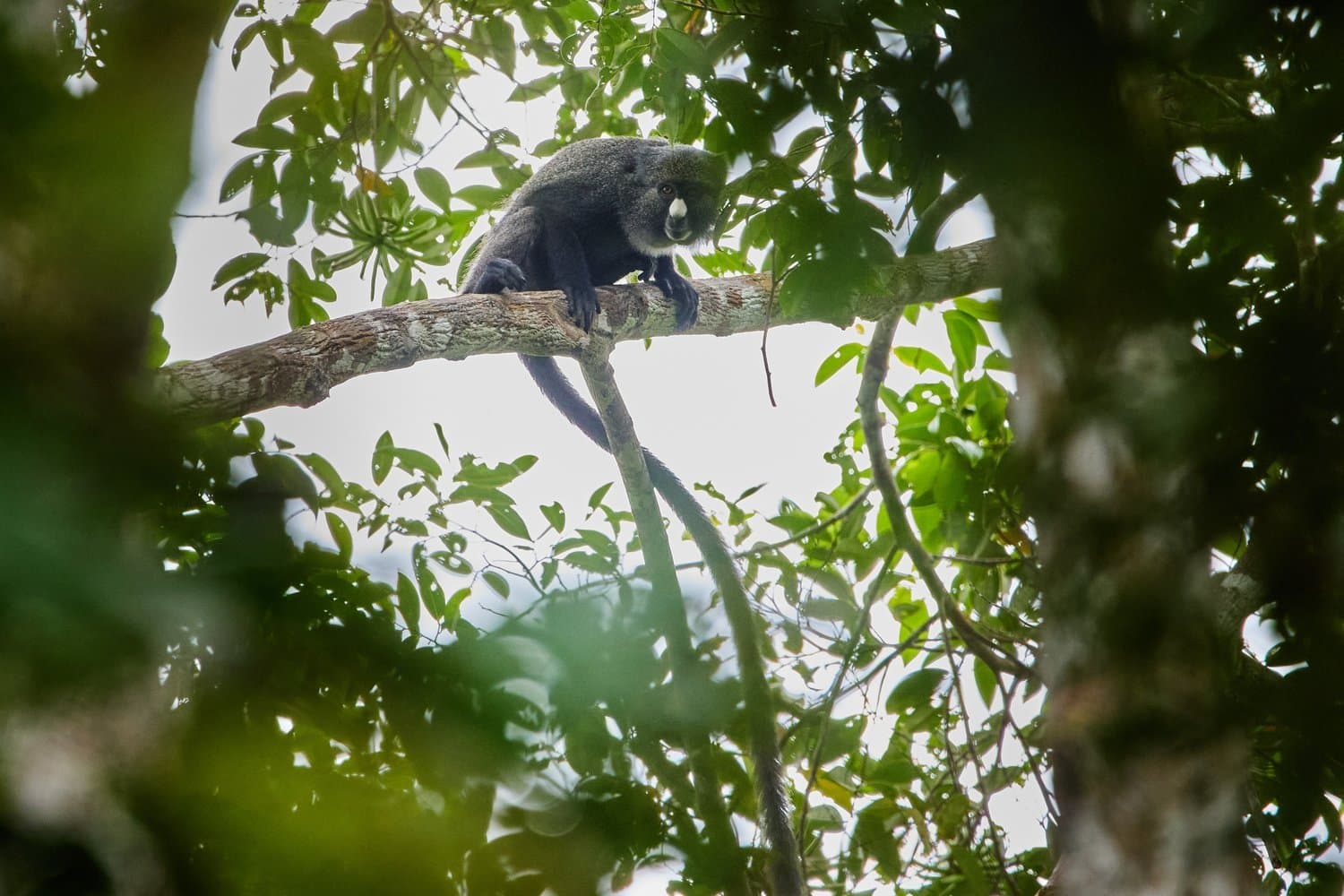
The morning is all about kayaking. With no engine noise to disturb you, your paddles carry you to the edge of the mangroves—so close that you can see the African reed warbler on the shore, and the water carries the sounds of the forest to you, sometimes even the distant drumming of the great apes. Three to five hours on the water, including a tea break.
After lunch, pack a small overnight bag. The boat will take you to the estuary in half an hour; along the way, herons, kingfishers, and bee-eaters line the shore. From there, the coastal hike takes about an hour and a half to Point Milongo, with a chance to spot a sitatunga or a forest elephant on the beach along the way.
We set up camp under the milkwood trees at the headland. There’s time for a swim in the Atlantic and for the hammock, with the binoculars within reach: From August through October, humpback whales pass by out there. In the evening, the campfire burns, dinner is served on the beach, and we sleep in the small camp under the trees.
Day 5 | Hippos in the Surf
You set out at 5:30 a.m., traveling north along the coast for an hour in the first light of day. Once you reach the coastal lagoons, it’s time to wait. That’s because this is where Loango’s famous surfing hippos come when they return to the lagoons from their nighttime grazing grounds, wading through the Atlantic surf. From June through September, at dawn, brush-eared pigs also chase ghost crabs across the beach. Hammocks are strung between the palm trees, tea is steaming, and eyes remain fixed on the water.
After that, the trail leads into the rainforest for about two hours, where your guide will listen for the calls of primates and follow their tracks until you meet up with the boat again at the lagoon. You'll be back at camp in time for lunch.
In the afternoon, we’ll head out to the plains south of Sette Cama, with time to swim along the coast and enjoy a sundowner in the open grasslands, where birds and mammals of the coastal region can be spotted. Dinner at camp.

Day 6 | Deeper into the forest, back across the water at night
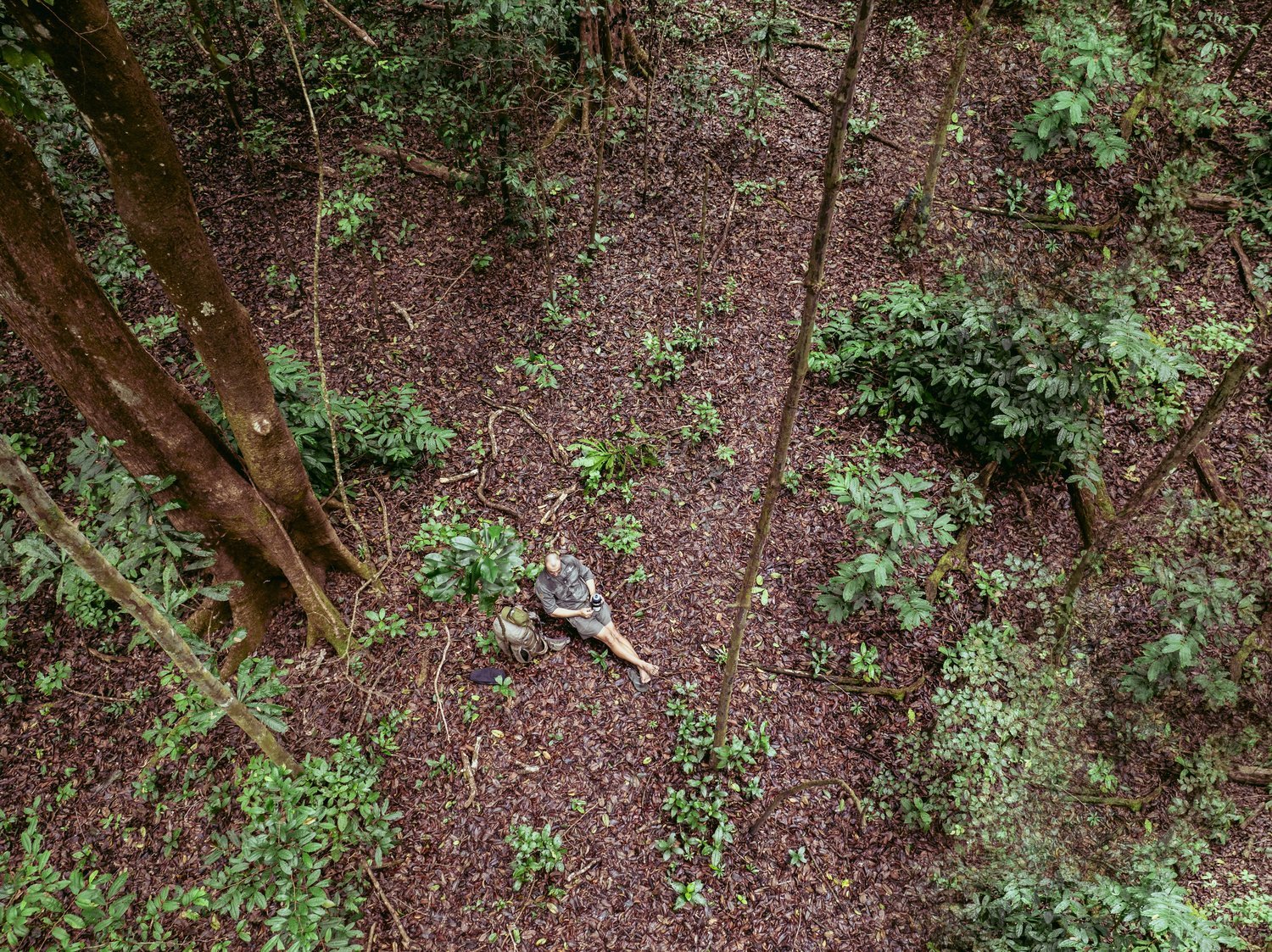
Today we’ll venture deeper into the rainforest: about twelve kilometers in three to four hours, following the tracks of primates and other wildlife, always on the lookout for signs of the wild gorillas and chimpanzees that call this forest home. During the Rainforest Immersion, hammocks are strung between the tree trunks; then everything falls silent, and the forest takes over the conversation: bird calls, insects, the crack of a branch somewhere in the distance.
After lunch and a siesta, the boat sets course for Soungha Bay, where, if the water level is right, the kayaks will be launched for a tour through the salt marshes. We’ll enjoy a sundowner by the campfire at the mouth of the estuary.
The return trip turns into a nighttime boat safari: snub-nosed crocodiles give themselves away along the shore, and with a bit of luck, an African duiker or a banded fish owl may be spotted perched in its hiding place. Forest elephants, too, move more freely along the water’s edge under the cover of darkness. Dinner at camp.
Day 7 | Turtle Patrol and Plantation Visit
The morning begins with a patrol along the coast: Together with your guide, you’ll search the beach for fresh nesting tracks left by sea turtles. Gabon is home to the world’s largest nesting population of leatherback turtles, and the camp’s hatchery protects nests along this coast. Afterward, a picnic brunch will be set up in the coastal forest, with time for a swim in the ocean.
In the afternoon, you'll visit a local plantation. The focus will be on medicinal plants and their uses, the challenges of subsistence farming in Gabon, and how people and wildlife coexist in a place where wildlife roams through the fields.
The Sundowner arrives on board today, just as the last light fades over the water. Afterward, we head out once more—by boat onto the nighttime waters or on foot into the dark forest—in search of the nocturnal inhabitants of Sette Cama. Dinner at the camp.


Day 8 | Camera Traps, Mangabeys, and Bird Island
The last major rainforest hike covers about ten kilometers in roughly three hours through the primates’ territory. Along the way, you’ll collect the week’s camera trap data, and there will be another stop for tea in a hammock. This time, you’ll return by kayak until you reach the camp for lunch.
During the siesta, it’s worth taking a look at what the camera traps have captured: Which animals have passed by unnoticed this week? Afterward, the boat will take you to the lagoon islands for an ethnobotanical hike: plants that great apes use for healing, tree sap that serves as a fire starter, and roots that play a role in the country’s Bwiti ceremonies. With a little luck, you’ll spot collared mangabeys leaping through the mangroves along the way, hunting for crabs.
The day wraps up with a sundowner at Vogelinsel, before dinner turns to a discussion of the great ape research project the camp is collaborating on, and what your camera trap photos reveal about this week’s wildlife.
Day 9 | Farewell to the Lagoon
After breakfast, it’s time to say goodbye. The boat will take you on a final hour-long cruise across the Ndogo Lagoon, a transfer will take you to Gamba, and the charter flight will take off for Libreville, where you’ll land in the early afternoon. A representative will accompany you to the departure lounge for your late-evening flight home; if you’d like to fly the following day, we can arrange an extra night in Libreville upon request.

This is where you'll be staying
Sette Cama Eco Camp · Four tents on the southern edge of Loango



location
The camp is located in a clearing in the coastal forest on the southern edge of Loango National Park, between the Ndogo Lagoon and the uninhabited Atlantic coast. A short trail leads from the camp to the beach, where forest elephants and sitatungas roam; a half-hour boat ride away, the lagoon meets the Atlantic Ocean at one of Africa’s last undisturbed estuaries.
tents
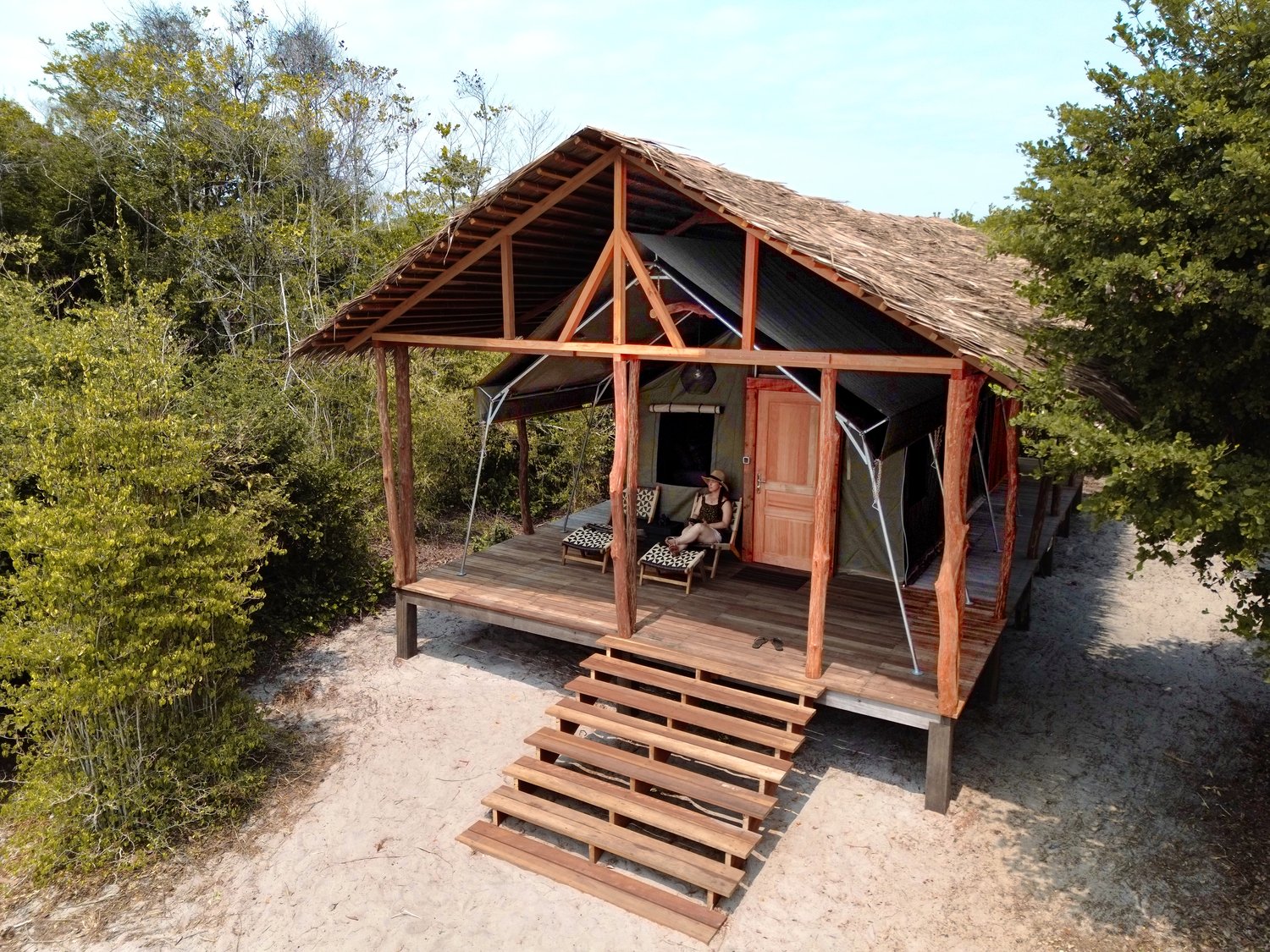
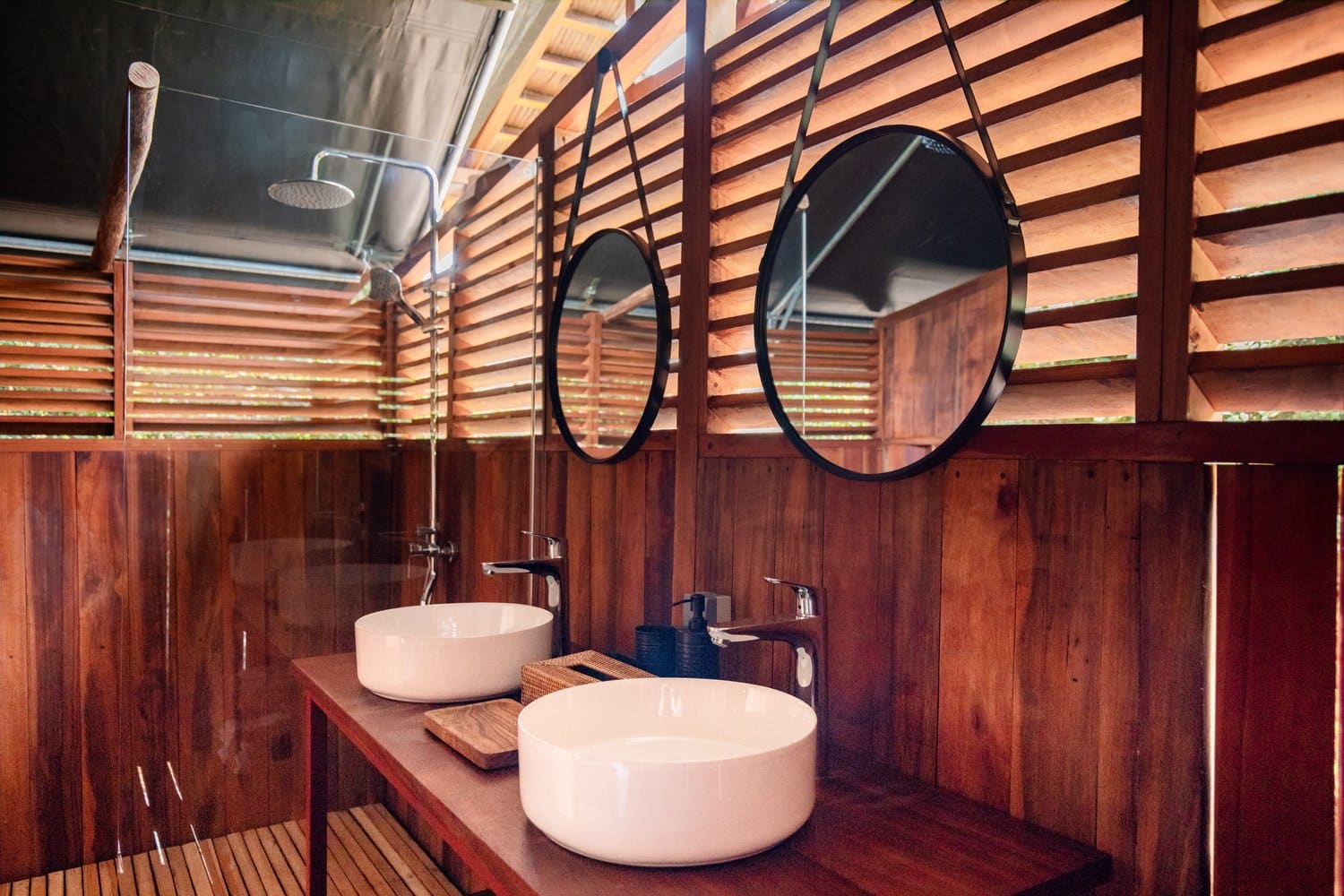
Four Meru tents stand on wooden decks, each with two single beds, a private bathroom, and air conditioning. The bathrooms are built from local hardwoods, and comfort is deliberately kept within the limits of what a remote tented camp can accommodate.
Living Area and Kitchen
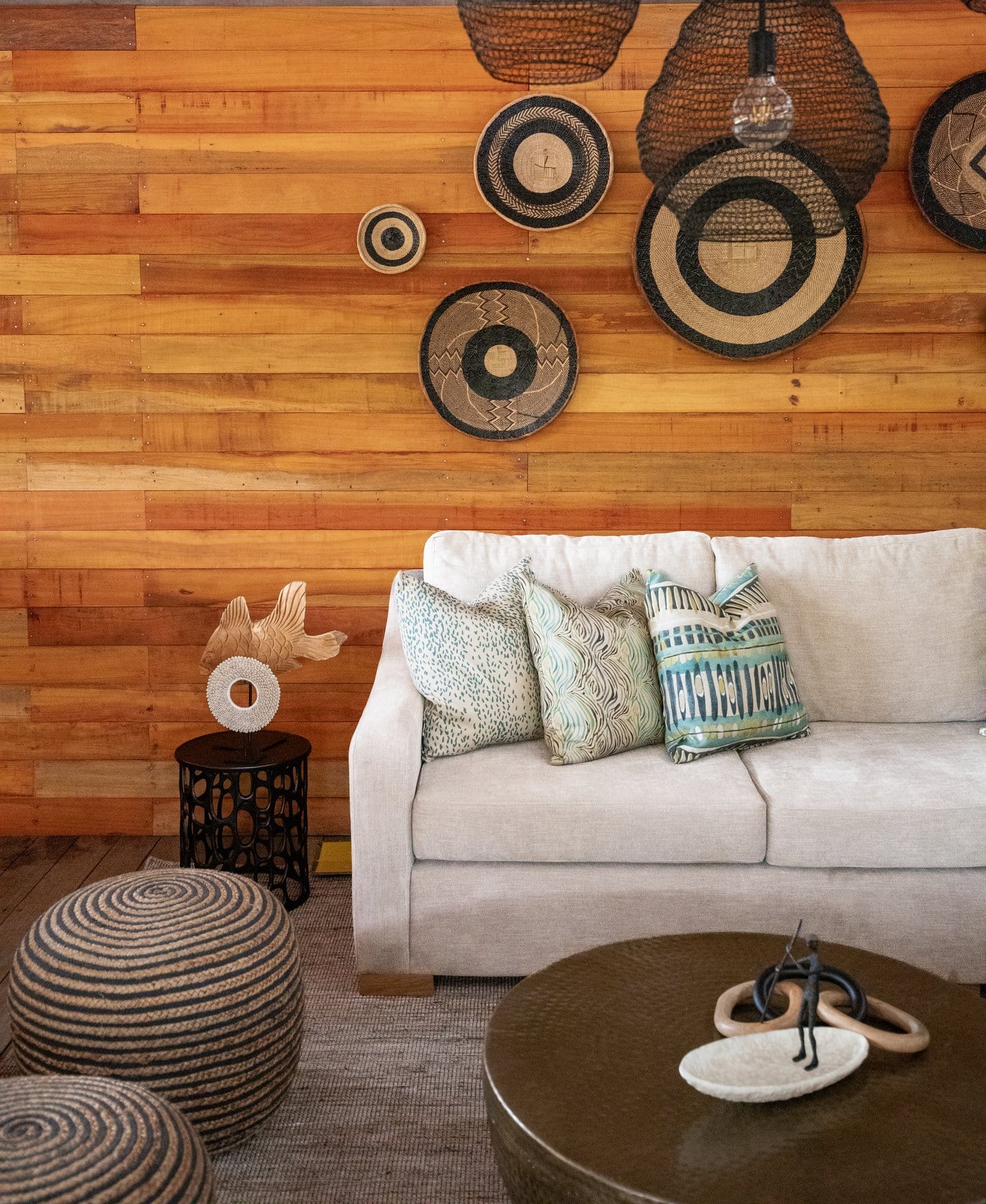
The dining area, lounge, bar, and deck are nestled in the coastal forest. The restaurant serves a set menu featuring fresh, locally caught fish.
Good to Know at Camp
Electricity is provided by a generator; cell service and Wi-Fi are available intermittently, and a satellite phone is available for emergencies. The camp is designed to accommodate six to eight guests and is recommended for families with children aged 12 and older who are in good physical condition.
Park Inn by Radisson Libreville · Your First Night

You’ll spend your first night in Gabon by the water in Libreville, with a view of the ocean or the city. The hotel has 140 modern rooms and suites and free high-speed Wi-Fi; you’ll stay in a Standard Room with a double bed or two single beds, including a coffee and tea station. The next morning, you’ll head out early for your charter flight to Gamba. Breakfast is included.
Your Program in Detail
Rainforest Hikes (included)
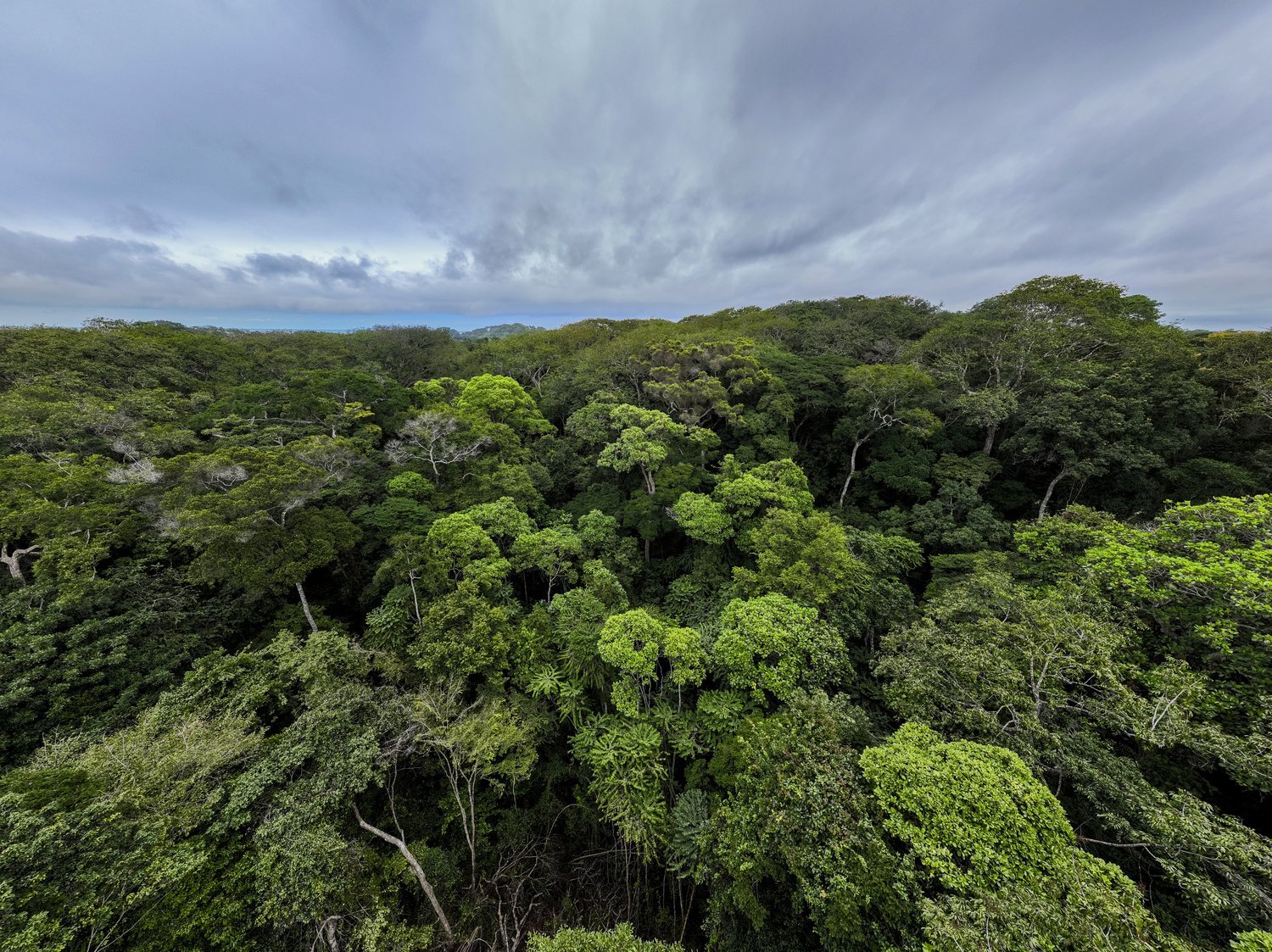


On the trails of Sette Cama, you’ll be tracking rare great apes on foot. Early in the morning, when the primates are most active, the boat will drop you off at the trailhead; depending on the trail conditions, you’ll hike eight to twelve kilometers in three to five hours. Your guide will interpret the tracks of brush-eared pigs, red buffalo, and forest elephants, read the signs left by gorillas and chimpanzees, and turn the forest into an open book.
Some hikes include a “Rainforest Immersion” experience: hammocks are strung between tree trunks, and for a while, you simply listen to the forest. At the beginning of the week, you’ll also set up camera traps; at the end, you’ll collect them and review the images, contributing to the scientific documentation of Sette Cama’s wildlife.
Coastal Hikes (included)

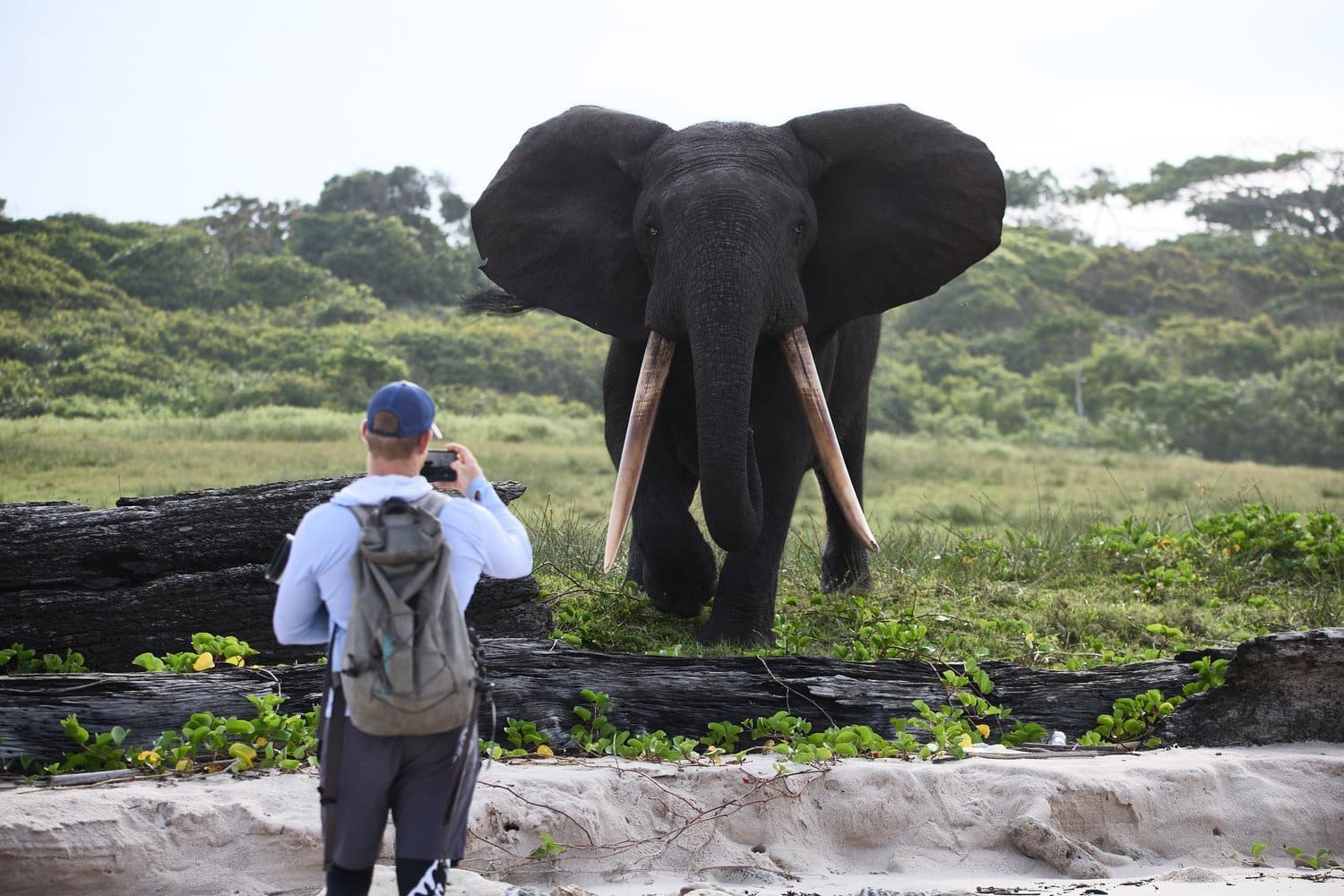

The coast is the counterpart to the dense forest: open skies, the surf, and a beach that belongs to the animals. On hikes along the uninhabited coast, forest elephants, red buffalo, and brush-eared pigs can be spotted among the driftwood and palm trees; in the shallows, you’ll look for hippos surfing the waves and, depending on the season, sea turtles.
Boat tours on Ndogo Lagoon (included)
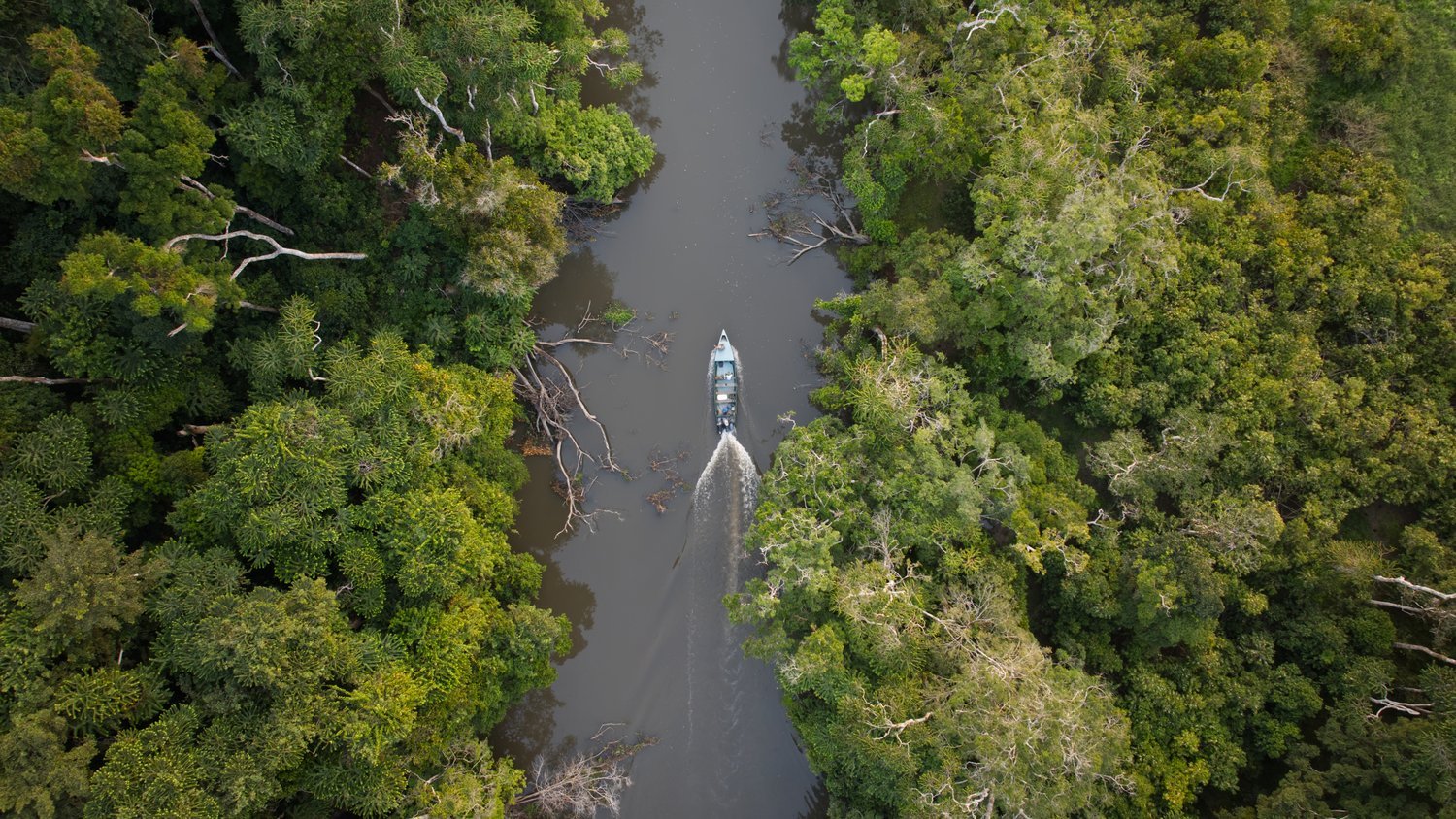
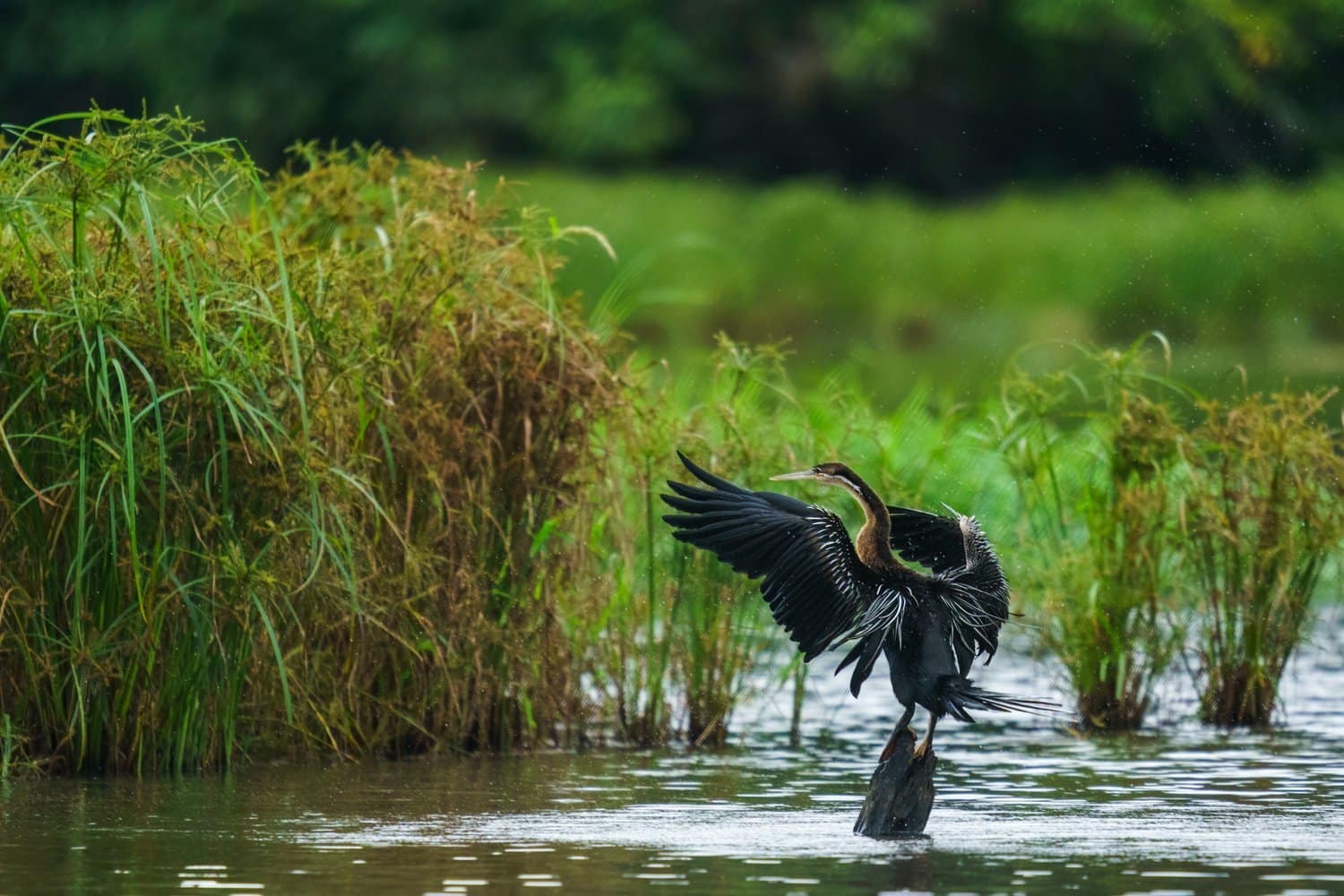
The Ndogo Lagoon covers 50,000 hectares of mangroves, islands, and tranquil bays—it’s impossible to explore it all in a single week. From the water, you can spot giant turacos and palm vultures, several species of kingfishers, hippos that live permanently in the lagoon, and primates on the shore; during the rainy season, there’s a good chance of spotting forest elephants from the boat; some even swim across the estuary, with only their foreheads and the tips of their trunks above the water. At sunset, the spot in front of the lagoon islands is well worth a visit, when hundreds of black-helmeted hornbills and African grey parrots fly in to their roosts.
Kayaking on the lagoon and salt marshes (included)

With no engine noise, you can reach the spot where the rainforest meets the water. From the kayak, shy species such as the African reed rail make themselves visible; across the water, the calls of the forest carry farther than they do on land, sometimes reaching the distant sounds of the great apes. During the rainy season, the flooded salt marsh opens up its own waterways for storks, herons, and kingfishers.
Nighttime boat stalking (included)


Anyone who explores the lagoon alone during the day is only getting half the story. Night cruises usually begin with a campfire on the beach at the estuary or a sundowner on the water, then head out into the darkness for at least an hour. That’s when stump-nosed crocodiles and Central African armored crocodiles reveal themselves along the shore, along with African pygmy deer and, if you’re lucky, a banded or marbled fish owl. Even forest elephants venture closer to the water in the dark.
Overnight stay at Point Milongo (included)


For one night, you’ll leave the camp behind: After a boat ride to the estuary and an hour-and-a-half hike along the coast, you’ll set up camp under the milkwood trees at Point Milongo, with an unobstructed view of the coastline to the north. There’s time to swim in the Atlantic and relax in a hammock; from August through October, humpback whales pass by offshore. After a campfire and dinner, you’ll sleep in the camp under the trees, and at first light, the hippo game drive begins.
Turtle Monitoring (included, November through March)

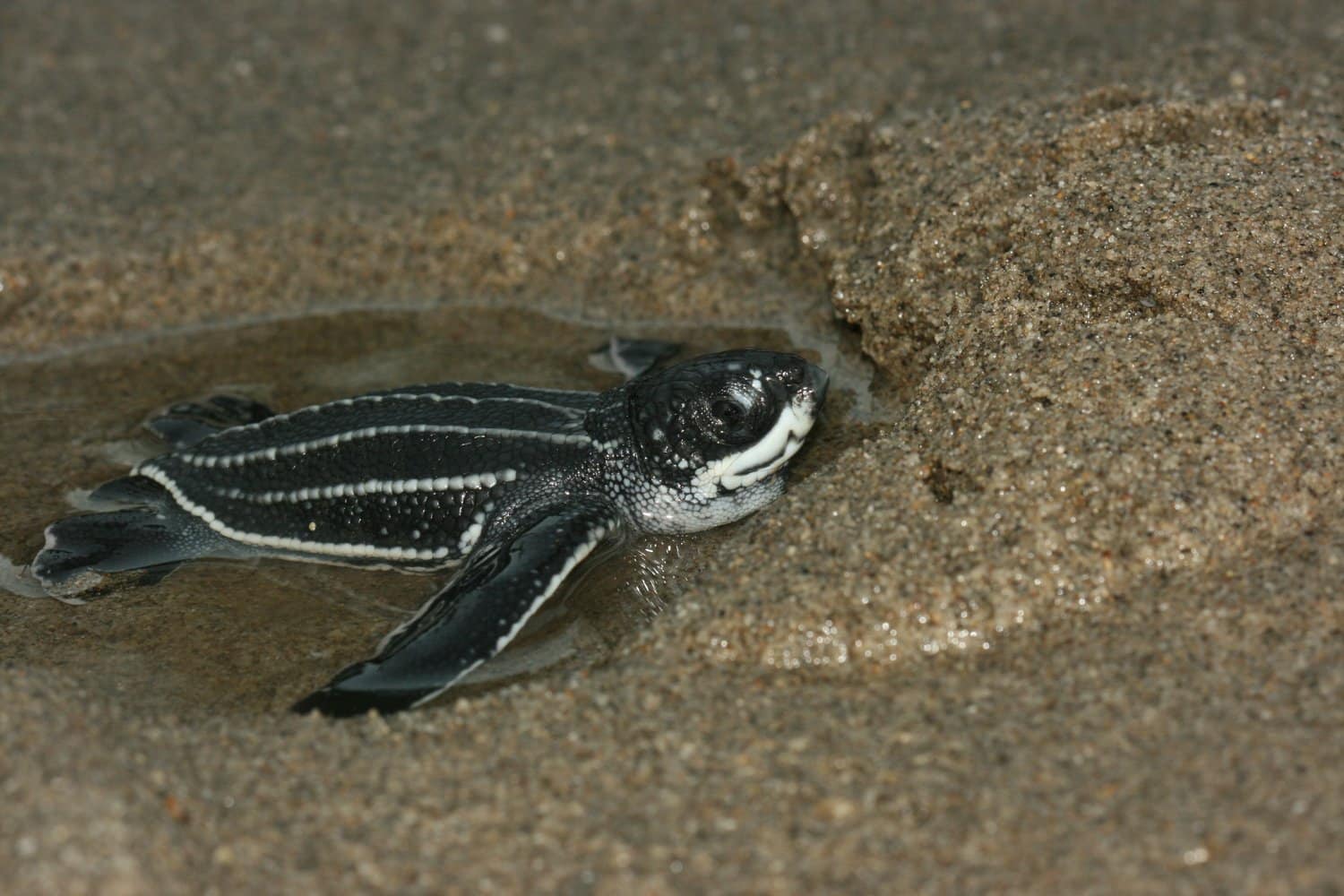
Gabon is home to the world’s largest nesting population of leatherback sea turtles. From November through March, patrols set out from the camp to survey the coastline, look for nesting signs, transport nests to the camp’s own hatchery, and, starting in January, escort the hatchlings to the sea. Even outside the nesting season, young sea turtles make their home in the shallow waters off the coast.
Birdwatching (included)

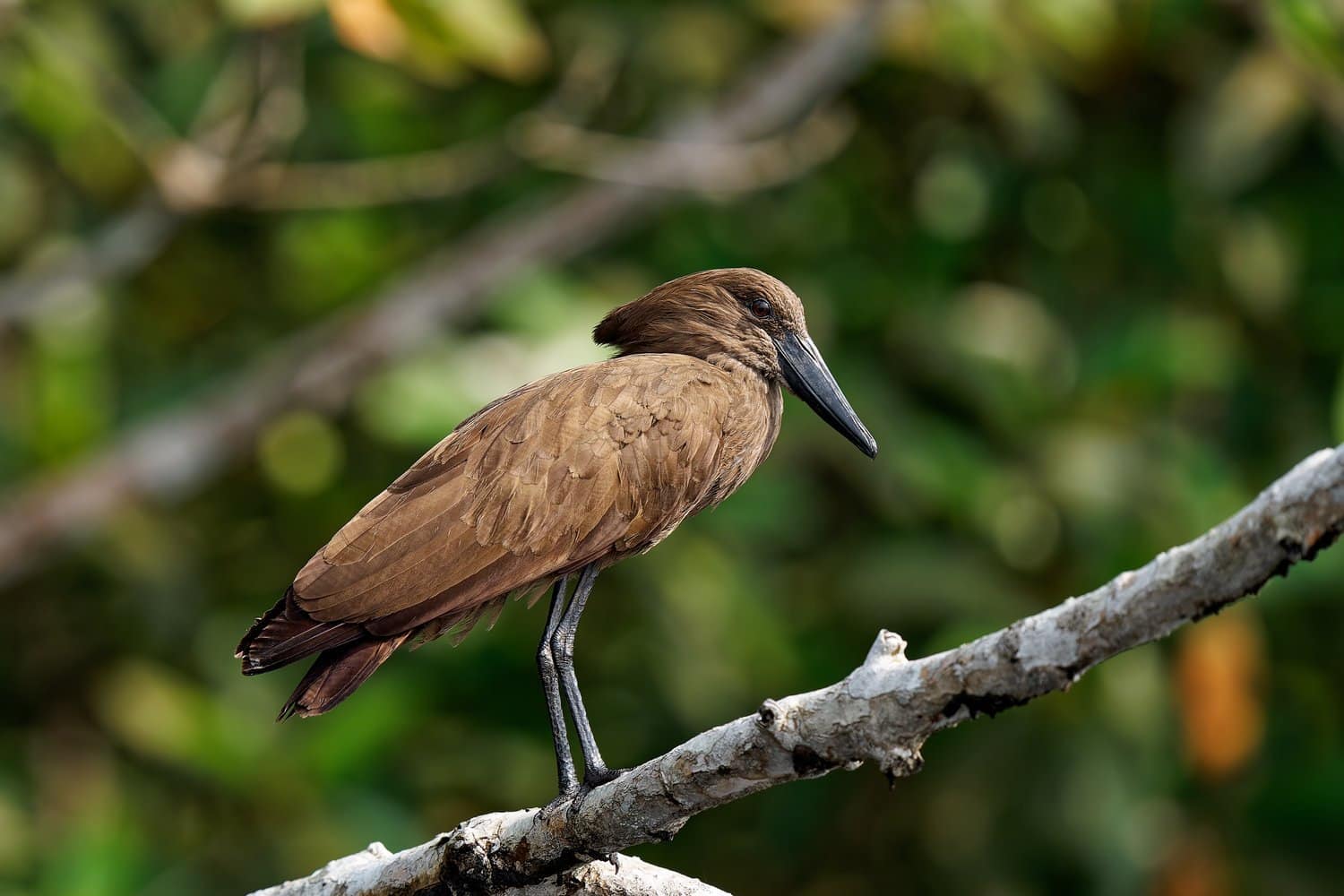
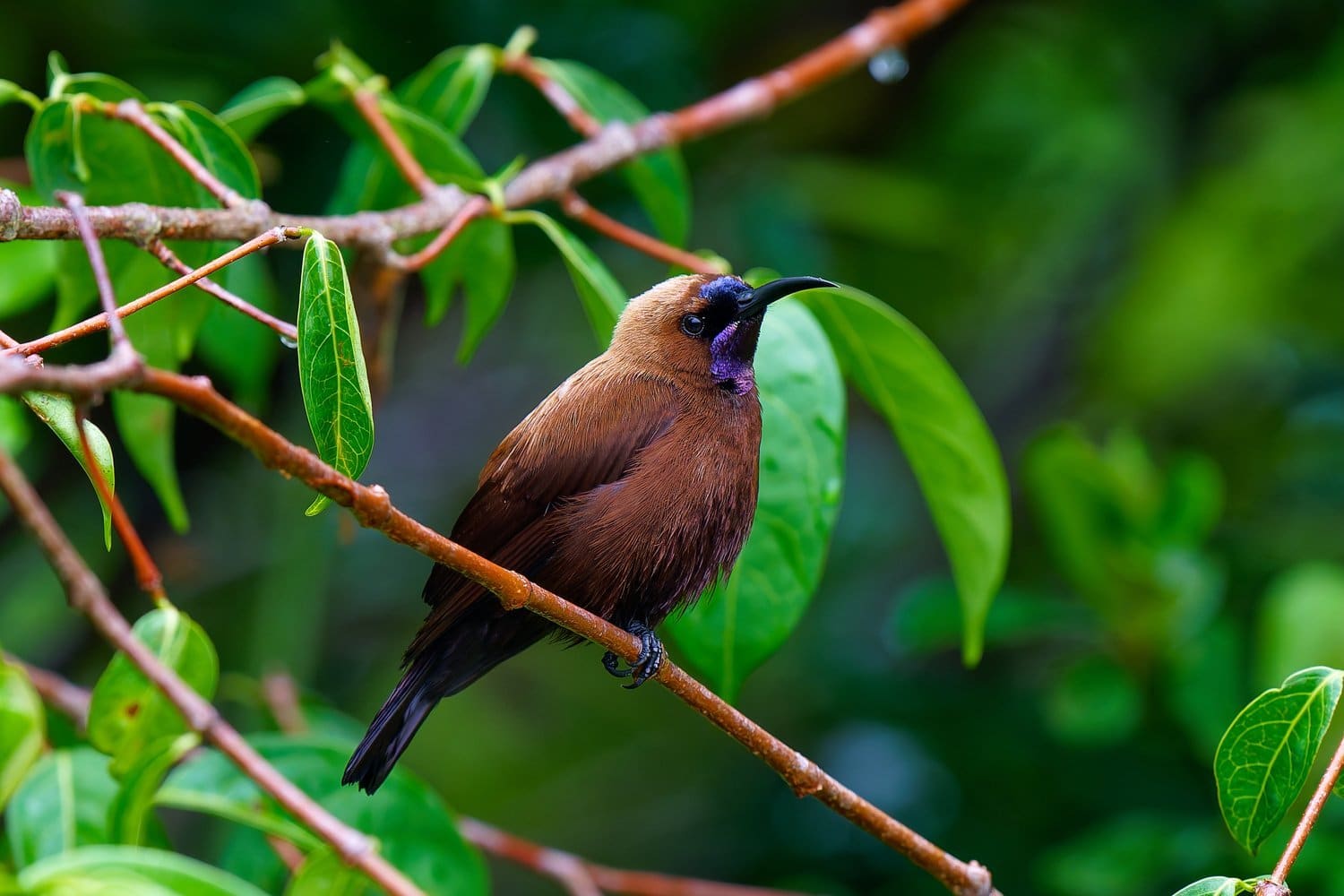
Over 395 bird species have been recorded in Loango National Park. Even during the boat transfer to the camp, you can spot palm vultures and several species of kingfishers; in the evenings, African grey parrots and hornbills fly in to the lagoon islands. Among the area’s highlights are the banded fish owl and the marbled fish owl, the white-crested heron, the Loango weaver, and the red-eyed swallow. Starting in September, when rose-breasted finches and red-eyed swallows arrive to breed and many species become more vocal, the most productive weeks of the year for birdwatching begin.
Ethnobotanical excursions (included)
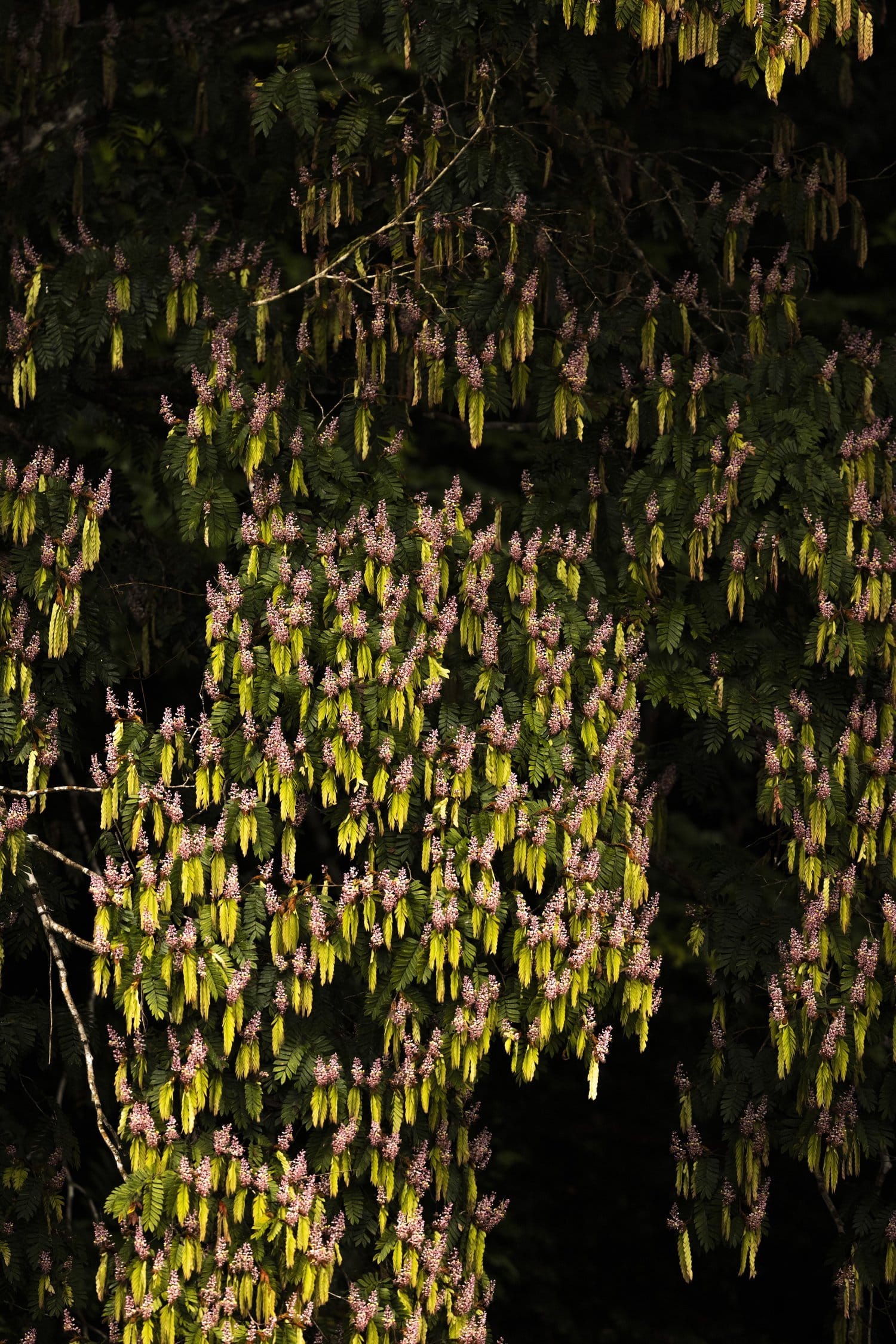

The Loango rainforest is also a pharmacy and a workshop. The botanical hikes focus on plants that great apes use to heal themselves, tree sap that can be used as a fire starter, trees that live in symbiosis with ants, and roots that play a role in Gabon’s Bwiti ceremonies. You’ll also learn how to navigate the dense forest, where neither the stars nor the sun can guide your way.
Sundowners and a campfire (included)

Every day ends in a different place: with your feet in the sand on the coast near the camp, by the fire at the estuary, on the water off the lagoon islands, or in the open grasslands south of Sette Cama. A drink, the last rays of sunlight—and all around you, the day on the coast and the lagoon quietly draws to a close.
Dates & Prices
Request your trip here!
We would be happy to round out your trip with the appropriate flights as well as a customized pre- or post-tour itinerary in Gabon or other African countries.
| Price per person, based on double occupancy | September 1, 2026 – April 1, 2027 |
|---|---|
| 9 days / 8 nights, including 1 night at the Park Inn by Radisson Libreville (Standard Room) with breakfast, 7 nights at Sette Cama Camp with full board and local beverages, transfers, charter flight from Libreville to Gamba and back, itinerary as described | 9.174 € |
appointment
personal data
By clicking on the "Request now" button, you agree to the Processing of your personal data to complete the reservation.
Summary
Information
Included services:
- Meet & Assist upon arrival and departure at Libreville Airport
- Transfers between the airport and the hotel in Libreville
- One night's stay at the Park Inn by Radisson Libreville (Standard Room) with breakfast
- Charter flight from Libreville to Gamba and back
- Road and boat transfer between Gamba and the camp, about an hour across the Ndogo Lagoon
- Seven nights at the Sette Cama tented camp in a Meru tent with a private bathroom and air conditioning
- Full board at the camp with set menus, featuring fresh, locally caught fish
- Local Beverages at the Camp (beer, wine, spirits, soft drinks, water)
- Guided daily itinerary with local guides: rainforest hikes with camera traps, coastal hikes, boat tours on the Ndogo Lagoon, kayaking, nighttime boat safaris, overnight camping at Point Milongo, ethnobotanical excursions, and birdwatching
- Sundowners and campfires as listed in the itinerary
Not included:
- International flights to and from Libreville (we can handle flight planning upon request)
- Visa for Gabon: The tour operator will arrange for the visa locally for an additional fee; you will pay the visa fee in cash upon arrival in Libreville
- International health insurance with emergency evacuation coverage and trip cancellation insurance
- Optional excursions in and around Libreville, available for an additional fee
- Tips and Personal Expenses
Important:
- We recommend arriving one to two days before the trip begins to allow for any flight or baggage delays.
- Travel health insurance with unlimited coverage is mandatory, and proof of coverage must be provided.
- The trip takes you to remote areas without access to advanced medical facilities. People with life-threatening conditions or who require daily medical care cannot participate.
- The guides speak English. There are no plans to provide a German-speaking guide.
- This trip is not suitable for people with limited mobility.
- A yellow fever vaccination is required for entry into Gabon; it must be administered at least two weeks before departure and will be verified upon arrival.
- The rainforest hikes cover eight to twelve kilometers over the course of several hours and require good physical condition, sure-footedness, and a willingness to wade through water.
- The camp is recommended for families with children aged 12 and older who are in good running shape.
- For charter flights, the baggage allowance is 20 kg of checked baggage plus 5 kg of carry-on baggage; please pack in soft-sided travel bags. Excess baggage can be stored at the hotel in Libreville.
- Please let us know about any food allergies or intolerances well in advance of your arrival.
Frequently Asked Questions
How do I get to Gabon?
The destination is Libreville Airport. The charter flight to the camp usually departs early Thursday morning, so please plan to arrive in Libreville by Wednesday; the first night at the hotel is already included in the trip. Recommended flight options include Ethiopian Airlines via Addis Ababa (Wednesdays), Air France from Paris (Wednesdays), and Turkish Airlines from Istanbul (arriving as early as Tuesday evening). For the return trip, you’ll land back in Libreville early Thursday afternoon; your departure can be scheduled for late Thursday evening—for example, with Air France around 9:30 p.m.—or on Friday. We’re happy to handle your flight arrangements upon request.
Do I need a visa for Gabon?
Yes. The tour operator will handle the visa application for you on site for an additional fee; please allow at least 30 days before departure. You will need a copy of your passport, a passport photo with a white background, and your flight details. Upon arrival in Libreville, go first to the visa counter, where a representative of the tour operator will be waiting for you; they will present the documents and have the visa affixed to your passport; You’ll pay the 70-euro fee in cash there. U.S. citizens travel with a pre-arranged e-visa (85 euros or 100 U.S. dollars at the counter). Important: Do not apply for the visa on your own through the public online portal, as applications there often go unanswered. Regulations may vary for other nationalities; please contact us.
Which vaccinations are required?
A yellow fever vaccination is required for entry into Gabon; it must be administered at least two weeks before departure, and proof of vaccination will be checked upon arrival. Carry your vaccination certificate in your carry-on luggage. You can find the latest travel and health advisories for Gabon from the Federal Foreign Office.
When is the best time to visit Sette Cama?
Every season on this coast has its own attractions. From January through April, hippos can most often be seen surfing on the beach, and forest elephants and red buffalo gather in large numbers along the coast. The dry season from June to September brings cooler mornings and easier hiking; starting in July, humpback whales pass by offshore, most frequently in August and September, and from mid-July onward, the sitatunga is seen particularly often. Toward the end of the dry season, the first trees in the swamps behind the coast bear fruit, increasing the chances of encountering gorillas and chimpanzees. September and October belong to the birds, when rose-breasted finches and red-eyed swallows arrive to breed. Starting in September, olive ridley sea turtles nest, followed by leatherback sea turtles from November through January; the hatchlings make their way to the sea in December and January. You can’t go wrong—just tell us what you’d like to see.
How fit do I need to be for this trip?
Sette Cama is not a place for spectators: exploration takes place on foot and by kayak; the rainforest hikes cover eight to twelve kilometers and take three to five hours, sometimes through streams, and include early starts and a night spent outdoors. You don’t need to be a top athlete, but you do need a solid level of fitness, sure-footedness, and a willingness to embrace the challenges of the wilderness.
Will I see gorillas?
Western lowland gorillas and chimpanzees are common in the area, but they are unaccustomed to humans: The animals are not used to people, and there is no guarantee of a sighting. There’s a chance of an encounter during any activity, but above all, you’ll learn to read their tracks and contribute to the research project that scientifically monitors the great apes of Sette Cama through camera traps. If you’re looking for the most reliable gorilla sightings, you’re better off going on a trek to habituated groups; if you’re seeking true wilderness, this is the place for you.
Is this trip suitable for children?
The camp is ideal for active families with children aged 12 and older who are in good shape for hiking. The days are long, the trails are challenging, and that’s exactly what makes this trip a wilderness education for older children and teens.
What should I pack in my suitcase?
Lightweight clothing in muted colors, a lightweight rain jacket with waterproof overpants, warm layers for mornings and evenings, and shoes suitable for long hikes and wading through water; sandals with a secure fit have also proven useful. Binoculars and camera equipment are essential. Pack in soft travel bags; the charter flight has a baggage limit of 20 kg plus 5 kg of carry-on; any excess baggage will be stored safely at the hotel in Libreville.
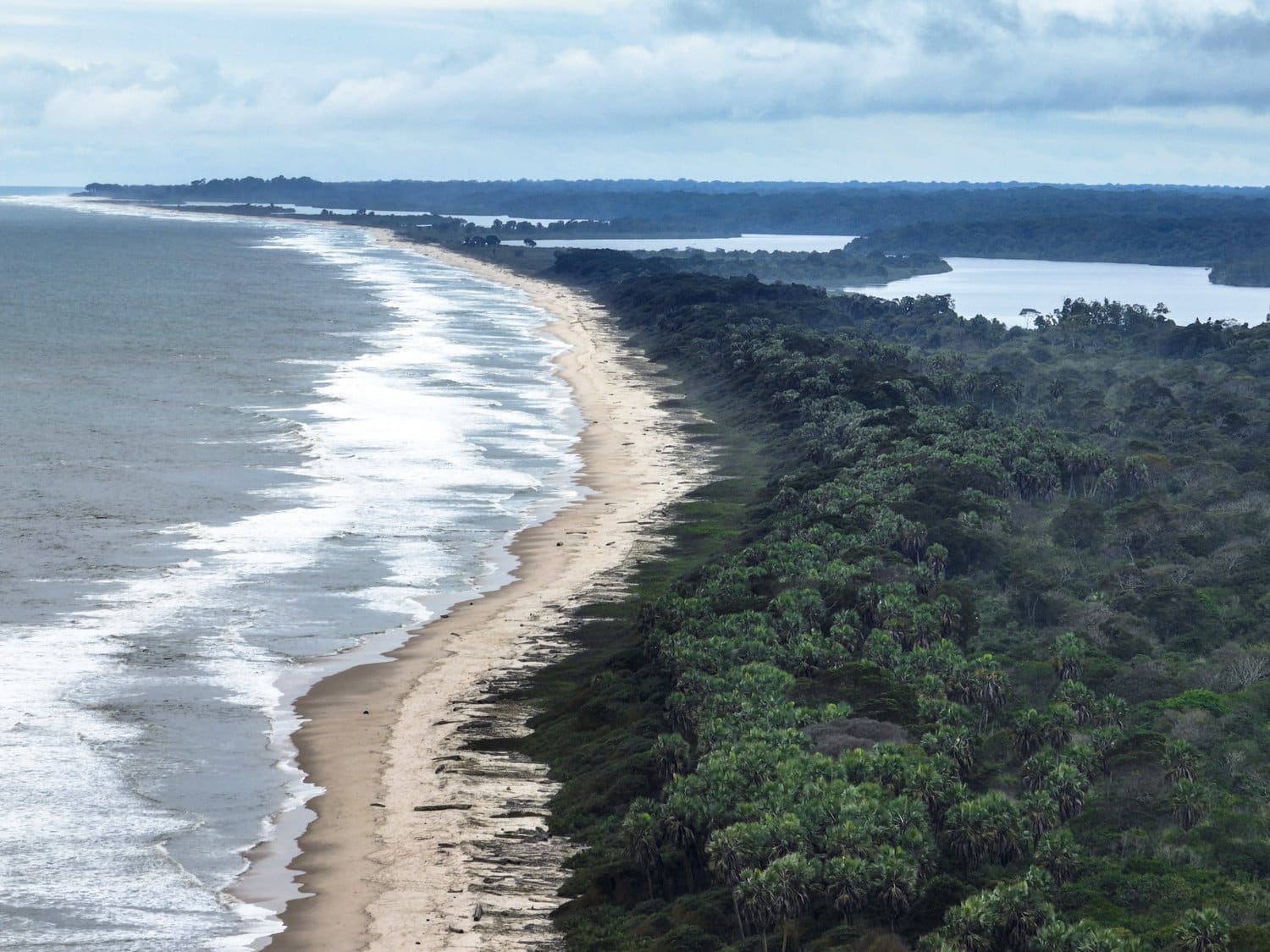
The Atlantic Ocean, the beach, a palm grove, and a lagoon—all in one view
The Atlantic Ocean, the beach, a palm grove, and a lagoon—all in one view

The tea-colored estuary winds its way to the sea
The tea-colored estuary winds its way to the sea | © Sean Bellon

A mist of sea spray settles over the wild palm-lined beach
A mist of sea spray settles over the wild palm-lined beach
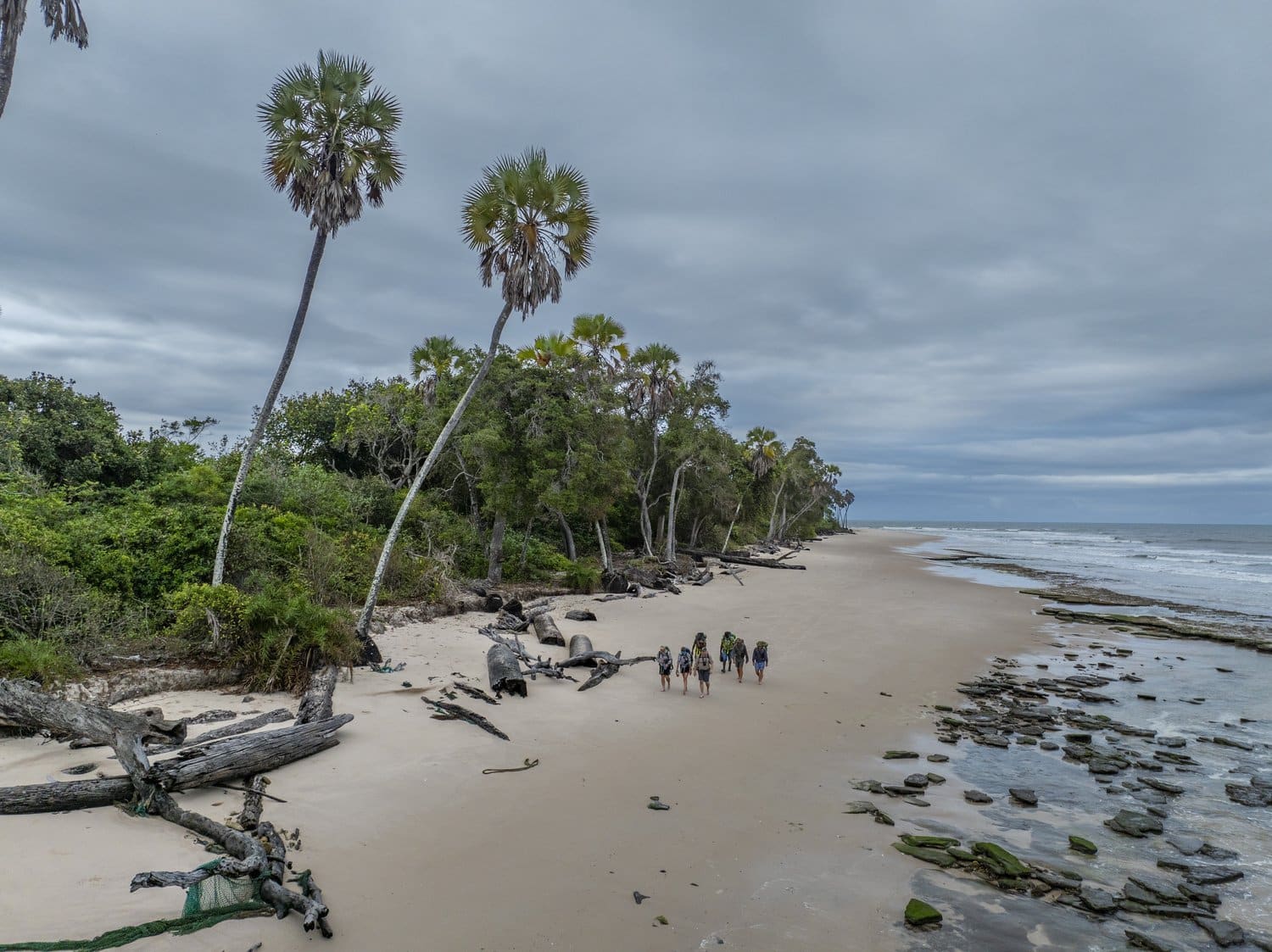
Tiny on the Big Beach: Out and About on the Coastal Hike
Tiny on the Big Beach: Out and About on the Coastal Hike

Evening light in the clearing with the umbrella-shaped tree canopies
Evening light in the clearing with the umbrella-shaped tree canopies
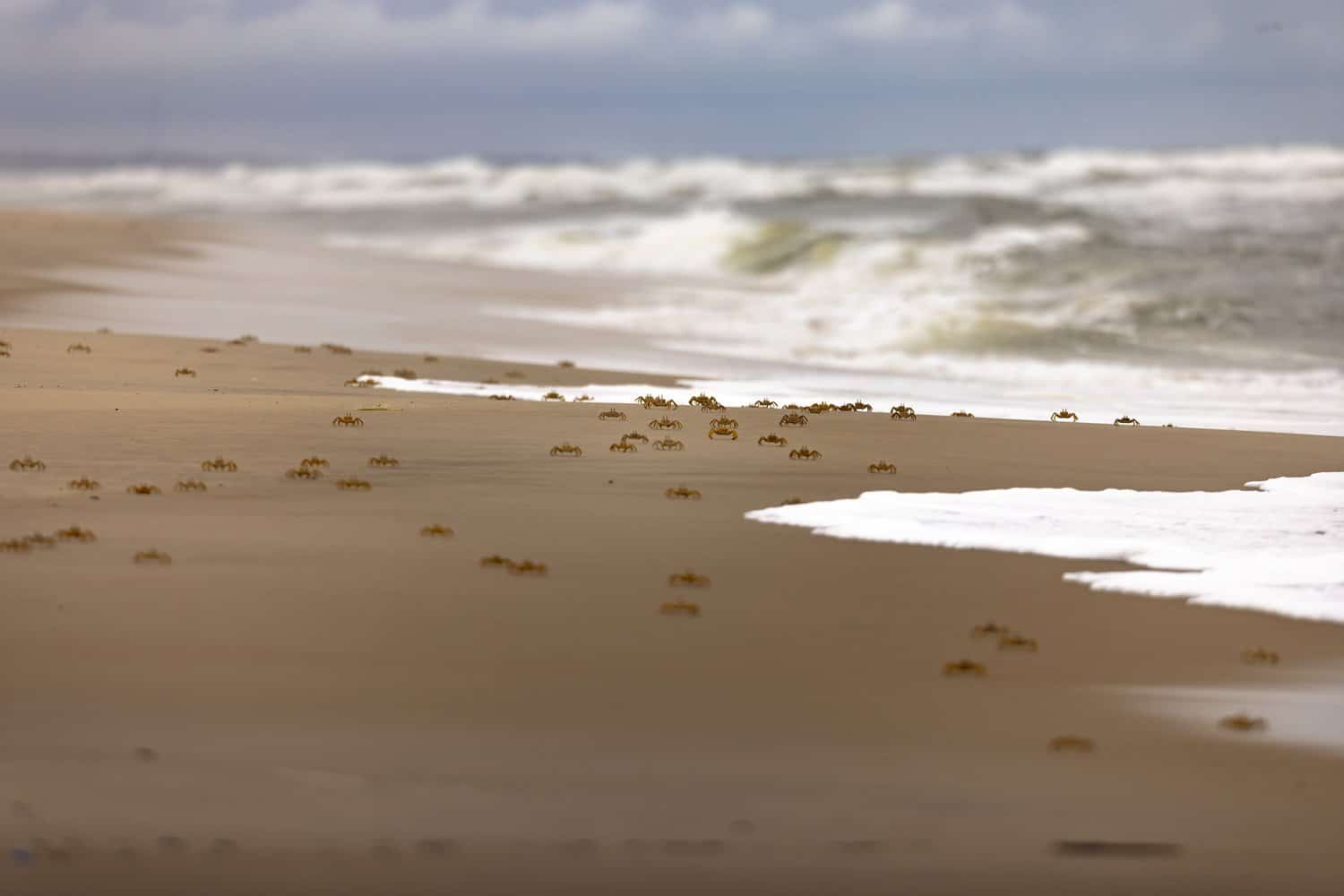
The ghost crabs are taking over the shoreline
The ghost crabs are taking over the shoreline

A male forest elephant with massive tusks, seen in profile
A male forest elephant with massive tusks, seen in profile

A red buffalo trots through the sand being whipped up by the waves
A red buffalo trots through the sand being whipped up by the waves
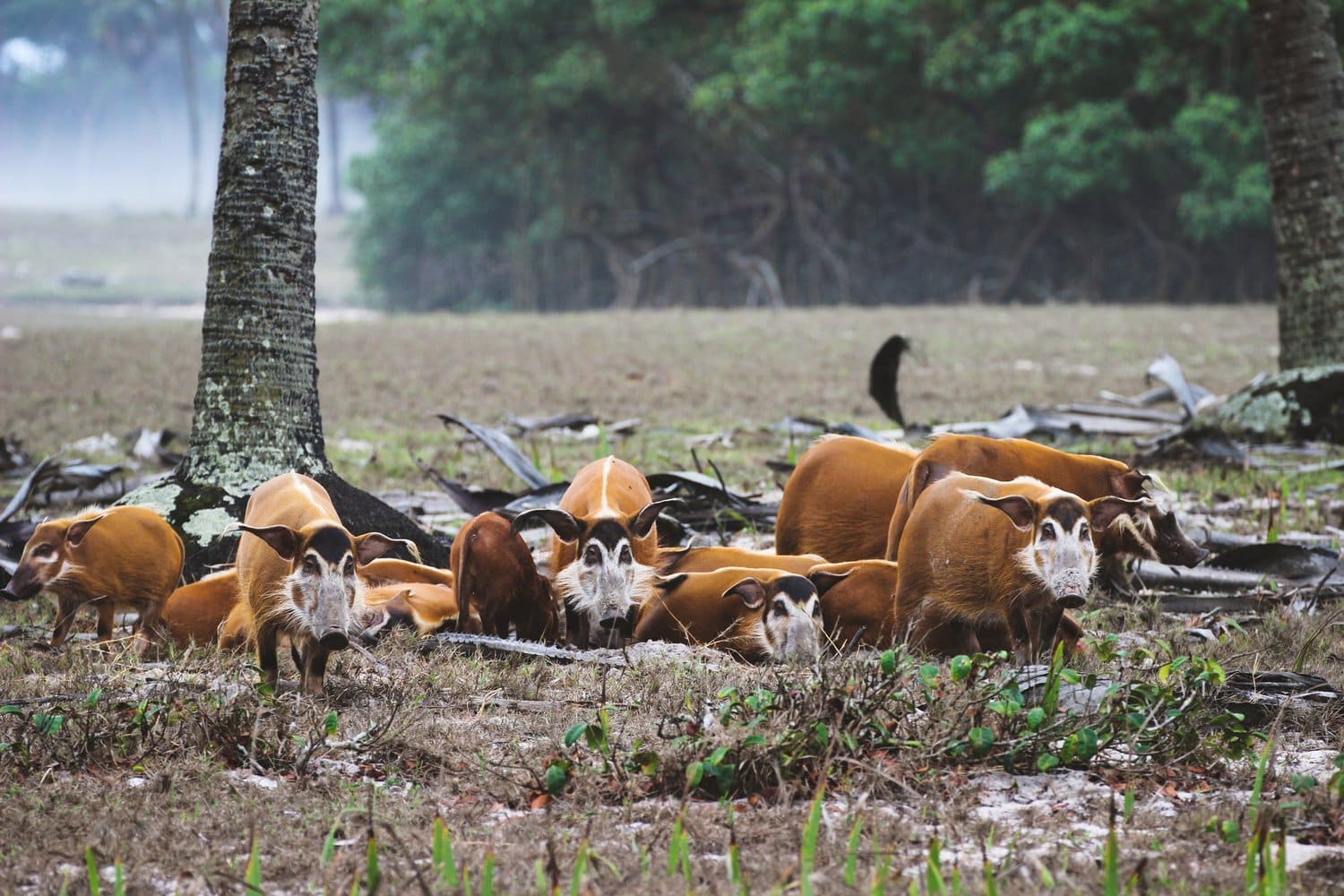
A herd of brush-eared pigs in the first light of morning
A herd of brush-eared pigs in the first light of morning
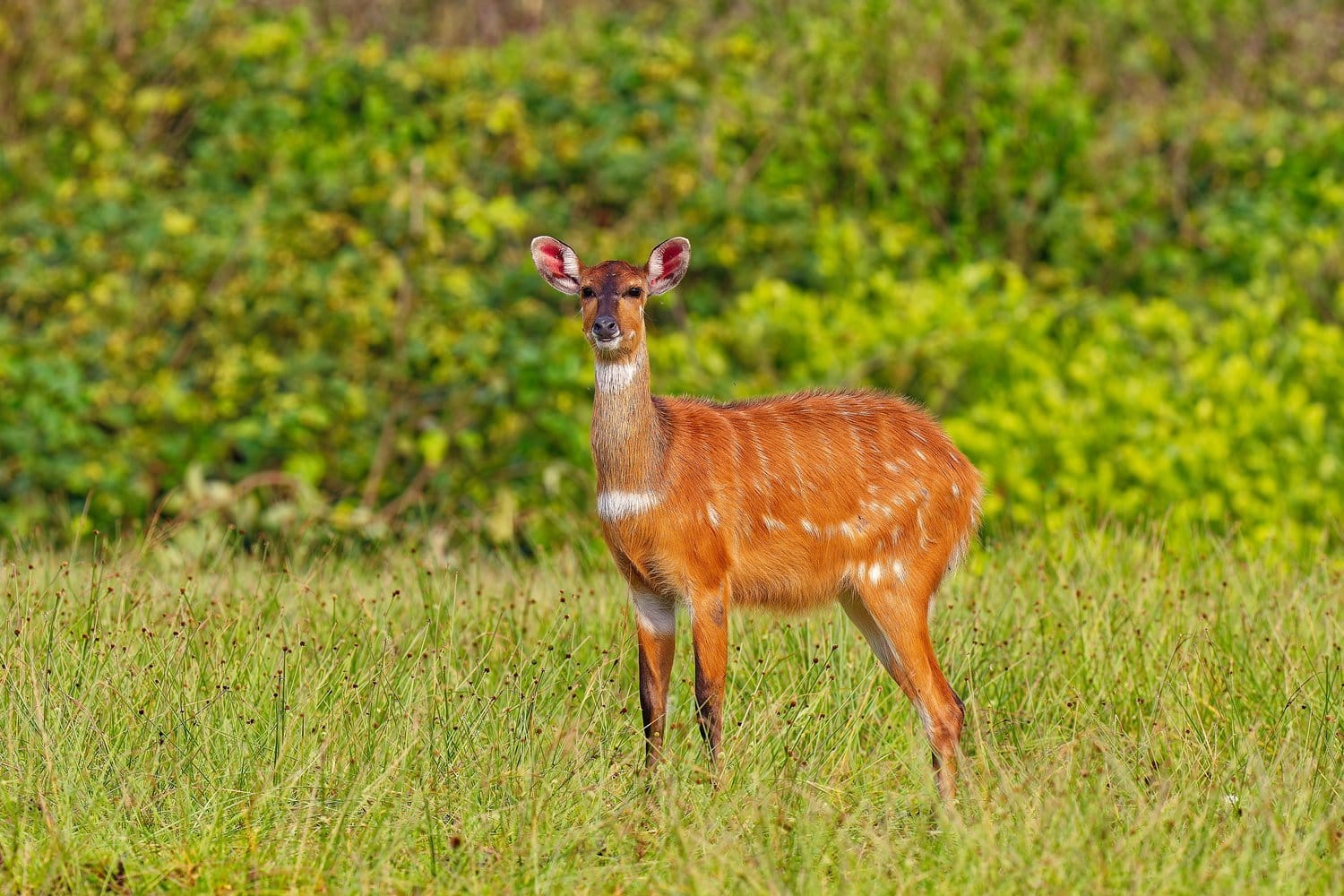
A sitatunga ventures into the open clearing
A sitatunga ventures into the open clearing
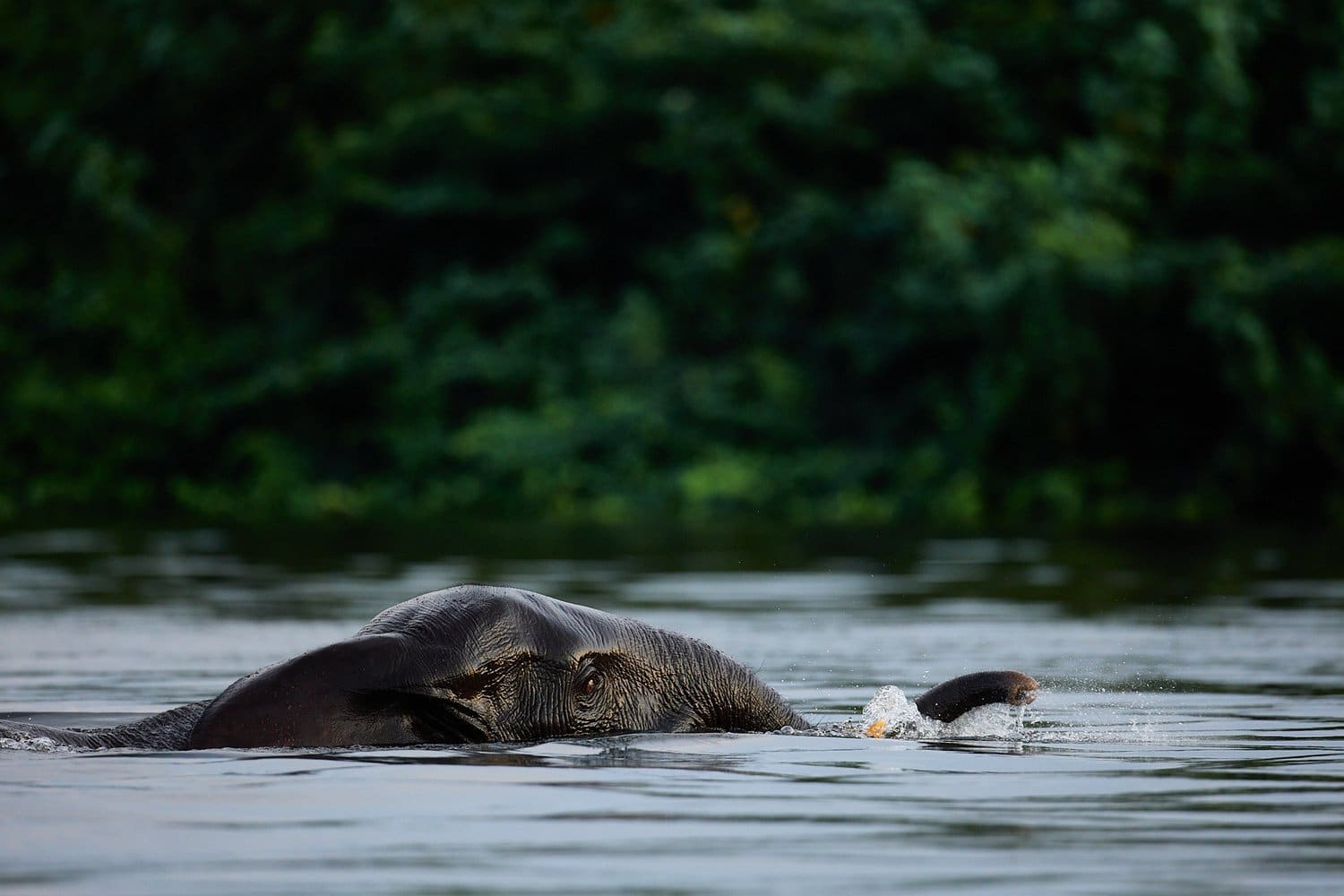
A forest elephant swims across the quiet lagoon
A forest elephant swims across the quiet lagoon

A Show of Strength Among the Mangroves
A Show of Strength Among the Mangroves
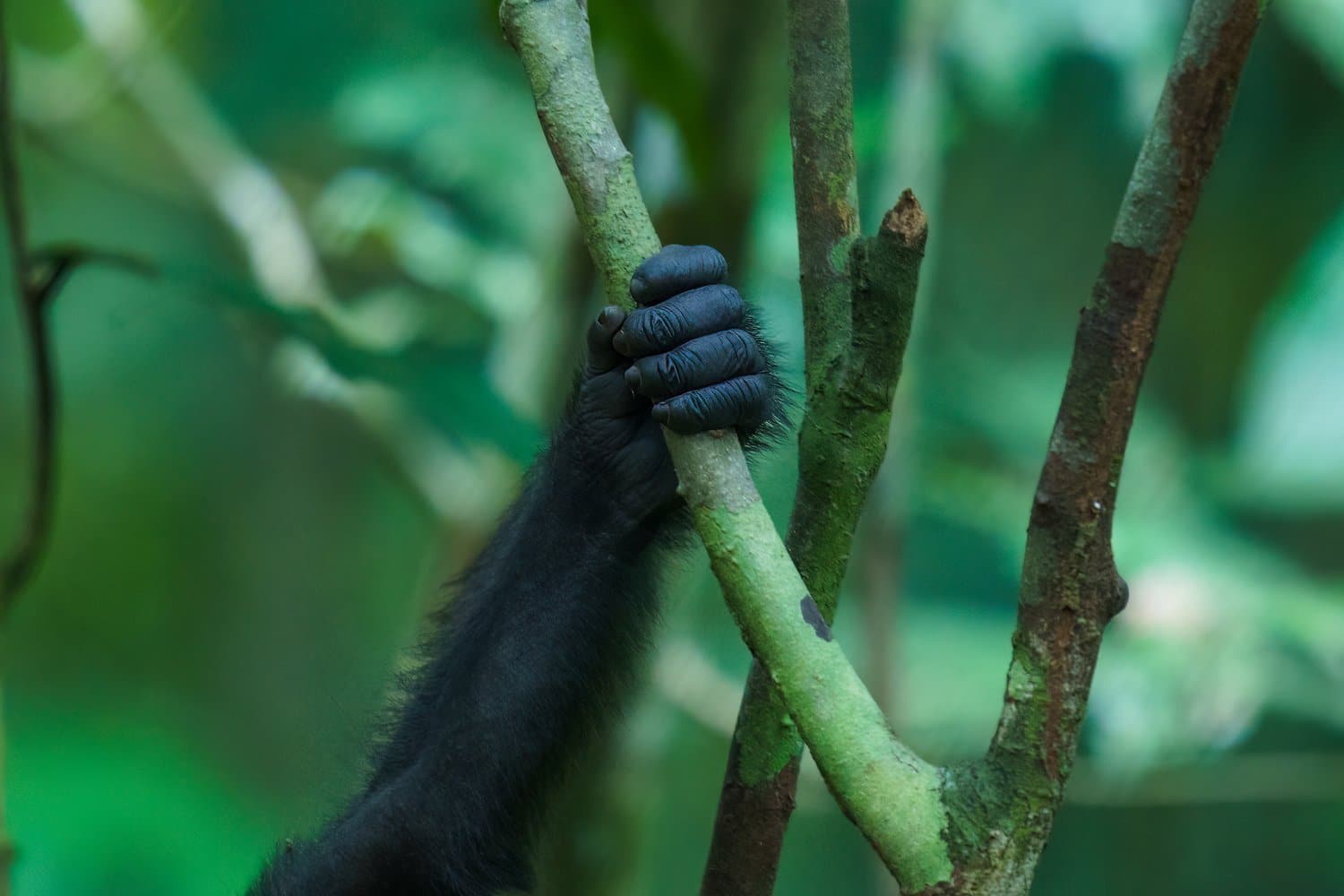
The hand of a great ape, in whose presence one is merely a guest
The hand of a great ape, in whose presence one is merely a guest

A swarm of rose chafer beetles in front of the dark edge of the forest
A swarm of rose chafer beetles in front of the dark edge of the forest
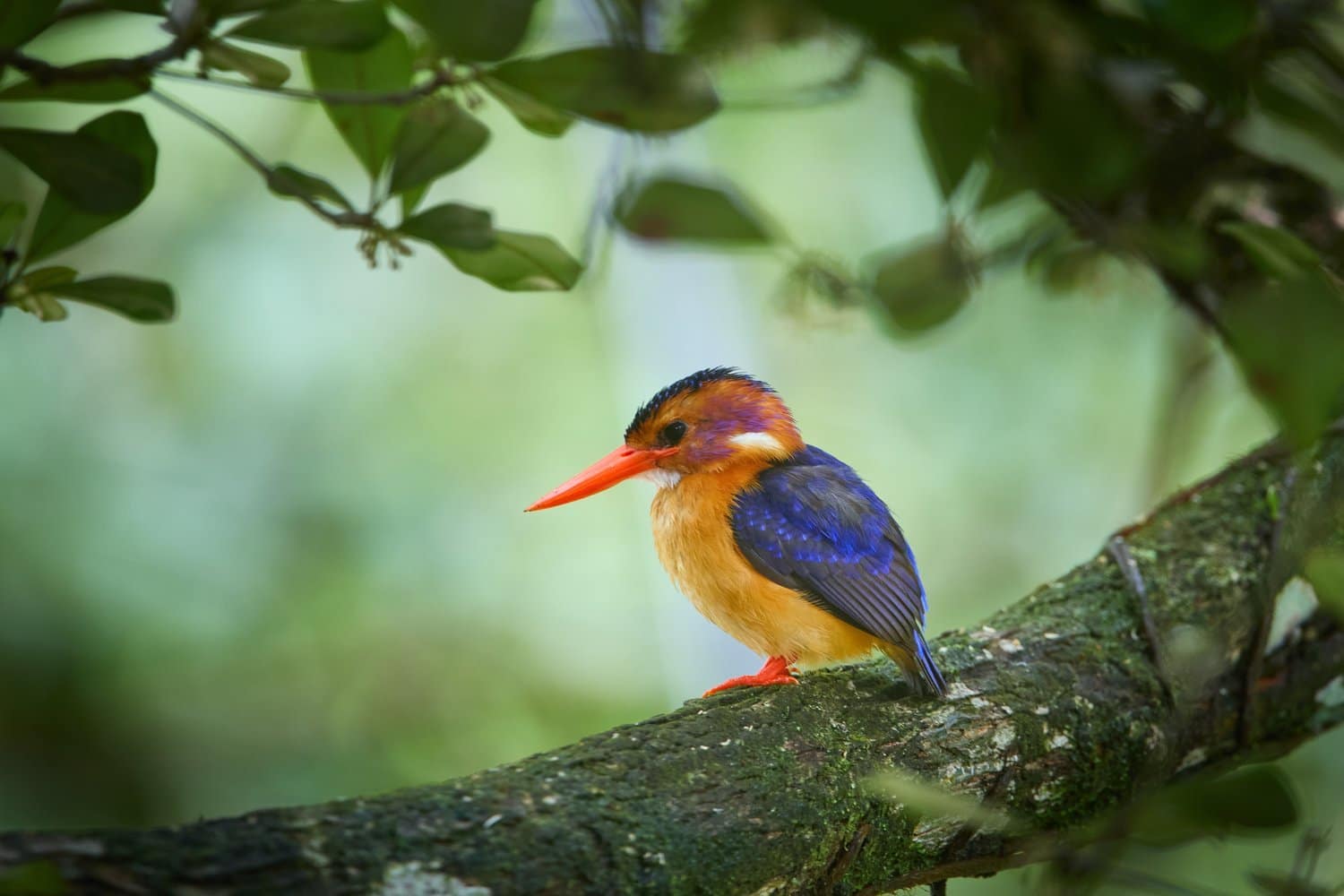
A dwarf fish in a vibrant array of colors
A dwarf fish in a vibrant array of colors

The Crocodile's Eye, Up Close
The Crocodile's Eye, Up Close
Further travels in Africa

Rainforest Trail to Gabon's Gorillas
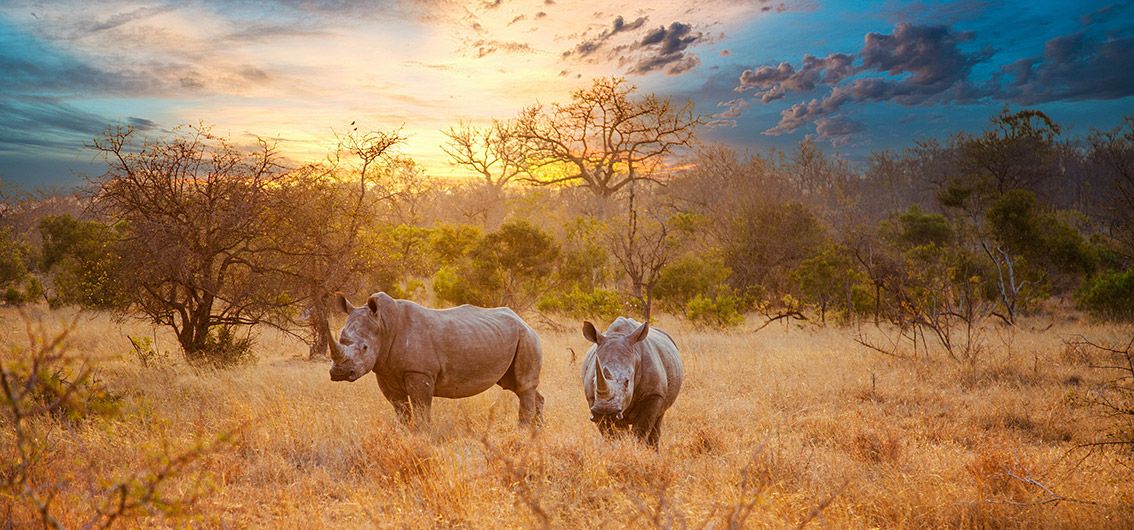
From Victoria Falls to the Indian Ocean (2026)

Boutique hotel dream in white pavilions on Zanzibar | All inclusive
11.159 €
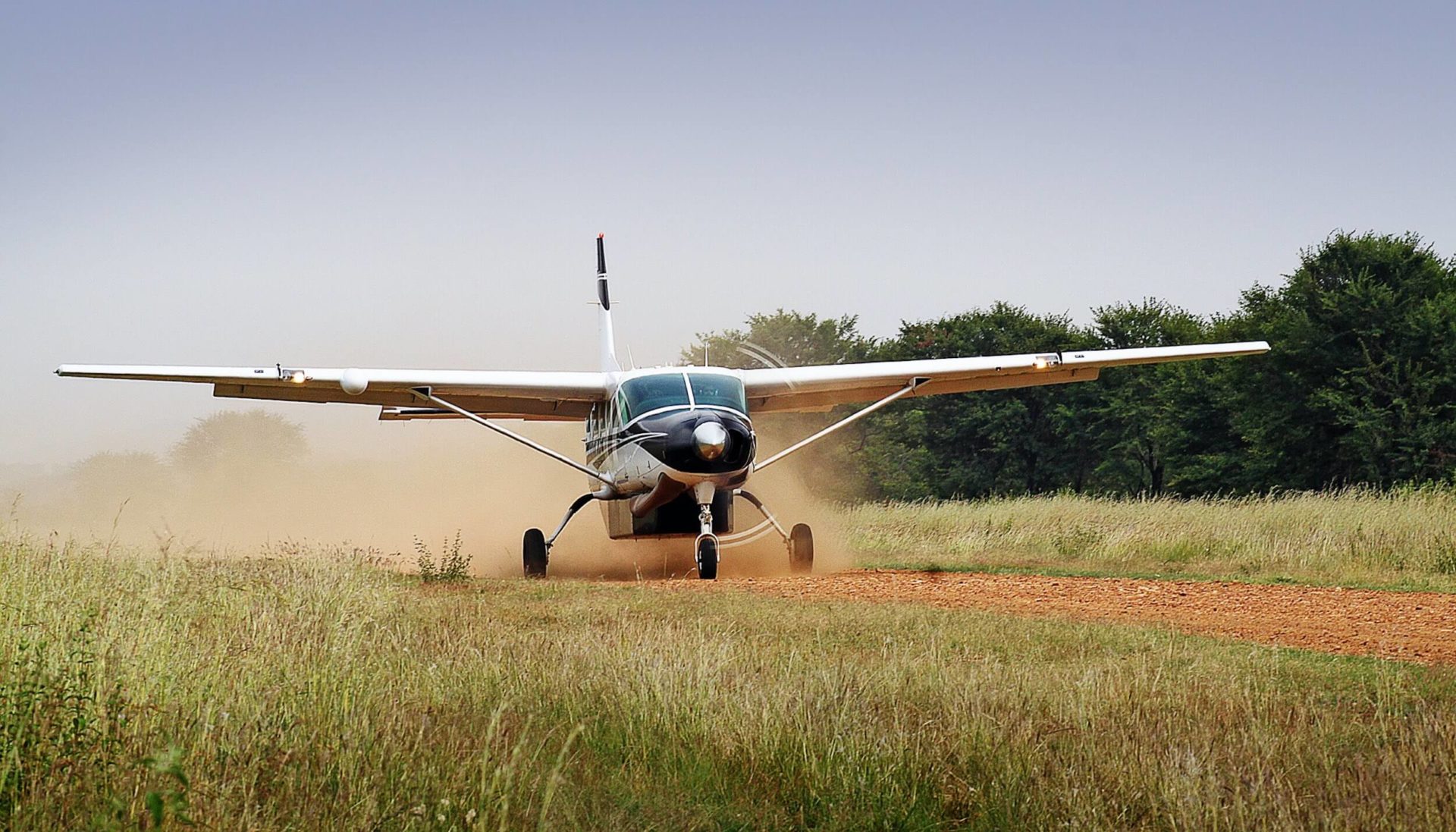
SkySafari Through Classic Tanzania
10.120 €
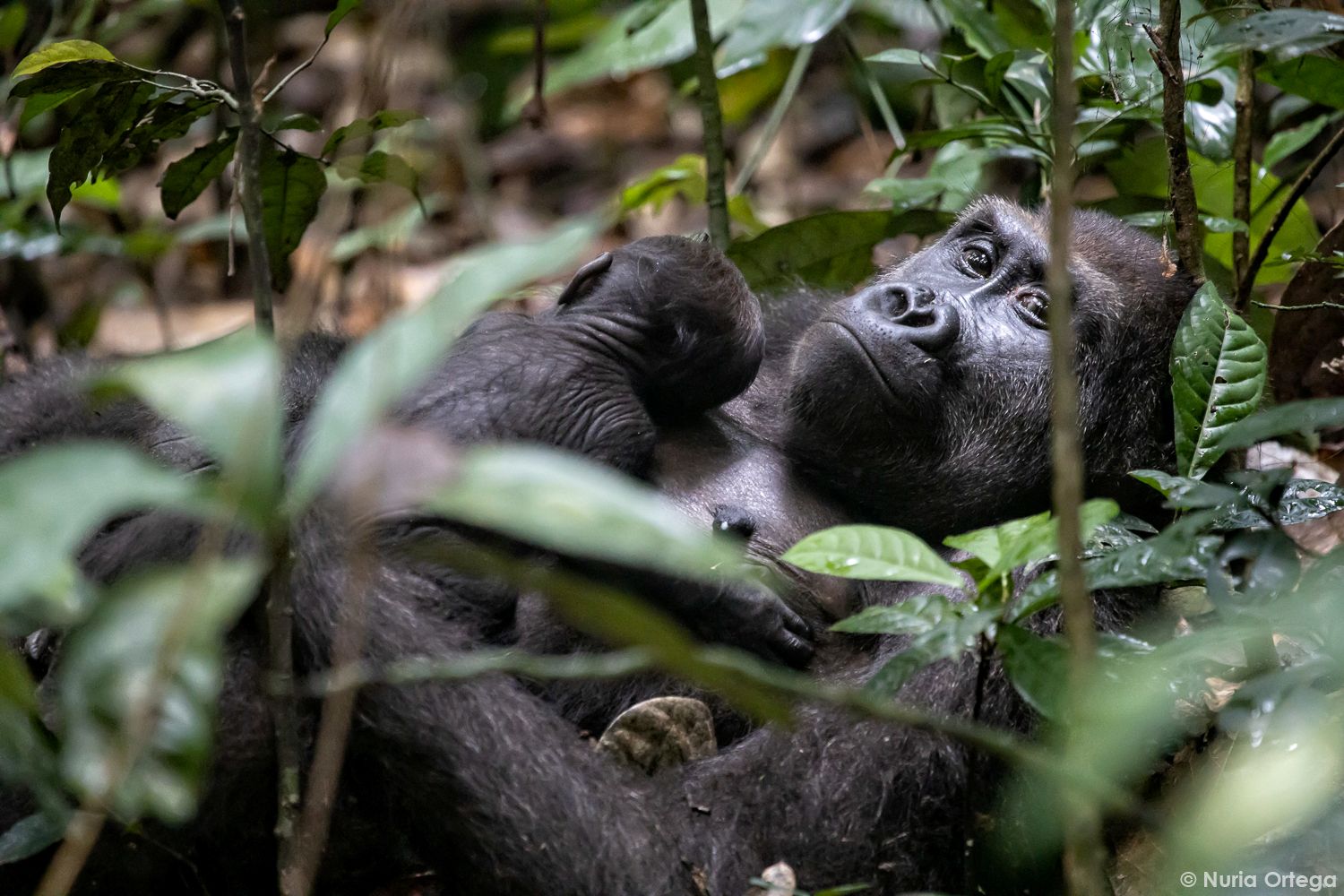
Impressive Congo Basin with river safari & gorilla tracking
6.587 €

Walking safari in Zambia
5.640 €
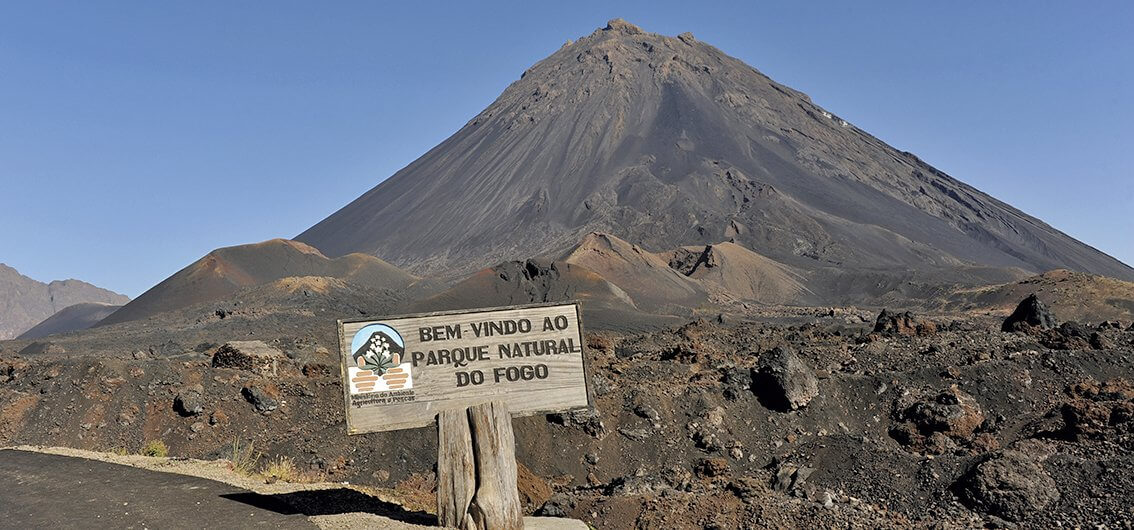
A Forgotten Island Paradise in the Atlantic (2027/2028)
7.970 €

Unique Safari Experiences in Southern Africa (2026/2027/2028)
9.420 €

From Victoria Falls to the Indian Ocean (2027)
9.420 €

From the Indian Ocean to Victoria Falls (2027)
5.207 €

Under the spell of the mighty Congo
10.120 €
