Expeditions through island worlds, rainforests, and living traditions
Papua New Guinea is one of the last destinations in the world that has remained untouched by mass tourism to this day. Dense rainforests, steaming volcanoes, and an archipelago that hardly any traveler knows. Over 800 languages, vibrant tribal cultures, and ceremonies that still play an important role in many places today. A vacation in Papua New Guinea means: expeditions on the Sepik River, landings in the Tufi Fjords, and encounters with village communities far off the beaten path. Papua New Guinea is a destination for explorers seeking cultural encounters and extraordinary experiences in nature.
Our Trips to Papua New Guinea
9.990 €

Exclusive expedition charter of the Coral Discoverer (2026/2027)
12.794 €
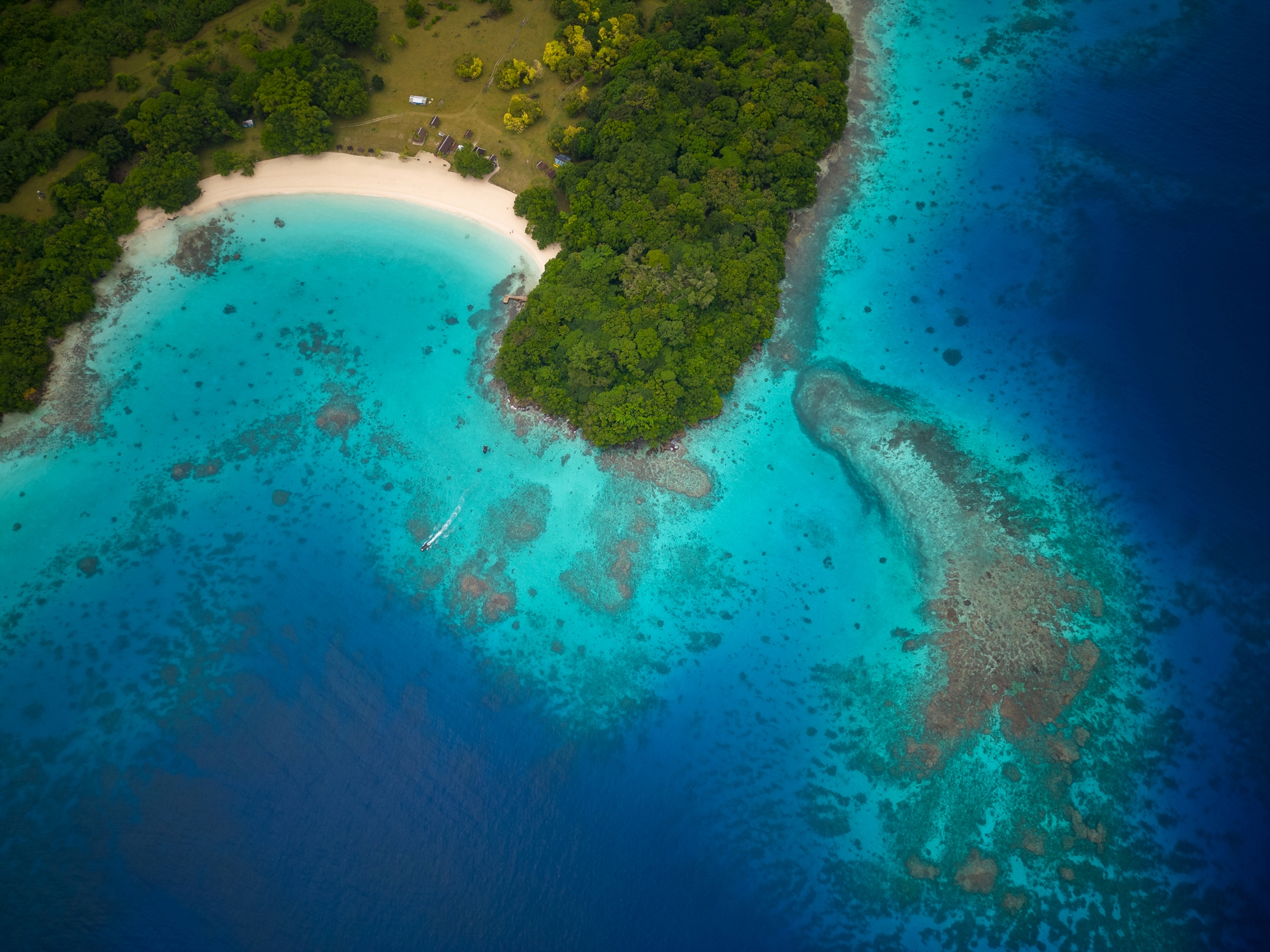
Journey of discovery to the heart of Melanesia
12.219 €

Jungle & Sea – Indonesia's Unknown Tropical Islands
What to Expect When Traveling to Papua New Guinea:
- Expeditions on small ships and shore excursions in remote regions
- Firsthand experiences of living cultures, ceremonies, and traditions—from sing-sings to the Kula Ring to Asmat woodcarving
- Coral reefs, rainforests, and extraordinary wildlife—from birds of paradise to manta rays
- Itineraries off the beaten path: the Bismarck Archipelago, the Tufi Fjords, the Trobriand Islands, and the Sepik Delta
- Personal tour guides and specialized expedition teams with many years of experience in the region
- Selected tours also take you to West Papua—featuring Asmat culture and Raja Ampat
An Extraordinary Archipelago
Papua New Guinea is ideal for travelers who want not only to discover new places but also to immerse themselves in different ways of life. Those who travel here won’t find tourist attractions in the traditional sense, but rather cultural encounters that leave a lasting impression—and regions that surprise even seasoned world travelers.
This island nation in the southwestern Pacific comprises the eastern part of the island of New Guinea as well as hundreds of offshore islands—from the Bismarck Archipelago to the Trobriand Islands, from the volcanic coasts of New Britain to remote Pacific atolls.
Papua New Guinea is considered one of the most linguistically and culturally diverse countries in the world: over 800 languages, unique customs, and social practices—all within an area where such density is virtually unmatched anywhere else in the world.
Cultural Diversity Between the Highlands and the Coast
On the islands, along the coasts, and in the riverine landscapes of Papua New Guinea, you’ll encounter communities that have preserved their customs and knowledge to this day. inventia views encounters with local communities not as a showcase of traditions, but as an opportunity to gain insights into ways of life that have evolved over generations. Many regions can only be explored with local partners, whose knowledge, experience, and personal connections are an essential part of the travel experience.
Sing-Sings – Celebrations of Diversity
Among Papua New Guinea's best-known traditions are the Sing-Sing festivals of the highlands. Members of various ethnic groups gather here to perform dances and songs, display elaborate body paintings, and observe customs that have often been passed down through generations.
The Kula Ring and the Trobriand Islands
The Trobriand Islands are closely linked to the Kula Ring—a traditional network of ceremonial exchange that connects various island communities in Melanesia. The focus is not on economic interests, but rather on social relationships, mutual obligations, and prestige within the network. The Kula Ring continues to shape social life on the Trobriand Islands and neighboring island groups to this day. Encounters with island communities, local arts and crafts, and ceremonies offer insights into the significance of this extraordinary exchange network.
Encounters Along the Coastal Regions
In the Tufi Fjords, villagers welcome visitors with insights into tattoo art, mat weaving, and sago preparation. On the D’Entrecasteaux Islands, geothermal landscapes blend with traditional pottery and insights into the local food culture—and along the north coast, you’ll encounter traces of the German colonial era that are still visible today.
Excursions to Islands, Fjords, and River Landscapes
Many regions of Papua New Guinea are only partially accessible by road. Topography and infrastructure make waterways the most important means of transportation in many parts of the country. Expeditions on small boats provide access to remote coastal regions, archipelagos, and riverine landscapes that are difficult to reach by other means.
The Sepik River is one of Oceania’s major rivers. The villages along its banks are home to a carving tradition whose masks and ceremonial figures are exhibited in museums around the world—and which continues here as a vibrant craft tradition. Trips into the Sepik Delta by dinghy, visits to riverside villages, and markets featuring traditional woodwork: the Sepik River is one of Papua New Guinea’s most famous cultural and natural regions.
The Tufi Fjords on the northeast coast form a network of deeply incised, volcanic fjord landscapes with dense rainforests and species-rich coral reefs just off the coast. Snorkeling in clear reef waters, cruises through narrow fjord inlets, and views of towering basalt cliffs make Tufi one of Papua New Guinea’s most scenically impressive regions. The extraordinary combination of fjord landscapes, rainforest, and underwater life makes the region one of the country’s most famous expedition destinations.
The Bismarck Archipelago, north of the main island, is the centerpiece of longer expedition routes. Karkar Island with its active volcanoes, Umboi Island with its missionary history, the volcanic landscape around Rabaul, and remote island communities in the Bismarck Sea—these are regions that are largely untapped in the German-speaking travel market and can only be reached by sea. For travelers who want to experience Papua New Guinea beyond the well-trodden paths, the Bismarck Archipelago is the key draw.
Rainforests, birds of paradise, and coral reefs
Papua New Guinea is one of the most biodiverse bird regions on Earth and is particularly known for its birds of paradise—animals whose courtship displays are among the most spectacular natural phenomena in Oceania. The rainforests of Papua New Guinea are part of the New Guinea tropical forest region, a globally significant biodiversity hotspot.
The waters off the coast are just as impressive: manta rays, dugongs, sea turtles, and a diverse array of reef fish that attract snorkelers from all over the world. Compared to many other diving regions in the Indo-Pacific, Papua New Guinea’s waters are significantly less visited—the combination of marine biodiversity, volcanic landscapes, and rainforest makes the country one of the world’s most biologically diverse travel destinations.
Is traveling to Papua New Guinea dangerous?
Papua New Guinea has a reputation as a challenging destination—and that reputation is not entirely unfounded. The German Foreign Office issues safety advisories for certain regions, particularly parts of Port Moresby and some highland areas. For independent travelers without local knowledge, traveling here can be challenging.
Our guided expeditions are conducted in collaboration with experienced local partners and tour guides. Well-established local contacts and many years of regional expertise help significantly reduce many of the challenges associated with traveling to Papua New Guinea. However, you should still review the latest travel and safety advisories from the German Foreign Office before every trip.
West Papua and the regions of the island of New Guinea
The island of New Guinea is politically divided into two parts: the eastern part forms the independent state of Papua New Guinea, while the western part belongs to Indonesia. There are cultural and ecological ties between the two sides—yet the regions and ethnic groups differ significantly from one another.
The Asmat region in West Papua is accessible only by boat via rivers winding through the jungle. The Asmat people are internationally renowned for their woodcarvings, bisj poles, and ceremonial traditions. Raja Ampat is considered one of the most biodiverse marine areas on Earth—with an underwater world that surprises even experienced snorkelers. Select inventia expeditions combine Papua New Guinea with these neighboring regions, offering a glimpse of the island of New Guinea in all its cultural and scenic diversity.
Frequently Asked Questions About Our Trips to Papua New Guinea
What makes Papua New Guinea a special travel destination?
The combination of cultural diversity, unspoiled nature, and remoteness is virtually unmatched anywhere else in the world. With over 800 languages, vibrant ceremonies, coral reefs teeming with extraordinary biodiversity, and landscapes untouched by mass tourism, Papua New Guinea is one of the world’s last true destinations for explorers.
When is the best time to visit Papua New Guinea?
For many coastal and island regions, the months of May through October are considered the best time to travel. However, weather and precipitation patterns vary by region. The Sing-Sing festivals in the highlands also take place during this period.
Is Papua New Guinea a safe place to travel?
Yes, with inventia, you can travel safely in Papua New Guinea. The security situation can vary by region, which is why on-the-ground experience, established local partners, and professional tour guides are particularly important. inventia works with experienced tour guides and local teams who know the regions they visit inside and out and accompany the expeditions. However, you should check the latest travel advisories from the U.S. Department of State before departure, as they provide information on regional differences and the current security situation.
How can we foster respectful interactions with local communities?
To this day, many regions of Papua New Guinea are shaped by communities whose traditions and ways of life have been passed down through generations. inventia focuses on small-group travel, experienced local partners, and encounters based on mutual respect. The goal is not to observe culture from a distance, but to gain a mindful insight into ways of life that visitors rarely get to experience.
What animals can you see in Papua New Guinea?
Depending on your itinerary and the time of year, you can see, among other things:
- Birds of paradise, for which Papua New Guinea is known worldwide
- Manta rays—and, with a little luck, whale sharks—in coastal waters
- Dugongs (manatees) in protected marine areas
- colorful reef fish and other coral reef inhabitants
- numerous tropical bird species in the rainforests
- Sea turtles in selected coastal regions
The animal species you’ll actually see depend on the time of year, the region, and the prevailing natural conditions.
How long is the flight from Germany to Papua New Guinea?
Traveling from Germany to Papua New Guinea typically involves several flight segments and usually takes well over a day. Depending on the itinerary, the journey involves connecting through international hubs in Asia or Australia, such as Denpasar in Bali or Cairns in Australia.
Do you have any questions about our trips to Papua New Guinea?
just call