Where Amundsen's Maud sank and the Inuit's knowledge led the way to Franklin's ships

Sylvia Earle

Max. 130 passengers

15 days
between Calgary and Reykjavík
15-day expedition cruise between Calgary and Reykjavík through the Canadian Arctic and West Greenland | max. 130 passengers | Travel to and from the ship via charter flight
+++ Up to 25% early-bird discount on select trips in 2028 for new bookings made by December 31, 2026 +++
On this late-season expedition cruise, the history of the Inuit The Common Thread: From the Inuinnait Copper Smiths Around Kugluktuk about the oral traditions that recount the fate of Franklin's ships before King William Island helped shed light on the situation, all the way to the Greenlandic communities whose lives remain tied to ice, the sea, and wildlife. In between lie the Bellot Street, Devon Island and the ice fjord of Ilulissat.
Continue reading
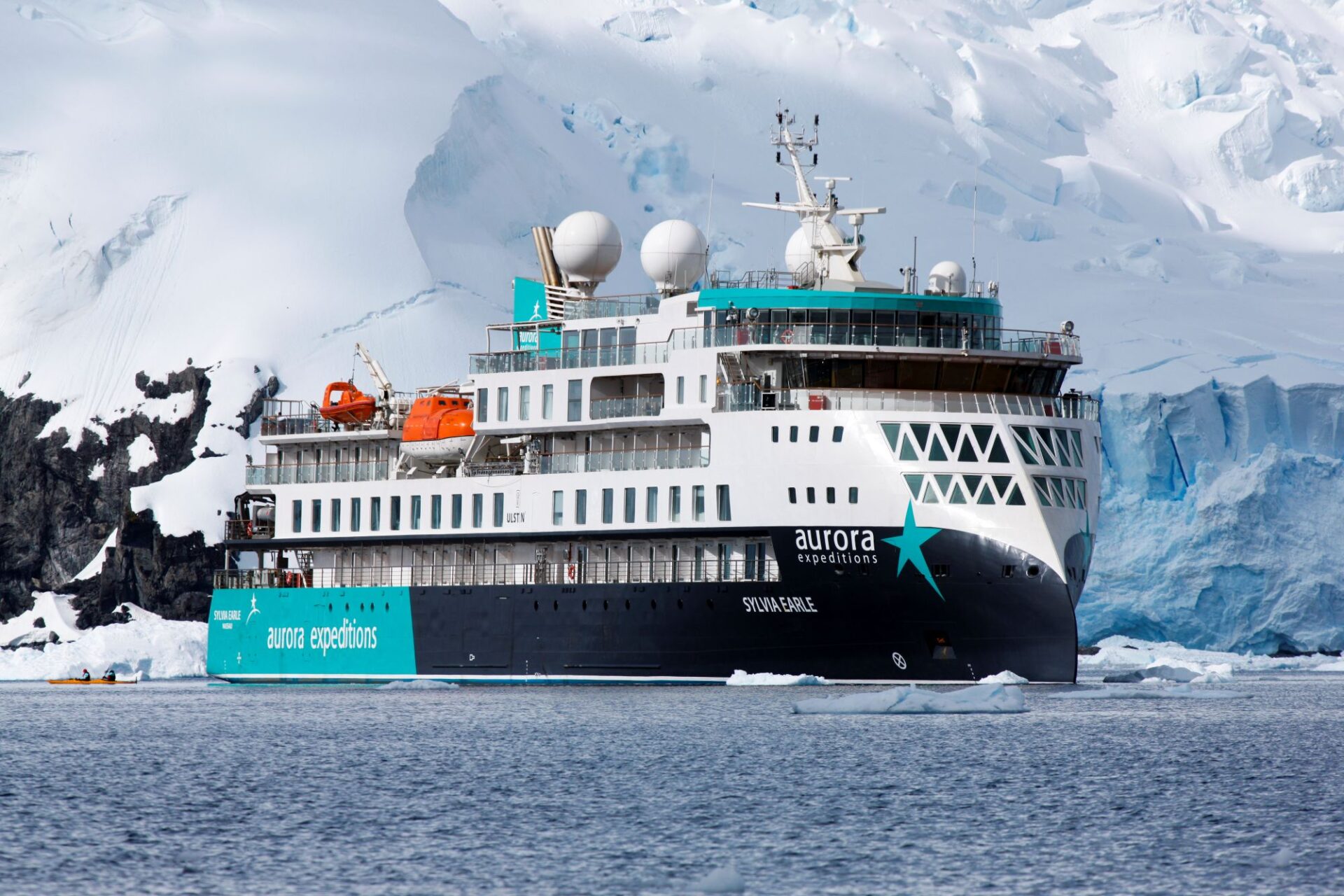
You’ll be traveling on the Sylvia Earle, built in 2022, with a maximum of 130 passengers; its forward-leaning bow (Ulstein X-BOW) cuts through the swell of Baffin Bay, making for a smoother crossing. The expedition team decides each day where the Zodiacs will go, based on the weather, sea ice, and opportunities that arise. Between outings, guests can enjoy the lecture hall, the citizen science center, the sauna, and a heated outdoor pool.
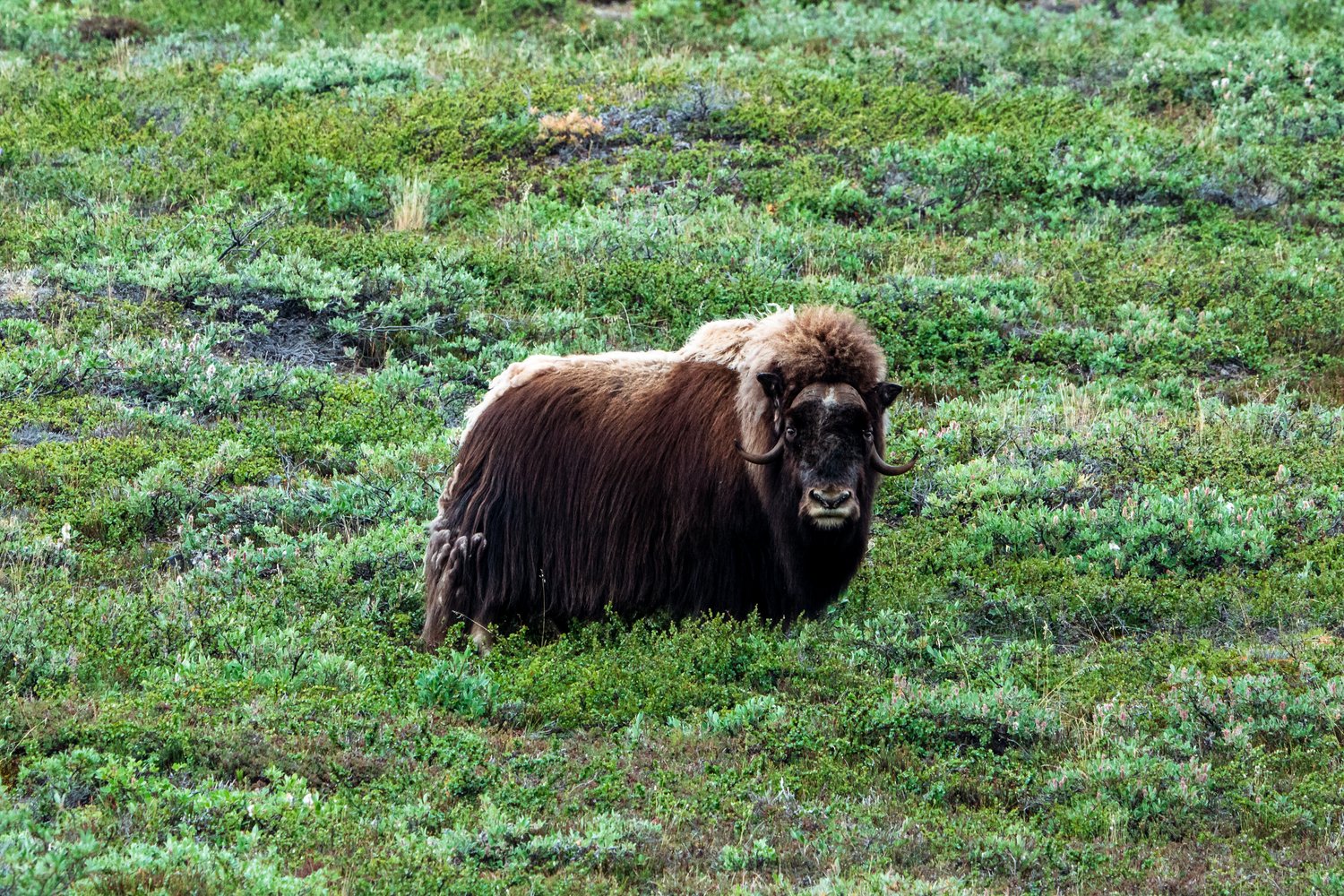
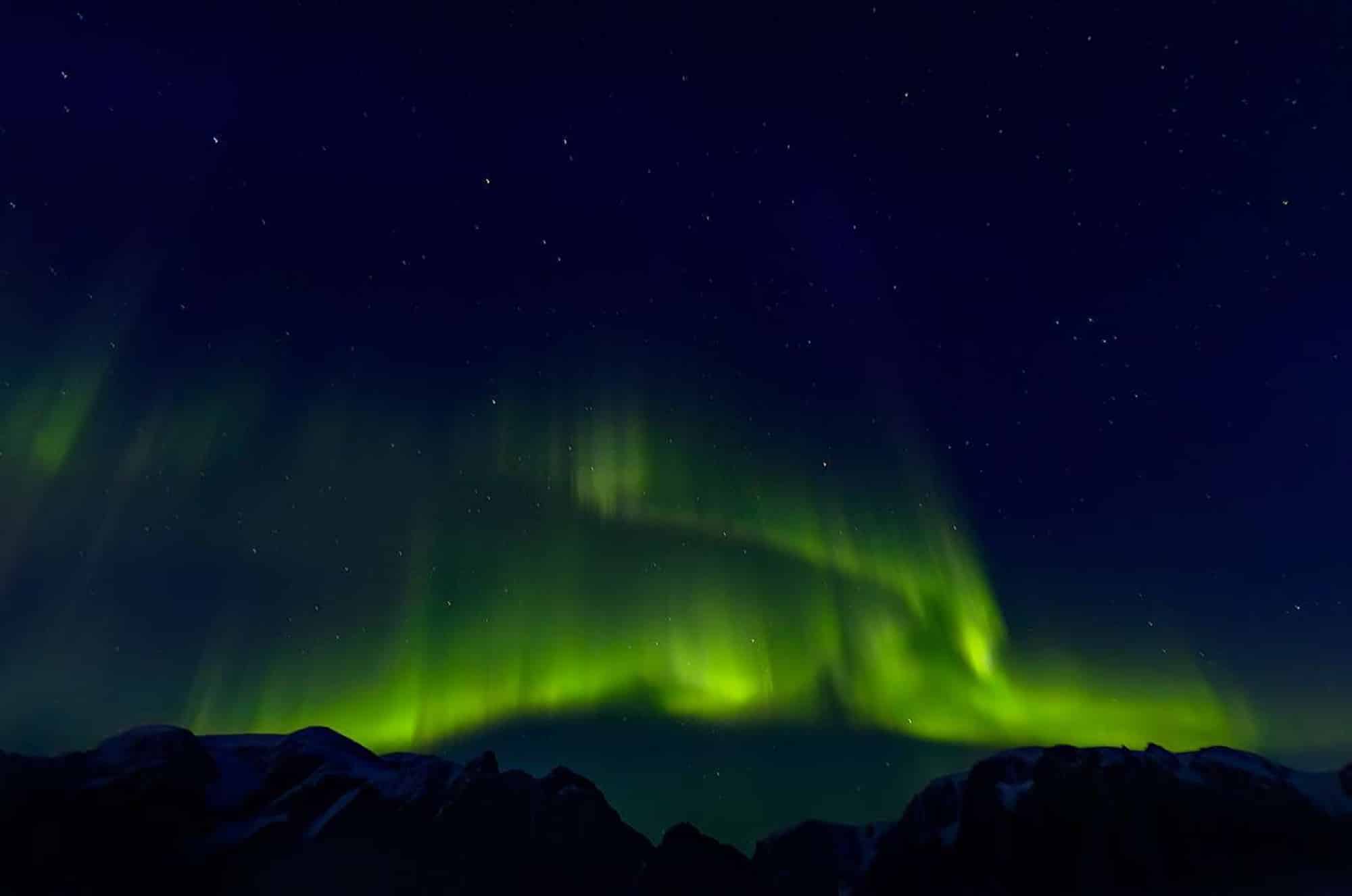
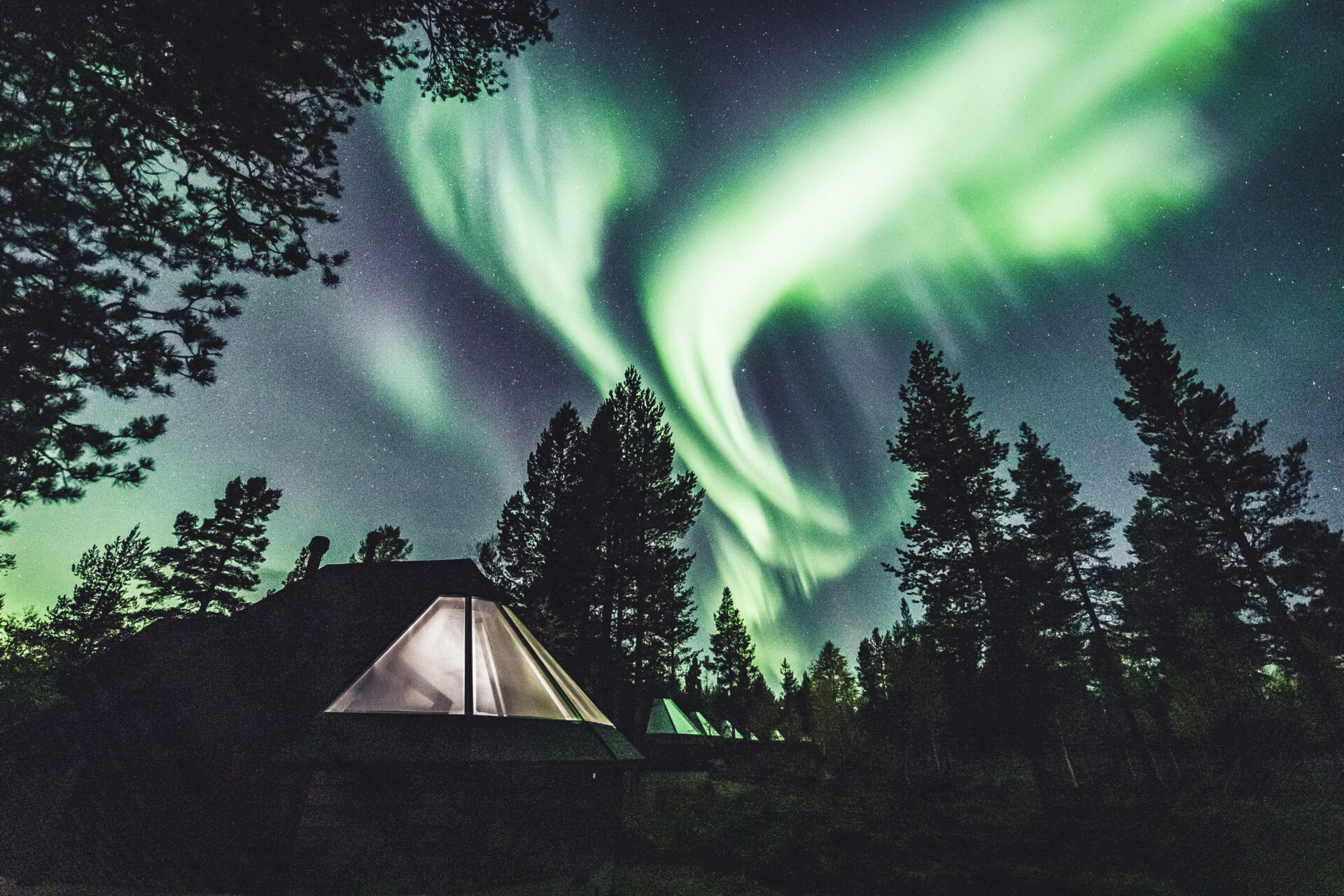
Along the way, keep an eye out for polar bears, walruses, musk oxen, seals, and whales, and as darkness returns to the Arctic nights, a clear sky over Baffin Bay may offer a view of the Northern Lights.
The itinerary is fully organized: one night’s hotel stay with breakfast in Calgary, charter flights to Kugluktuk and from Kangerlussuaq to Reykjavík, all transfers mentioned in the itinerary, all shore excursions and Zodiac rides, a waterproof 3-in-1 polar jacket to keep, and rental rubber boots are included in the tour price.
Depending on whether you depart before or after your expedition through the Northwest Passage, we recommend visiting Banff National Park in Canada—about 90 minutes from Calgary—and, in Iceland, the Sky Lagoon on the outskirts of Reykjavík, with its infinity pool overlooking the North Atlantic, or the Hotel Rangá in the south, which features its own observatory. Feel free to contact us; we’ll be happy to put together a personalized pre- or post-trip itinerary for you.

Stephanie Gräf
Travel expert, inventia | Travel beyond the ordinary
Specialist in travel to the Arctic and Antarctic.
I am your contact person for questions and bookings relating to the Arctic and Antarctic, and I am delighted that you are one of the few people who are traveling to the ends of the earth.
You can reach me by phone or email:
+49 (0)201 858 90 960
welcome@inventia.de
Good to know
Arrival and Departure: One night’s hotel stay with breakfast in Calgary on the first day of the trip is included in the tour price, as are all transfers listed in the itinerary, the charter flight to Kugluktuk, and the charter flight from Kangerlussuaq to Reykjavík, where the tour ends at the airport on the fifteenth day. International flights to Calgary and from Reykjavík (or vice versa for departures in late August) are not included; upon request, we can arrange your flights. We’d be happy to put together pre- and post-tour itineraries for you in Canada and Iceland.
Entry Requirements: For Canada, Greenland (part of Denmark), and Iceland, German citizens must have a passport that remains valid for at least six months after their return; for entry into Canada by air, an Electronic Travel Authorization (eTA) is also required. Current travel and safety advisories from the Federal Foreign Office are available for Canada, Denmark (which has jurisdiction over Greenland), and Iceland. Regulations may vary for other nationalities. Please feel free to contact us.
Onboard Currency: The onboard currency is the U.S. dollar. All expenses are charged to your onboard account and settled at the end of the voyage by credit card or in cash in U.S. dollars.
Note for solo travelers: If you do not request a single cabin, you may be accommodated in a shared cabin on board. In this case, you will be accommodated with other travelers of the same gender and possibly of a different nationality. No single cabin surcharge will apply.
HIGHLIGHTS
- King William Island – Along the coast of Qikiqtaq, Inuit oral traditions helped shed light on the fate of the HMS Erebus and the HMS Terror.
- Bellot Strait —barely two kilometers wide, crisscrossed by tides and drifting ice, and a part of the Inuit’s traditional travel routes since time immemorial.
- Cambridge Bay and Amundsen's Maud – In the harbor of the "Place of Many Fish," Roald Amundsen's ship sank after becoming trapped in the ice and remained there for decades.
- Kugluktuk, Home of the Inuinnait – For generations, the “Copper Inuit” have crafted their tools from the copper found in their region.
- Nipisat, UNESCO World Heritage Site – Archaeological layers spanning more than 4,000 years between the Greenland Ice Sheet and the coast.
- Devil’s Thumb above Kullorsuaq —a community in the Upernavik Archipelago nestled beneath the striking mountain whose name means “the big thumb.”
- Northern Lights over Baffin Bay – When darkness returns to the Arctic night, a clear sky can reveal the Northern Lights.
- Premium bar included —spirits, cocktails, beer, and wine are included in the price for the entire duration of this trip.
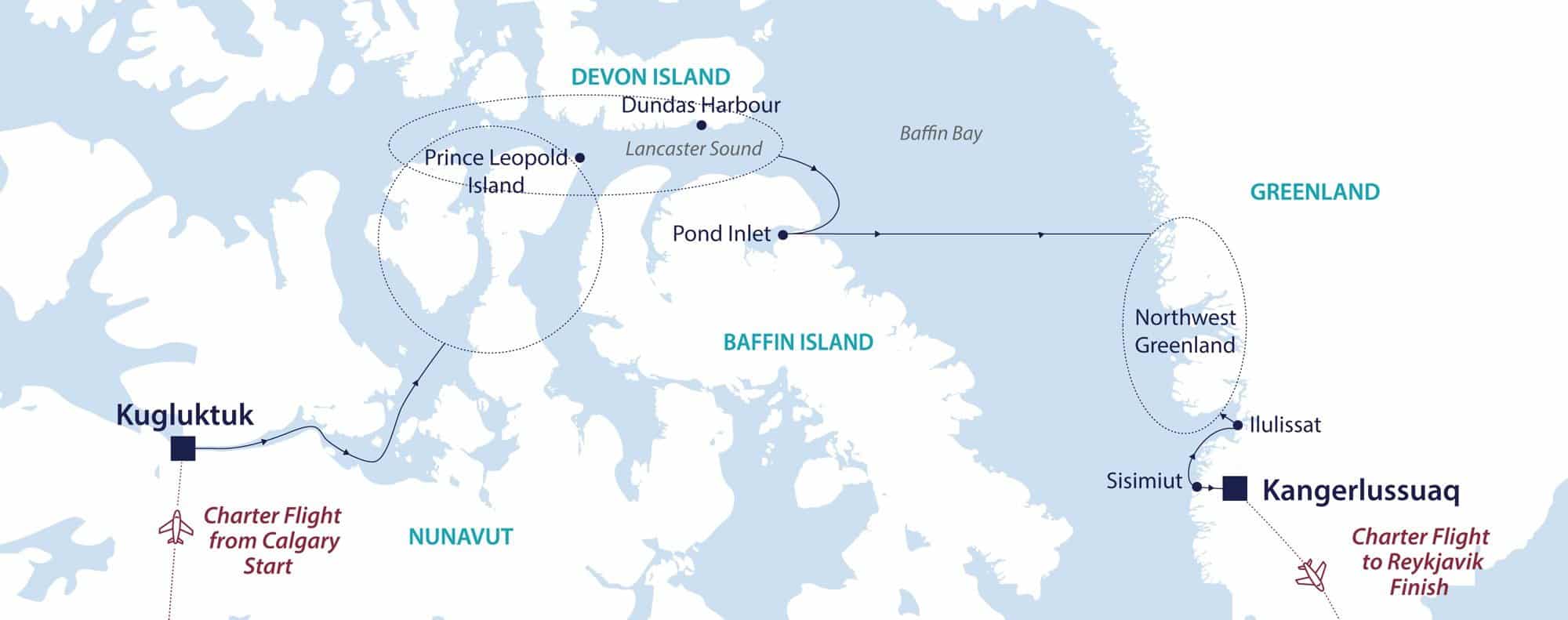
route
itinerary
From Calgary eastward through the Northwest Passage to Greenland
Day 1 | Arrival in Calgary
In Calgary, a member of the ground crew will greet you and take you to the group hotel. At the reception desk, you’ll pick up the luggage tags for your cabin, get all the details about tomorrow’s charter flight, and receive recommendations for dinner in the city.
The rest of the day is yours to enjoy. The overnight stay at the hotel, including breakfast, is included in the tour price; meals for this day are not included.
Please note that the departure on August 30, 2028, follows the reverse route: It begins in Reykjavík with a charter flight to Kangerlussuaq, continues via Sisimiut, Ilulissat, Sukasset, and the Aappilattoq Icefjord to Pond Inlet, Devon Island, Prince Leopold Island, Beechey Island, and Radstock Bay, then through the Bellot Strait to Pasley Bay, Cambridge Bay, and Cape Barrow, and concludes with the charter flight from Kugluktuk to Calgary.


Days 2 and 3 | Charter flight to Kugluktuk, embarkation, and Port Epworth
The transfer will take you to the airport, and the charter flight will fly you to Kugluktuk in Nunavut. The “place of moving water” is located near the mouth of the Coppermine River in the homeland of the Inuinnait, who for generations have crafted tools from the region’s copper—hence their English name, “Copper Inuit.” On board the Sylvia Earle, you’ll settle in, attend the safety briefings, and get to know the expedition team and crew.
On the third day, the itinerary includes a Zodiac ride or a shore excursion at Port Epworth, along a coastline with ancient geological features where the Inuit have long traveled seasonally; depending on conditions, you’ll search the shore for archaeological traces of these journeys. Afterward, the ship sets course eastward, and the expedition team will introduce you to the human and natural history of the Northwest Passage.
Day 4 | Cambridge Bay (Iqaluktuuttiaq) and at Sea
Iqaluktuuttiaq, the “place of many fish,” owes its name to the abundant waters that have long drawn Inuit families to this part of Victoria Island. Today, Cambridge Bay is a regional hub where the Inuinnaqtun language, traditional subsistence practices, and modern northern life converge.
The harbor is associated with Roald Amundsen’s ship, the Maud, which sank here after becoming trapped in the ice and remained in the harbor for decades. A tour led by locals explores the history and culture of the community before you return to the ship and continue eastward.


Day 5 | King William Island
The western side of King William Island—known to the Inuit as Qikiqtaq—is at the heart of the Franklin story, but the island had been settled long before that. For generations, the Inuit traveled, hunted, and camped here, gathering the knowledge that would later prove crucial to understanding the fate of the HMS Erebus and the HMS Terror.
Weather and sea ice determine the landing site. Once ashore, the expedition team will explain the archaeological structures, expedition artifacts, and oral traditions that link this coast to one of the enduring mysteries of polar research. Along the way, keep an eye out for caribou, arctic foxes, seals, and polar bears.
Day 6 | Bellot Strait Region
Bellot Strait, barely two kilometers wide at its narrowest point, separates Somerset Island from the Boothia Peninsula and is subject to strong tides and shifting ice. If conditions permit, the ship will sail through the strait or explore Fitzroy Inlet and Strzelecki Harbor.
Zodiac trips and tundra hikes take you through a barren landscape of cliffs, coves, and tidal channels. For early seafarers, this was a formidable obstacle; for the Inuit, it was part of a familiar travel route. Along the shore and on the water, keep an eye out for polar bears, seals, belugas, and seabirds.


Day 7 | Radstock Bay
Below the limestone massif of Caswall Tower, stone foundations, storage depots, and whale bones bear witness to the fact that Inuit lived in Radstock Bay for generations, engaging in sophisticated hunting, food storage, and seasonal migrations throughout the region. As you walk across the raised beach terraces, the guides explain the significance of these traces.
Wildlife also plays a role in shaping the day: walruses may use parts of this coastline as a resting place, and access may be restricted to protect them; in that case, the team will move to another location in the northwest of Somerset Island. Musk oxen, Arctic hares, foxes, and polar bears may be spotted in the wider area.
Day 8 | Maxwell Bay
Maxwell Bay (Tasiujaq) cuts deep into Devon Island and features several sheltered bays, such as Graham Harbor and Custance Inlet. By the end of September, the tundra has taken on its fall colors, and early snow can make the island’s table mountains and glacial valleys stand out more clearly.
Whether by Zodiac or on foot, keep an eye out for musk oxen, Arctic hares, and foxes on land, as well as seals and walruses in the water; polar bears roam the region, and every sighting is a matter of luck. Archaeological remains show how traveling Inuit, traders, and later government patrols used these waters.

Day 9 | Croker Bay and Dundas Harbor
In Croker Bay, a glacier descends into a vast Arctic bay. Depending on conditions, you’ll travel by Zodiac among bizarrely shaped ice floes or go ashore beneath the striking mountains of Devon Island; ringed seals and walruses are sometimes found here, and occasionally a polar bear roams along the coast.
In Dundas Harbour, the remains of a Royal Canadian Mounted Police outpost and evidence of the Hudson’s Bay Company’s past activities represent a more recent chapter in the area’s history, while nearby archaeological sites point to a much older history of Inuit settlement along this coast. A hike through the tundra may offer encounters with musk oxen, snowshoe hares, and late-season birds.
Day 10 | At Sea
You’ll leave Nunavut and cross Baffin Bay toward Greenland. On deck, you can keep an eye out for whales’ spouts, seals, and fulmars, or listen to the lectures that connect the two sides of the passage: the shared roots of the Inuit and their long journeys on one hand, and the ambitions of European explorers and navigation through the ice on the other.
As darkness returns to the Arctic night, a clear sky may offer the chance to see the Northern Lights.


Days 11 and 12 | Kullorsuaq, Devil’s Thumb, and Nuussuaq
For you, Greenland begins in Kullorsuaq, a small town nestled among islands, mountains, and ice in the Upernavik Archipelago, named after the striking nearby mountain, Devil’s Thumb. A visit to the town offers a glimpse into life in one of Greenland’s northern settlements, where hunting and fishing remain closely tied to sea ice, weather, and wildlife; off the coast, icebergs drift through channels used by seals and whales.
The twelfth day begins at sea with a view of the Greenlandic coast, where humpback and minke whales may be spotted. Later, you’ll explore the area around Nuussuaq: The basalt mountains and vast valleys of the peninsula bear witness to ancient migrations and settlements, and a late-afternoon landing may allow for a tundra hike, a Zodiac ride, or a visit to a local community.
Day 13 | Ilulissat
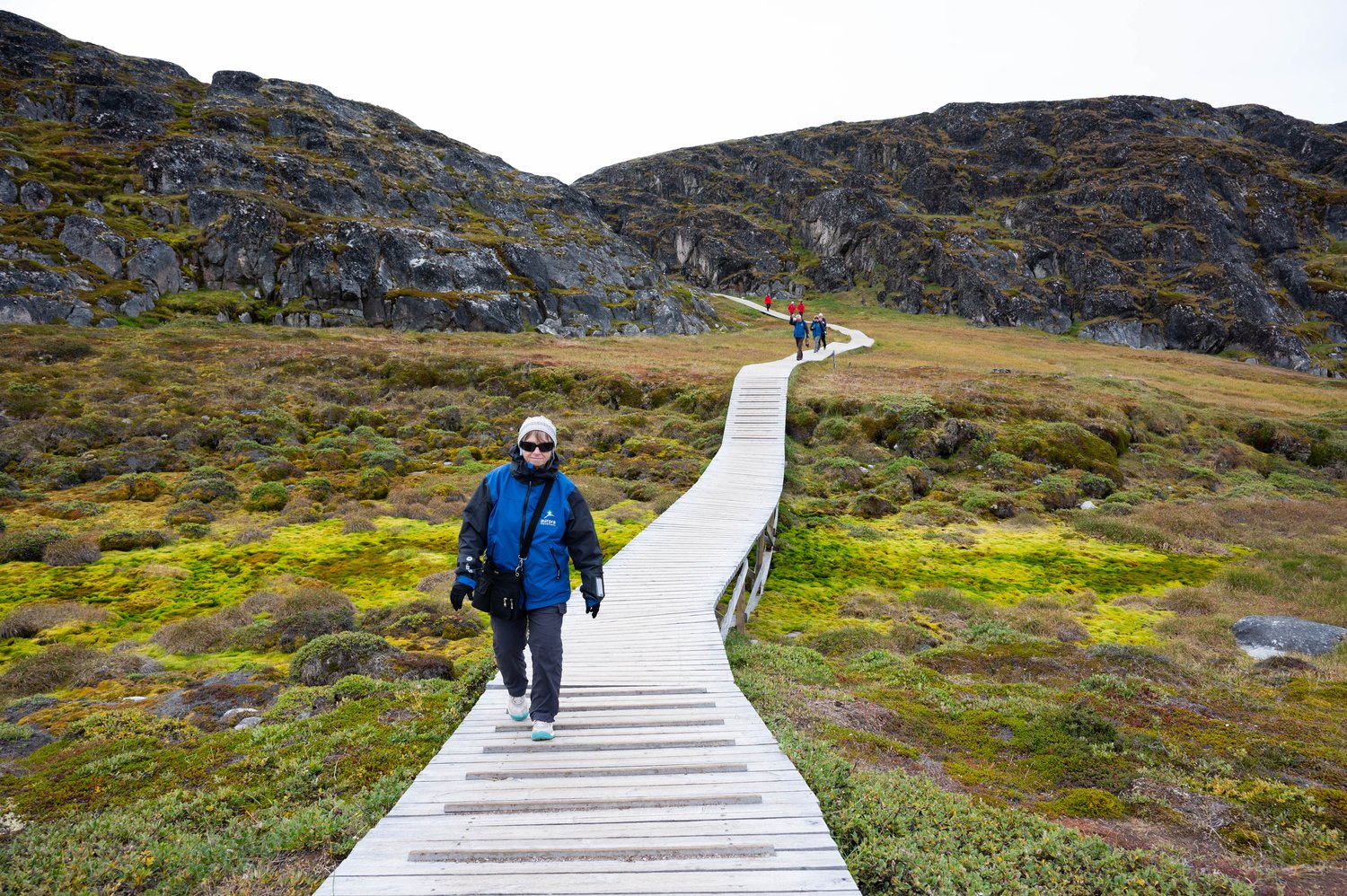
Ice, weather, and on-site conditions determine the day’s plans; the destination is Ilulissat, where people have lived along the ice fjord for more than 4,000 years. A trail leads to the Ilulissat Icefjord, a UNESCO World Heritage Site; there, icebergs calved from the Sermeq Kujalleq glacier drift in an ever-changing procession toward Disko Bay.
The nearby Sermermiut Valley preserves traces of successive Inuit cultures and adds a human dimension to this glacial landscape.
Day 14 | Ukivik and Nipisat
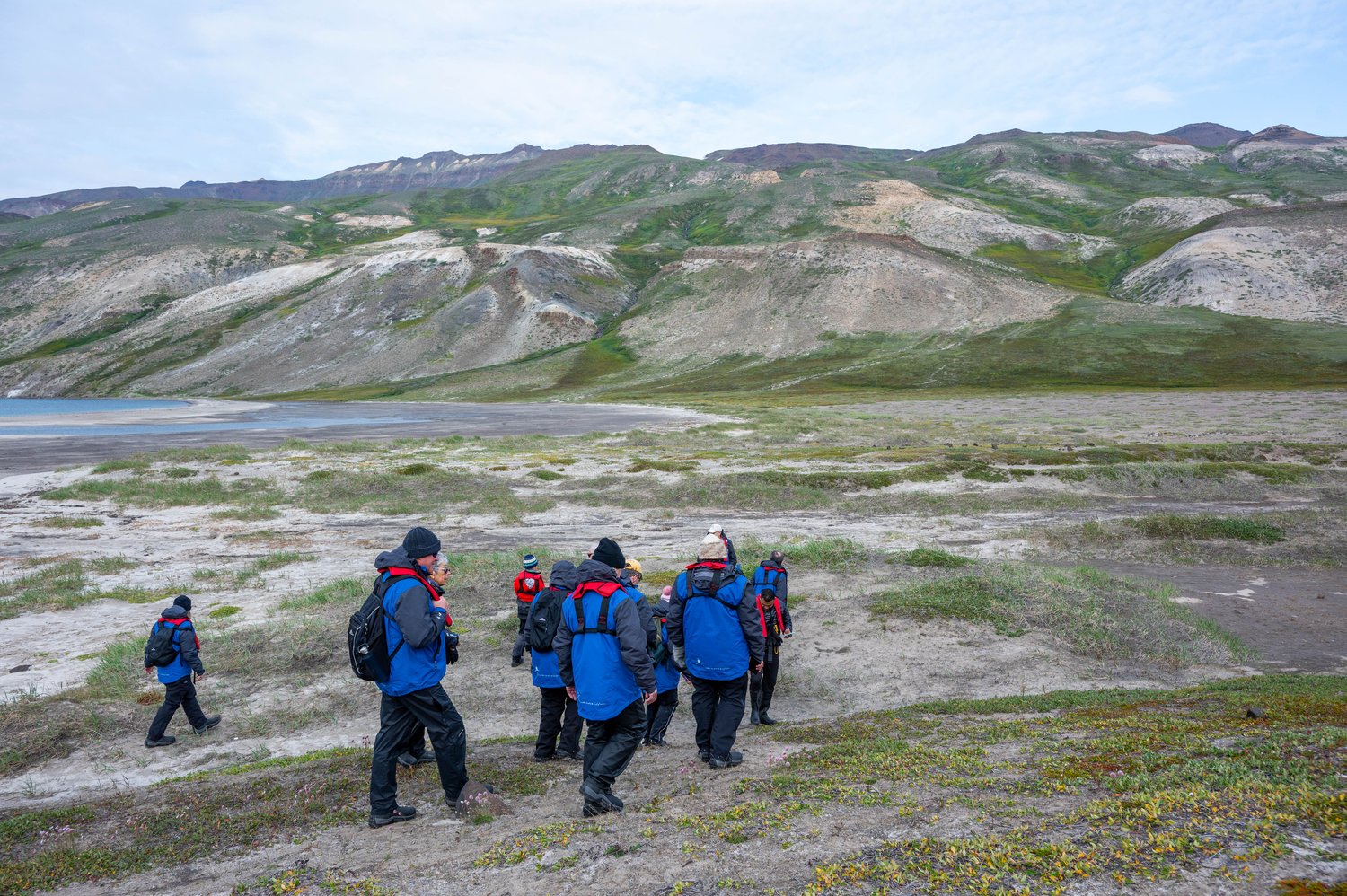
At Ukivik, the open tundra and rugged coastline offer a final wilderness hike shaped by the weather, wildlife, and local conditions.
Later, you will visit Nipisat, part of the Aasivissuit-Nipisat UNESCO World Heritage Site, the Inuit hunting grounds between the ice and the sea. Archaeological layers document more than 4,000 years of human history and show how successive cultures adapted to the resources between the Greenland ice sheet and the coast: a fitting place to reflect on the knowledge and continuity of the Inuit at the end of the passage.
Day 15 | Disembarkation in Kangerlussuaq and charter flight to Reykjavík
In Kangerlussuaq, at the end of the 190-kilometer-long fjord, you’ll say goodbye to the crew, the expedition team, and your fellow travelers. The shuttle will take you to the airport; the trip ends when the charter flight lands in Reykjavík.
The arrival time depends on the charter flight slots that are expected to be allocated in March 2028. Therefore, be sure to allow plenty of time for your onward journey, or stay in Iceland for a few days.

The daily programs described here are for your guidance. The itinerary may vary considerably due to local ice and weather conditions, last-minute permit procedures, and local authorities, but also to respond to current conditions regarding wildlife viewing.Theexpedition leader on board will determine the final itinerary and daily program. Flexibility is of utmost importance during our expedition-style voyages.
activities
Zodiac rides (included)

The Zodiacs are your gateway to the passage: between bizarrely shaped icebergs in Croker Bay, through the tidal channels of Bellot Strait, along the coasts of King William Island, and to landing sites that only become apparent along the way. The team aims for two trips a day—more if the weather, daylight, and route permit.
You can quickly and safely board one of the 15 boats through four dedicated doors on the Sylvia Earle. Included.
Shore Excursions and Hikes (Included)

On land, you’ll hike across the elevated beach terraces of Radstock Bay—with their whale bones and stone foundations—through the autumn tundra of Maxwell Bay, and to the sites of Nipisat, where layers spanning 4,000 years lie one atop the other. Guides will contextualize the traces left by the Inuit, traders, and polar expeditions.
The expedition team decides where the hike will go based on the weather, ice conditions, and wildlife; if a walrus is resting on the shore, the group will give it a wide berth. You can rent rubber boots for the duration of the trip. Included.
Wildlife and Bird Watching (included)

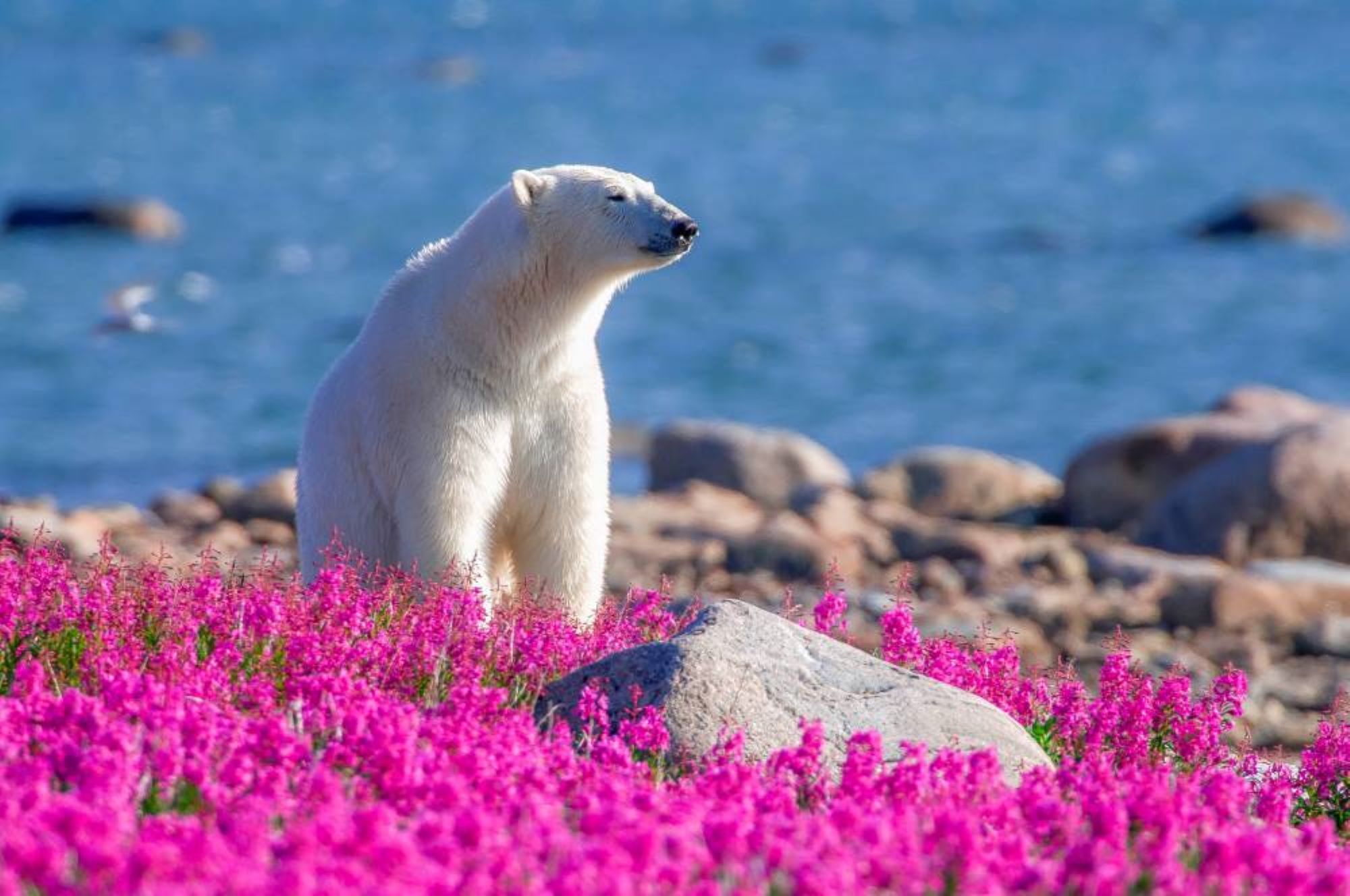
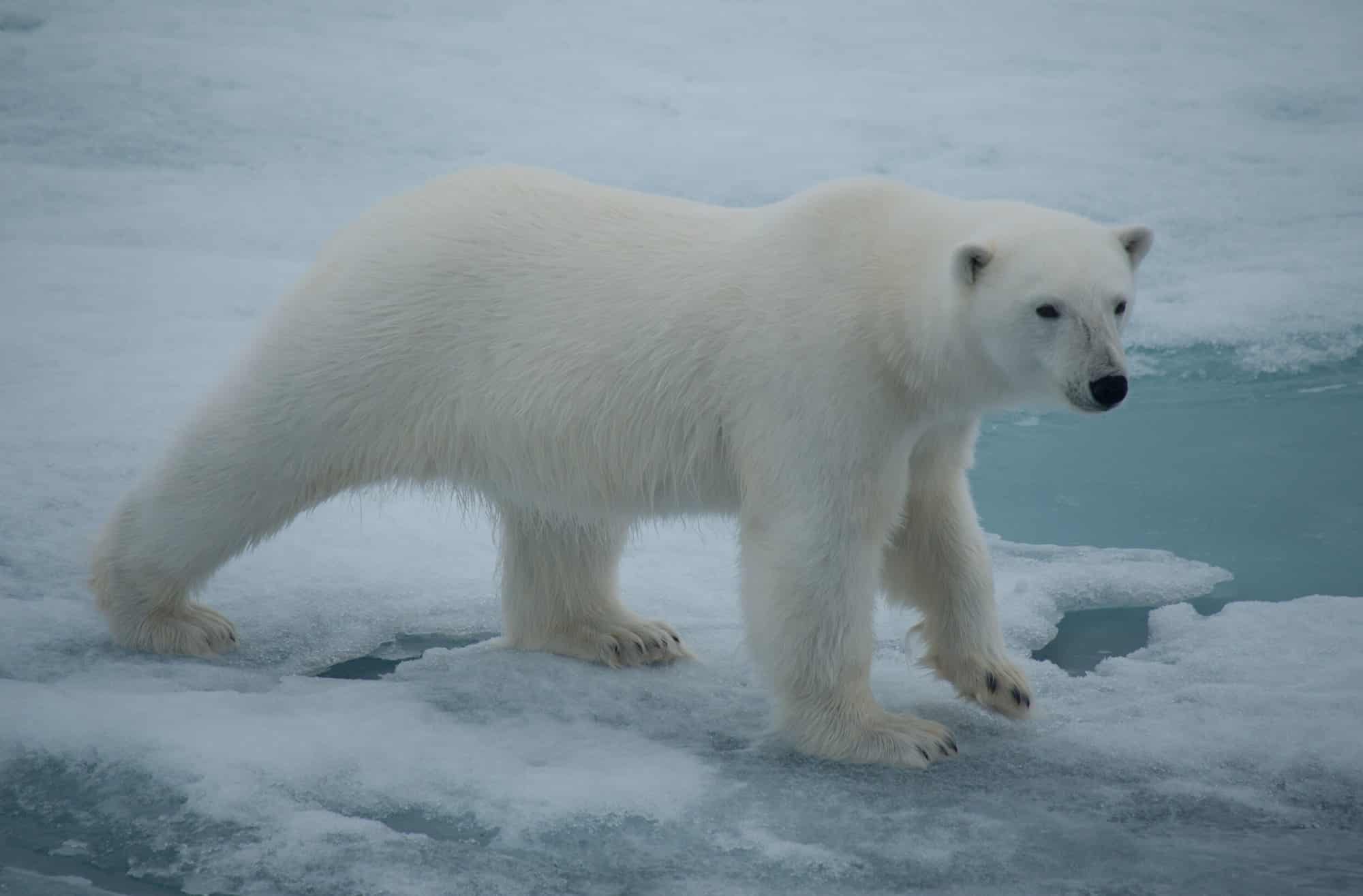
Throughout the voyage, keep an eye out for polar bears along the ice edge and coastline, walruses at their resting spots, musk oxen and Arctic hares on the tundra, seals on the ice floes, and the spout clouds of whales in Baffin Bay. On the voyage departing in late August, you may still see fulmars, three-toed gulls, and thick-billed guillemots flying off the cliffs of Prince Leopold Island in September.
Every sighting is a matter of luck; the naturalists on the expedition team stand ready on deck to identify whatever appears. Included.
Encounters in Inuit Communities (inclusive)

In Cambridge Bay, you’ll meet the Inuinnait of the western Arctic—in their homeland, you’ll board the ship in Kugluktuk —and in Kullorsuaq, you’ll meet the residents of one of Greenland’s northernmost settlements; tours led by locals provide insight into the language, hunting traditions, and modern life in the North. Included.
Polar Plunge (included)

On one of the expedition days, if ice conditions and the weather permit, the team will organize a Polar Plunge: Anyone who wants to can jump into the Arctic waters while the other passengers watch from the deck.
After that, the sauna awaits, and the warmth returns in the heated outdoor pool—weather permitting.
Lectures and Citizen Science (included)

During the crossing of Baffin Bay, the lectures explore both sides of the passage: the Inuit’s travel routes and knowledge systems, the region’s archaeology, and the ambitions and hardships of European polar expeditions.
At the Citizen Science Center, you'll take part in the team's ongoing observations with the bow right in front of you. Included.
Sea kayak (for an additional fee)
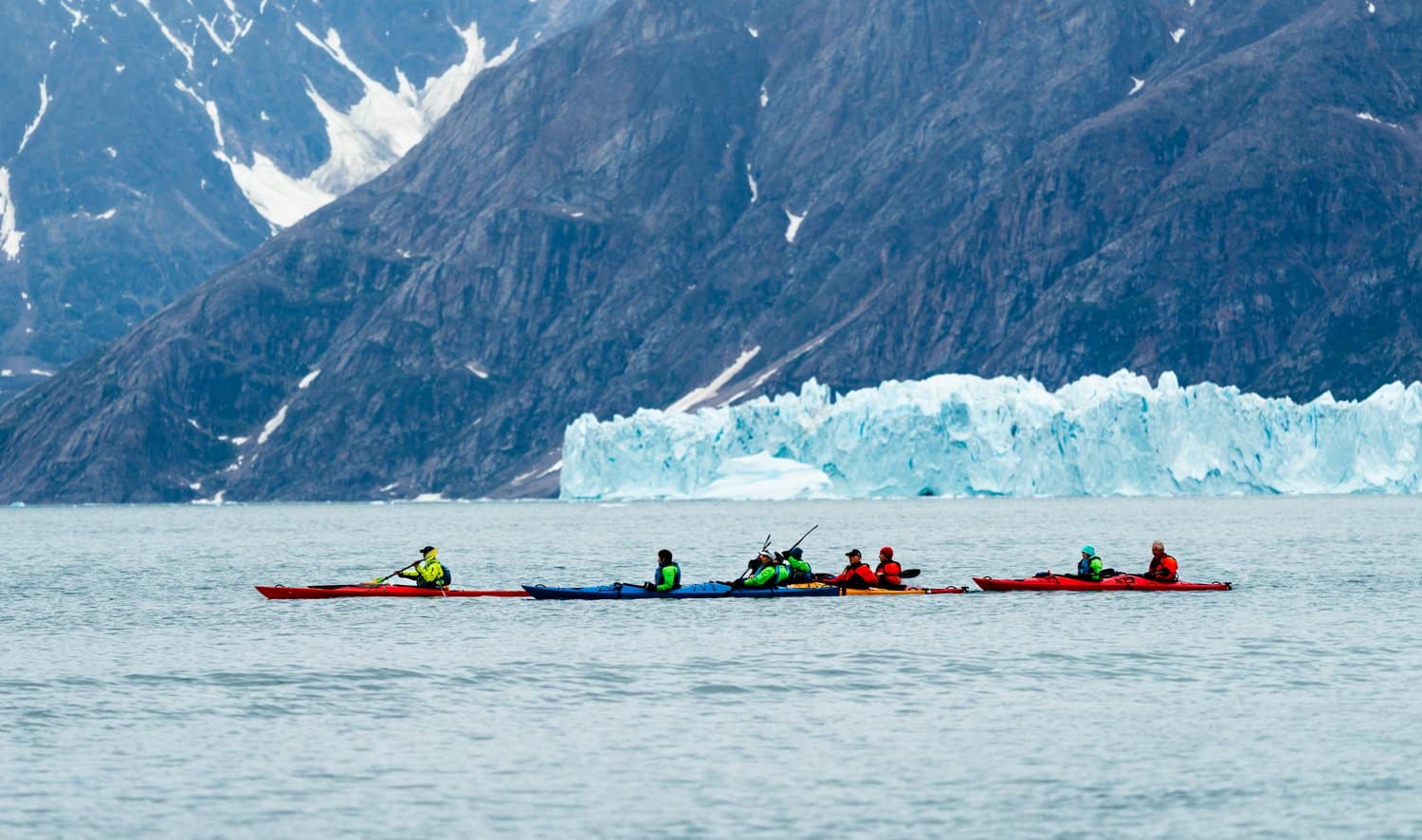
Those who book the sea kayaking tour will be part of a fixed small group of up to ten people per guide for the entire trip. Each outing covers five to 15 kilometers, lasts two to four hours, and often includes a stop in coves that are inaccessible to Zodiacs; depending on the weather, you’ll generally paddle whenever the other passengers head out as well.
The team provides dry suits and kayaking shoes; a separate deposit of €250 per person is required at the time of booking. Available for an additional fee, starting at €1,110 per person.
DATES & PRICES
Request your trip here!
Submit questions via email Arrange a callback Call now: +49 201 85890960
or please select your preferred date
August 30, 2028 – September 13, 2028
Starting at €22,691 per person
15 days/14 nights
MS Sylvia Earle (Maximum occupancy: 130)
Reykjavik, Iceland , Calgary, Canada
Optional, for an additional fee: kayaking
September 12, 2028 – September 26, 2028
Starting at €22,691 ; €17,019 per person
15 days/14 nights
MS Sylvia Earle (Maximum occupancy: 130)
Calgary, Canada Reykjavik, Iceland
Optional, for an additional fee: kayaking
Up to 25% early-bird discount for new bookings made by December 31, 2026
Selected date
August 30, 2028 – September 13, 2028 (15 days/14 nights)
MS Sylvia Earle | The Northwest Passage Along the Inuit Waterways

Aurora Cabin Triple

Aurora Superior Cabin

Balcony Cabin Cat. C

Balcony cabin Cat. B

Balcony Cabin Cat. A
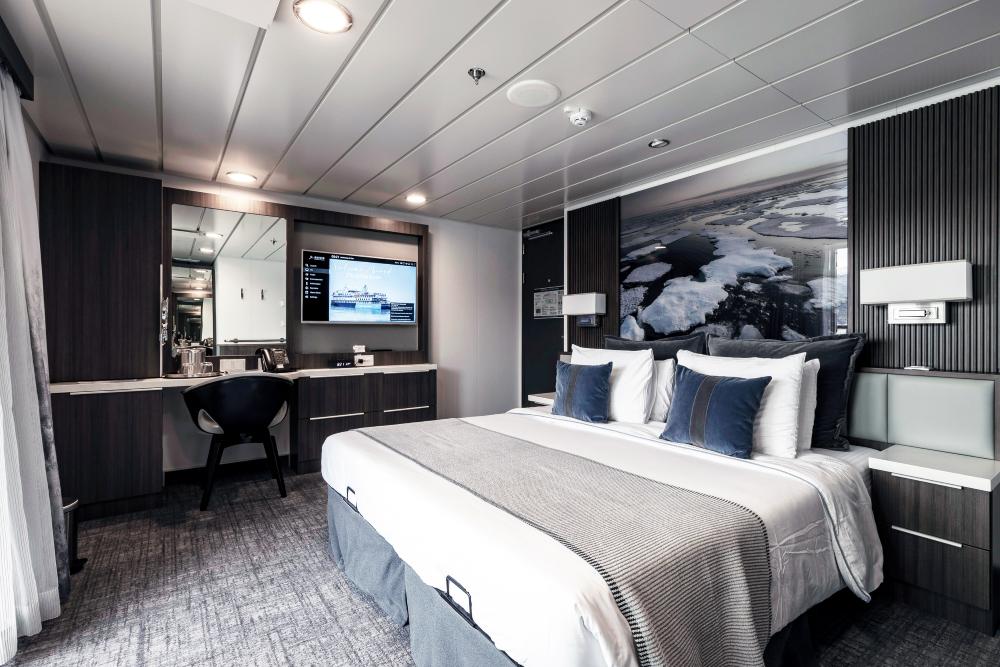
Superior Balcony Cabin

Junior Suite
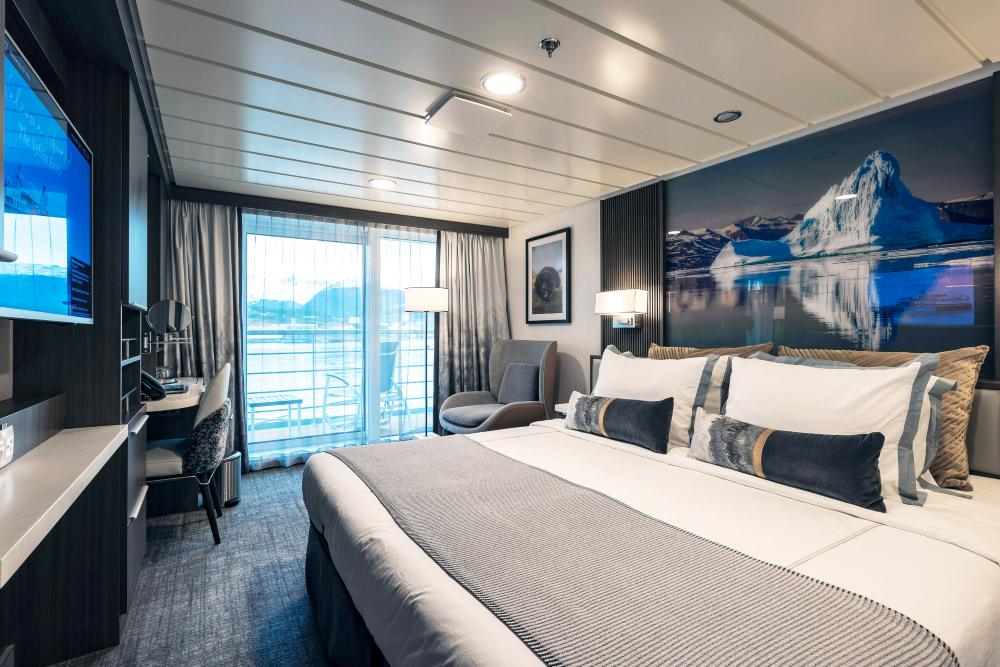
Captain's Suite
cabin
options
| Kayaking (price per person) | ||
| Person(s) | 1 112,00 € | |
personal data
By clicking on the "Request now" button, you agree to the Processing of your personal data to complete the reservation.
Summary
optional activities
Selected date
September 12, 2028 – September 26, 2028 (15 days/14 nights)
MS Sylvia Earle | The Northwest Passage Along the Inuit Waterways
Aurora Cabin Triple
Aurora Superior Cabin
Balcony Cabin Cat. C
Balcony cabin Cat. B
Balcony Cabin Cat. A
Superior Balcony Cabin
Junior Suite
Captain's Suite
cabin
options
| Kayaking (price per person) | ||
| Person(s) | 1 112,00 € | |
personal data
By clicking on the "Request now" button, you agree to the Processing of your personal data to complete the reservation.
Summary
optional activities
Information
Included services:
- One night at a hotel with breakfast on Day 1 in Calgary (for a trip departing from Reykjavík in late August)
- Charter flights from Calgary to Kugluktuk and from Kangerlussuaq to Reykjavík (in the opposite direction for the flight departing in late August)
- All transfers mentioned in the itinerary
- Accommodations in the booked cabin with daily cabin service
- All meals, snacks, tea, coffee, soft drinks, and juices on board
- Premium spirits, cocktails, beer, wine, and liqueurs throughout the cruise; the bar opens at noon on at-sea days and at 3:00 p.m. on shore excursion days
- Farewell reception for the captain, featuring a four-course meal, house cocktails, house beer and wine, and non-alcoholic beverages
- All shore excursions and Zodiac trips
- Presentations and guidance from the expedition team
- Initial consultation with the ship's doctor and access to the onboard clinic
- A waterproof 3-in-1 fleece jacket worth keeping
- Rental rubber boots for the duration of the trip
- Wi-Fi on board; the connection may be unreliable in remote areas
- Port fees, permits, and landing fees
- Tips for local guides, drivers, and facilities during the excursions
- Detailed travel documents before departure
Not included:
- International and domestic flights, unless otherwise specified in the itinerary (we can arrange flights upon request)
- Transfers, unless otherwise specified in the itinerary
- Airport Taxes and Fees
- Passport, Visas, and Vaccinations
- International Health Insurance and the Costs of Medical Evacuation
- Hotel accommodations and meals, unless otherwise specified in the itinerary
- Optional activity for an additional fee: Sea kayaking
- Personal expenses such as laundry service, the onboard shop, telephone charges, and medical treatment beyond the initial consultation
- Tips for the crew and expedition team: $20 per person per day will be charged to your onboard account and can be adjusted. For suites, this amount is already included.
Important:
- We recommend arriving one to two days before the trip begins to allow for any flight or baggage delays.
- Travel health insurance with unlimited coverage is mandatory, and proof of coverage must be provided.
- The trip takes you to remote areas without access to advanced medical facilities. People with life-threatening conditions or who require daily medical care cannot participate.
- Expedition language: English. A German-speaking guide is not provided.
- Landings are made via Zodiac and require sure-footedness on uneven terrain; the optional sea kayaking activity requires good physical fitness. If you have limited mobility, please contact us before booking.
- We will cancel the trip up to 30 days before departure and notify you by email if the minimum number of 50 participants has not been reached. Such cancellations are extremely rare.
- The two itineraries for this trip run in opposite directions: at the end of August, from Reykjavík via Kangerlussuaq to Kugluktuk and Calgary; in mid-September, from Calgary via Kugluktuk to Kangerlussuaq and Reykjavík. The order of stops and some of the shore excursions depend on the direction of travel.
- The arrival time of the charter flight on the last day of the trip depends on the assigned charter flight slots, which are expected in March 2028. Please allow plenty of time when planning connecting flights.
- The insurance coverage must also include baggage, trip cancellation, and trip interruption, as well as repatriation and emergency evacuation, with a minimum coverage of $250,000; the insurance details must be submitted before the final payment is made.
- 90 days before departure, you will receive a medical questionnaire, which must be returned no later than 45 days before departure (if booked within three months of departure, no later than 20 days before departure); a doctor’s certificate confirming your fitness to travel may also be required.
- In the Inuit communities we visit, traditional hunting—including whale hunting—continues to this day. If you have any questions about this, please speak with the expedition team, who will be happy to answer them.
- Bookable for ages 6 and up; travelers under 18 must be accompanied by an adult throughout the entire expedition.
Your ship during the voyage
Frequently Asked Questions
How do I get there and back?
The trip begins in Calgary and ends at the Reykjavík airport; for departures in late August, the order is reversed. International flights to these destinations are not included in the tour price; upon request, we’ll be happy to arrange your flights. Once you arrive, much of the logistics are already taken care of: One night’s hotel stay with breakfast on the first day of the trip, all transfers listed in the itinerary, the charter flight to Kugluktuk, and the charter flight from Kangerlussuaq to Reykjavík are included. The arrival time in Reykjavík depends on the charter flight slots, which are expected in March 2028; therefore, please plan your connecting flight with some extra time or include an overnight stay in Iceland.
Do I need a visa?
German citizens do not need a visa to travel to Canada, Greenland, or Iceland; a valid passport is sufficient. To enter Canada by air, an Electronic Travel Authorization (eTA) is also required, which must be applied for online prior to departure. We have provided links here to the German Foreign Office’s current travel and safety advisories for Canada, Denmark (which has jurisdiction over Greenland), and Iceland. Travelers of other nationalities should contact us directly, as different regulations may apply.
Will I see the Northern Lights on this trip?
The mid-September departure takes place in the late season, when the nights are once again dark enough for the Northern Lights. During the crossing of Baffin Bay and off the coast of Greenland, a clear sky may reveal the Northern Lights; on the late-August departure, the nights are still brighter. There is no guarantee of seeing the Northern Lights; they depend on cloud cover and solar activity. The best time for the Northwest Passage is during the summer, from July through September, when the likelihood of unobstructed passage is highest.
What animals might I see along the way?
Along the way, keep an eye out for polar bears, walruses, musk oxen, caribou, arctic foxes, and arctic hares on land; ringed seals, belugas, humpback whales, and minke whales in the water; and fulmars and other seabirds on the cliffs; on the voyage departing in late August, narwhals can be seen off Pond Inlet, and three-toed gulls and thick-billed guillemots can be spotted at the bird cliffs of Prince Leopold Island. What you see depends on the season, ice conditions, and chance; there are no guarantees of sightings in the Arctic. Naturalists from the expedition team will answer your questions on deck.
What should I pack for the Arctic?
There are two things you don't need to pack: The waterproof 3-in-1 fleece jacket is yours to keep after the trip, and you can borrow rubber boots on board. For the Zodiac trips in September, we recommend wearing several warm layers under your jacket, as well as a hat and gloves; you'll find all other details in the travel documents you'll receive before departure.
How fit do I need to be for this expedition?
Landings via Zodiac require sure-footedness on gravel, rock, and tundra; anyone who feels confident doing so and is in good overall health will manage just fine. For longer tundra hikes, such as in Maxwell Bay or near Ukivik, good basic physical fitness is helpful; shorter trails near the shore are available at almost every location. Please keep in mind: This trip takes you to remote areas without access to advanced medical facilities; individuals with life-threatening medical conditions or who require daily medical treatment cannot participate. It’s best to discuss any physical limitations with us before booking.
Will I be well taken care of as a solo traveler?
Solo travelers are warmly welcome on our expeditions. A surcharge applies to the double-occupancy rate for a private cabin: 50 percent in the cabin categories, 100 percent in the suites; the triple cabin cannot be booked for single occupancy. If a single cabin is not requested, accommodations on board are available in shared cabins. In this case, you’ll be accommodated with other travelers of the same gender and possibly of a different nationality. No single-occupancy surcharges apply. Small-group Zodiac trips, meals where you can sit wherever and with whomever you like, and the onboard presentations make it easy to get to know your fellow travelers. Feel free to contact us—we’ll find the right solution for you.
How do the two departures on this trip differ?
The trip in mid-September begins in Calgary with a charter flight to Kugluktuk and continues eastward via Cambridge Bay, King William Island, the Bellot Strait, and Devon Island to Greenland, where Kullorsuaq, Nuussuaq, Ilulissat, and Nipisat are on the itinerary; it ends in Kangerlussuaq with a charter flight to Reykjavík. The trip in late August follows the reverse route from Reykjavík to Calgary and, instead of Port Epworth, King William Island, Maxwell Bay, Kullorsuaq, Nuussuaq, and Nipisat, includes stops at Sisimiut, Sukasset and the Aappilattoq Ice Fjord, Pond Inlet on Baffin Island, the bird cliffs of Prince Leopold Island, Beechey Island with the graves of the Franklin Expedition, Pasley Bay, and Cape Barrow. In both cases, the itinerary serves as a guide; weather and sea ice conditions determine the final itinerary.

Northwest Passage_Franklin's Trail-Sylvia Earle in front of a glacier in Croker Bay-Renato Graniere-Aurora Expeditions
The Sylvia Earle in front of the Croker Bay glacier | © Renato Graniere
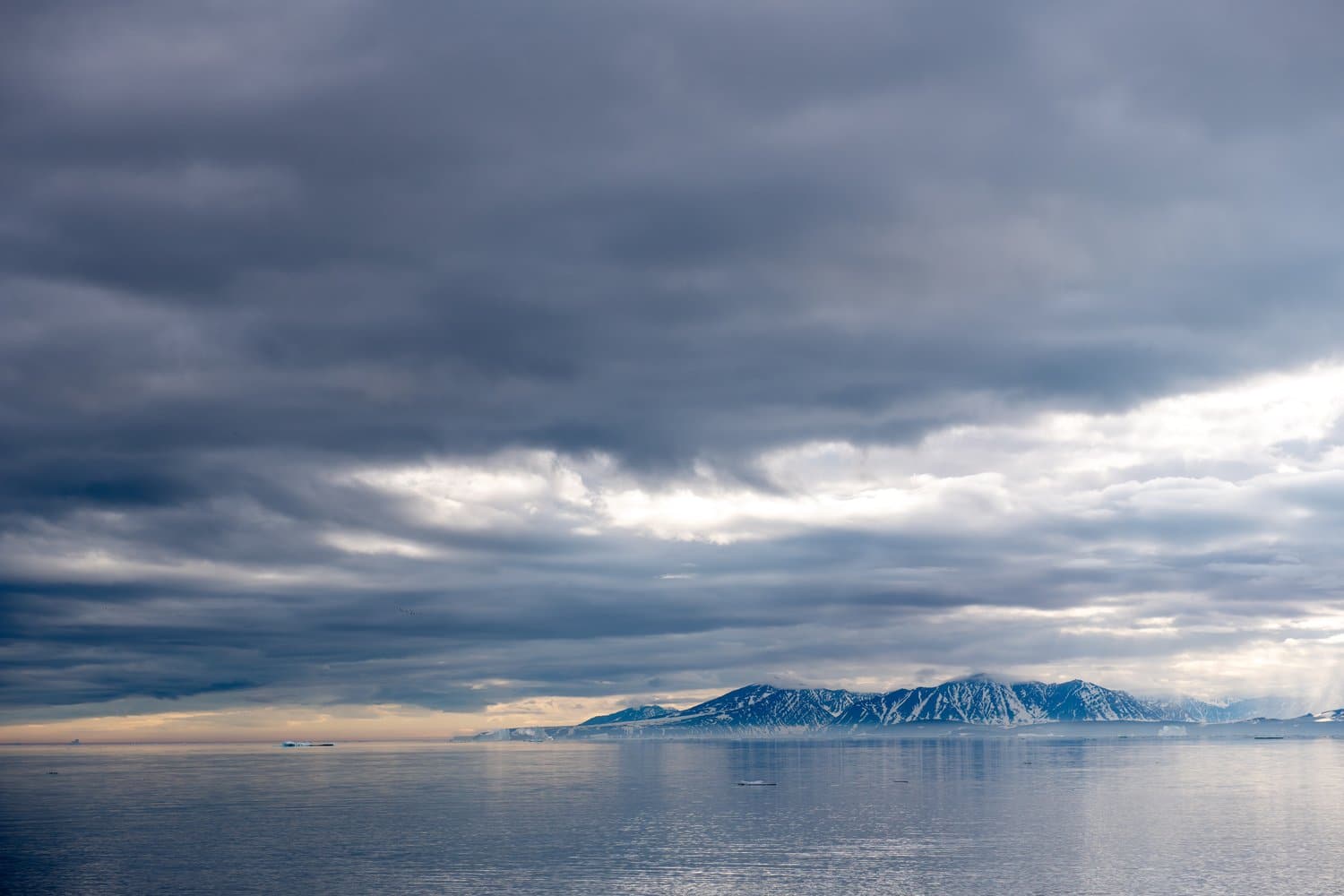
Northwest Passage_Franklin's Trail—View from the Sea of Greenland's Coast—Max Seigal—Aurora Expeditions
Greenland's Coastline as Seen from the Sea | © Max Seigal

crossing-northwest-passage_pond-inlet_renato-graniere_aurora-expeditions
Pond Inlet | © Renato Graniere

crossing-northwest-passage_croker-bay_michael-baynes_aurora-expeditions
Croker Bay | © Michael Baynes

Northwest Passage_Franklin's Trail—Glacier Front with Drift Ice, Greenland—Tyson Mayr-Aurora Expeditions
Drift ice in front of the glacier front | © Tyson Mayr

crossing-northwest-passage_illulissat-1_michael-baynes_aurora-expeditions
Ilulissat Icefjord UNESCO World Heritage Site | © Michael Baynes

crossing-northwest-passage_dundas-harbor-1_michael-baynes_aurora-expeditions
Iceberg off Dundas Harbor | © Michael Baynes

Northwest Passage Crossing_Pond Inlet 1_Renato Graniere_Aurora Expeditions
Pond Inlet | © Renato Graniere

Northwest Passage Crossing_Illulissat-Zodiac-1_Michael Baynes_Aurora Expeditions
Ilulissat Icefjord | © Michael Baynes

crossing-northwest-passage_croker-bay-kayaking_michael-baynes_aurora-expeditions
Kayaking in the Arctic Ocean | © Michael Baynes

Northwest Passage Crossing_Dundas Harbour Hike_Renato Graniere_Aurora Expeditions
Hike across the tundra near Dundas Harbour | © Renato Graniere

crossing-northwest-passage_port-leopold_renato-graniere_aurora-expeditions
Expedition hut near Port Leopold | © Renato Graniere

crossing-northwest-passage_illulissat_michael-baynes_aurora-expeditions
Ilulissat | © Michael Baynes

crossing-northwest-passage_illulissat-dogs_michael-baynes_aurora-expeditions
Dogs in Ilulissat | © Michael Baynes

crossing-northwest-passage_illulissat-passengers_michael-baynes_aurora-expeditions
Hike to Ilulissat Icefjord | © Michael Baynes

crossing-northwest-passage_dundas-harbor_michael-baynes_aurora-expeditions
Sunlight breaks through the clouds over Dundas Harbour | © Michael Baynes
More Arctic trips
Northwest Passage Cruises
22.495 €

Franklin's Trail Through the Ice Labyrinth of the Northwest Passage
Churchill Tours
13.995 €

An Old Maritime Route from Scotland to Norway
9.806 €
East Greenland: Northern Lights in Scoresbysund (German)
4.350 €

Active Base Camp in Northern Spitsbergen
4.100 €
Short Expedition Cruise Through Western Spitsbergen
7.986 €

Western Spitsbergen & the Polar Ice Edge
8.795 €

Expedition Cruise Around Iceland
7.790 €

Svalbard Expedition to the Pack Ice | MS Quest | MS Balto
Northern Lights Package "Action" (4 days/3 nights)
9.763 €